Mini Skid Steer Loader: How Dealers Can Source From Chinese Manufacturers
For equipment dealers looking to expand their product range, a mini skid steer loader can serve customers across landscaping, construction, agriculture, and property maintenance. Sourcing from Chinese manufacturers gives importers another option when comparing product availability, wholesale purchasing arrangements, and long-term supplier relationships.
However, choosing the right supplier involves more than finding a competitive quotation. Dealers need to understand their target market, evaluate the manufacturer’s business capabilities, and determine whether the supplier can support repeat orders and ongoing customer service.
When researching Chinese mini skid steer dealers, importers should distinguish between companies selling equipment locally and manufacturers offering direct export cooperation. Each channel has different advantages, depending on the dealer’s inventory strategy and growth plans.
Why Mini Skid Steer Loaders Appeal to Equipment Dealers
Compact machinery can help equipment distributors reach customers who need practical equipment for smaller jobsites and confined working areas.
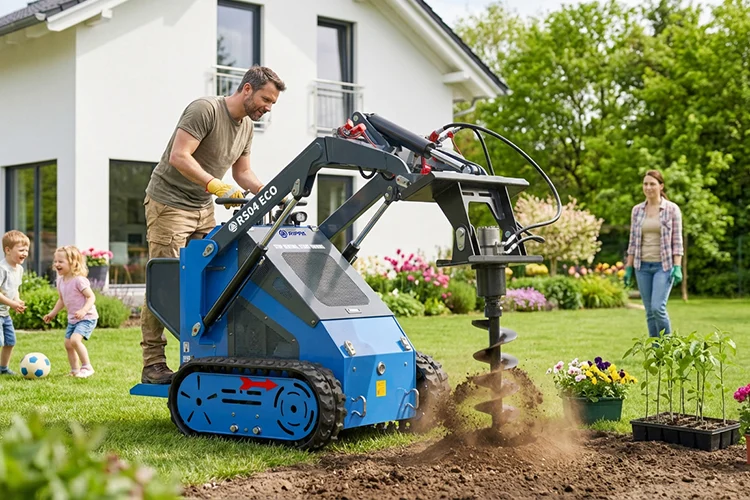
A mini skid steer loader may be used for landscaping preparation, material handling, agricultural work, grounds maintenance, and residential construction projects. Its versatility also allows dealers to discuss different attachments and applications with customers.
For distributors, this creates several commercial opportunities.
Serving multiple customer groups: Contractors, landscapers, farmers, and property maintenance businesses may have different equipment requirements. A product that supports multiple applications can broaden a dealer’s potential customer base.
Expanding an existing equipment catalog: Dealers already selling compact excavators or other construction machinery may consider adding mini skid steer loaders to address related customer needs.
Developing repeat business: Commercial customers may return for additional equipment, replacement parts, or compatible attachments as their operations expand. Dealers should evaluate whether their suppliers can support these ongoing requirements.
The actual demand varies by region, so importers should research local competitors, customer preferences, and purchasing behavior before committing to inventory.
How to Source a Mini Skid Steer Loader From China
A structured sourcing process helps dealers compare suppliers on consistent criteria instead of making decisions based on price alone.
Step 1: Research the Target Market
Start by identifying the customers most likely to purchase your equipment. A dealer serving landscaping contractors may prioritize different product configurations from a distributor working mainly with agricultural businesses.
Research local equipment brands, competing products, sales channels, and customer feedback. This information helps you decide which products to request from potential manufacturers.
Step 2: Identify Qualified Manufacturers
Search for Chinese mini skid steer dealers, mini skid steer loader manufacturers, and factory-direct suppliers.
Review each company’s official website, product categories, company background, and export information. Ask whether the business manufactures the equipment itself or sources products from other companies.
For larger purchasing plans, request relevant company documentation and product information before proceeding to commercial negotiations.|
Step 3: Compare Products and Commercial Terms
Request quotations from several qualified suppliers using the same basic requirements.
Compare the proposed equipment, included attachments, order quantities, packaging, payment terms, shipping arrangements, and available documentation.
A quotation should clearly identify what is included and what must be purchased separately. This makes supplier comparisons more meaningful and reduces the risk of unexpected expenses.
Step 4: Evaluate Supply and After-Sales Support
A supplier’s ability to fulfill the first order is only one part of the relationship. Dealers should also ask how repeat orders are coordinated, how replacement parts are requested, and what technical resources are available.
If you plan to maintain local inventory, clarify how the manufacturer handles product availability and communicates potential supply changes.
Step 5: Review the Agreement Before Ordering
Before making payment, review the sales contract, product specifications, delivery responsibilities, inspection arrangements, and applicable warranty terms.
For international orders, clarify the agreed shipping terms and which party is responsible for export documentation, freight, insurance, customs clearance, and destination charges.
A clearly documented agreement gives both parties a more reliable basis for managing the order.
Chinese Mini Skid Steer Dealers: What Separates a Strong Supplier?
Not every supplier is suited to every distribution business. The right partner depends on your order volume, target market, and service model.
Consistent Product Availability
Dealers need to understand whether a supplier can accommodate their initial order and anticipated future demand. Ask about production scheduling, order confirmation procedures, and how changes in availability are communicated.
Avoid relying on general promises without written confirmation of the relevant order terms.
Clear Communication
International sourcing often involves different time zones, languages, and shipping requirements. A supplier that provides clear quotations, accurate documents, and timely responses can make the purchasing process easier to manage.
Evaluate communication during the quotation stage, when questions about products, packaging, and delivery should be addressed.
Practical Parts Support
Spare parts planning is particularly important for distributors responsible for supporting local customers.
Ask which replacement parts are available, how orders are submitted, and whether the supplier provides parts identification information or technical documentation.
Your stocking plan should reflect the equipment you sell and the service commitments you make to customers.
Long-Term Dealer Cooperation
Some manufacturers work with overseas distributors and may discuss regional sales arrangements or dealer development.
Before entering a partnership, confirm the actual cooperation conditions directly with the manufacturer. Territory protection, marketing support, pricing arrangements, and dealer requirements should never be assumed without written confirmation.
Mini Skid Steer Loader Wholesale: How to Plan Your First Order
For new importers, the first order should reflect realistic market demand rather than an arbitrary inventory target.
Start by estimating how many potential customers you can reach, which applications are most common, and how your products will compete with existing brands.
Then consider three factors.
Initial inventory: Determine how much capital you can allocate to equipment without restricting your ability to manage shipping, marketing, and operating expenses.
Product selection: Choose equipment based on customer requirements and the supplier’s available product range. If attachments are relevant to your market, confirm compatibility and availability before ordering.
Total landed cost: Calculate the purchase price alongside freight, insurance where applicable, import duties, customs-related charges, inland transportation, and other costs. These expenses affect the final cost of bringing equipment into your market.
It is also important to consider local compliance requirements. Depending on the destination and equipment category, importers may need to verify applicable safety, emissions, labeling, or documentation rules.
A detailed purchasing plan helps dealers set more realistic sales prices and avoid overcommitting resources to untested products.
How to Build a Mini Skid Steer Loader Distribution Business
Establishing a dealership involves more than purchasing equipment and listing it for sale. Dealers need a practical approach to lead generation, customer education, inventory management, and after-sales service.
Begin by defining a clear customer segment. For example, a distributor may focus on landscaping contractors, agricultural operators, or small construction businesses instead of trying to serve every possible customer immediately.
Develop product pages that explain common applications, available configurations, and relevant purchasing information. Include clear contact options so commercial buyers can request quotations or discuss wholesale orders.
Local marketing can also help establish credibility. Equipment demonstrations, industry events, professional customer testimonials, and relationships with contractors may generate qualified inquiries.
Finally, establish a process for handling customer questions after delivery. Clear communication about parts ordering, technical assistance, and service responsibilities can help strengthen customer relationships and encourage repeat business.
Partner With RIPPA for Construction Equipment Sourcing
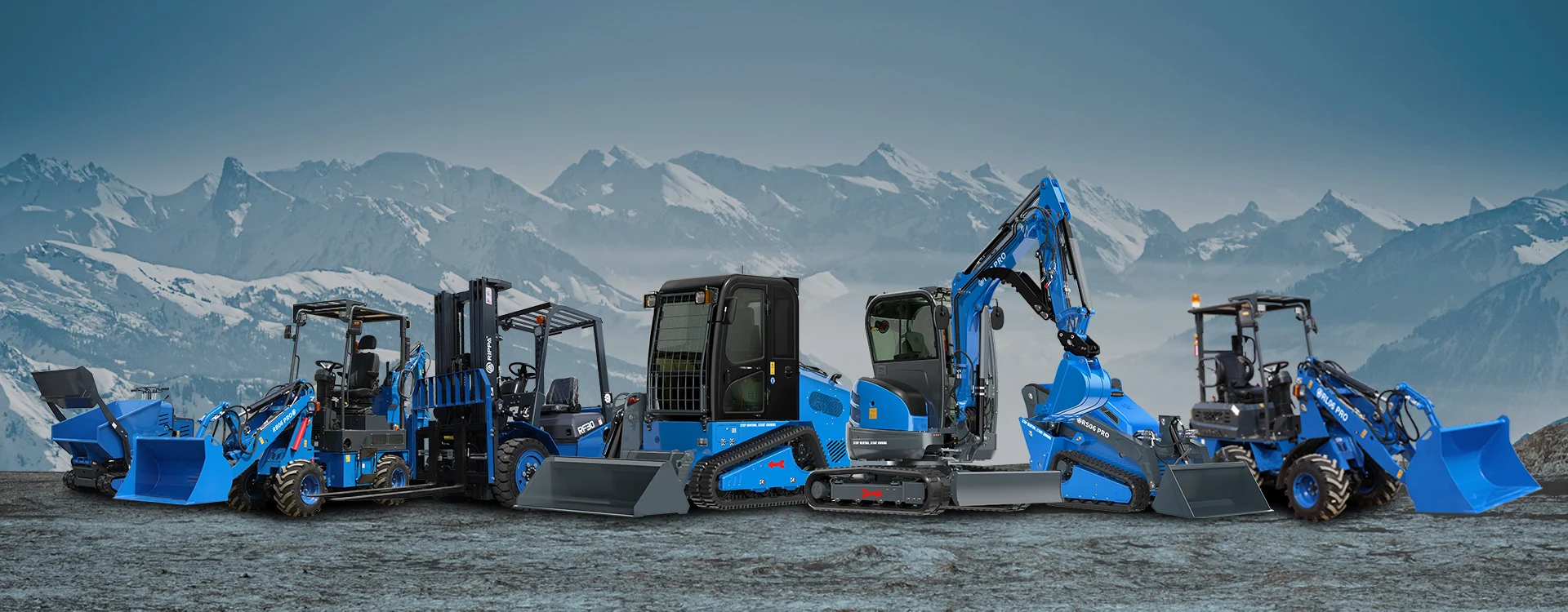
RIPPA is a Chinese construction machinery manufacturer serving international markets. Its equipment portfolio includes compact machinery for a range of construction and material-handling applications.
For importers and equipment distributors, contacting a manufacturer directly can help clarify product availability, purchasing arrangements, and potential distribution opportunities.
Businesses considering RIPPA should review the current product catalog and discuss their intended market, expected order volume, and commercial requirements with the company.
Visit the official RIPPA website to explore its construction equipment offerings and identify relevant products for your business.
When evaluating any potential supplier, compare the actual commercial terms, supply arrangements, documentation, and after-sales support rather than relying solely on general product descriptions.
Frequently Asked Questions
How do I find reliable Chinese mini skid steer dealers?
Research manufacturers and exporters through official websites, industry directories, and equipment exhibitions. Verify company information, request detailed quotations, and review export experience and after-sales arrangements before placing an order.
Is factory-direct purchasing suitable for mini skid steer loader importers?
Factory-direct purchasing may suit businesses seeking wholesale supply or repeat orders. Importers should compare total landed cost, order requirements, shipping responsibilities, and ongoing support before choosing a supplier.
What should dealers consider before importing mini skid steer loaders?
Dealers should assess local demand, product suitability, supplier reliability, import compliance, shipping costs, parts availability, and customer service requirements.
Can a mini skid steer loader manufacturer support overseas distributors?
Some manufacturers cooperate with overseas distributors. The availability of dealer programs and the conditions for participation vary by company, so buyers should confirm the details directly.
Final Thoughts
Sourcing a mini skid steer loader from China can help equipment dealers explore additional products and reach new customer segments. Success depends on choosing equipment that fits local demand and working with a supplier capable of supporting the business beyond the initial order.
For importers, the most effective approach is to research the market, compare qualified manufacturers, calculate total purchasing costs, and establish clear expectations for supply and after-sales support before committing to a long-term partnership.
 Home
 Products
 Email
 WhatsApp

