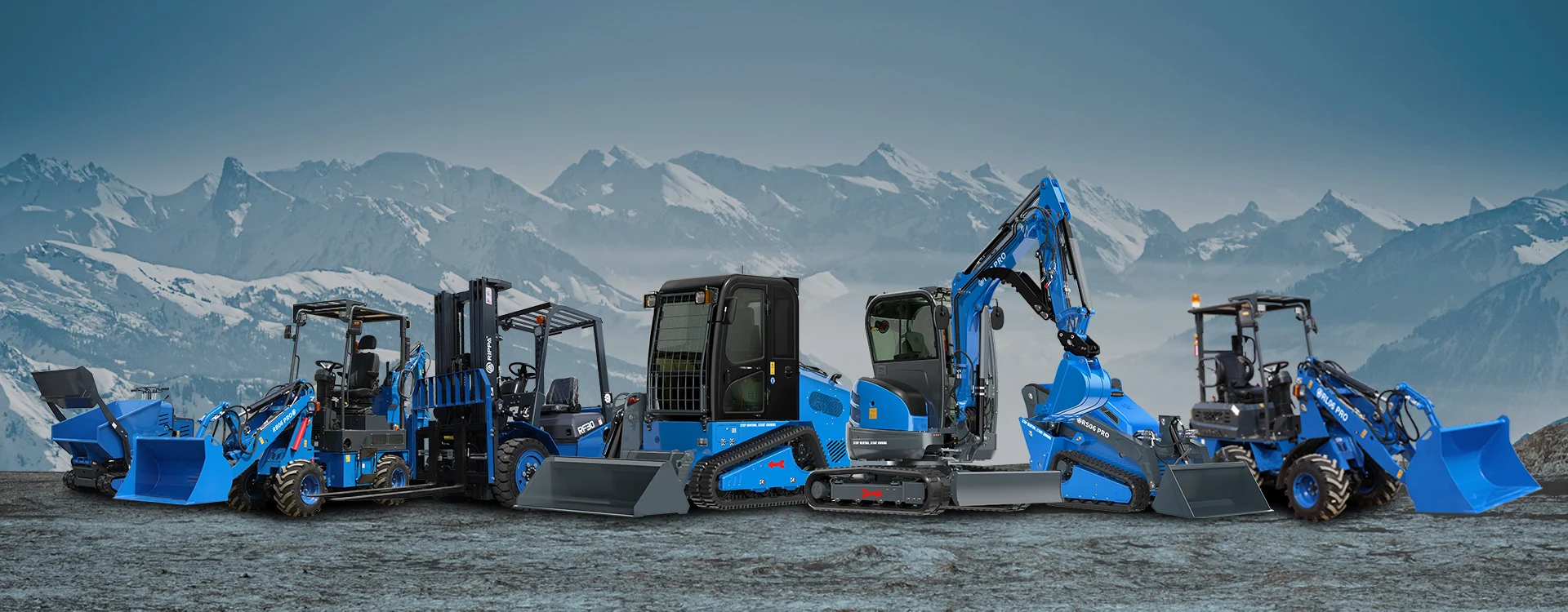
Buying Chinese Skid Steer Loaders in Bulk: A Practical Guide for Importers and Distributors
Buying Chinese skid steer loaders in bulk can help equipment distributors expand their product selection and establish new revenue opportunities. However, successful wholesale purchasing requires careful supplier evaluation, market research, cost planning, and logistics management.
For importers entering the compact construction equipment market, understanding the purchasing process is essential before committing to a large order.
This guide covers the key steps involved in sourcing skid steer loaders from Chinese manufacturers.
1. Identify Your Target Market Before Purchasing
The first step is understanding who will purchase the equipment in your region.
Different customer groups have different expectations and purchasing priorities.
Construction Contractors
Construction companies often look for compact equipment that can handle site preparation, material transportation, and general construction tasks.
Landscaping Businesses
Landscaping contractors may prioritize compact machines suitable for residential properties, outdoor maintenance, and restricted working areas.
Agricultural Customers
Farm operators may need skid steer loaders for moving materials, maintaining facilities, and handling daily farm operations.
Equipment Dealers
Machinery dealers usually focus on product availability, wholesale pricing, supplier reliability, and long-term parts support.
Identifying your main customer group helps determine which products and attachments deserve priority in your purchasing plan.
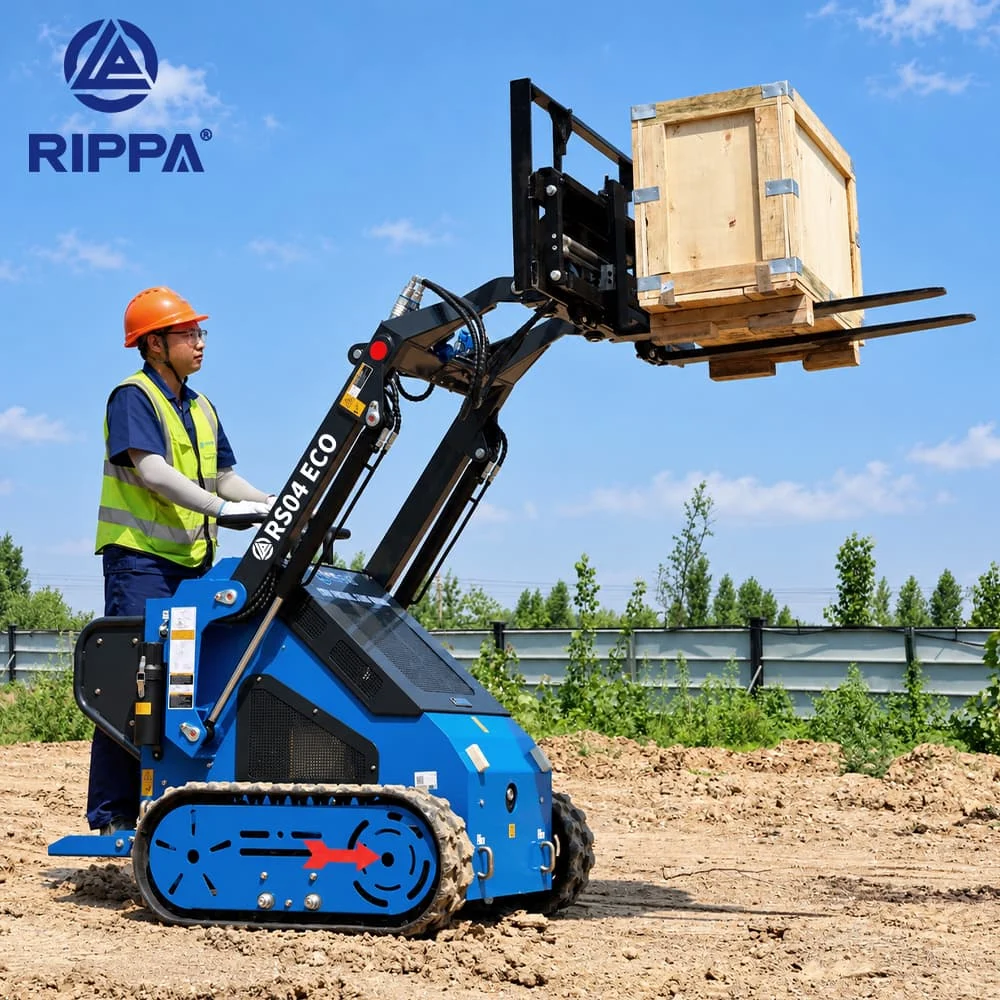
2. Find the Right Chinese Skid Steer Loader Supplier
Once you understand your target market, the next step is finding suitable suppliers.
Potential sourcing channels include:
- Direct manufacturer websites
- International machinery exhibitions
- B2B sourcing platforms
- Industry recommendations
- Established equipment distribution networks
However, supplier listings alone are not enough to establish credibility.
Verify the Manufacturer
Check whether the supplier has an actual production facility and can demonstrate manufacturing operations.
Review its company background, product portfolio, export history, and available business documentation.
Request a Detailed Quotation
A professional quotation should clearly identify the equipment configuration, included attachments, packaging arrangements, payment terms, delivery conditions, and applicable commercial terms.
Avoid comparing quotations that describe different product configurations.
Evaluate Communication Quality
A supplier should be able to answer technical and commercial questions clearly.
Reliable communication is particularly important when dealing with production schedules, order changes, shipping documents, and after-sales requests.
3. Understand the Total Cost of Importing
The purchase price is only one part of the total investment.
Before placing a bulk order, calculate the expected landed cost.
Important cost categories include:
| Cost Category | Description |
|---|---|
| Equipment price | Manufacturer’s quoted price |
| Transportation | International freight charges |
| Insurance | Cargo insurance when applicable |
| Customs | Applicable duties and import taxes |
| Port charges | Destination handling and related fees |
| Inland delivery | Transportation to the warehouse |
| Parts inventory | Initial spare parts investment |
Import duties and regulatory requirements vary by destination and product classification. US importers should confirm the applicable requirements before finalizing an order.
Calculating these expenses in advance helps distributors establish realistic wholesale and retail pricing.
4. Should You Purchase a Large Order Immediately?
Not every distributor should begin with a large shipment.
A purchasing strategy should reflect the company’s experience, available capital, warehouse capacity, and local customer demand.
Start with Market Validation
For businesses entering a new product category, an initial order can help evaluate customer response, product quality, and supplier communication.
Build a Repeat Purchasing Plan
Once demand becomes more predictable, distributors can establish repeat orders based on sales performance and inventory turnover.
Maintain a Suitable Parts Inventory
Spare parts planning should be included in the purchasing strategy.
Keeping commonly needed replacement components available can improve service efficiency and reduce customer waiting times.
5. Why After-Sales Support Matters in Bulk Purchasing
A wholesale order creates responsibilities that continue after the equipment arrives.
Dealers need to serve customers who may require product information, maintenance guidance, replacement components, or technical assistance.
Before choosing a Chinese skid steer loader supplier, discuss:
- Parts ordering and delivery procedures
- Technical documentation
- Warranty policies
- Product training
- Communication channels
- Service support arrangements
A supplier that understands distributor operations can help reduce the difficulties associated with managing multiple customer orders.
6. How to Build a Long-Term Equipment Distribution Business
Successful equipment distribution depends on more than purchasing machines at competitive prices.
A sustainable business requires a complete sales and service strategy.
Develop a Clear Product Portfolio
Offer equipment that matches the needs of your target customers rather than purchasing products without a defined market.
Build Local Brand Awareness
Use product demonstrations, customer case studies, online advertising, and industry events to introduce your equipment range.
Establish Reliable Supplier Relationships
Consistent communication and repeat purchasing can improve cooperation efficiency and help distributors plan future inventory.
Provide Local Customer Support
Customers value accessible product information and dependable parts assistance. Strong local service can distinguish your business from competitors.
7. Exploring Wholesale Cooperation with RIPPA
RIPPA is a Chinese construction machinery brand with an international business presence.
Its product range includes skid steer loaders, mini excavators, and other compact equipment for construction, agriculture, landscaping, and material handling applications.
For international importers and equipment dealers, RIPPA provides opportunities to explore wholesale purchasing and regional distribution cooperation.
Businesses can evaluate its equipment portfolio, discuss product availability, and learn about potential dealer support arrangements.
8. Frequently Asked Questions
Can I buy Chinese skid steer loaders in bulk directly from a factory?
Yes. Some Chinese manufacturers work directly with international importers and equipment distributors. Buyers should confirm factory ownership, wholesale policies, minimum order requirements, and export capabilities.
What documents should I request before importing?
Common documents may include a commercial invoice, packing list, bill of lading, certificate of origin when applicable, and relevant product compliance documentation. Requirements depend on the destination country and shipment.
How do I calculate the wholesale cost per machine?
Add the equipment purchase price, shipping, insurance, customs duties, port charges, inland delivery, and other applicable expenses. Divide the total shipment cost by the number of machines to estimate the landed cost per unit.
Is it better to buy skid steer loaders with attachments?
That depends on local customer demand. Some distributors prefer standard machines with separately selected attachments, while others offer complete equipment packages for specific applications.
Conclusion
Buying Chinese skid steer loaders in bulk offers opportunities for importers and machinery distributors, but successful purchasing requires careful preparation.
By researching local demand, verifying manufacturers, calculating landed costs, and planning after-sales support, buyers can establish a more reliable supply chain.
A long-term relationship with a capable manufacturer can provide the foundation for expanding an equipment distribution business.
 Home
 Products
 Email
 WhatsApp

