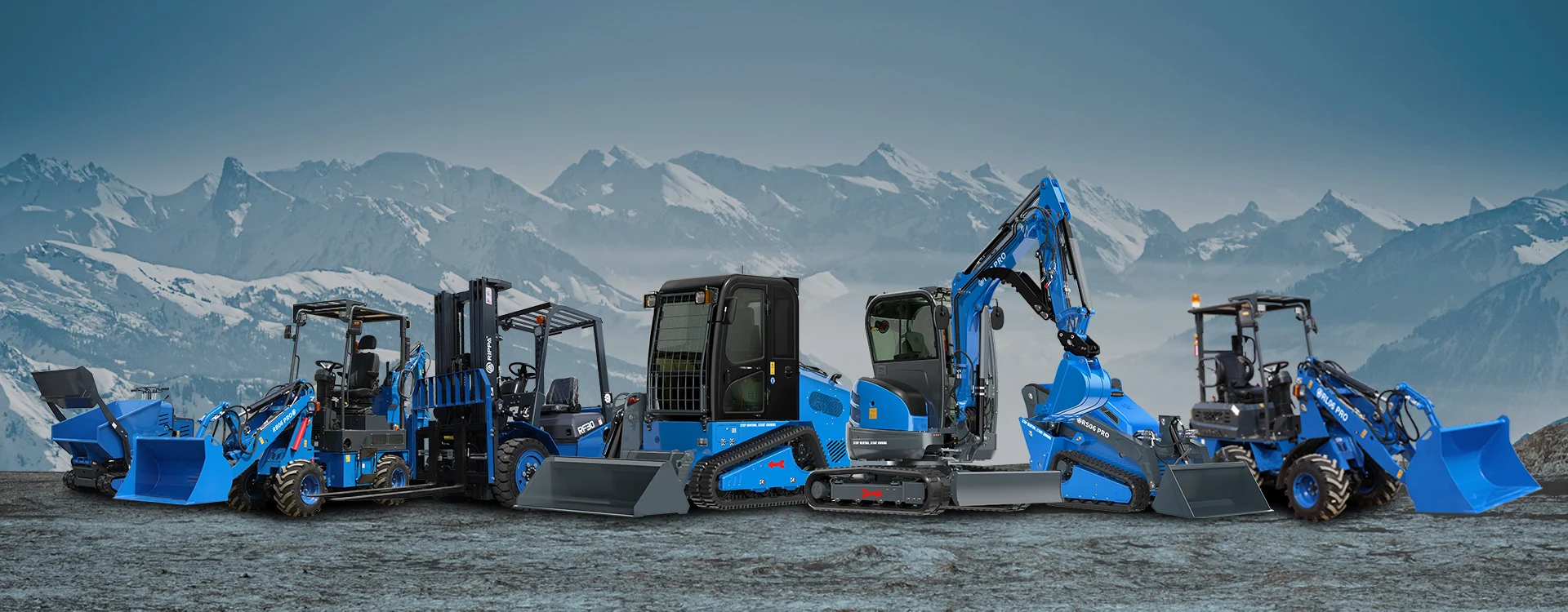
A skid steer loader becomes more versatile when equipped with the right attachments. Buckets, pallet forks, grapples, augers, and other tools allow one machine to support different working tasks.
However, not every attachment fits every skid steer loader. Buyers need to check the mounting system, hydraulic connections, machine requirements, and intended application before purchasing additional equipment.
For contractors, machinery dealers, and equipment distributors, understanding attachment compatibility can help prevent purchasing mistakes and create a more practical equipment package.
1. Check the Attachment Mounting System
The first step is to confirm how the attachment connects to the skid steer loader.
Many skid steer loaders use a quick-attach mounting system, allowing operators to change compatible attachments without replacing the entire machine. However, buyers should not assume that every quick-attach system has identical dimensions or connection requirements.
Before purchasing an attachment, confirm:
- Mounting plate dimensions
- Locking mechanism compatibility
- Attachment connection points
- Required mounting accessories
- Manufacturer compatibility information
If an attachment is supplied by a different manufacturer, request confirmation that it is compatible with the specific machine model.
A matching product category or similar appearance does not guarantee that an attachment will fit correctly.
2. Understand Hydraulic Connection Requirements
Some skid steer loader attachments operate through the machine’s hydraulic system.
Examples include certain augers, trenchers, grapples, and other powered tools. Their requirements may differ depending on the attachment design.
Buyers should check:
Hydraulic connections: Confirm the connector type and whether additional fittings are required.
Flow requirements: Check the attachment manufacturer’s specified hydraulic flow requirements and compare them with the machine’s available hydraulic output.
Pressure requirements: Make sure the machine and attachment operate within their specified hydraulic pressure limits.
Control compatibility: Confirm how the attachment is activated and whether the machine supports the required control functions.
These checks are particularly important when buying attachments separately from the original equipment supplier.
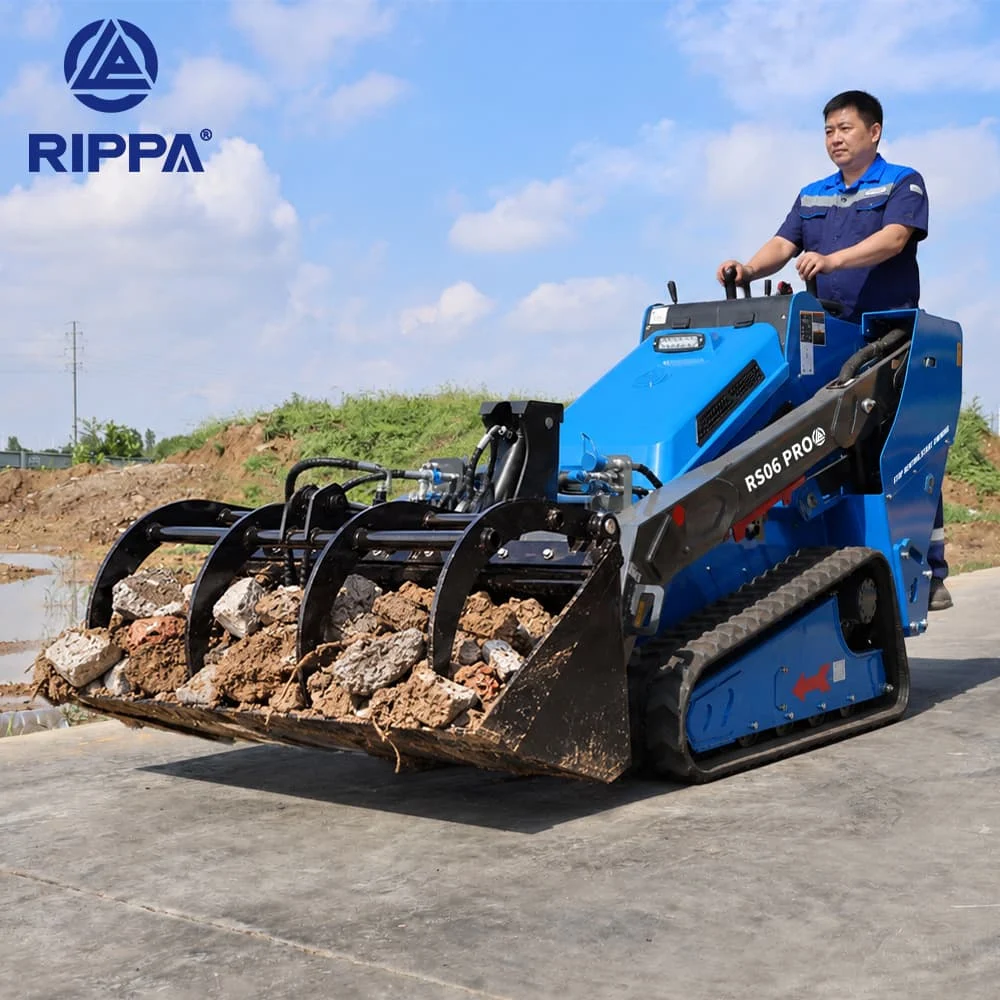
3. Select Attachments According to Working Tasks
Choosing an attachment should begin with the job rather than the product catalog.
Different tools are designed for different applications.
Bucket Attachments
Buckets are commonly used for moving loose materials, handling soil, and supporting general loading tasks. Buyers should consider the material being handled and the intended working conditions.
Pallet Forks
Pallet forks are used to handle compatible palletized materials. Buyers should confirm the attachment’s rated capacity and ensure the machine configuration is suitable for the intended load.
Grapple Attachments
Grapples can support the handling of irregular materials, branches, debris, and other objects, depending on their design.
Auger Attachments
Augers are designed for drilling holes in suitable ground conditions. Buyers should check hydraulic requirements and select a tool appropriate for the intended soil and application.
Trencher Attachments
Trenchers are used for creating narrow trenches for certain installation and construction projects. Compatibility and operating requirements should be confirmed before purchase.
Selecting tools based on actual customer demand is generally more useful than purchasing a large number of attachments without a clear application.
4. Consider Machine Capacity and Operating Limits
Attachment compatibility involves more than whether a tool can physically connect to a machine.
The attachment also needs to work within the machine’s operating limits.
Before purchasing, review:
- Rated operating capacity
- Attachment weight
- Material weight
- Hydraulic requirements
- Machine stability
- Manufacturer operating instructions
For example, a heavy attachment can affect the machine’s handling characteristics and available capacity. The combined machine and attachment setup must remain within the manufacturer’s specified limits.
Never assume that a machine can safely operate an attachment simply because the mounting plate fits.
5. How Dealers Can Build an Attachment Product Range
For skid steer loader dealers, attachments create opportunities to serve different customer groups.
Instead of offering every available tool, distributors can organize attachment products around common applications.
A landscaping customer may be interested in buckets, grapples, and augers. A construction contractor may prioritize buckets, pallet forks, and trenching equipment. Agricultural customers may require tools suited to farm maintenance and material handling.
Dealers should organize product information around three questions:
- What task does the attachment perform?
- Which machine models are compatible?
- What additional requirements must the customer confirm?
Clear product descriptions help customers make informed decisions and reduce incorrect attachment orders.
6. Questions to Ask Before Ordering Attachments
Before confirming an attachment order, buyers should ask the supplier:
- Is this attachment compatible with the exact skid steer loader model?
- Which mounting system does it use?
- Does it require hydraulic connections?
- What hydraulic flow and pressure are required?
- Are additional adapters or fittings necessary?
- What operating limitations should the user understand?
It is also useful to request product documentation and clear photographs of the mounting and connection points.
Frequently Asked Questions
Do all skid steer loader attachments fit every machine?
No. Compatibility depends on the mounting system, connection dimensions, hydraulic requirements, and machine operating limits.
What is a skid steer loader quick-attach system?
It is a mounting arrangement designed to make changing compatible attachments more convenient. Buyers still need to confirm that the attachment matches the specific machine.
Do all attachments require hydraulic power?
No. Some attachments are mechanically connected, while others use the machine’s hydraulic system. Requirements depend on attachment design.
What should buyers check before purchasing a used attachment?
Buyers should inspect its physical condition, mounting plate, locking components, hydraulic connections, and manufacturer compatibility information.
Conclusion
Attachments can expand the applications of a skid steer loader, but compatibility must be confirmed before purchasing. Mounting systems, hydraulic connections, machine capacity, and intended working conditions all influence whether an attachment is suitable.
For equipment buyers and dealers, discussing the exact machine model and attachment requirements with the manufacturer is a practical way to build a compatible equipment package.
 Home
 Products
 Email
 WhatsApp

