Introduction
The construction equipment industry offers opportunities for businesses interested in machinery sales, distribution, rental, and after-sales services.
However, becoming a construction equipment dealer does not necessarily mean starting an entirely new company.
Existing businesses may already have valuable resources, including:
- Local business customers
- Equipment sales experience
- Warehousing facilities
- Transportation resources
- Service technicians
- Established supplier relationships
These resources can provide a foundation for expanding into construction machinery distribution.
For entrepreneurs and established business owners, understanding how to become a construction equipment dealer is the first step toward evaluating this opportunity.
This guide explains the business model, product selection, manufacturer partnerships, inventory planning, and dealer development process.
1. What Does a Construction Equipment Dealer Do?
A construction equipment dealer connects machinery manufacturers with local customers.
Depending on the business model, a dealer may provide:
- New equipment sales
- Machinery distribution
- Equipment rentals
- Attachments and accessories
- Replacement parts
- Equipment demonstrations
- Maintenance services
- Customer technical support
Some dealers focus mainly on equipment sales, while others operate full-service machinery businesses.
The right model depends on local demand, available resources, and the manufacturer’s dealer requirements.
2. Which Businesses Can Become Construction Equipment Dealers?
Many existing businesses have opportunities to expand into construction equipment.
Existing Machinery Dealers
Businesses already selling excavators, loaders, tractors, or industrial equipment may introduce another machinery brand.
Equipment Rental Companies
Rental companies understand local equipment demand and may already have customer relationships with contractors.
They can evaluate opportunities to add equipment sales alongside rental operations.
Agricultural Equipment Dealers
Farm equipment businesses may serve customers who need compact machinery for drainage, land maintenance, property improvements, and construction-related applications.
Trailer Dealers
Trailer businesses often serve contractors and machinery owners.
Adding compact equipment may create opportunities to serve more of their existing customers.
Used Equipment Dealers
Used machinery dealers may consider adding new equipment products to complement their current inventory.
Equipment Repair Businesses
Companies with technicians, service vehicles, and existing machinery customers may evaluate whether equipment distribution fits their business capabilities.
3. What Products Should a Construction Equipment Dealer Sell?
Product selection should be based on local customer demand.
A compact equipment product range may include:
| Product | Potential Customer Groups |
|---|---|
| Mini Excavators | Contractors, landscapers, farms |
| Skid Steer Loaders | Construction companies, rental businesses |
| Wheel Loaders | Material handling and construction businesses |
| Forklifts | Warehouses and industrial customers |
| Attachments | Existing machinery owners and equipment dealers |
A dealer does not need to introduce every category immediately.
Starting with a focused product range can make inventory management and sales development easier.
4. How Do You Find the Right Equipment Manufacturer?
Choosing a manufacturer is one of the most important decisions.
Evaluate:
- Manufacturing capabilities
- Product range
- Available technical documentation
- Export experience
- Parts availability
- Warranty procedures
- Dealer cooperation arrangements
- Communication and support
Request product catalogs, model specifications, quotations, and relevant compliance documents.
If possible, arrange a factory visit or a virtual factory presentation.
A long-term dealer relationship requires more than a competitive equipment price.
5. How Much Inventory Does a New Equipment Dealer Need?
Inventory requirements depend on the business model.
Consider:
- Local market demand
- Available capital
- Storage space
- Demonstration requirements
- Product availability
- Shipping arrangements
- Customer purchasing patterns
Some dealers may begin with selected demonstration machines and expand inventory after developing local demand.
Others may have sufficient resources to maintain several machine categories and replacement parts.
The appropriate starting inventory should be discussed with the manufacturer.
6. Why Are Warehousing and Local Delivery Important?
Customers often consider more than the machine itself.
They also want to understand how equipment will be delivered and supported.
A dealer with suitable storage and delivery arrangements may provide:
- Faster local equipment access
- Convenient customer collection
- Product demonstrations
- Equipment delivery
- Better inventory visibility
These capabilities can help establish a professional local dealership.
7. How Can Dealers Develop Their Customer Base?
A construction equipment dealer can approach several customer groups.
Examples include:
- Construction contractors
- Landscaping companies
- Agricultural businesses
- Rental operators
- Property maintenance companies
- Machinery buyers
- Other equipment dealers
Online visibility, local networking, product demonstrations, and customer referrals can all contribute to business development.
A dealer should also publish product information and practical equipment applications on its website and social media channels.
8. Why Consider RIPPA as a Machinery Manufacturing Partner?
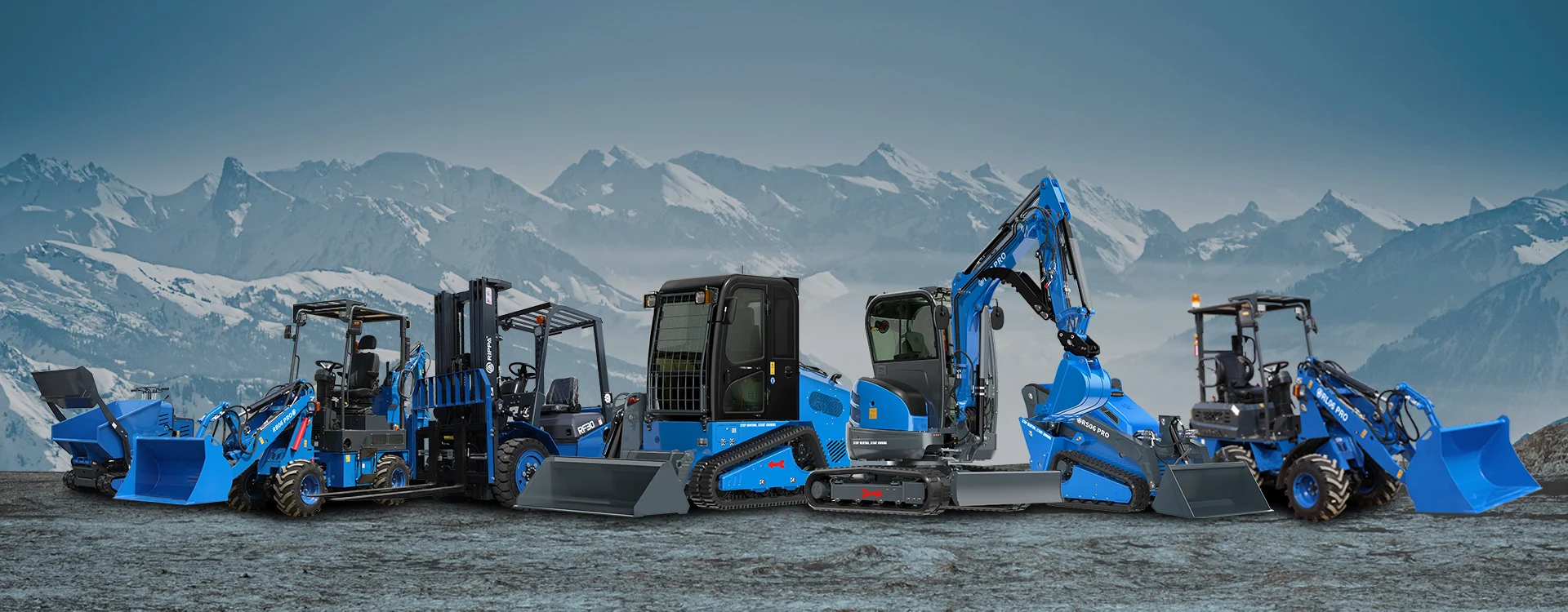
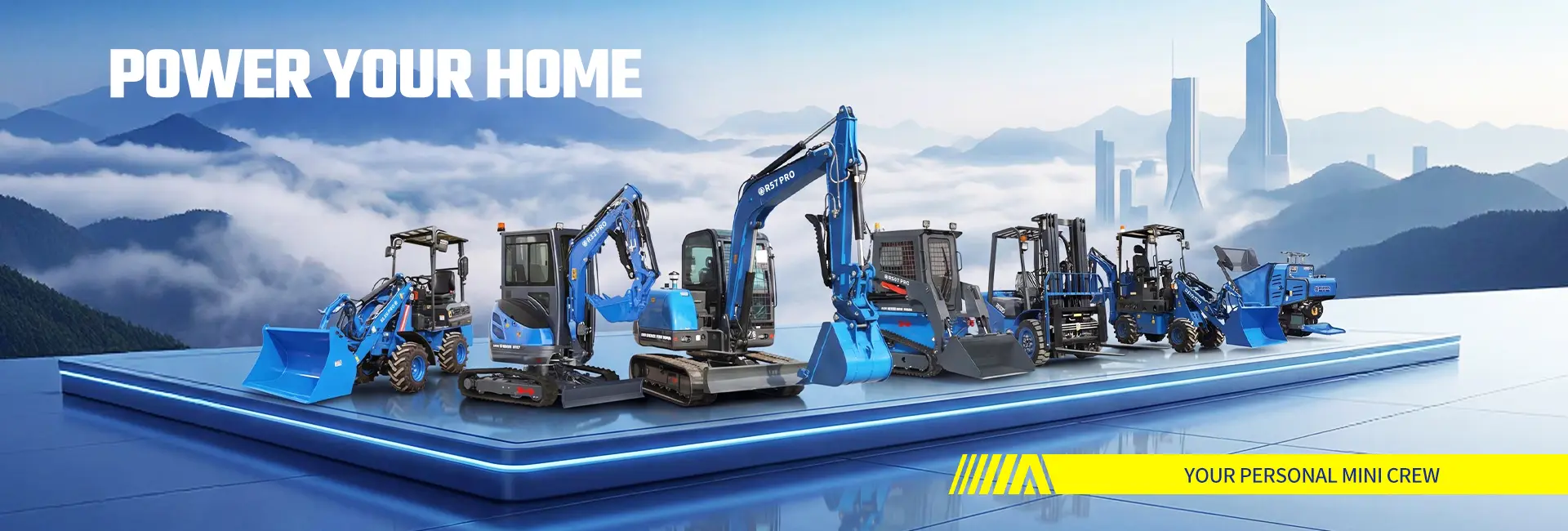
RIPPA is a construction machinery manufacturer offering compact equipment categories that include mini excavators, skid steer loaders, wheel loaders, forklifts, and related attachments.
For businesses interested in developing a compact equipment product line, this provides an opportunity to evaluate several related machinery categories through one manufacturing relationship.
Potential cooperation areas include:
- Equipment purchasing
- Wholesale supply
- Product selection
- Dealer development
- Parts and technical support
- Regional distribution opportunities
Specific commercial arrangements should be confirmed directly with RIPPA.
9. What Should You Prepare Before Applying?
A potential dealer should prepare:
- Company introduction.
- Business website or social media page.
- Country and proposed sales territory.
- Existing product categories.
- Main customer groups.
- Available showroom or warehouse facilities.
- Sales and service capabilities.
- Expected purchasing quantity.
- Preferred equipment categories.
These details help the manufacturer understand the applicant’s business and evaluate potential cooperation.
Frequently Asked Questions
Can I become a construction equipment dealer without previous excavator sales experience?
Potentially. Existing business resources, customer access, commercial experience, and service capabilities may help an applicant demonstrate suitability.
Can a rental company become an equipment dealer?
Yes, rental companies can explore equipment distribution if they have suitable business resources and meet the manufacturer’s requirements.
Do equipment dealers need a warehouse?
Requirements vary by manufacturer and dealership model. Storage and inventory capabilities can be valuable for local distribution.
Can I sell several equipment categories?
Many equipment dealerships offer multiple machinery categories. Product availability and dealer arrangements should be confirmed with the manufacturer.
How do I apply to become a RIPPA dealer?
Contact RIPPA through its official website and provide your company information, location, business background, and proposed cooperation plans.
Conclusion
Becoming a construction equipment dealer can be an opportunity for both new entrepreneurs and established businesses.
Companies with existing machinery customers, warehouses, sales channels, rental fleets, or service teams may already have some of the resources needed to explore equipment distribution.
RIPPA offers an opportunity for qualified businesses to explore cooperation across compact excavators and other construction machinery categories.
If you are interested in expanding your existing business into construction equipment, explore the possibility of becoming a RIPPA dealer and building a long-term manufacturing partnership.
 Home
 Products
 Email
 WhatsApp

