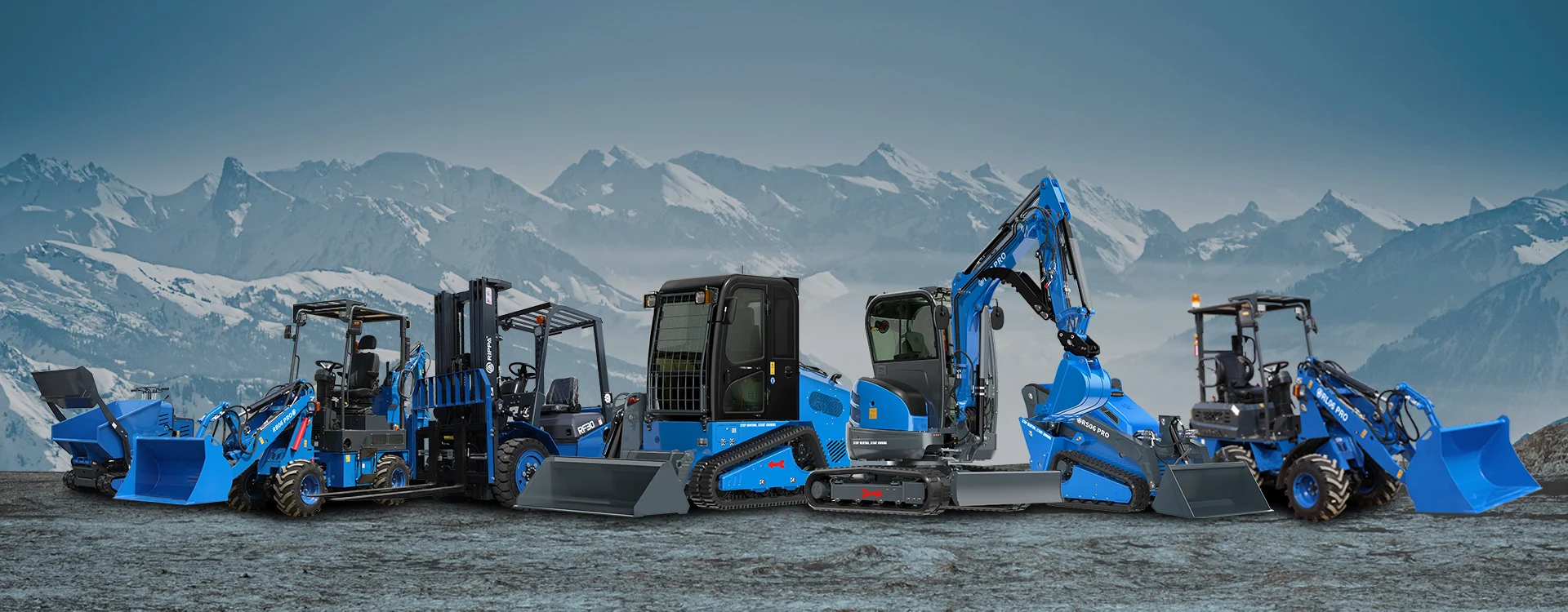
Chinese Skid Steer Loader vs. Other Sourcing Options: What International Buyers Should Compare
When purchasing a skid steer loader, international buyers may consider manufacturers from different countries, local equipment dealers, and overseas suppliers. Each sourcing option can involve different commercial terms, product choices, communication processes, and delivery arrangements.
A Chinese skid steer loader may be one option for importers and machinery distributors looking to expand their equipment sourcing channels. However, the right purchasing decision should be based on the actual requirements of the business rather than the country of origin alone.
This guide explains how to compare equipment sourcing options and identify the factors that matter before placing an order.
1. Compare the Available Product Range
The first step is to understand what each supplier can actually offer.
Different manufacturers may focus on different machine categories, configurations, and customer applications.
When comparing Chinese skid steer loader suppliers with other sourcing options, examine:
- Available machine configurations
- Wheeled and tracked options
- Operator station choices
- Compatible attachments
- Product documentation
- Application suitability
A broader product range can be useful for distributors serving different customer groups. However, product availability should always be confirmed for the specific model and order.
Rather than comparing general product catalogs, request information about the equipment that matches your intended applications.
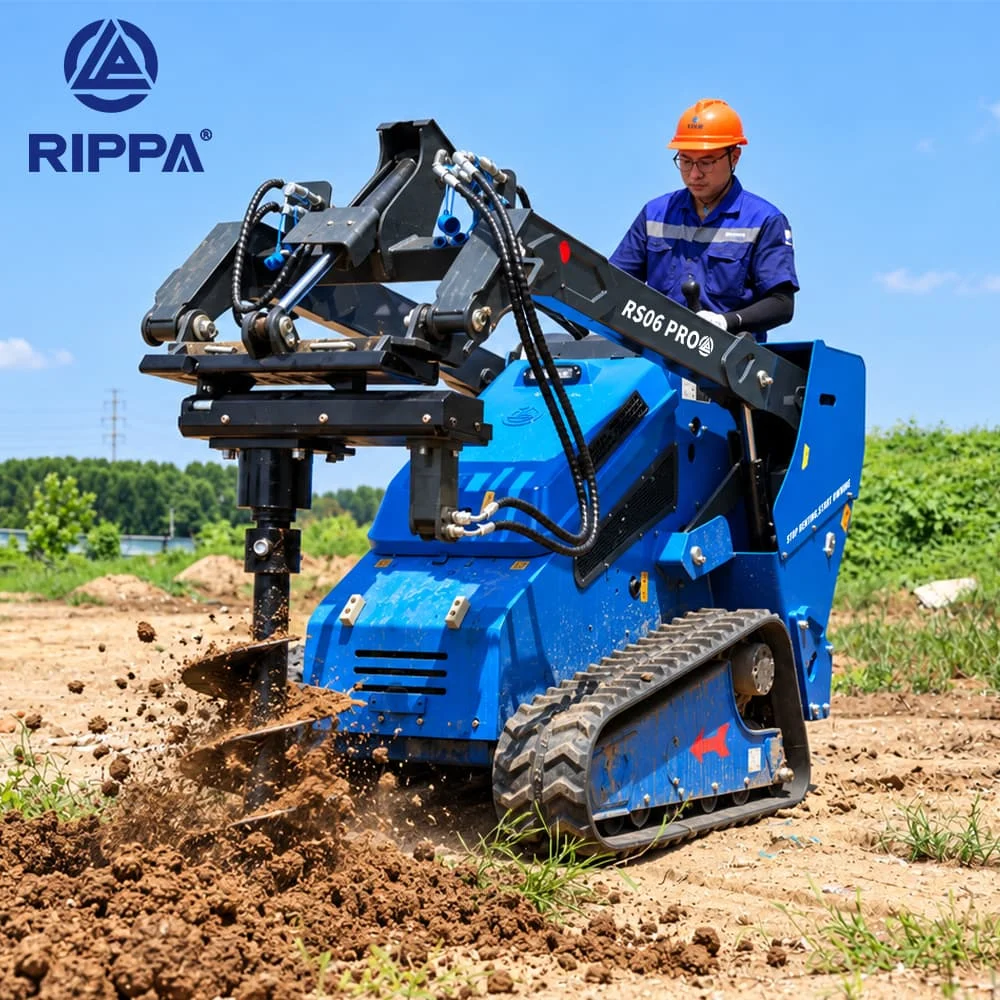
2. Evaluate the Supplier’s Business Model
The company selling the machine may be a manufacturer, trading company, exporter, or local distributor.
Understanding this relationship helps buyers know who is responsible for production, order coordination, documentation, and after-sales communication.
Before purchasing, ask:
- Does the company manufacture the equipment directly?
- Does it work with external manufacturing partners?
- Who confirms the machine configuration?
- Who manages quality inspections?
- Who handles export documentation?
- Who is responsible for warranty communication?
There is no single business model that is automatically suitable for every buyer. What matters is understanding the supplier’s actual responsibilities and whether they match your purchasing requirements.
3. Compare the Total Purchasing Cost
The lowest machine quotation does not necessarily represent the lowest overall cost.
International buyers should compare the complete purchasing arrangement.
| Cost category | What to check |
|---|---|
| Equipment price | Confirm the exact machine configuration |
| Attachments | Identify included and optional equipment |
| Packaging | Confirm export packaging arrangements |
| Freight | Review transportation costs |
| Insurance | Check whether cargo insurance is included |
| Import expenses | Review duties, taxes, and customs charges |
| Local delivery | Include transportation to the final destination |
When comparing a Chinese skid steer loader with locally sourced equipment, make sure both quotations use comparable configurations and include clearly defined commercial terms.
This avoids making purchasing decisions based on incomplete price information.
4. Review Documentation and Import Requirements
Documentation is an important part of international equipment sourcing.
Before purchasing, identify the requirements of the destination country and confirm which documents the supplier can provide.
Depending on the transaction and market, buyers may need:
- Commercial invoices
- Packing lists
- Shipping documents
- Product specifications
- Operation manuals
- Maintenance instructions
- Applicable conformity documentation
Requirements can vary between countries and equipment configurations.
Buyers should verify local import and regulatory requirements before finalizing an order. A general statement that a product is suitable for export should not replace checking the actual documents.
5. Evaluate Communication and Order Transparency
Supplier communication can influence the efficiency of the purchasing process.
International buyers often need to confirm product details, order quantities, packaging, production progress, and shipping arrangements.
When evaluating suppliers, consider whether they:
- Provide clear written quotations
- Confirm configurations before production
- Explain commercial terms
- Communicate order updates
- Provide relevant product documentation
- Respond clearly to purchasing questions
Clear communication is particularly important for repeat orders. Consistent documentation makes it easier to compare previous purchases and coordinate future requirements.
6. Compare Parts and Support Arrangements
Equipment sourcing should include a review of what happens after the machine arrives.
Ask each supplier about available replacement parts, parts identification, maintenance documentation, and technical communication procedures.
For local dealers, also consider whether they can establish a practical service arrangement for customers.
A supplier comparison should include the actual support process rather than relying on general claims about customer service.
7. Choose the Sourcing Option That Fits Your Business
Different buyers have different priorities.
An individual contractor may focus on the equipment’s suitability for a specific job. An importer may prioritize landed costs and documentation. A distributor may place greater importance on repeat-order coordination and parts arrangements.
Before making a decision, rank your most important purchasing factors:
- Product suitability for intended applications.
- Total purchasing and delivery costs.
- Supplier business background.
- Product documentation and compliance.
- Order communication and transparency.
- Replacement parts and support arrangements.
- Potential for long-term cooperation.
This approach provides a more practical basis for comparing a Chinese skid steer loader with alternative sourcing options.
FAQ: Chinese Skid Steer Loader Sourcing
Why do international buyers consider Chinese skid steer loaders?
Chinese manufacturers represent one of several equipment sourcing options for international buyers. Importers may evaluate their product ranges, quotations, manufacturing information, and export arrangements.
Should buyers purchase directly from a manufacturer or through a distributor?
The choice depends on order size, local support requirements, commercial terms, and the buyer’s business model. Buyers should clarify each company’s responsibilities before placing an order.
Is a factory quotation the same as the final import cost?
No. International purchasing may also involve freight, insurance, customs charges, import duties, taxes, and local transportation.
What should importers compare between different skid steer loader suppliers?
Compare machine configurations, included attachments, documentation, supplier responsibilities, commercial terms, parts arrangements, and total landed costs.
How can buyers reduce sourcing risks?
Request detailed written quotations, verify supplier information, confirm product requirements, review applicable import regulations, and document important commercial agreements.
Conclusion
Choosing a Chinese skid steer loader requires more than comparing countries of origin or advertised prices. International buyers should evaluate product suitability, supplier responsibilities, total purchasing costs, documentation, communication, and support arrangements.
A structured sourcing comparison helps importers and distributors make better purchasing decisions and identify suppliers that fit their long-term business requirements.
RIPPA welcomes inquiries from international equipment buyers and distributors interested in skid steer loader products. Contact the team to discuss product information and purchasing requirements.
 Home
 Products
 Email
 WhatsApp

