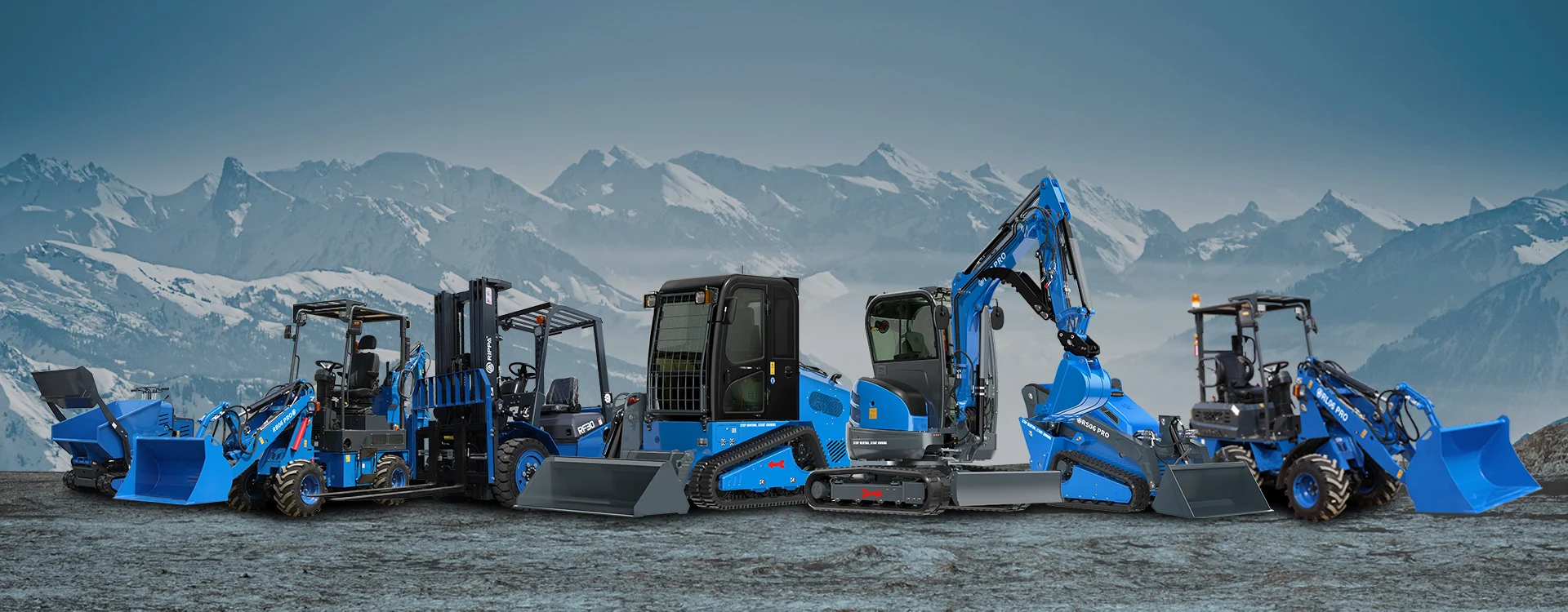
How Equipment Dealers Can Build a Skid Steer Loader Product Portfolio
For construction machinery distributors, adding a Chinese skid steer loader to an existing product portfolio can create opportunities to reach new customers and serve additional applications.
However, building a successful product range requires more than selecting several machines from a supplier’s catalog. Dealers need to understand customer requirements, organize product categories, identify suitable attachments, and develop a realistic inventory strategy.
A well-planned portfolio makes it easier for sales teams to explain product differences and recommend equipment according to customer needs.
1. Understand Your Existing Customer Base
Before introducing skid steer loaders, examine the customers already purchasing equipment from your business.
Existing customer relationships may reveal opportunities to expand your product range.
For example:
- Excavator customers may also need compact material-handling equipment.
- Landscaping contractors may require loaders for soil and debris movement.
- Agricultural businesses may need equipment for handling materials.
- Construction companies may be interested in additional machinery for smaller jobsites.
- Equipment resellers may be looking for new products to distribute.
Review previous inquiries, customer purchasing patterns, and requests for equipment categories that are not currently available.
This helps identify whether a skid steer loader product line fits your existing market.
2. Organize Your Product Range Around Customer Needs
A product portfolio should make it easier for buyers to identify suitable equipment.
Instead of presenting every machine in the same way, organize products according to meaningful purchasing differences.
Configuration Categories
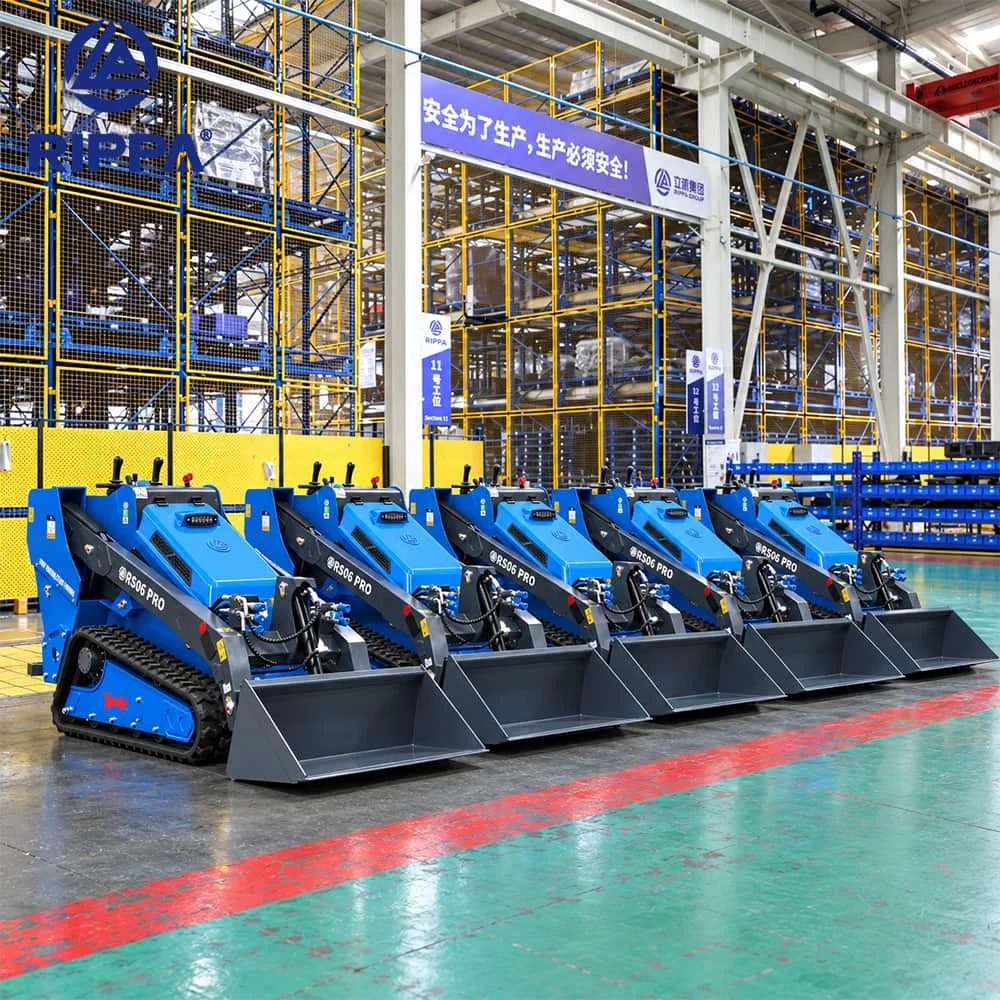
Depending on the manufacturer’s available range, dealers may organize products by wheeled or tracked configuration.
Application Categories
Product information can also be grouped around construction, landscaping, agriculture, and material handling.
Attachment Options
A separate attachment section can help customers understand which tools may be available for different jobs.
The important point is to present only verified product options and confirmed compatibility information.
A clear structure helps sales teams avoid recommending equipment based on assumptions.
3. Develop a Balanced Product Portfolio
A dealer’s product range should reflect local demand and available resources.
Holding too many machine variations can make inventory management difficult, while offering too few choices may limit the ability to serve different customers.
When planning a Chinese skid steer loader portfolio, consider:
- Products with demonstrated local customer demand
- Configurations suited to common working environments
- Attachment combinations requested by customers
- Available storage and handling capacity
- Expected sales volume
- Replacement parts requirements
- Available working capital
Dealers should distinguish between products intended for regular inventory and configurations that can be ordered according to specific customer requirements.
This creates a more manageable purchasing strategy.
4. Use Product Comparisons to Help Customers Choose
Customers often compare several machines before contacting a dealer.
Clear comparison information can help them understand which equipment is appropriate for their work.
A useful comparison may include:
| Comparison point | Customer consideration |
|---|---|
| Machine configuration | Wheeled or tracked requirements |
| Working environment | Ground conditions and access |
| Dimensions | Available working space |
| Operating requirements | Intended tasks and workload |
| Attachments | Tools needed for specific applications |
| Maintenance | Routine service requirements |
| Documentation | Available product and operating information |
Avoid comparing equipment using unverified specifications or making claims that cannot be supported by product documentation.
Accurate information helps build customer confidence and reduces misunderstandings during the sales process.
5. Create a Consistent Sales Process
Once the product portfolio is established, sales teams need a repeatable process for handling inquiries.
A practical sales process can include:
Step 1: Understand the application
Ask customers what tasks they need to perform and where the equipment will operate.
Step 2: Identify the required configuration
Discuss relevant machine options and confirm which configurations are available.
Step 3: Review attachment requirements
Identify the tools needed and verify compatibility.
Step 4: Prepare a detailed quotation
Clearly list the equipment, included attachments, optional items, and commercial terms.
Step 5: Confirm purchasing arrangements
Document delivery responsibilities, payment conditions, and relevant order details.
Step 6: Maintain customer communication
Follow up on product questions, delivery coordination, and post-purchase support.
A consistent process makes it easier for dealers to manage inquiries from different customer groups.
6. Build an Online Catalog That Supports Sales
An online product catalog should help potential buyers understand the available equipment before contacting the sales team.
For each Chinese skid steer loader, dealers should consider providing:
- Accurate product photographs
- Confirmed machine information
- Available configuration options
- Suitable application descriptions
- Verified attachment information
- Operation and maintenance resources, where available
- A clear inquiry method
Product pages should answer practical customer questions instead of relying on generic promotional language.
Dealers can also publish supporting articles about equipment selection, applications, and purchasing considerations to reach buyers at different stages of their research.
7. Review Portfolio Performance Regularly
A product portfolio should be adjusted according to actual business performance.
Dealers can review:
- Number of inquiries by product category
- Qualified purchasing inquiries
- Quotation requests
- Customer objections
- Confirmed orders
- Inventory turnover
- Frequently requested attachments
- Repeat purchasing activity
These indicators help identify which products attract genuine commercial interest and which require better positioning or reconsideration.
For distributors sourcing from China, regular communication with the manufacturer can also help coordinate future product requirements.
FAQ: Chinese Skid Steer Loader Distribution
Why should equipment dealers add skid steer loaders to their product range?
Skid steer loaders serve construction, landscaping, agriculture, and material-handling applications. They may help dealers reach additional customers when local demand supports the product category.
How many skid steer loader models should a dealer stock?
There is no universal number. Inventory decisions should reflect customer demand, available capital, storage capacity, product differences, and expected sales volume.
What should a skid steer loader product catalog include?
It should provide accurate product information, photographs, configuration details, application descriptions, compatible attachment information, and a clear way to request a quotation.
How can dealers choose the right product mix?
Review existing customer needs, local competition, common applications, purchasing inquiries, and inventory resources before selecting products.
What should distributors discuss with a Chinese skid steer loader manufacturer?
They should confirm available configurations, product documentation, commercial terms, order coordination, parts arrangements, and responsibilities for customer support.
Conclusion
Building a Chinese skid steer loader product portfolio requires a clear understanding of customer demand, equipment configurations, inventory resources, and sales capabilities.
For international machinery dealers, a focused product range supported by accurate information and a consistent sales process can make equipment distribution easier to manage.
RIPPA welcomes inquiries from overseas machinery dealers, importers, and distributors interested in skid steer loader products and potential business cooperation.
 Home
 Products
 Email
 WhatsApp

