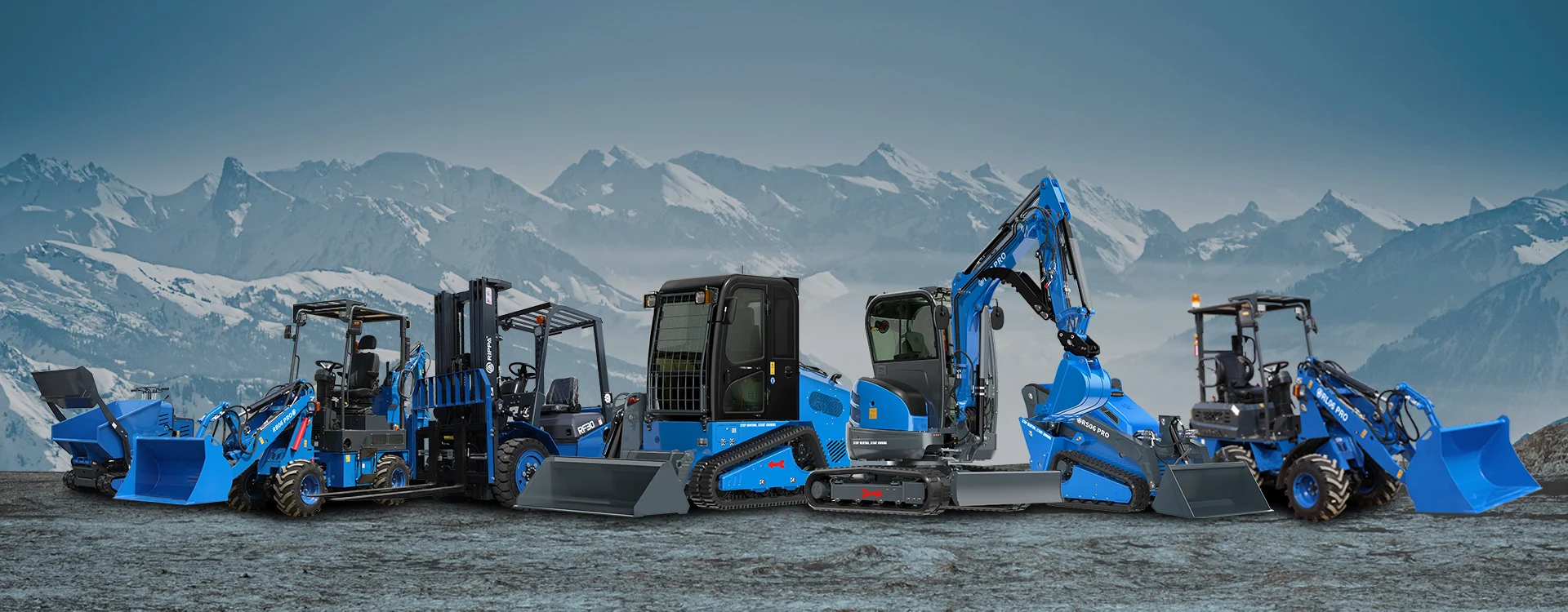
Why Daily Inspection Matters for a Chinese Skid Steer Loader
A daily inspection helps operators identify potential problems before a skid steer loader enters the jobsite. Even when a machine appears to be operating normally, loose components, fluid leaks, damaged hoses, or worn attachments may affect its performance and safety.
For equipment dealers, contractors, and fleet managers, establishing a consistent inspection routine also makes maintenance easier to organize. It provides a clear record of equipment condition and helps reduce unexpected interruptions during working hours.
A Chinese skid steer loader should be inspected according to its manufacturer’s operation and maintenance manual. The following checklist provides a practical starting point for routine pre-operation checks.
1. Check the Exterior and Undercarriage
Start with a visual inspection before entering the operator station.
Check the following areas:
- Look for visible damage to the frame, lift arms, and protective structures.
- Check whether bolts, pins, and other accessible fasteners appear loose or missing.
- Remove accumulated mud, stones, and debris from areas where they could interfere with moving components.
- Inspect tires for cuts, unusual wear, and visible damage.
- For track-type machines, examine the tracks and undercarriage for excessive wear, damage, or trapped debris.
The inspection should also include the working environment. Make sure there are no obstacles, leaking fluids, or other hazards around the machine.
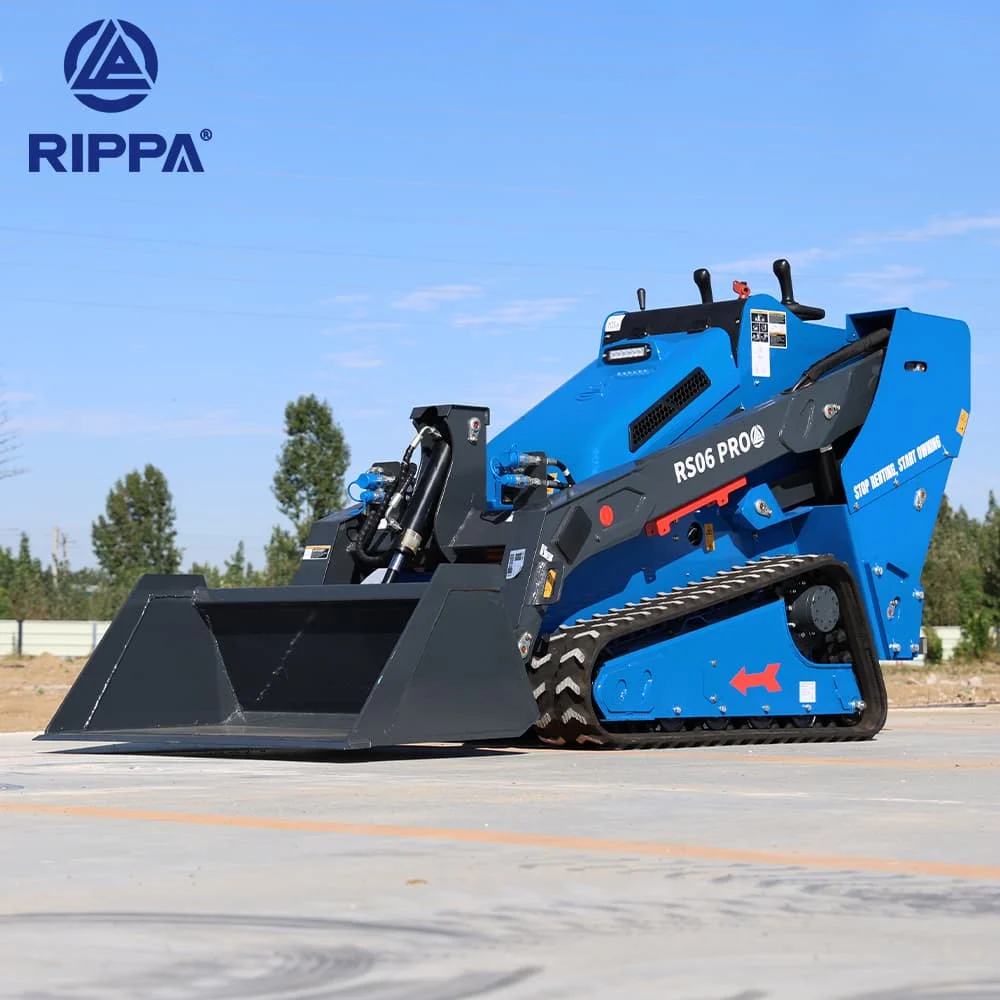
2. Inspect Engine Compartments and Fluid Levels
Before starting the engine, inspect accessible fluid reservoirs and compartments.
Depending on the machine design, routine checks may include:
- Engine oil level
- Coolant level
- Hydraulic fluid level
- Fuel level
- Visible leaks around hoses, connections, and reservoirs
Check fluid levels using the procedures specified in the operator’s manual. Some measurements require the machine to be parked on level ground or the engine to be shut down and cooled.
Do not open a hot cooling system. If an unusual leak, low fluid level, or damaged hose is found, investigate the issue before operating the equipment.
3. Examine Hydraulic Hoses and Attachments
Hydraulic systems are essential to lifting, steering, and operating many skid steer loader attachments. A visual inspection can help identify problems before they interrupt a task.
Pay attention to:
- Cracked, damaged, or leaking hydraulic hoses
- Loose or visibly damaged connections
- Signs of hydraulic fluid around cylinders
- Damaged attachment mounting points
- Unusual wear on buckets, forks, or other working tools
Make sure the attachment is compatible with the machine and securely connected according to the manufacturer’s instructions.
Never use your hands to search for a hydraulic leak. High-pressure hydraulic fluid can cause serious injuries. Suspected leaks should be handled using appropriate safety procedures by qualified personnel.
4. Test Controls and Safety Features
After completing the stationary visual inspection, follow the manufacturer’s starting procedure.
Before moving the machine, check that the operator controls and safety systems function correctly.
Important items include:
- Seat belt and restraint system
- Operator presence controls
- Parking brake
- Steering controls
- Lift and tilt functions
- Warning indicators and display
- Backup alarm or other warning devices, where equipped
If a safety device does not work as intended, stop and arrange an inspection before returning the machine to service.
Operators should also confirm that the cab or operator station is clean, visibility is adequate, and mirrors or cameras are adjusted where provided.
5. Complete a Short Functional Check
Once the initial checks are complete, conduct a controlled functional check in a clear area.
Observe whether the machine starts normally and whether unusual noises, warning lights, vibration, or irregular movement appear.
Test the basic machine functions at a safe speed and without unnecessary load. Check that the steering, lift arms, and attachment controls respond as expected.
Do not continue operating if the machine shows abnormal behavior. Record the issue and follow the manufacturer’s troubleshooting instructions.
6. Keep a Daily Inspection Record
A checklist is more useful when operators complete it consistently.
A simple inspection record can include:
| Inspection Area | What to Record |
|---|---|
| Exterior | Damage, loose parts, debris |
| Tires or tracks | Wear, cuts, visible damage |
| Engine compartment | Fluid levels and visible leaks |
| Hydraulic system | Hose condition and leakage |
| Attachments | Mounting, damage, and compatibility |
| Safety systems | Seat belt, controls, warning devices |
| Functional check | Abnormal sounds or movement |
| Follow-up | Reported issues and corrective actions |
For businesses operating several machines, these records help supervisors identify recurring problems and organize maintenance schedules.
7. Common Inspection Mistakes to Avoid
Even experienced operators can overlook important checks when they are in a hurry.
Common mistakes include:
- Starting work without checking for visible leaks.
- Ignoring unusual noises or warning indicators.
- Using damaged or improperly connected attachments.
- Failing to remove debris from moving components.
- Continuing operation after identifying a safety-related fault.
- Completing inspections without recording problems.
A consistent process is more reliable than checking only the components that caused problems previously.
Frequently Asked Questions
How often should a skid steer loader be inspected?
Operators should perform pre-operation checks before daily use and follow the inspection intervals specified in the manufacturer’s maintenance schedule. Additional checks may be necessary after demanding jobs or unusual operating conditions.
What should be checked before starting a Chinese skid steer loader?
Begin with the exterior, tires or tracks, accessible fluid levels, hydraulic hoses, attachments, and visible safety components. After starting, check warning indicators and basic operating functions.
Why should hydraulic hoses be inspected regularly?
Damaged or leaking hydraulic hoses can affect machine operation and create safety hazards. Regular visual checks help identify visible problems before they become more serious.
Should operators keep inspection records?
Yes. Records help fleet managers track equipment condition, identify repeated faults, and coordinate maintenance across multiple machines.
Can a machine be operated if a safety control is not working?
No. A machine with a malfunctioning safety device should be taken out of service until the problem has been evaluated and corrected according to the manufacturer’s instructions.
Conclusion
Daily inspection is a straightforward but important part of operating a Chinese skid steer loader. Checking the exterior, fluid levels, hydraulic components, attachments, safety systems, and basic functions helps operators recognize potential issues before beginning work.
For contractors and equipment dealers, a documented inspection routine also supports more consistent fleet management and maintenance planning. Following the machine’s operation manual and addressing abnormal conditions promptly should remain part of every working-day procedure.
 Home
 Products
 Email
 WhatsApp

