What Determines Skid Steer Loader Productivity?
A skid steer loader’s productivity is not determined by machine size or operating speed alone. On a construction site, actual output depends on how effectively the equipment completes repeated tasks, moves materials, works with attachments, and fits into the overall jobsite workflow.
For contractors and equipment buyers evaluating a Chinese skid steer loader, understanding these factors is important before making a purchasing decision. A machine that fits the application and working environment can help reduce unnecessary movement and improve daily work organization.
Instead of judging productivity by specifications alone, buyers should consider how the equipment performs during real working conditions.
1. Evaluate the Complete Work Cycle
A typical material-handling task involves several steps:
- Positioning the machine near the material.
- Approaching and collecting the load.
- Lifting and transporting the material.
- Reaching the unloading location.
- Discharging the material.
- Returning to the next loading position.
Each step contributes to the total work cycle.
If a machine spends too much time traveling between loading and unloading areas, overall productivity may decrease even when the loading operation itself is efficient.
Contractors can observe several repeated cycles under comparable conditions to understand where time is being spent. This makes it easier to identify unnecessary movement, poor loading arrangements, or unsuitable working routes.
2. Consider the Material Being Handled
Different materials create different working demands.
For example, loose soil, gravel, construction debris, landscaping materials, and palletized goods may require different attachments and operating methods.
Before selecting a Chinese skid steer loader, consider:
- The type of material being moved.
- The typical volume handled per cycle.
- Whether the material is loose, compacted, or irregular.
- The distance between loading and unloading points.
- The surface and ground conditions.
- The frequency of repeated loading tasks.
Material characteristics influence how efficiently a machine can complete a task. Buyers should confirm that the selected machine and attachment are suitable for the intended material and operating conditions.
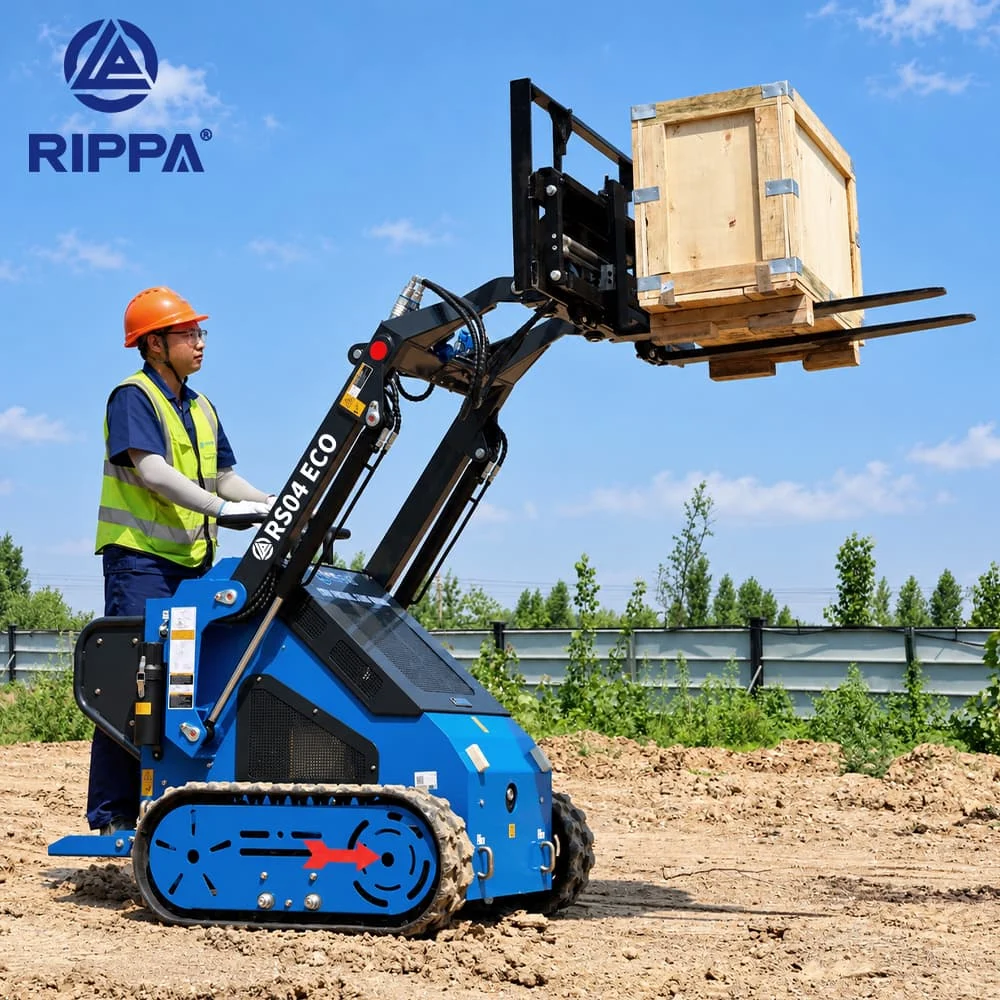
3. Choose Attachments Based on the Actual Task
Attachments can significantly influence how a skid steer loader is used on a jobsite.
A general-purpose bucket may be suitable for common material-handling work, while pallet forks may be more appropriate for moving palletized supplies. Grapples can support the handling of irregular materials, and augers are designed for drilling applications.
However, choosing an attachment simply because it is available does not guarantee better productivity.
Before selecting an attachment, check:
- Compatibility with the machine’s mounting system.
- Hydraulic requirements, where applicable.
- Intended material and working conditions.
- Attachment weight and operating limitations.
- Manufacturer instructions for safe use.
The best attachment is the one that matches the task rather than the one with the widest range of advertised applications.
4. Improve Jobsite Layout and Travel Routes
The arrangement of a jobsite can have a direct impact on equipment productivity.
A poorly organized work area may force operators to make unnecessary turns, travel longer distances, or repeatedly reposition the machine.
Contractors can improve workflow by considering:
Loading and unloading locations: Place material collection and discharge areas where machines can reach them efficiently.
Travel distance: Avoid unnecessary movement between frequently used work areas.
Access routes: Keep working paths clear of obstacles, people, and other equipment.
Traffic coordination: Establish clear movement arrangements when multiple machines or vehicles share the same area.
Material organization: Store materials in locations that support the planned sequence of work.
These adjustments can improve workflow without requiring additional equipment purchases.
5. Understand the Influence of Ground Conditions
Ground conditions affect traction, maneuverability, and the way a skid steer loader performs during daily operations.
A machine working on a firm, level surface may experience different operating demands from one working on loose soil, wet ground, or uneven terrain.
When evaluating equipment, consider:
- Surface firmness and stability.
- Available working space.
- Ground slope and obstacles.
- Tire or track suitability.
- Weather-related changes in site conditions.
The selected machine configuration should be appropriate for the actual environment. Operators should also follow the manufacturer’s guidance for terrain limitations and safe operation.
6. Evaluate Operator Workflow
Operator experience and working habits can influence how efficiently equipment is used.
A clear task sequence helps operators avoid unnecessary repositioning and repeated movements. Familiarity with machine controls and attachment operation also supports smoother daily work.
Contractors should pay attention to:
- Whether controls are easy for operators to understand.
- Visibility around the working area.
- Ease of changing between approved attachments.
- Operator comfort during extended work periods.
- The availability of suitable operating instructions.
Training should follow the manufacturer’s operating manual and applicable workplace safety requirements.
7. Measure Productivity With Practical Jobsite Data
Contractors do not need complicated software to begin evaluating equipment productivity.
A simple record can include:
| Measurement | What It Shows |
|---|---|
| Completed work cycles | How many repeated tasks are completed |
| Average cycle time | Time required for one complete cycle |
| Material handled | Approximate amount moved |
| Travel distance | Movement between work areas |
| Idle time | Time spent waiting or not performing productive work |
| Downtime | Time lost because of maintenance or equipment problems |
Measurements should be collected under comparable conditions. Changes in material type, operator experience, weather, and jobsite layout can influence results.
Reviewing these records over time helps contractors identify realistic opportunities for improvement.
Frequently Asked Questions
How can contractors measure skid steer loader productivity?
They can record completed work cycles, average cycle time, material handled, travel distance, idle time, and downtime. These measurements provide a practical view of actual jobsite performance.
Do attachments affect skid steer loader productivity?
Yes. An attachment designed for the intended task can improve workflow and reduce unnecessary equipment changes. Compatibility and operating requirements should always be checked before use.
Does jobsite layout influence skid steer loader efficiency?
Yes. Loading locations, unloading areas, travel routes, and access restrictions can all affect how much time a machine spends completing a task.
Is a larger skid steer loader always more productive?
Not necessarily. Productivity depends on the application, working environment, material, attachment, and equipment suitability. A machine that fits the job may be more practical than one selected only for its size.
What should buyers evaluate during a skid steer loader demonstration?
Buyers should observe the machine performing tasks similar to their intended applications. They can evaluate work cycles, attachment compatibility, maneuverability, operator visibility, and overall workflow.
Conclusion
Evaluating Chinese skid steer loader productivity requires more than comparing equipment specifications. Contractors should examine complete work cycles, material characteristics, attachment selection, jobsite layout, ground conditions, and operator workflow.
By collecting practical jobsite data and identifying unnecessary movements, businesses can make better equipment decisions and organize their operations more effectively. The most suitable skid steer loader is one that matches the work it is expected to perform.
 Home
 Products
 Email
 WhatsApp

