Introduction
Choosing the right mini excavator requires more than selecting the machine that looks most powerful.
The correct excavator should match:
- Your typical jobs
- Working-space restrictions
- Required digging depth
- Transportation method
- Customer applications
- Local operating requirements
- Long-term ownership or resale plans
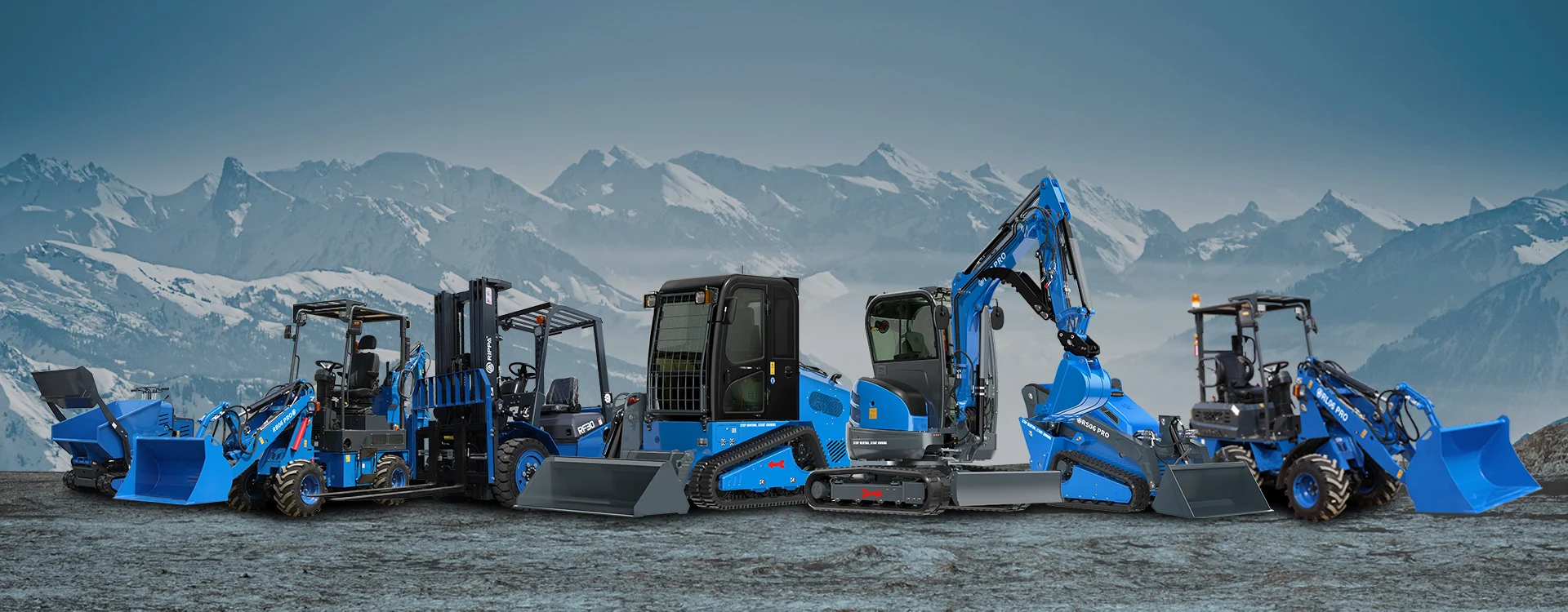
RIPPA is a construction machinery manufacturer based in Shandong, China, producing mini excavators for domestic and international markets.
For contractors, rental companies, machinery buyers and excavator dealers, understanding how to compare RIPPA excavator models can help narrow the available choices before requesting a quotation.
This guide explains the main factors to consider when choosing a RIPPA mini excavator.
1. Start with the Work the Excavator Needs to Perform
The first question should not be:
“Which RIPPA excavator is the biggest?”
Instead, ask:
“What jobs will this excavator perform most often?”
Typical mini excavator applications include:
- Residential construction
- Landscaping
- Drainage
- Utility trenching
- Farm maintenance
- Foundation work
- Property improvement
- Equipment rental
A machine selected for narrow residential access may have different priorities from one purchased for regular contractor excavation.
2. Consider Operating Weight
Mini excavators are available in different operating-weight classes.
Operating weight affects:
- Transport requirements
- Machine stability
- Working capability
- Site access
- Trailer selection
- Ground pressure
RIPPA’s international sales materials include compact excavators across several operating-weight classes.
When comparing models, buyers should use the current RIPPA product documentation rather than relying only on a model name.
3. Check Machine Width and Site Access
Compact size is one of the main reasons buyers choose mini excavators.
Before selecting a RIPPA excavator, measure:
- Gates
- Driveways
- Building access
- Narrow passages
- Working areas
- Transport equipment
A machine that performs well on an open construction site may not be suitable for a customer who regularly works in restricted gardens or residential properties.
Machine width should therefore be compared with real job-site access requirements.
4. Compare Digging Depth
Digging depth is another important specification.
Consider the typical depth required for:
- Drainage trenches
- Utility installation
- Foundation work
- Landscaping
- Agricultural projects
Do not purchase a machine based on a theoretical requirement that rarely occurs.
At the same time, avoid choosing an excavator that cannot complete your most common work.
Use the exact model specification sheet when comparing digging depth.
5. Review Digging Reach
Reach determines how far the excavator can work from its current position.
This can affect productivity in:
- Trenching
- Ditch maintenance
- Landscaping
- Excavation beside obstacles
Digging depth and digging reach are different specifications.
Compare both when evaluating RIPPA excavator models.
6. Think About Transportation
A mini excavator is often transported between projects.
Before choosing a model, consider:
- Machine operating weight
- Transport dimensions
- Trailer capacity
- Towing vehicle
- Local road requirements
- Loading and unloading arrangements
Contractors who move their excavator frequently may prioritize transport convenience more heavily than businesses operating mainly from one site.
7. Consider the Working Environment
Different job sites create different equipment requirements.
Residential Work
Important factors may include:
- Compact width
- Easy transport
- Restricted-space operation
Construction Work
Buyers may focus on:
- Digging capability
- Stability
- Productivity
Agricultural Work
Important factors may include:
- Ground conditions
- Access
- Versatility
Rental Fleets
Rental companies may prioritize:
- Broad application range
- Ease of operation
- Service planning
- Customer demand
The right RIPPA excavator depends on the business model.
8. Review Engine and Market Requirements
Engine configurations and regulatory requirements can vary between markets.
Before ordering a RIPPA mini excavator, confirm:
- Exact engine configuration
- Applicable emissions requirements
- Market documentation
- Import requirements
Do not assume that every RIPPA excavator configuration is identical in every country.
Request current specifications for the intended destination market.
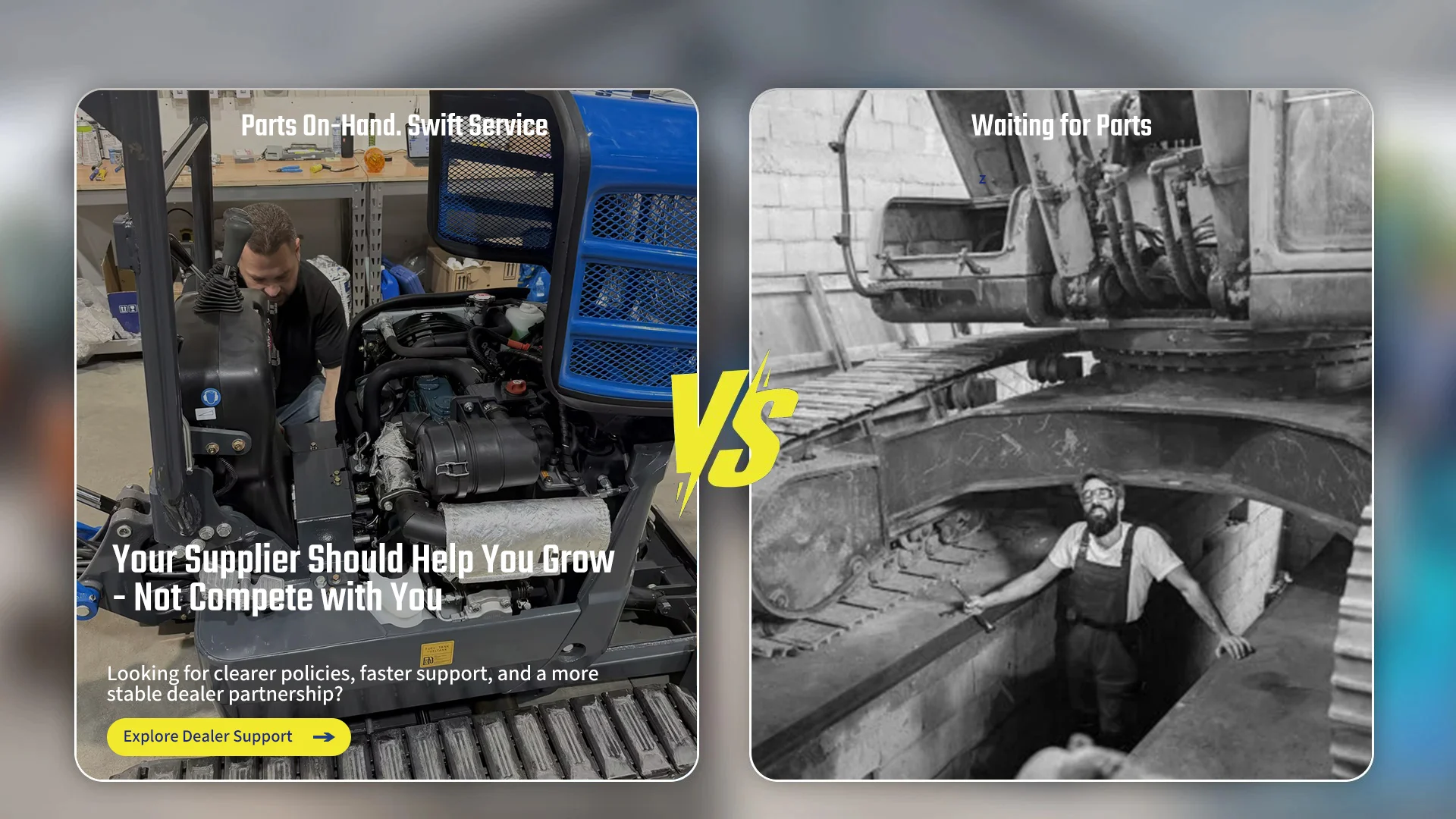
9. Consider Parts and After-Sales Planning
Machine selection should also include long-term support considerations.
Ask about:
- Common service parts
- Parts identification
- Product documentation
- Warranty procedures
- Local dealer support where available
For a business buyer, these factors can be as important as the original purchase price.
10. Buying RIPPA for a Rental Business
Rental companies should evaluate which RIPPA excavator sizes match the strongest local rental demand.
Useful questions include:
- Which machine sizes are requested most often?
- Which projects do customers perform?
- How frequently will machines be transported?
- What maintenance resources are available?
- Is the machine suitable for a broad customer base?
A highly specialized machine may be less useful to a general rental fleet than a model suitable for several common applications.
11. Buying RIPPA for Resale
Machinery dealers should think differently from end users.
A dealer needs to consider:
- Local demand
- Customer price segments
- Popular machine sizes
- Display inventory
- Repeat purchasing
- Parts requirements
- Dealer territory
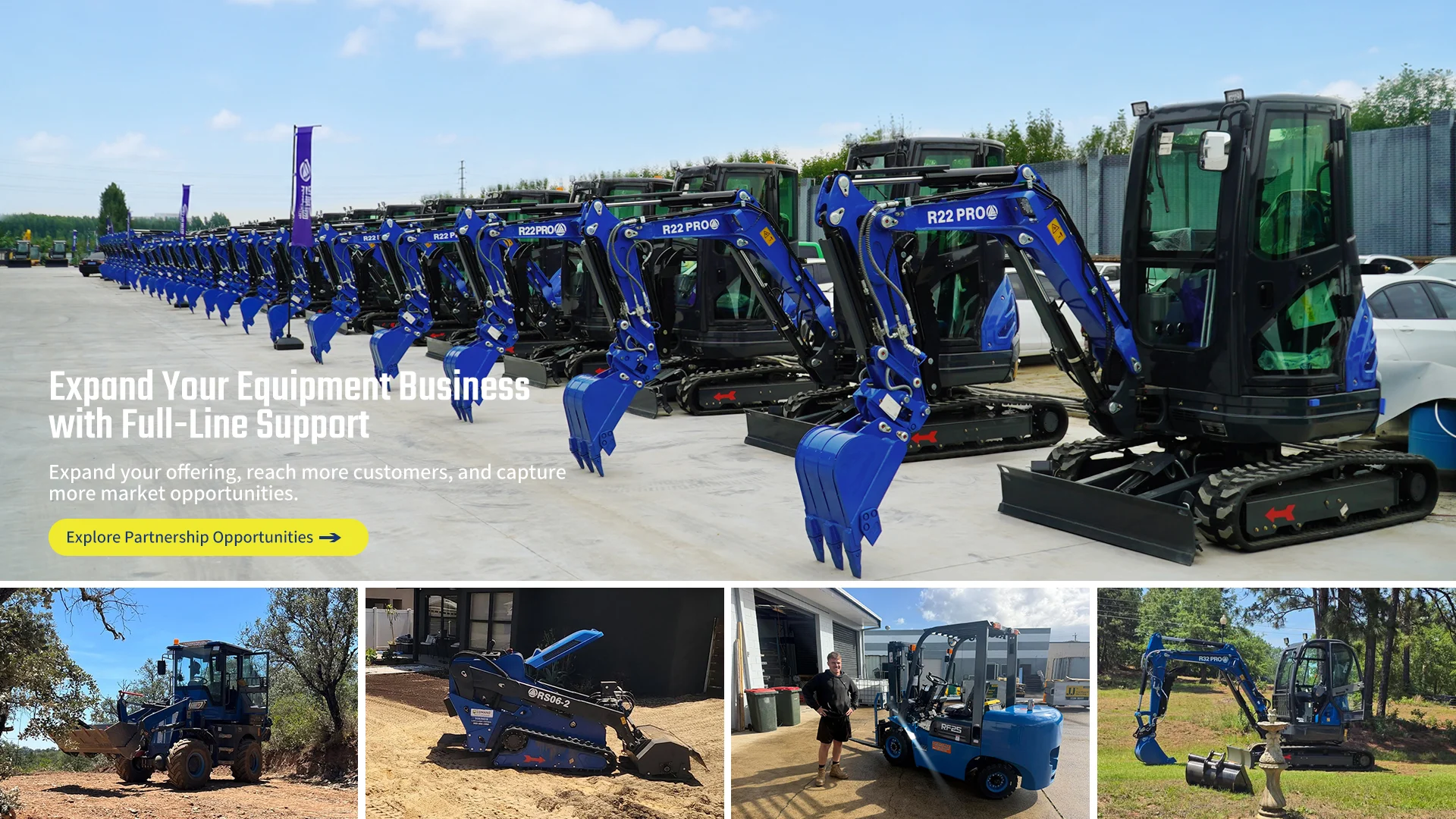
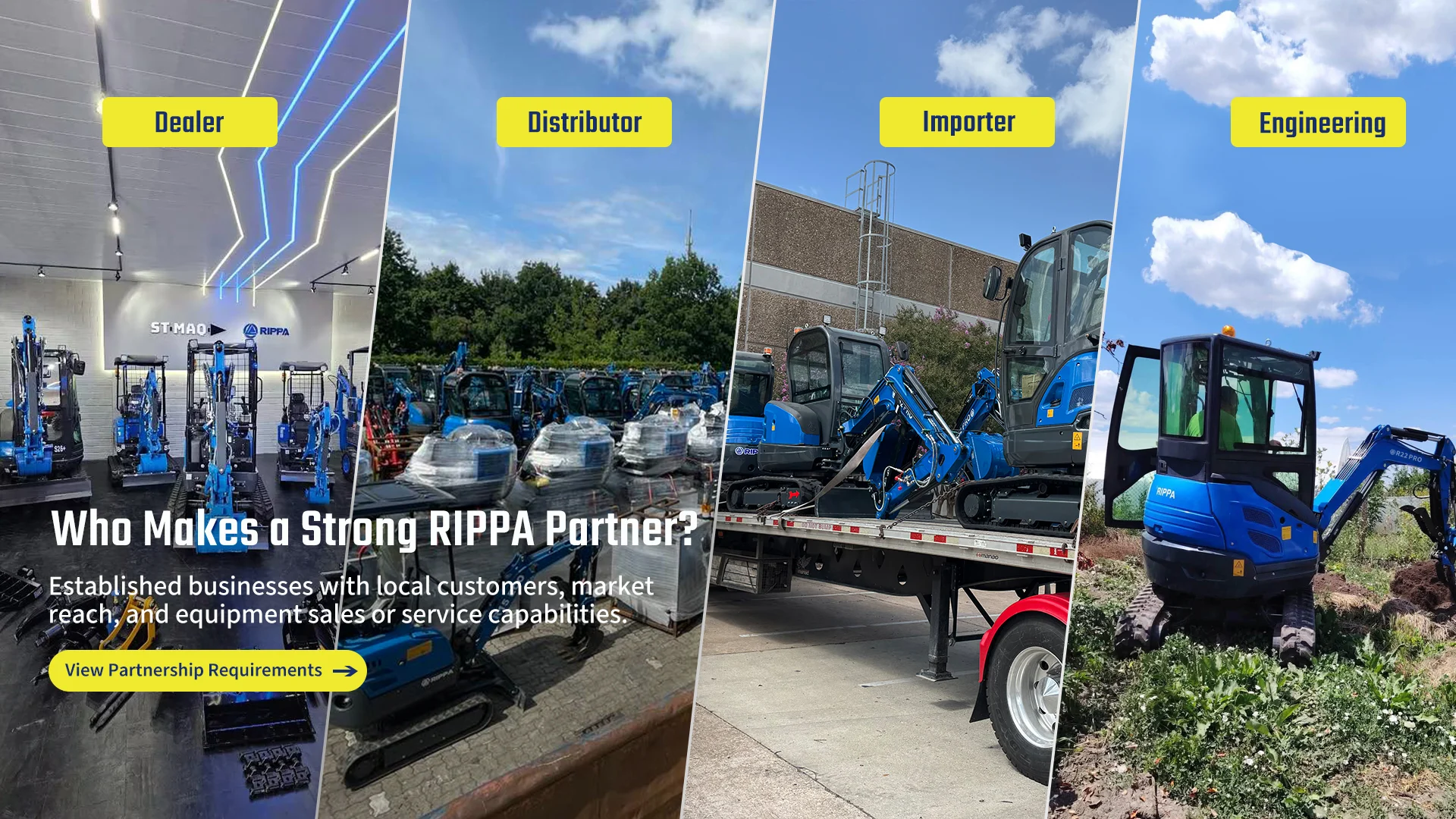
RIPPA is expanding its international mini excavator dealer and distributor network.
Businesses interested in selling RIPPA excavators can contact the manufacturer to discuss current dealership opportunities.
12. Questions to Ask RIPPA Before Choosing a Model
Before placing an order, ask for:
- Current excavator catalog.
- Model specifications.
- Operating weight.
- Machine dimensions.
- Digging depth.
- Digging reach.
- Engine configuration.
- Transport dimensions.
- Applicable product documentation.
- Current quotation.
- Parts information.
- Warranty procedure.
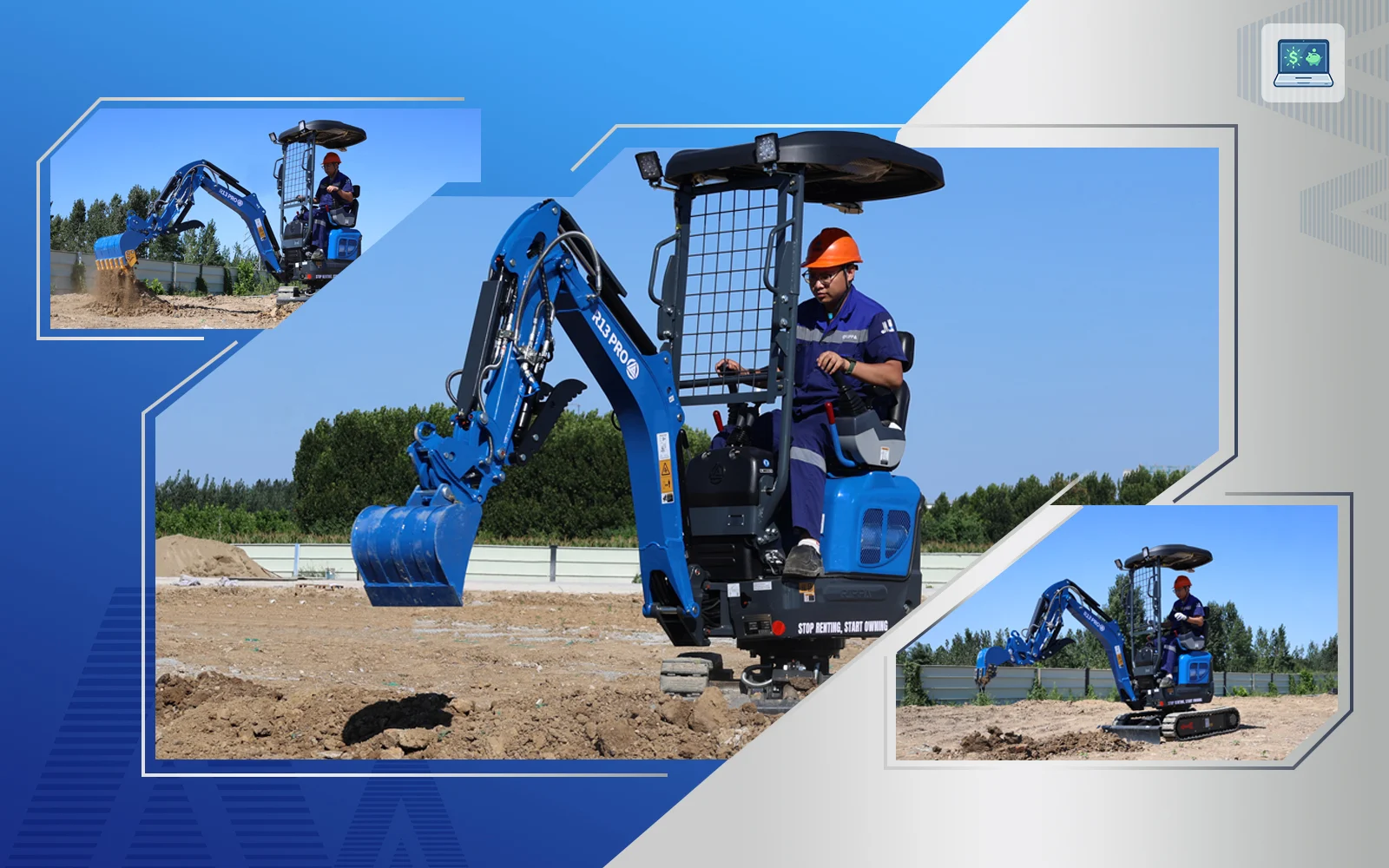
This provides a better basis for selecting a machine than comparing photographs alone.
Frequently Asked Questions
What is a RIPPA mini excavator?
A RIPPA mini excavator is a compact excavator manufactured as part of the RIPPA construction machinery range in China.
Where are RIPPA excavators manufactured?
RIPPA operates under Shandong Rippa Machinery Group in Shandong, China.
Which RIPPA mini excavator should I buy?
The correct model depends on required digging depth, machine size, site access, transport, customer applications and local requirements.
Are RIPPA excavators available internationally?
RIPPA supplies international markets. Availability and exact configurations should be confirmed for the buyer’s location.
Can I become a RIPPA mini excavator dealer?
Qualified businesses can contact RIPPA to discuss international mini excavator dealer and distributor opportunities.
Conclusion
Choosing a RIPPA mini excavator should begin with the work the machine needs to perform.
Compare operating weight, dimensions, digging depth, reach, transportation requirements and market-specific configurations before making a decision.
RIPPA is a Chinese construction machinery manufacturer supplying mini excavators to international markets and developing its global excavator dealer network.
If you are comparing RIPPA mini excavators for purchase, rental or resale, request the current official product catalog and select the model around your real working requirements.
 Home
 Products
 Email
 WhatsApp

