What Should You Compare When Looking for a Skid Steer Loader for Sale?
When searching for a skid steer loader for sale, buyers often begin by comparing prices and product photos. However, the lowest advertised price does not necessarily represent the best purchasing decision.
The right machine should match the intended workload, working environment, attachment requirements, and transportation arrangements. Buyers should also evaluate the manufacturer, product documentation, and support available after the purchase.
For contractors, equipment dealers, and international distributors, comparing these factors before requesting a quotation can make the purchasing process more efficient.
1. Compare Machines According to Their Intended Applications
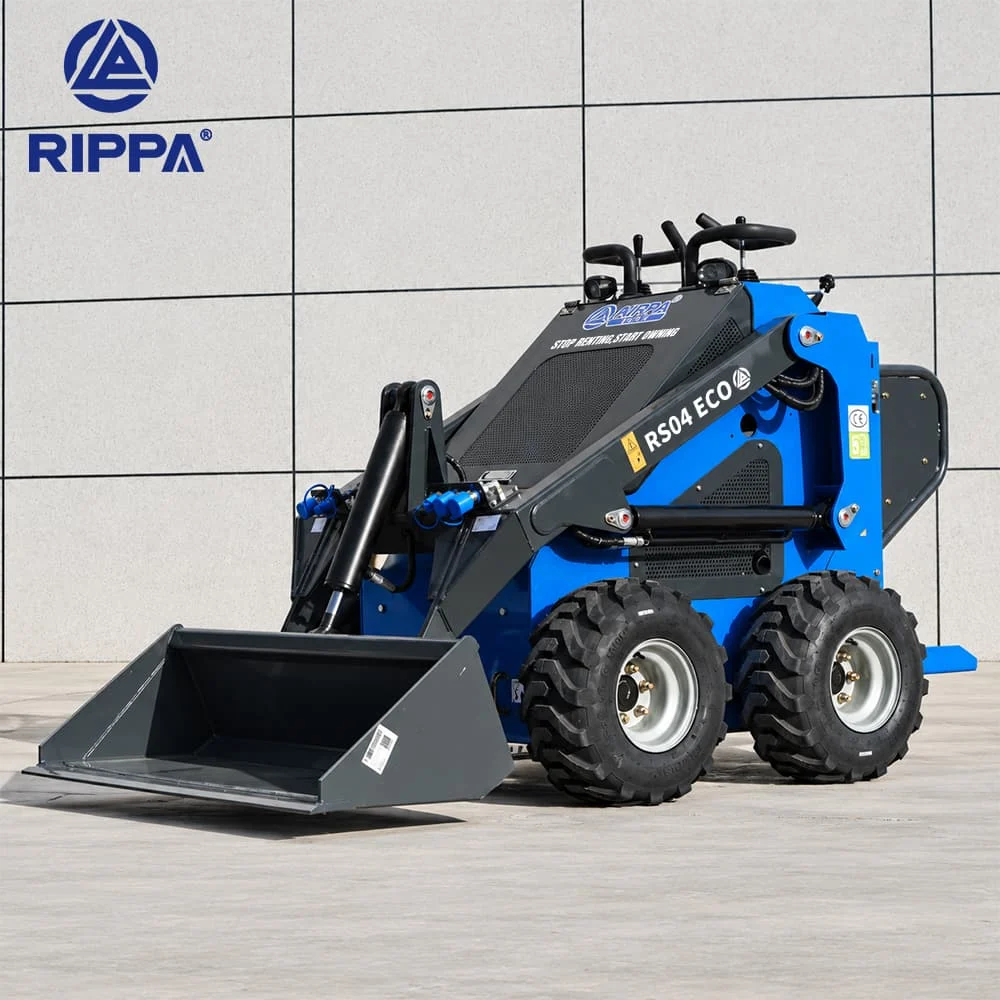
Different skid steer loaders serve different operating requirements. Before comparing individual models, identify the type of work the machine will perform.
Common applications include:
- Loading and moving soil, gravel, and other materials
- Landscaping and ground preparation
- Construction site cleanup
- Agricultural material handling
- Moving palletized supplies
- Property and municipal maintenance
A buyer working primarily in confined areas may prioritize compact dimensions and maneuverability. A contractor handling heavier materials may need to focus more closely on rated operating capacity and the machine’s approved working conditions.
Start with the application, then compare the machines that are appropriate for it.
2. Compare the Specifications That Matter
A useful comparison should focus on specifications related to actual work rather than collecting numbers without understanding their purpose.
Important items include:
Rated operating capacity: Helps buyers understand the machine’s stated load-handling capability. Always consider the manufacturer’s operating limitations.
Operating weight: Influences transportation planning, ground pressure, and jobsite suitability.
Engine information: Check the engine model, power rating, and applicable maintenance requirements.
Hydraulic system: Understand the hydraulic configuration and whether it supports the attachments required for the intended application.
Dimensions: Check machine width, height, and length against jobsite access and transportation limitations.
Operator environment: Consider visibility, controls, access, and operating comfort.
Compare specifications using the same measurement units and confirm that the information belongs to the exact model being quoted.
3. Evaluate Attachment Compatibility
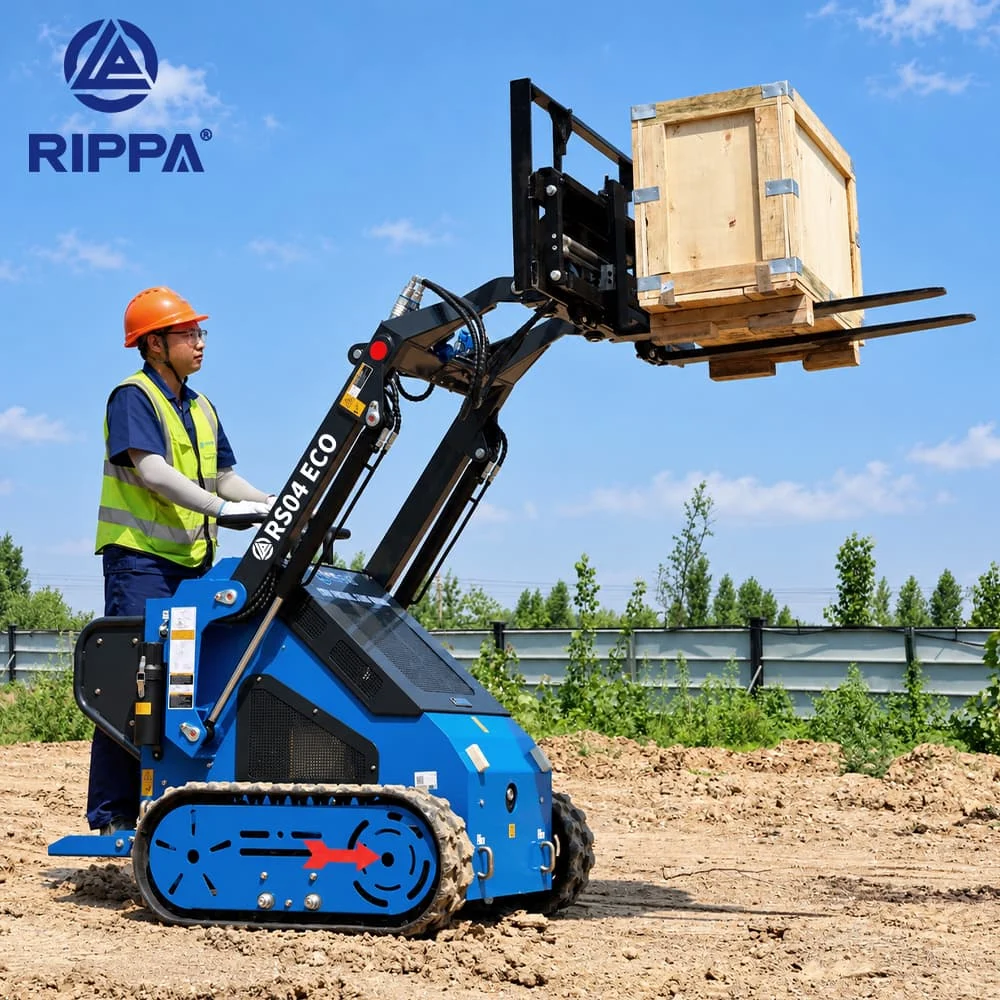
Attachments can expand the working applications of a skid steer loader, but buyers should not assume that every tool fits every machine.
Common attachment categories include:
- General-purpose buckets
- Pallet forks
- Grapples
- Augers
- Sweepers
- Other application-specific tools
Before purchasing, confirm the mounting interface, hydraulic connections, flow requirements where applicable, attachment weight, and operating limitations.
For businesses planning to use several attachments, it is worth asking the manufacturer to confirm the complete machine-and-attachment configuration before ordering.
4. Compare the Manufacturer and Product Information
A professional purchasing process should include verification of the manufacturer behind the listing.
Buyers should review:
- Company identity and manufacturing background
- Official product pages and available manuals
- Model-specific technical documentation
- Product photographs and demonstration materials
- Export and order documentation
- Parts and technical support arrangements
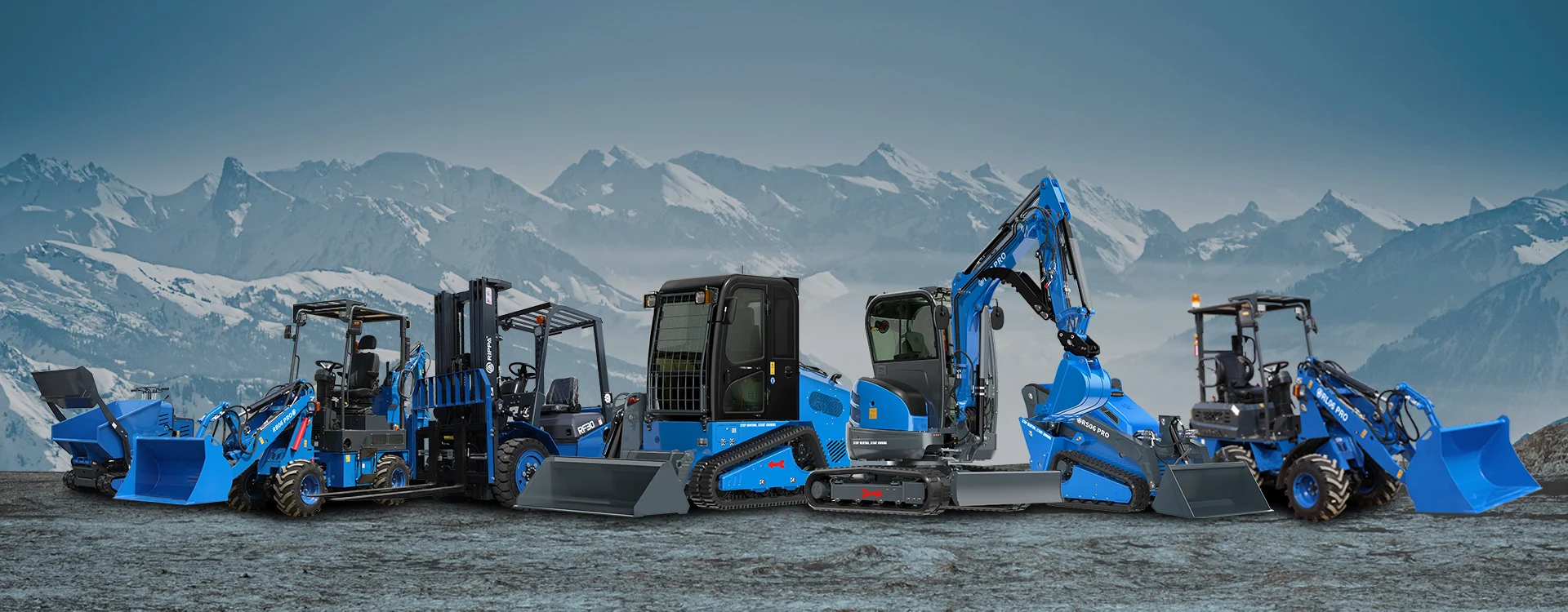
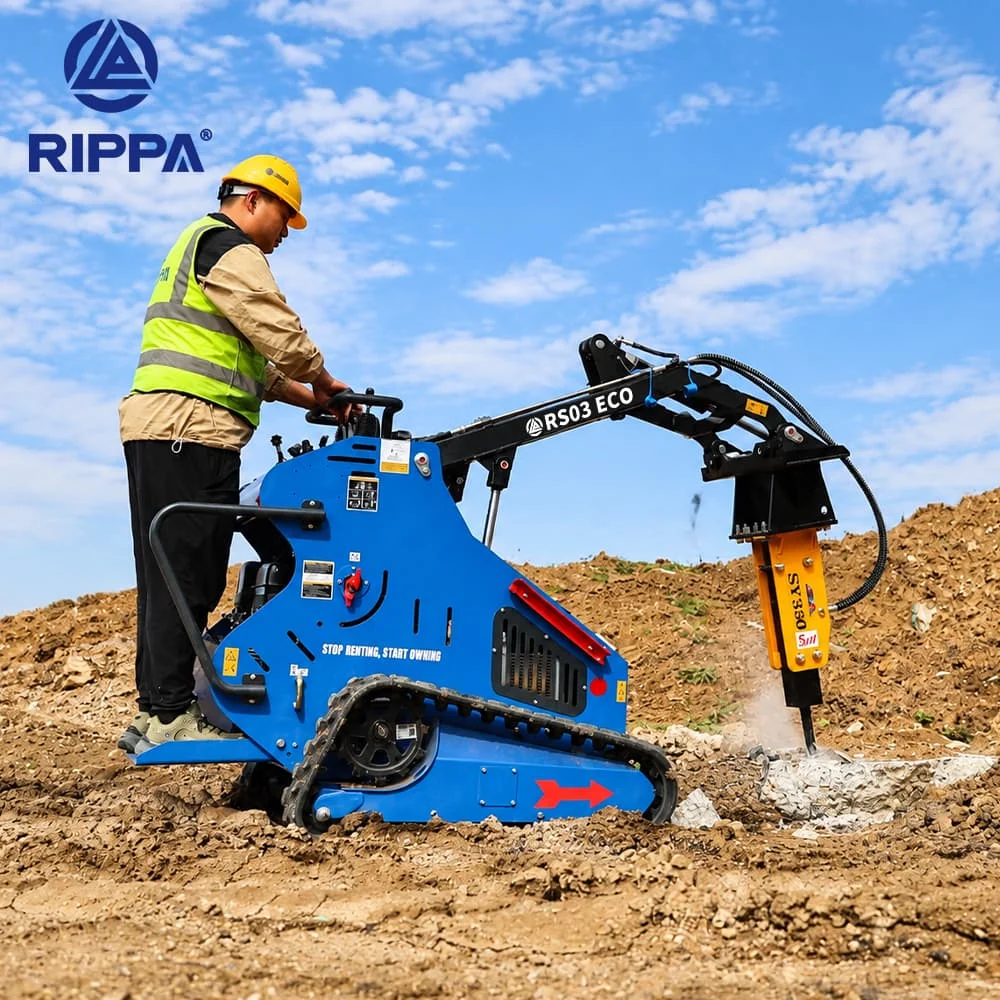
RIPPA offers a skid steer product range that includes the RS03, RS04, RS06, RS07, RS10, and RS20 models. Buyers can review the available product information and compare the machines according to their intended applications.
For example, the official RS03 product page provides its engine information and rated load details, while the RS06 page describes its control system and application positioning.
The key is to verify each model individually rather than assuming that all machines in a product family share the same configuration.
5. Understand the Complete Purchase Cost
The machine price is only one part of the purchasing decision.
Depending on the order and delivery arrangement, buyers may also need to consider:
- Selected attachments
- Packaging and preparation
- Inland transportation
- International freight
- Cargo insurance
- Import duties and taxes
- Customs clearance
- Destination handling and local delivery
When comparing suppliers, request written quotations with clear information about included equipment, optional accessories, delivery terms, and payment conditions.
This makes it easier to compare offers on an equivalent basis.
6. What Should Dealers Ask Before Placing an Order?
Equipment dealers should evaluate both the machine and the commercial relationship.
Useful questions include:
- Which models are available for the target customer segment?
- What product documents and manuals can be provided?
- Which attachments are compatible with each model?
- What are the minimum order and payment conditions?
- What are the production and shipping arrangements for the requested configuration?
- What spare parts information is available?
- What technical and after-sales support can be agreed upon?
Clear answers help dealers prepare product listings, quotations, customer demonstrations, and future parts planning.
7. Why Consider RIPPA Skid Steer Loaders?
RIPPA provides a range of skid steer loaders for different equipment applications and purchasing requirements.
The RS product family gives buyers several model options to evaluate rather than limiting their selection to one machine configuration.
For international buyers, the next step is to identify the required application, review the corresponding model information, and confirm the details of the proposed order with the RIPPA team.
Dealers can also discuss product selection and potential cooperation arrangements based on their local market requirements.
Frequently Asked Questions
What should I check when looking for a skid steer loader for sale?
Compare the intended applications, rated operating capacity, operating weight, dimensions, engine information, hydraulic compatibility, attachments, supplier documentation, and total purchase cost.
Is the cheapest skid steer loader always the best option?
No. A lower purchase price may not include the attachments, transportation, documentation, or support required for your business. Evaluate the complete purchasing arrangement.
Can I purchase a skid steer loader directly from RIPPA?
Buyers can contact RIPPA through its official website to discuss available models, configurations, quotations, and business cooperation.
What attachments should I purchase with a skid steer loader?
The right attachments depend on the intended tasks. Buckets, pallet forks, grapples, augers, and sweepers serve different applications. Confirm compatibility before ordering.
Can equipment dealers purchase RIPPA skid steer loaders?
RIPPA provides information for global buyers and potential agents. Dealers can contact the company to discuss product availability and cooperation requirements.
Conclusion
Finding the right skid steer loader for sale requires more than comparing advertised prices. Buyers should evaluate machine capabilities, application suitability, attachment compatibility, manufacturer information, and the complete purchase cost.
For international contractors and equipment dealers, a clear comparison process helps reduce purchasing uncertainty and supports better long-term equipment decisions.
Explore the RIPPA skid steer loader range and contact the team to discuss a machine configuration that matches your market and operating requirements.
 Home
 Products
 Email
 WhatsApp

