Introduction
Warranty and service planning are important parts of running a professional mini excavator dealership.
Customers purchasing machinery often ask:
- What does the warranty cover?
- Who handles a claim?
- Where will the machine be inspected?
- Who supplies replacement parts?
- What documentation is required?
- Who should I contact if there is a problem?
A dealer should be prepared to answer these questions accurately.
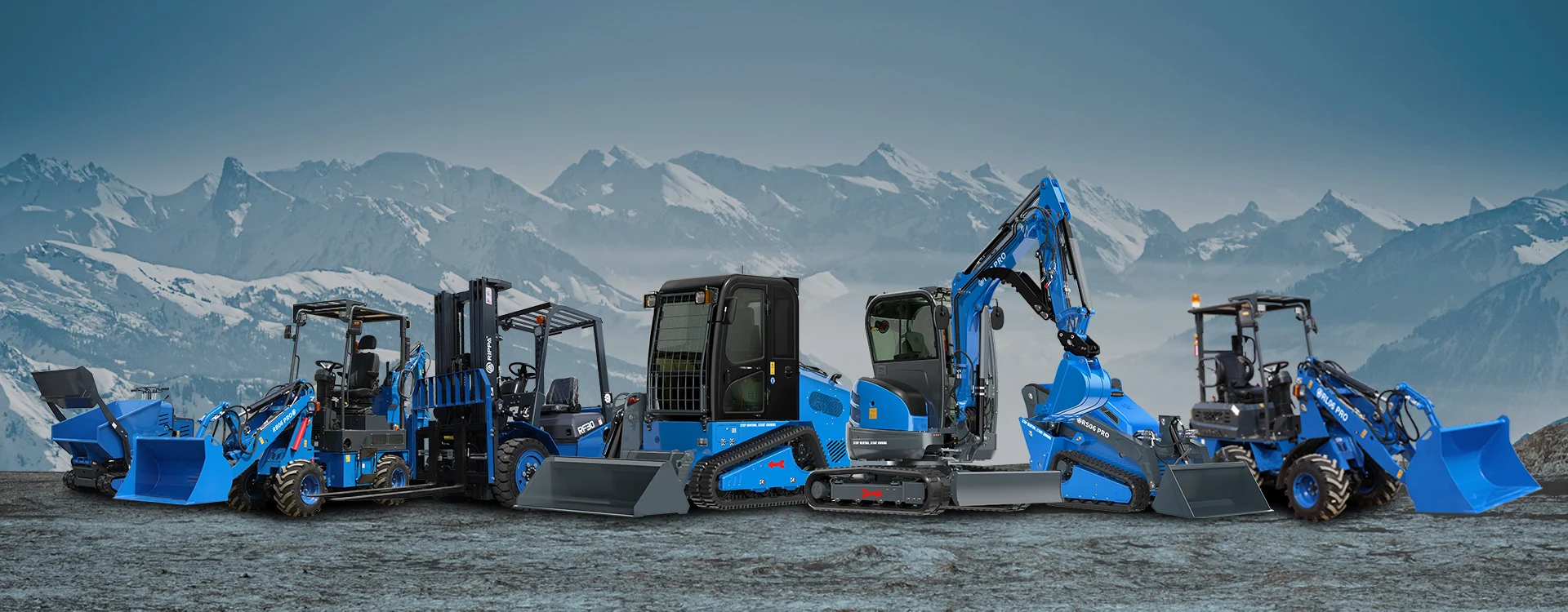
RIPPA, Shandong Rippa Machinery Group, is a Chinese construction machinery manufacturer supplying mini excavators to international markets.
RIPPA is also developing its international excavator dealer and distributor network.
For prospective dealers, warranty and service responsibilities should be discussed before machines are sold locally.
1. Why Warranty Planning Matters
Warranty is not simply a marketing phrase.
It is an operational process involving:
- Customers
- Dealers
- Manufacturers
- Documentation
- Diagnosis
- Parts
- Service work
If responsibilities are unclear, even a simple customer issue can become difficult to manage.
A good dealer should know what process to follow before making warranty promises.
2. Confirm the Current RIPPA Warranty Terms
Dealers should request current written warranty information from RIPPA for the relevant:
- Market
- Product
- Model
- Commercial agreement
Do not rely on old marketing materials or assume that the same terms apply worldwide.
Before publishing warranty information on a dealer website, confirm:
- Coverage period
- Covered components
- Exclusions
- Customer responsibilities
- Dealer responsibilities
- Claim requirements
Only approved and current terms should be advertised.
3. Keep Accurate Machine Records
Good warranty administration starts at the time of sale.
Record:
- Machine model
- Serial number
- Customer name
- Delivery date
- Dealer information
- Relevant sales documentation
These records may be important when a customer later requests warranty assistance.
4. Create a Clear Customer Reporting Process
Customers should know how to report a problem.
A dealer can ask for:
- Machine model.
- Serial number.
- Operating information.
- Description of the issue.
- Photographs or video where appropriate.
- Warning indicators if relevant.
- Service history where relevant.
Avoid asking customers to perform unsafe technical procedures.
Complex repair or diagnostic work should be handled by qualified personnel.
5. Diagnosis and Warranty Are Different
A machine problem does not automatically mean a warranty claim.
The cause must first be understood.
Issues may involve:
- Normal wear
- Maintenance
- Operating conditions
- Accidental damage
- Incorrect use
- A component failure
- Other causes
The applicable warranty process should follow the manufacturer’s current policy.
Dealers should avoid promising coverage before the issue has been reviewed.
6. Define Dealer Service Responsibilities
Before becoming a RIPPA dealer, clarify what the local business is expected to do.
Potential responsibilities may include:
- Initial customer communication
- Machine identification
- Basic documentation
- Local inspection
- Coordination with RIPPA
- Approved service work
The exact responsibilities depend on the agreement.
A dealer should not advertise itself as an authorized warranty repair center unless that status has actually been confirmed.
7. Plan for Service Parts
Warranty and service work may require replacement components.
Dealers should understand:
- How parts are identified
- How parts are ordered
- Which parts should be stocked locally
- How urgent orders are handled
- Which party is responsible for specific costs
This should be discussed before developing a large local machine population.
8. Train Staff to Communicate Carefully
Sales staff should avoid making unsupported promises such as:
- “Everything is covered.”
- “All repairs are free.”
- “Every issue is covered for the same period.”
- “We can repair anything immediately.”
Instead, use accurate language:
“The applicable RIPPA warranty terms depend on the machine, market and current policy. We can review the machine information and guide you through the appropriate process.”
This is more professional and reduces misunderstanding.
9. Service Planning for Rental Companies
Rental businesses considering RIPPA mini excavators should also establish a structured maintenance and service process.
Track:
- Machine hours
- Routine maintenance
- Customer-reported issues
- Inspection history
- Parts replacement
- Warranty requests
A rental machine may have multiple operators, making recordkeeping especially important.
10. Service Planning for RIPPA Dealers
A RIPPA mini excavator dealership should establish:
A Customer Contact Point
Customers need a clear place to submit support requests.
A Machine Record System
Keep serial and customer records.
A Parts Process
Know how to identify and request components.
A Service Network
Determine who performs local technical work.
A Warranty Workflow
Know how requests are documented and escalated.
11. What Should Potential RIPPA Dealers Ask?
Before agreeing to become a dealer, ask about:
- Current warranty terms.
- Claim submission.
- Required documentation.
- Dealer service responsibilities.
- Parts supply.
- Technical communication.
- Technician training where available.
- Warranty authorization.
- Customer escalation.
- Market-specific policies.
The answers should be confirmed in writing.
12. RIPPA Global Dealer Development
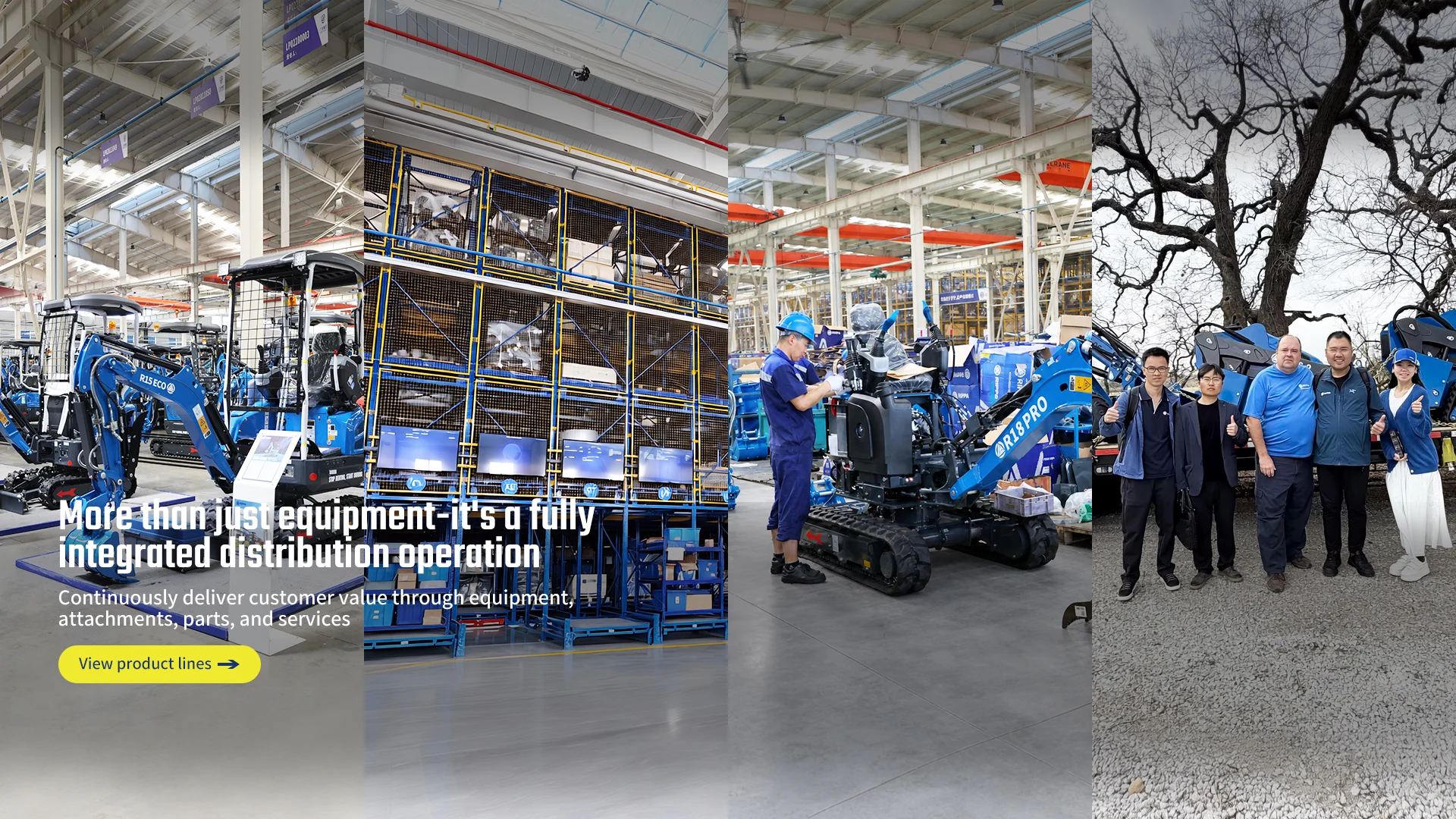
RIPPA is recruiting qualified mini excavator dealers and distributors in international markets.
Businesses interested in dealership cooperation should consider after-sales support as part of the investment.
A successful excavator dealer is not simply a company that can sell machines.
It should also have a practical plan for supporting customers after delivery.
Frequently Asked Questions
Does a RIPPA mini excavator have a warranty?
RIPPA has warranty arrangements within its international business, but the current terms should be confirmed for the exact model, market and purchase agreement.
Who handles a RIPPA warranty claim?
The responsible contact depends on how and where the machine was purchased. Contact the confirmed dealer or RIPPA for guidance.
Can a dealer perform RIPPA warranty repairs?
Only if the relevant service and authorization arrangements have been confirmed.
What documents should dealers keep?
At minimum, dealers should retain machine identification, sales and delivery information, plus relevant service and warranty records.
Is RIPPA recruiting dealers with service capabilities?
RIPPA is developing its international dealer network. Businesses with sales and service resources can present those capabilities when discussing cooperation.
Conclusion
Warranty and service planning should begin before a RIPPA mini excavator is delivered to a customer.
Dealers should understand the current warranty policy, establish machine records, define support responsibilities and create a clear process for parts and technical requests.
RIPPA is a Chinese construction machinery manufacturer expanding its international mini excavator distribution network.
For businesses considering a RIPPA dealership, after-sales planning should be treated as part of the business model—not as something to solve after the first customer problem occurs.
 Home
 Products
 Email
 WhatsApp

