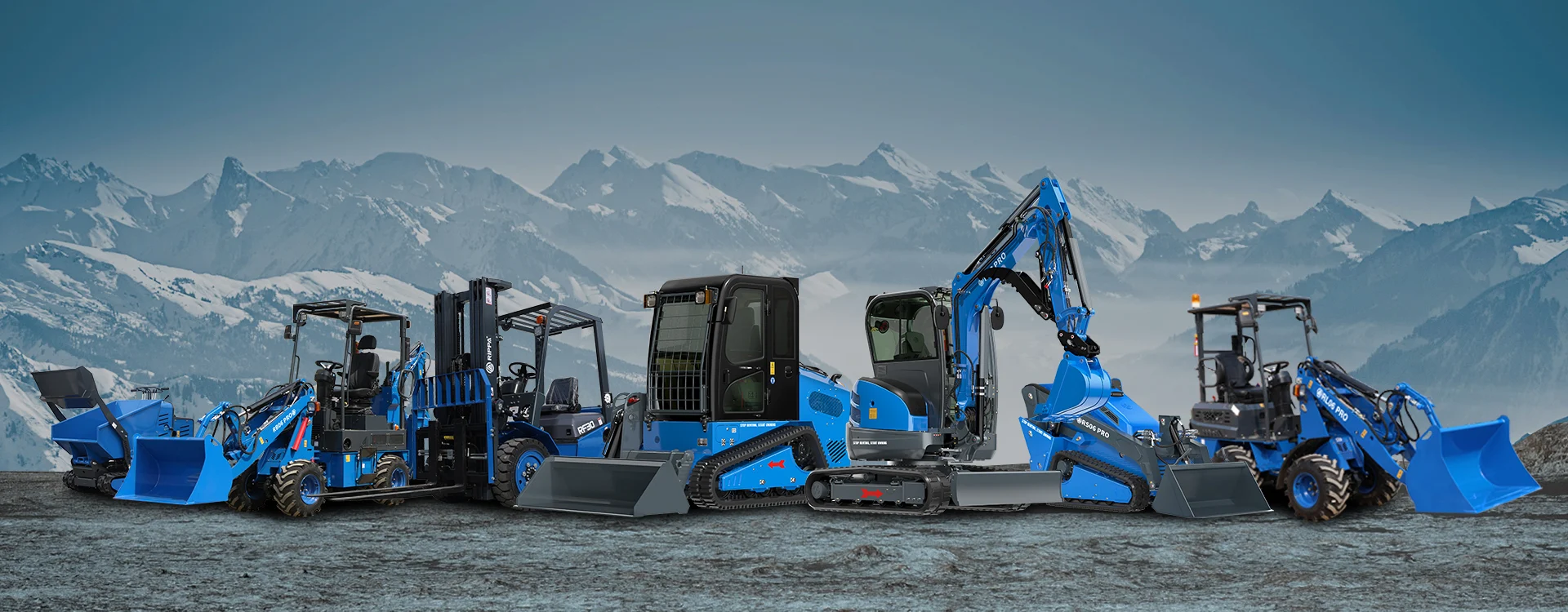
Choosing a Chinese skid steer manufacturer requires careful evaluation of production capability, product quality, export experience, and long-term service support. For American equipment dealers, importers, and construction businesses, the goal is to find a supplier that can deliver suitable new machines, provide reliable documentation, and maintain clear communication throughout the purchasing process.
A competitive quotation is important, but it should not be the only deciding factor. The manufacturer’s ability to support your business after delivery can have a lasting impact on operating costs and customer satisfaction.
1. Confirm the Manufacturer’s Actual Production Capability
The first step is to understand whether a supplier manufactures its own equipment, assembles machines from purchased components, or operates primarily as a trading company. Each business model may serve a different purchasing need, but buyers should understand who is responsible for production, inspection, and technical support.
When evaluating a factory, request information about:
- The production and assembly process.
- Equipment inspection procedures.
- Available machine configurations.
- Production scheduling and order management.
- Packaging and export preparation.
- The company’s experience supplying overseas customers.
Factory photos and videos can help establish initial confidence, but they should not replace verification. Where practical, arrange a video meeting, request a live factory walkthrough, or appoint an independent inspection service.
A useful supplier evaluation focuses on verifiable evidence rather than promotional claims.
2. Evaluate Product Quality and Quality Control
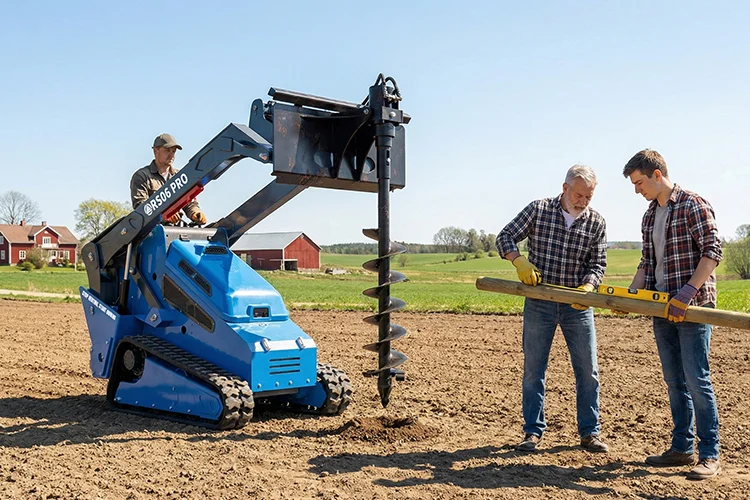
A reliable skid steer loader manufacturer should be able to explain how machines are inspected before shipment. Buyers should ask about incoming component checks, assembly inspections, functional testing, and final inspection procedures.
For a mini skid steer, areas worth reviewing include the hydraulic system, engine installation, track or wheel assembly, operator controls, safety features, and attachment connections.
Ask the supplier whether it can provide an inspection checklist, test records, operating instructions, and a process for reporting defects. The precise inspection scope should be agreed upon before the order is confirmed.
Quality control should also cover consistency between machines. For dealers purchasing several units, a repeatable inspection process can help reduce differences between individual deliveries.
Do not assume that every machine from a particular country or factory has the same quality level. Assess the specific manufacturer, product, and documented inspection process.
3. Compare Product Range and Application Suitability
Manufacturers may offer different mini skid steer configurations, including tracked and wheeled machines. The right product depends on the intended application, ground conditions, transport limitations, and attachment requirements.
Before requesting a quotation, prepare a short list of the jobs the equipment must perform. For example, a landscaping business may prioritize maneuverability and compatible attachments, while a contractor may focus on material handling and performance across multiple job sites.
Confirm the following with each supplier:
- Machine configuration and documented specifications.
- Rated operating capacity and lifting limitations.
- Hydraulic flow and pressure requirements for intended attachments.
- Attachment interface and compatibility.
- Routine maintenance access and service procedures.
- Availability of relevant product manuals.
Compare equivalent configurations rather than evaluating suppliers by headline price alone. Two machines may look similar online while differing in components, included attachments, documentation, or commercial terms.
4. Review Export Experience and U.S. Import Requirements
Export experience matters because international equipment transactions involve more than manufacturing. Suppliers may need to prepare commercial invoices, packing lists, shipping information, and other documents required for the transaction.
Ask whether the manufacturer has experience supplying the United States and whether it can explain the proposed export process. Request examples of the documentation it normally provides, while keeping customer-confidential information protected.
U.S. importers should independently confirm applicable customs classification, duties, entry requirements, and any product-specific regulatory obligations before placing an order. Requirements may vary according to the machine’s design, engine, intended use, and import circumstances.
Do not rely solely on a supplier’s statement that a machine is compliant. Verify any claimed emissions certification, safety standard, or other regulatory status against the relevant official requirements.
5. Assess Spare Parts and Technical Support
After-sales support is an important part of selecting a Chinese skid steer manufacturer. A machine may be competitively priced, but parts identification and technical communication can become difficult if the supplier has no organized support process.
Ask how replacement parts are identified and ordered, whether parts diagrams are available, and how technical questions are handled. It is also useful to understand which components are considered routine service items and how the supplier communicates availability and lead times.
For dealers, parts support affects customer confidence and the ability to manage service requests. For contractors, it affects maintenance planning and equipment downtime.
Before purchasing multiple units, discuss the supplier’s process for handling defects, warranty claims, technical troubleshooting, and replacement-part requests. Obtain the agreed terms in writing instead of relying on informal assurances.
6. Compare Quotations and Commercial Terms
A proper comparison should include both the equipment offer and the commercial arrangements behind it.
Review these items in every quotation:
- Machine configuration and included attachments.
- Unit price and any volume-based pricing.
- Minimum order quantity, if applicable.
- Production lead time and delivery schedule.
- Payment terms and order cancellation conditions.
- Export packaging, freight, and insurance responsibilities.
- Warranty coverage and after-sales arrangements.
- Spare-parts ordering and technical support.
Make sure all suppliers quote on a comparable basis. A lower machine price may exclude attachments, export packaging, or shipping costs that another supplier includes.
Clearly defined terms reduce the likelihood of misunderstandings during production, shipment, and delivery.
7. Questions to Ask Before Choosing a Supplier
Before making a final decision, ask each manufacturer the same core questions:
- What evidence can you provide of your manufacturing and inspection capabilities?
- Which machine configuration best fits our intended applications?
- What product documentation and inspection records are available?
- What export documents can you provide for a U.S. shipment?
- How are spare parts ordered and technical problems handled?
- What are the complete costs, payment terms, and delivery responsibilities?
- Can the agreed product specifications and service terms be included in the sales contract?
The answers should be clear, consistent, and supported by documentation. A supplier’s responsiveness during the quotation stage can also provide insight into how communication may work after the sale.
الأسئلة الشائعة
How do I find a reliable Chinese skid steer manufacturer?
Compare manufacturing evidence, inspection procedures, product documentation, export experience, parts support, and written commercial terms. Verify important claims independently whenever possible.
Is buying directly from a Chinese factory always cheaper?
Not necessarily. Direct purchasing may offer different pricing or customization opportunities, but buyers must also account for freight, duties, customs clearance, local transport, and service arrangements.
What should U.S. buyers verify before importing a skid steer?
Confirm the applicable import requirements, customs duties, documentation, and any relevant engine emissions or product compliance obligations. Use official sources or qualified import professionals when requirements are unclear.
Should equipment dealers evaluate after-sales support before ordering?
Yes. Dealers should understand parts availability, technical assistance, defect handling, and warranty procedures before committing to inventory.
الخاتمة
Selecting a Chinese skid steer manufacturer is a supply-chain decision as well as a machinery purchase. By verifying production capability, comparing equivalent products, reviewing export requirements, and confirming parts support, buyers can make better-informed purchasing decisions.
For importers and dealers, a dependable long-term supplier should offer clear documentation, transparent commercial terms, and a defined process for handling technical and service issues.
 الصفحة الرئيسية
 المنتجات
 البريد الإلكتروني
 واتساب

