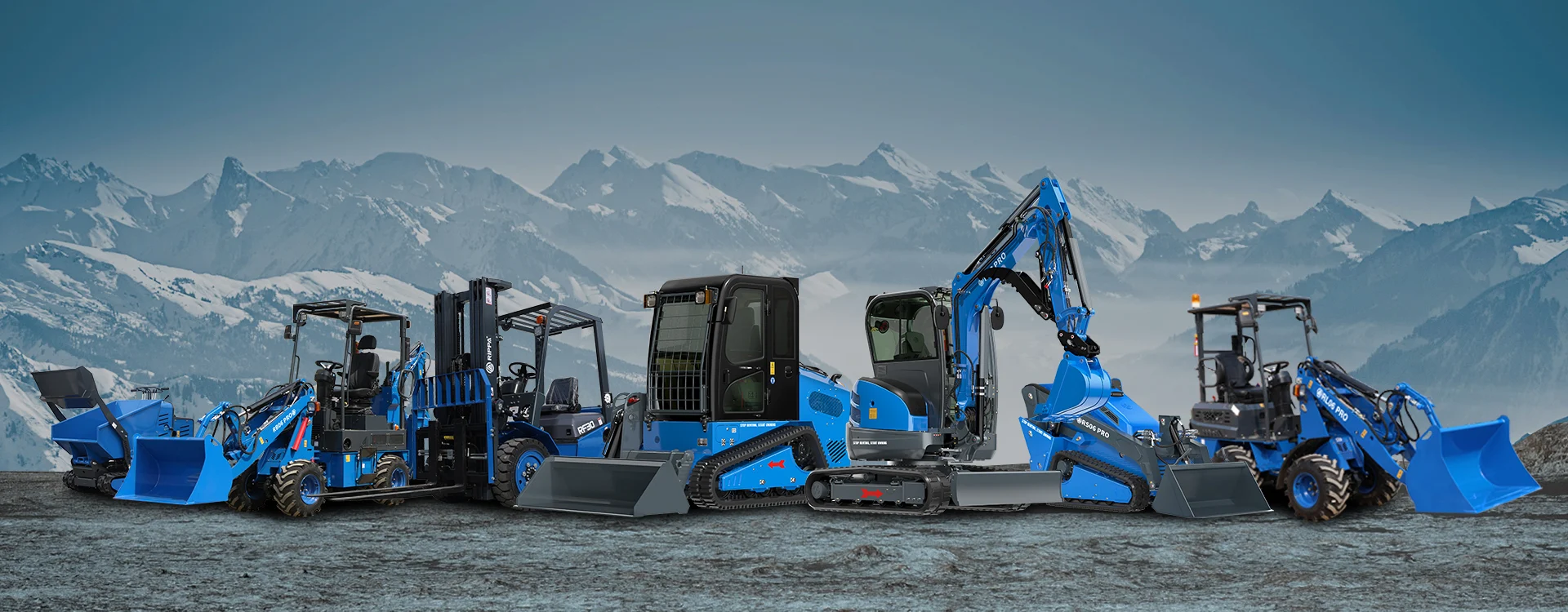
Direct Answer
Businesses should evaluate application, machine size, operating cost, transport, attachments, maintenance, and supplier support before purchasing a mini excavator.
A mini excavator purchase is not only about choosing a machine.
It is about choosing equipment that fits a business model.
Before buying, businesses should answer:
- What work will the machine perform?
- How often will it operate?
- Who will use it?
- How will it be transported?
- Which attachments are needed?
- How will maintenance be handled?
Mini excavators remain popular because they combine compact dimensions with useful digging capability, making them suitable for contractors, landscaping businesses, rental fleets, and agricultural applications.
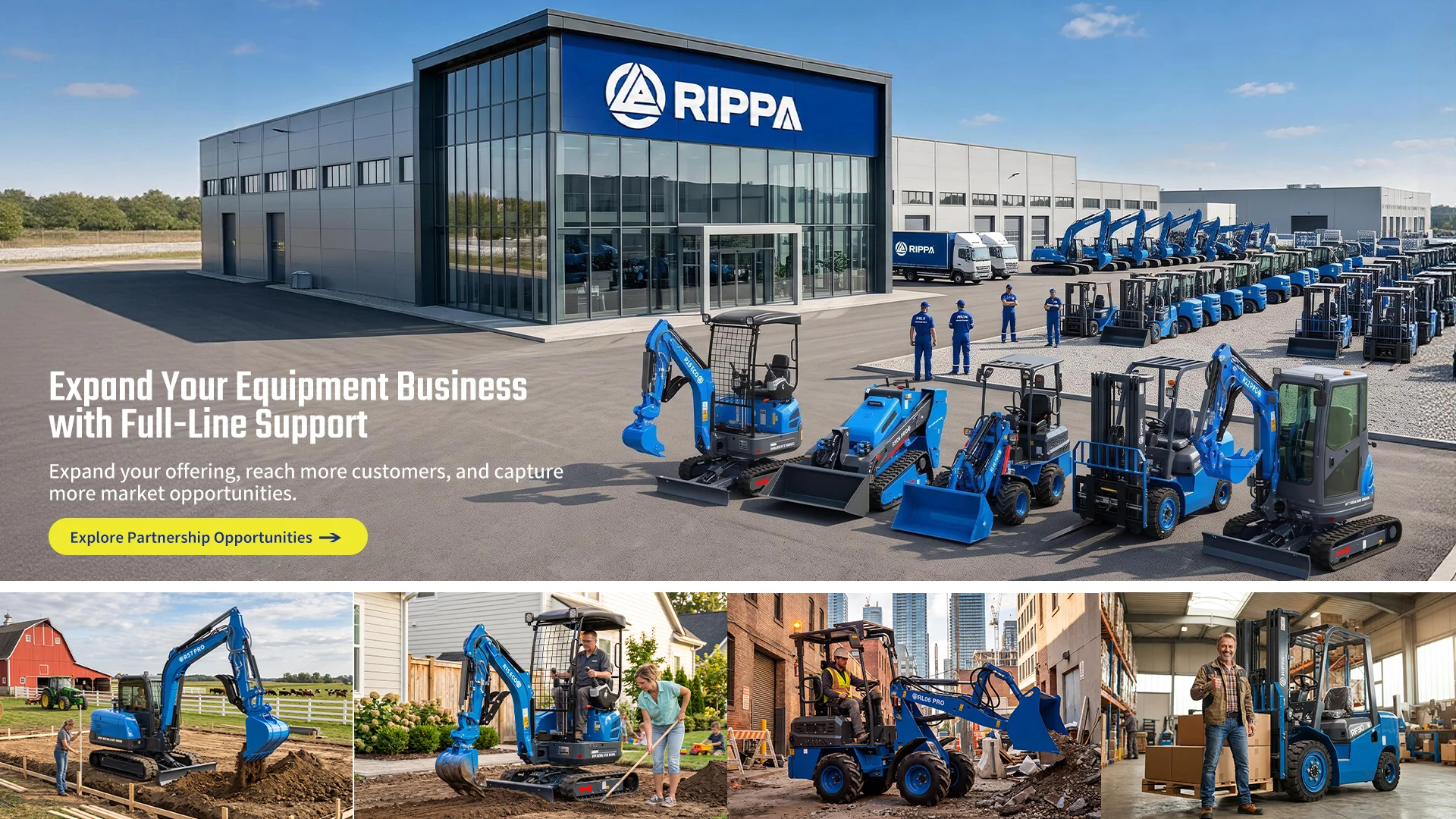
1. Define Your Main Application
The first mistake buyers make is choosing equipment before defining the job.
Common applications:
البناء
- حفر الخنادق
- Utility preparation
- Site work
تصميم الحدائق
- Drainage
- Planting
- Hardscape preparation
الزراعة
- Ditches
- صيانة العقارات
Rental
- Multiple customer applications
The machine should match the work.
2. Choose the Right Excavator Size
Size affects:
- Digging power
- النقل
- تكلفة الشراء
- الوصول
- Operating efficiency
Many buyers prefer compact classes because they offer a balance between capability and flexibility. The 3- to 4-metric-ton class is frequently highlighted as a strong balance between digging performance, maneuverability, and transportability.
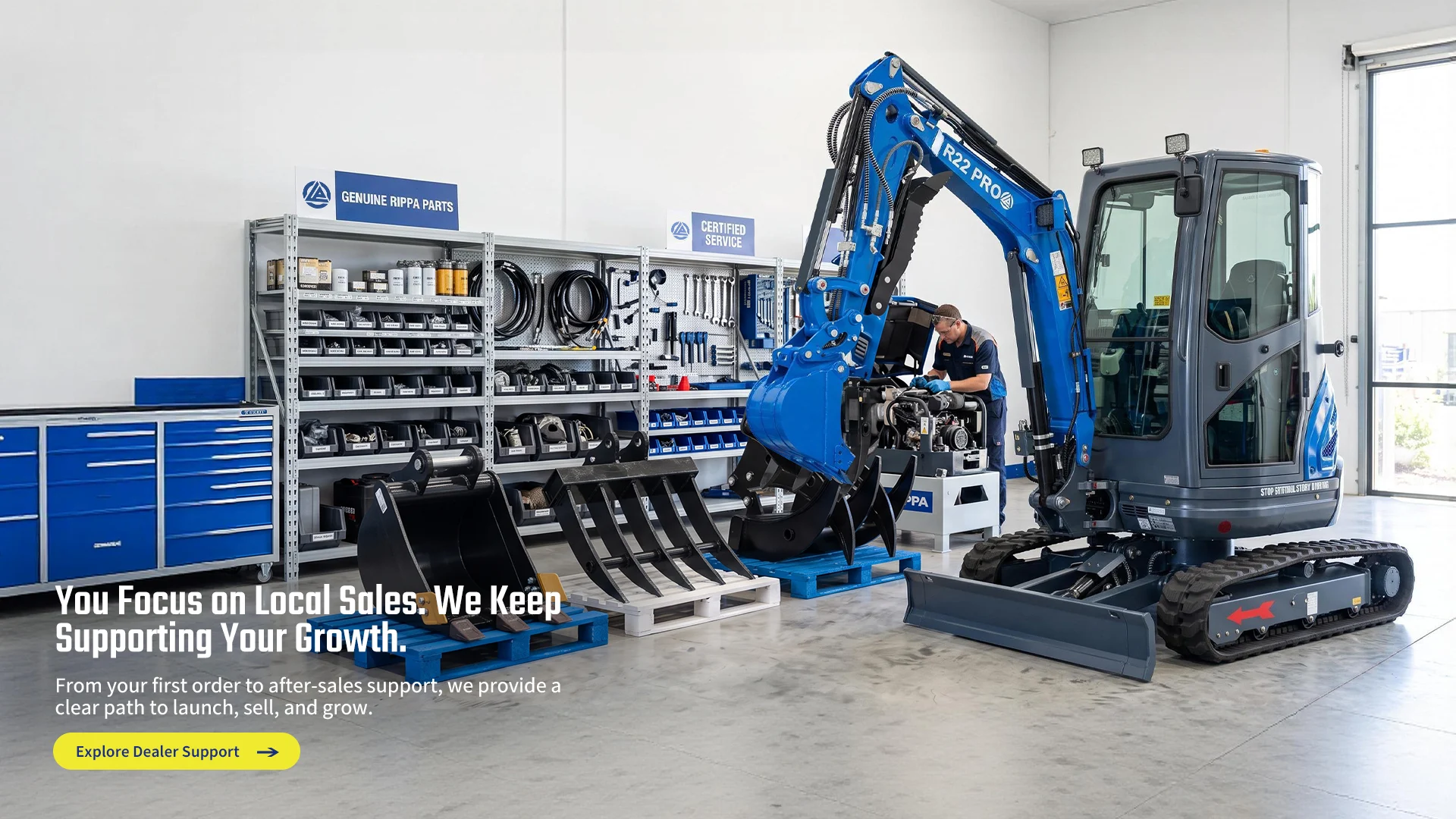
3. Consider Total Ownership Cost
The purchase price is only one factor.
Businesses should consider:
- Fuel
- الصيانة
- Parts
- النقل
- التخزين
- المرفقات
- Downtime
A cheaper machine may not always create lower total costs.
4. Think About Attachments Early
Many businesses buy excavators but underestimate attachment needs.
Possible attachments:
- دلاء
- المثاقب
- الملاقط
- Thumbs
- Breakers
The correct attachment strategy can significantly expand machine applications.
5. Evaluate Transport Requirements
Compact equipment is valuable because it can move between jobs.
تأمل ما يلي:
- Trailer capacity
- Machine weight
- Job-site access
- التخزين
Transport problems can reduce machine utilization.
6. Understand Maintenance Requirements
Before purchasing, understand:
- Service intervals
- Filters
- Wear components
- Hydraulic maintenance
- الدعم الفني
Downtime affects business revenue.
7. Choose a Supplier That Supports Your Business
Businesses should evaluate suppliers based on:
- Product information
- دعم قطع الغيار
- Technical communication
- Warranty process
- Documentation
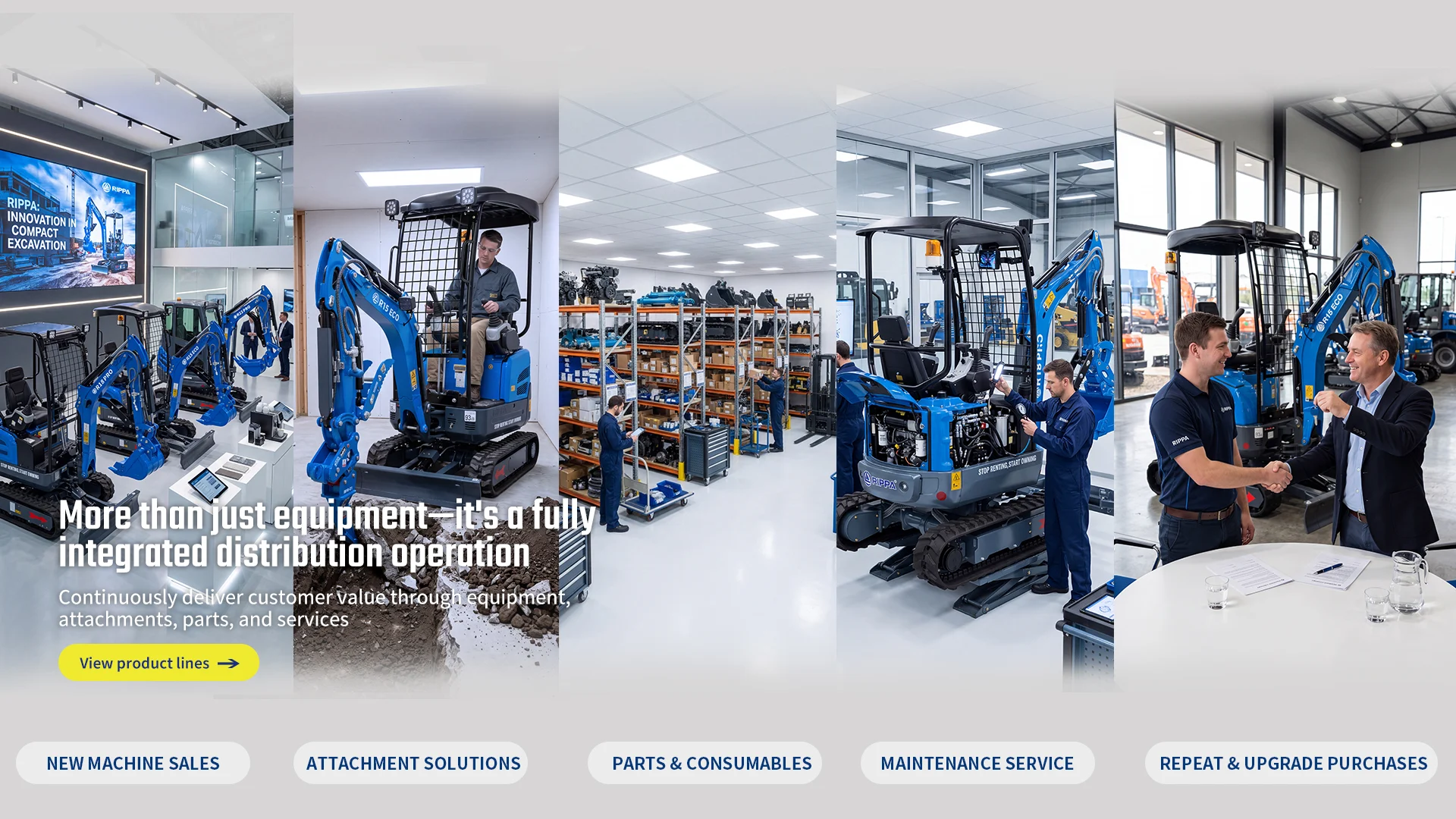
A machine supplier should support the business after the sale.
8. New vs Used Mini Excavators
New
Better suited for:
- Fleet standardization
- Long-term ownership
- Current configurations
Used
Better suited for:
- Lower entry cost
- Smaller businesses
- Specific budget requirements
Both options can be suitable depending on business needs.
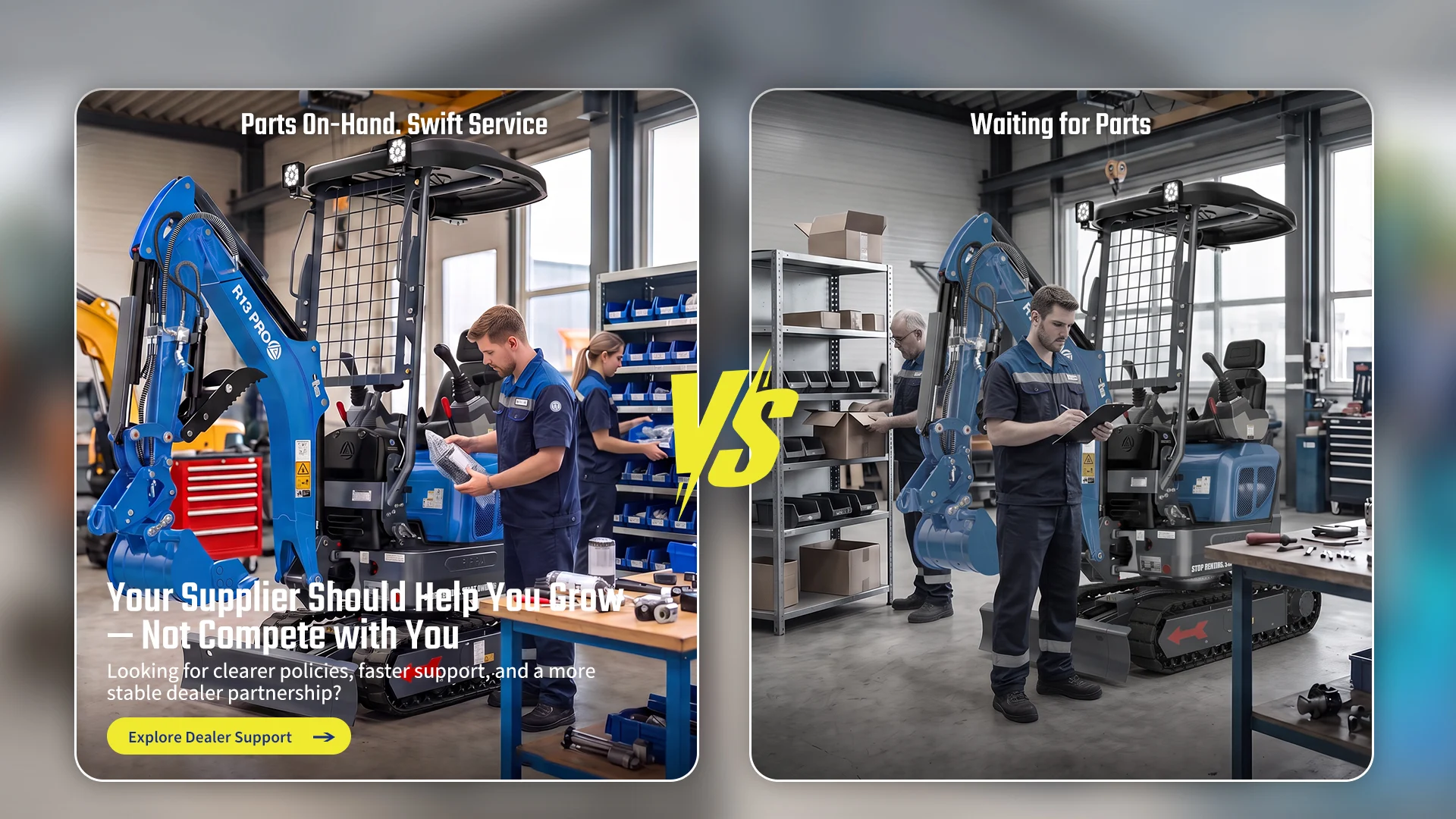
9. Can a Mini Excavator Help Grow a Business?
نعم.
A mini excavator can help businesses:
- Accept more projects
- Reduce outsourcing
- Add services
- Improve scheduling
For example:
A landscaping company can add drainage work.
A contractor can complete more excavation internally.
A rental company can expand fleet options.
الأسئلة الشائعة
What is the most important factor when buying a mini excavator?
Application fit.
The machine should match the work the business performs.
Are mini excavators good for small businesses?
Yes, especially businesses with repeated compact excavation needs.
Do attachments matter?
Yes. Attachments increase machine versatility.
Should businesses buy new or used?
The decision depends on budget, usage, and support requirements.
الخاتمة
Buying a mini excavator is a business decision, not only an equipment decision.
The best buyers evaluate:
- Work requirements
- Machine size
- Ownership cost
- المرفقات
- النقل
- Support
A well-selected الحفارة الصغيرة can become a long-term business asset.
 الصفحة الرئيسية
 المنتجات
 البريد الإلكتروني
 واتساب

