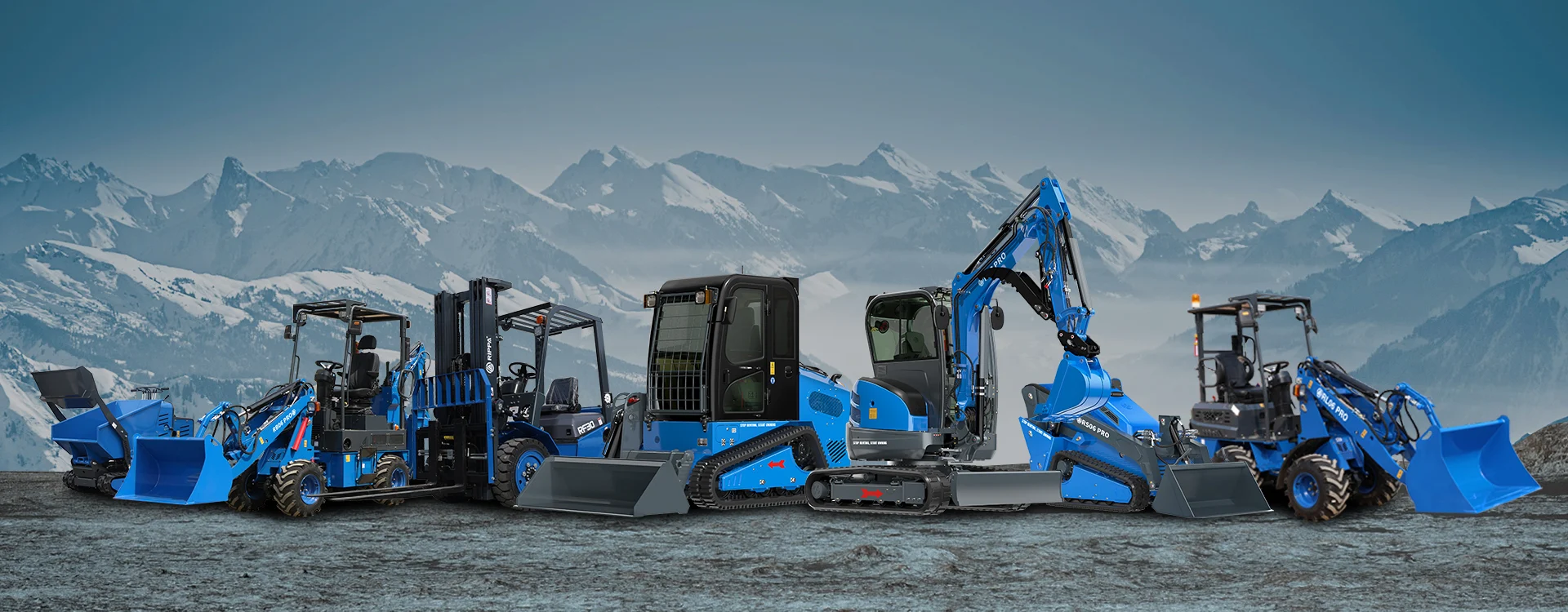
I’ve seen too many dealers lose money—not because the mini excavator was bad, but because they bought the wrong one. If you’re sourcing a mini excavator for sale for resale, rental, or fleet use, this guide will save you months of costly trial and error.
When buying a mini excavator for B2B purposes, buyers should evaluate machine tonnage, engine compliance, hydraulic performance, aftersales support, spare parts availability, and supplier flexibility. Choosing the right manufacturer directly impacts resale margin, uptime, and long-term ROI.
Instead of brand hype, let me show you how professional buyers actually choose mini excavators—step by step.

1 Start With the End Market, Not the Machine
This is where most buyers go wrong.
A mini excavator that sells well in Germany may struggle in the US. Russian and Eastern European buyers prioritize simple structure and cold-start reliability, while Western Europe values emissions and operator comfort.
Actionable tip:
Define your target market first, then select specifications.
2 Choose the Right Tonnage for Fast Turnover
For B2B buyers, the “sweet spot” is usually:
| Tonnage | Typical Use | Demand Level |
|---|---|---|
| 1–1.8T | Landscaping, DIY | Високо |
| 2–3T | Utilities, rental | Very High |
| 3–4T | Изпълнители | Stable |
Mini excavators between 1.5–3 tons move the fastest in most markets.
3 Engine Compliance Is Non-Negotiable
If you’re selling in the US or Europe, emissions compliance isn’t optional.
Потърсете:
-
EPA Tier 4 Final (US)
-
EU Stage V (Europe)
Failure here means unsellable inventory.
4 Hydraulics Matter More Than Horsepower
Buyers feel hydraulics immediately.
Smooth, responsive hydraulics:
-
Improve operator satisfaction
-
Reduce training time
-
Lower component wear
Actionable check:
Ask for hydraulic pump brand, valve configuration, and test data.
5 Simpler Machines = Lower Aftersales Cost
In many regions—especially Russia and Eastern Europe—customers prefer:
-
Fewer electronic components
-
Easy access for maintenance
-
Standardized spare parts
Complex machines increase aftersales risk.
6 Spare Parts Availability Decides Long-Term Success
This is where many Chinese excavator manufacturers lose deals.
Ask suppliers:
-
Do you stock parts overseas?
-
Can parts ship within 72 hours?
-
Are components standardized?
B2B reality:
Machines don’t fail markets—parts delays do.
7 Factory Flexibility Is a Hidden Profit Lever
Large brands are rigid. Smaller export-focused factories are flexible.
Flexibility means:
-
Custom decals / branding
-
Market-specific configurations
-
Mixed container loading
This matters a lot for dealers.
8 Price Is Important—but Margin Is Everything
A cheaper machine doesn’t always mean higher profit.
True margin depends on:
-
Цена на покупката
-
Warranty handling
-
Aftersales support
-
Repeat customer satisfaction
Think in margins, not unit price.
9 Why Many B2B Buyers Shift to Export-Focused Brands
More buyers now bypass big brands and work directly with manufacturers that:
-
Understand export logistics
-
Support dealers
-
Communicate efficiently
This trend is especially strong in mini excavator for sale markets.
10 RIPPA – Built for B2B Buyers, Not Just End Users
This is where RIPPA fits naturally.
RIPPA focuses on mini excavators designed for resale, rental, and dealer distribution, not just showroom appeal.
Why B2B buyers choose RIPPA:
-
Direct factory supply = stronger margins
-
Configurations aligned with US & European demand
-
Fast communication and OEM support
-
Experience working with dealers and importers
 Начало
 Продукти
 Имейл
Имейл
 WhatsApp

