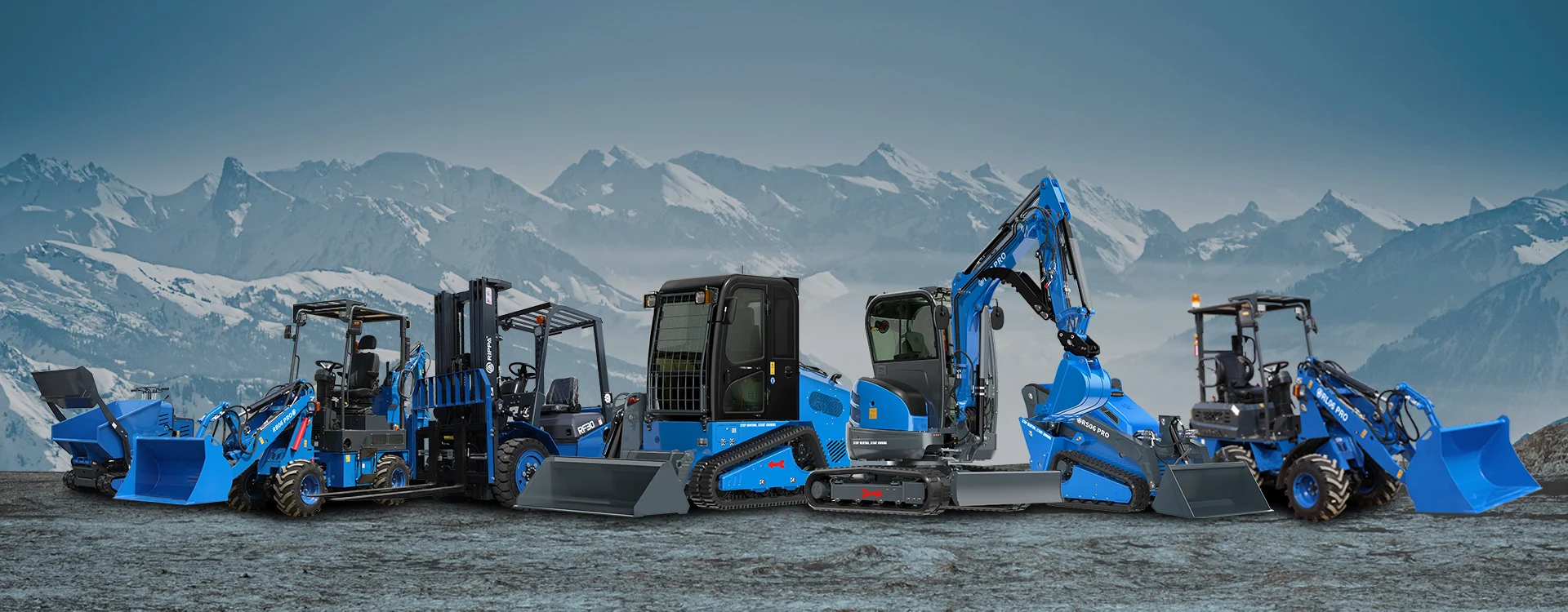
Why Proper Storage Matters for Skid Steer Loaders
Construction equipment is not always used continuously throughout the year. Seasonal changes, project delays, business schedules, and changes in workload can leave a skid steer loader unused for an extended period.
However, parking a machine and leaving it unattended is not the same as preparing it for storage.
A Chinese skid steer loader that is stored without proper preparation may develop issues related to moisture, corrosion, battery condition, tires or tracks, and fluid systems. When the machine is needed again, these issues can delay its return to work.
For contractors, equipment dealers, and fleet managers, a documented storage process helps protect equipment condition and makes future operation easier to organize.
1. Select a Suitable Storage Location
The first step is choosing an appropriate place to store the machine.
Whenever possible, use a clean, dry, and secure indoor storage area. A covered location can help reduce direct exposure to rain, snow, sunlight, and other environmental conditions.
If indoor storage is unavailable, choose a stable and well-drained outdoor location.
Consider the following points:
- Avoid areas where water regularly accumulates.
- Keep the machine away from unnecessary contact with corrosive materials.
- Allow enough space for inspection and maintenance access.
- Keep the equipment away from heavy traffic and potential impact hazards.
- Use suitable security measures to prevent unauthorized access.
The storage environment should also comply with relevant fire safety and equipment storage requirements.
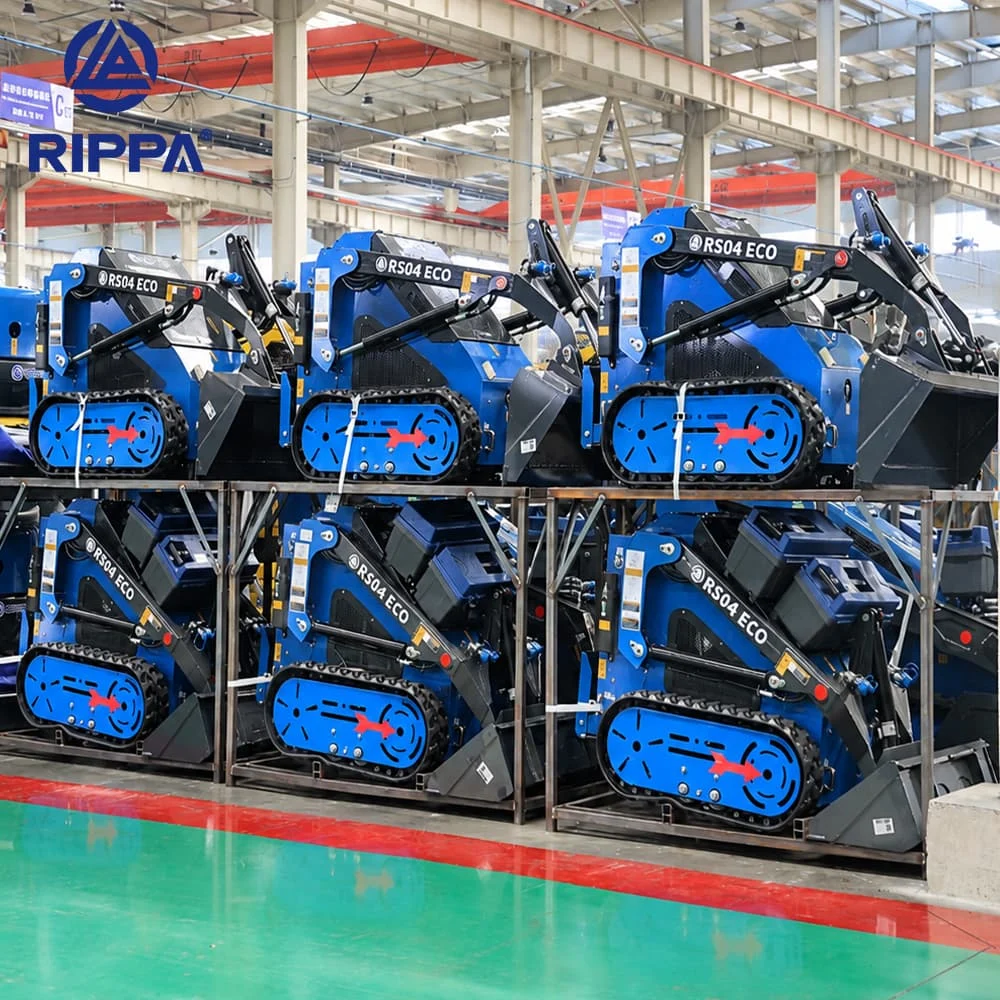
2. Clean the Machine Before Storage
Dirt, mud, plant material, and construction debris can accumulate around the machine during normal operation.
Before storage, clean the exterior and remove material that could retain moisture or interfere with components.
Pay particular attention to:
- The undercarriage and accessible moving areas.
- The lift arms and attachment mounting points.
- The engine compartment, following manufacturer cleaning instructions.
- The cab or operator station.
- The bucket and other attachments.
Avoid directing high-pressure water at electrical components, sensitive connectors, seals, or other areas where water intrusion could cause damage.
After cleaning, allow the machine to dry properly and inspect for visible damage or leaks.
3. Follow the Manufacturer’s Fluid and Lubrication Instructions
Fluid management during extended storage should follow the machine manufacturer’s instructions.
Before placing a Chinese skid steer loader into storage, review the recommended procedures for:
- Engine oil.
- Coolant.
- Hydraulic fluid.
- Fuel system.
- Grease points and lubrication locations.
Do not automatically drain or replace fluids simply because the machine will be unused. The correct approach depends on the manufacturer’s maintenance schedule, storage duration, environmental conditions, and the machine’s design.
If storage is expected to last for several months, consult the operation and maintenance manual for any additional preservation procedures.
4. Protect the Battery and Electrical System
Battery condition can change while equipment remains unused.
Before storage, inspect the battery and accessible electrical connections for visible corrosion, damage, or loose connections.
Follow the manufacturer’s guidance regarding battery disconnection, charging, or use of an approved battery maintainer.
Additional considerations include:
- Keep electrical connections clean and secure.
- Store batteries according to their manufacturer’s instructions when removed.
- Protect exposed connectors from moisture.
- Avoid improvised charging equipment.
- Check the battery condition before restarting the machine.
Never disconnect or reconnect electrical components without following the correct safety procedure.
5. Consider Tires, Tracks, and Attachments
The machine’s tires or tracks should be inspected before extended downtime.
For tire-equipped machines, check the condition and inflation according to the manufacturer’s recommendations. For track-equipped machines, inspect the tracks and undercarriage for visible damage and accumulated debris.
Where specified by the manufacturer, use the recommended storage position or support method to reduce unnecessary stress on components.
Attachments also need appropriate storage.
Buckets, forks, grapples, and other tools should be cleaned and placed in a stable position. Hydraulic connections should be protected against contamination, and attachment components should be stored according to their operating instructions.
Keep incompatible or damaged attachments out of the equipment storage area.
6. Protect the Machine From Environmental Damage
Environmental exposure can affect equipment during long periods of inactivity.
Moisture may contribute to corrosion, while dust and debris can accumulate around openings and exposed components. Extreme temperatures may also influence batteries, fluids, and other materials.
Depending on the storage environment, consider:
- Using suitable covers where recommended.
- Keeping ventilation openings protected without blocking required airflow.
- Checking for signs of moisture accumulation.
- Maintaining a clean storage area.
- Inspecting the machine periodically during extended downtime.
Covers should be suitable for equipment storage. Improper covering can trap moisture and create additional problems.
7. Keep a Storage Record
For businesses managing multiple machines, storage records make equipment management more organized.
A basic record should include:
| Record Item | Information to Document |
|---|---|
| Machine identification | Model and equipment identification details |
| Storage date | Date equipment entered storage |
| Operating condition | Condition before storage |
| Maintenance status | Completed and outstanding maintenance |
| Battery | Storage procedure and condition |
| Tires or tracks | Inspection findings |
| Attachments | Stored tools and their condition |
| Follow-up | Inspection dates and reported issues |
These records help managers understand how long equipment has been unused and what preparation was completed before storage.
8. Inspect the Machine Before Returning It to Work
A skid steer loader should not immediately return to full operation simply because its storage period has ended.
Before restarting, review the storage record and conduct a thorough inspection according to the manufacturer’s instructions.
Check:
- Exterior condition and signs of corrosion.
- Fluid levels and visible leakage.
- Battery condition and electrical connections.
- Hoses, belts, and accessible components.
- Tires or tracks.
- Attachment mounting points.
- Safety systems and operator controls.
- Warning indicators after starting.
Once the preliminary checks are complete, follow the manufacturer’s restart procedure.
Conduct a controlled functional check in a suitable area. Pay attention to abnormal sounds, warning indicators, irregular movement, or fluid leakage.
If any problem is identified, have it evaluated by qualified personnel before returning the machine to normal service.
Frequently Asked Questions
How should a skid steer loader be stored for several months?
Store it in a suitable clean and dry location, clean the machine, follow manufacturer guidance for fluids and lubrication, protect the battery and exposed components, and keep a record of its condition.
Should a skid steer loader be covered during storage?
A suitable cover may help protect equipment from environmental exposure. However, it should not trap moisture or block ventilation where ventilation is required.
What should be checked before restarting a stored skid steer loader?
Inspect the exterior, fluid levels, battery, electrical connections, hoses, tires or tracks, attachments, and safety systems. Follow the manufacturer’s restart instructions before returning the machine to operation.
Can a skid steer loader be stored outdoors?
Outdoor storage may be possible when a suitable location is selected. The machine should be protected from standing water, excessive environmental exposure, unauthorized access, and other site hazards.
Do storage procedures differ between tire and track skid steer loaders?
Some procedures differ because tires and tracks have different inspection and storage considerations. Operators should follow the specific recommendations in the machine’s manual.
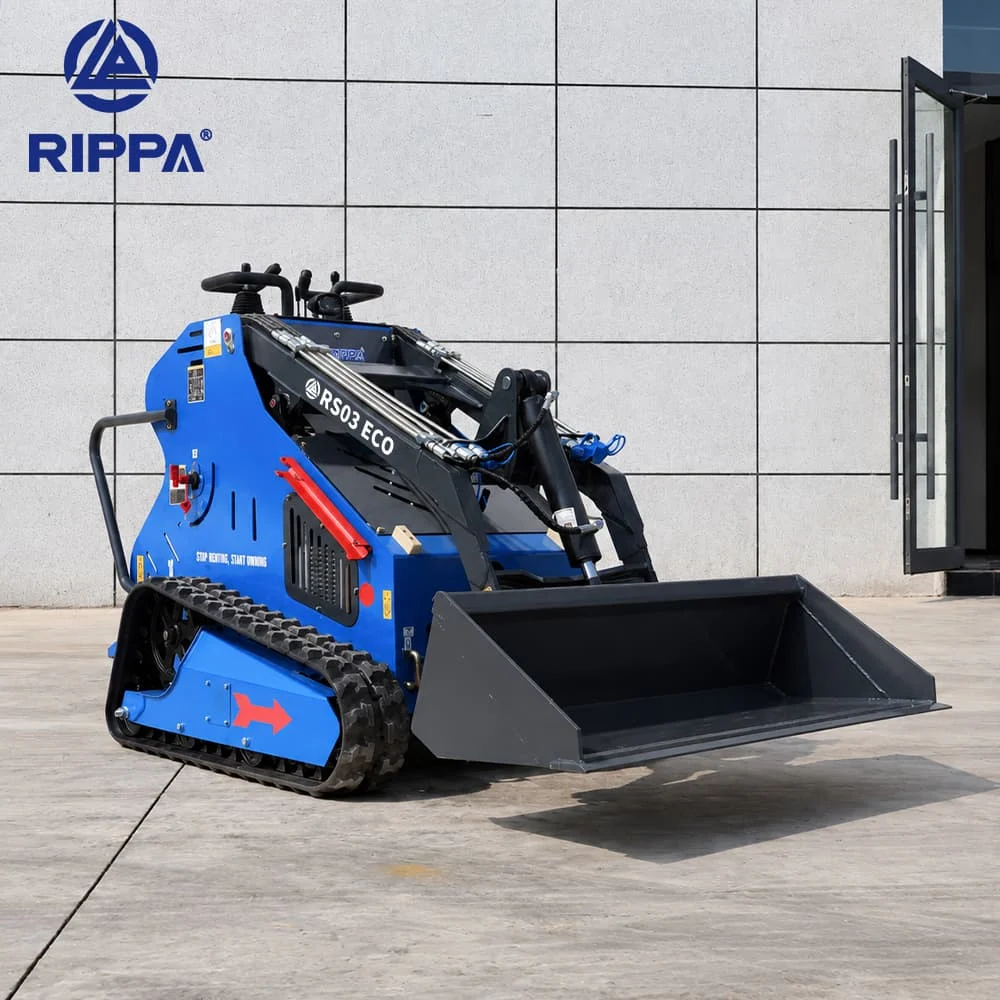
Conclusion
Proper storage is an important part of managing a Chinese skid steer loader throughout its working life. Cleaning the machine, selecting a suitable storage location, following fluid and battery procedures, protecting attachments, and keeping maintenance records can help prepare equipment for extended downtime.
Before returning a stored machine to work, contractors should complete the manufacturer’s recommended restart checks and address any identified problems. A consistent storage process helps businesses manage equipment more effectively and reduce avoidable delays when projects resume.
 Home
 Products
 Email
 WhatsApp

