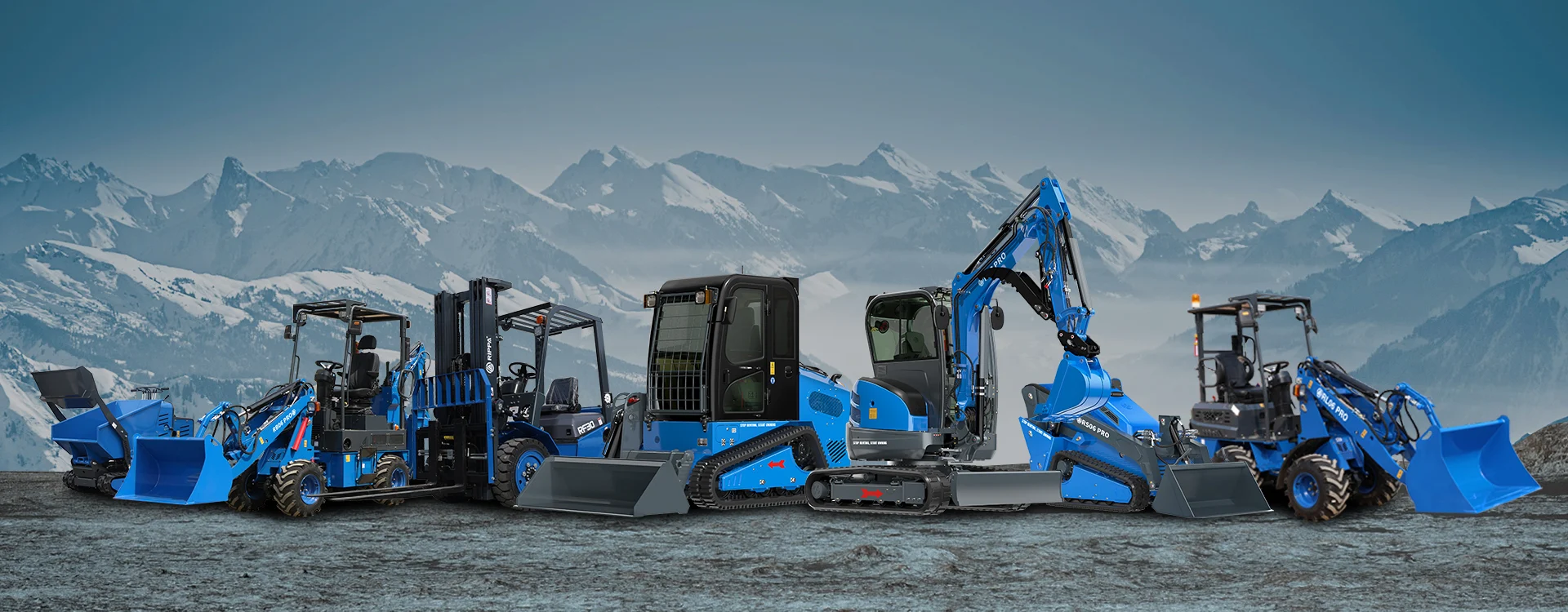
Searching for skid loaders for sale is easier when the decision begins with daily farm tasks instead of a long equipment list. A machine suited to a concrete dairy yard may not fit muddy fields, tight poultry buildings, or seasonal bale handling. Define the surface, load, access, and attachments before comparing models.

Choose Mobility for the Working Surface
Wheeled skid steer loaders are agile on concrete, asphalt, and firm ground. Their compact turning ability helps around livestock buildings, loading areas, and narrow yards. Tires are straightforward to inspect and replace, although sharp turns can accelerate wear.
Compact track loaders spread weight across a larger ground-contact area. Their traction and flotation can help in loose soil, wet gateways, snow, and uneven terrain. Balance this ability against undercarriage maintenance because tracks and rollers add wear and cost.
Size the Loader Around Real Tasks
Identify the heaviest material the loader will handle, then consider how far forward and how high it must travel. Carrying bedding near the ground creates different stability demands from placing a pallet or bale on a raised platform. Compare every planned job with the rated limits and operating instructions for the exact loader and attachment combination.
Measure entrances, low roofs, feed passages, and turning space. Confirm that the machine and attachment can be transported safely with the available trailer and tow vehicle. Excess capacity may add cost without improving productivity.
Plan Attachments Before Purchase
Attachments create year-round value, but compatibility involves more than the mounting plate. Hydraulic flow, pressure, return lines, electrical connections, stability, and controls must suit the tool. Augers, trenchers, mowers, and sweepers may demand more than a standard auxiliary circuit can supply.
Prioritize tools by frequency and return. A bucket and pallet forks may work weekly, while a bale spear, grapple, snow blade, or manure scraper serves a season. Worn hoses, couplers, cutting edges, and locking points can reduce availability and safe operation.
Look Beyond the Purchase Price
Calculate ownership cost across the expected working period. Fuel, wear parts, service, transport, and downtime can outweigh a low initial price. On a used loader, inspect cold starting, leaks, pins, lift arms, hydraulics, safety devices, and attachment retention. Seek an independent inspection when its history is unclear.
Dealer support matters during feeding, planting, harvest, and winter work. Confirm parts supply, warranty coverage, service response, operator information, and regional documentation. When comparing skid loaders for sale, test the leading options with a representative load and attachment. The right farm loader fits the site, completes priority jobs safely, and remains practical to maintain throughout its working life.
 Начало
 Продукти
 Имейл
Имейл
 WhatsApp

