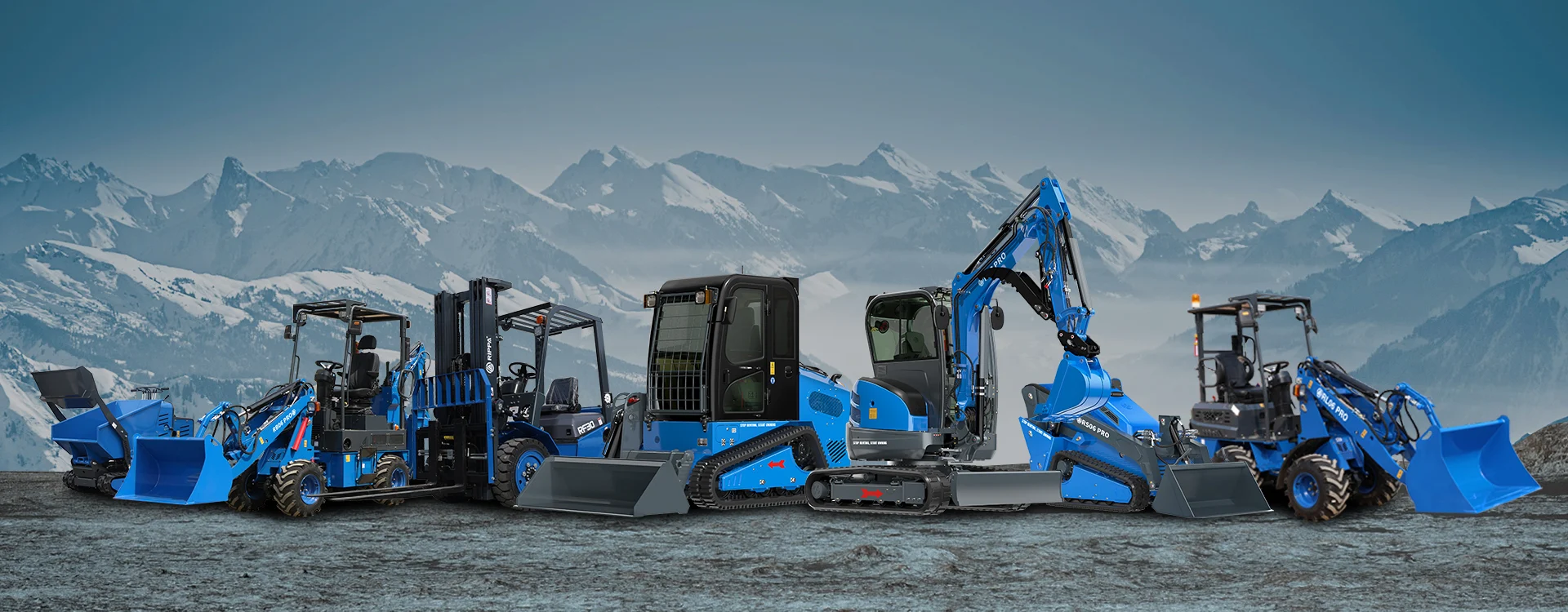
An excavator is one of the most widely used pieces of construction equipment in modern construction, agriculture, infrastructure development, landscaping, and mining. With powerful digging, lifting, and material-handling capabilities, excavators can significantly improve productivity while reducing manual labor.
From compact machines used for residential projects to large excavators working in mines and major infrastructure projects, different types of excavators are designed to meet different job requirements.
What Is an Excavator?
An excavator is a type of heavy equipment primarily designed for digging soil, rock, and other materials. A typical excavator consists of several major components, including an engine, hydraulic system, cab, upper structure, undercarriage, boom, arm, and bucket.
During operation, the engine provides power to the hydraulic system. Hydraulic pressure then drives the boom, arm, bucket, swing system, and travel system, allowing the operator to perform a wide range of tasks efficiently.
Compared with manual labor, excavators provide higher productivity, greater digging power, and improved efficiency for construction projects.
Common Types of Excavators
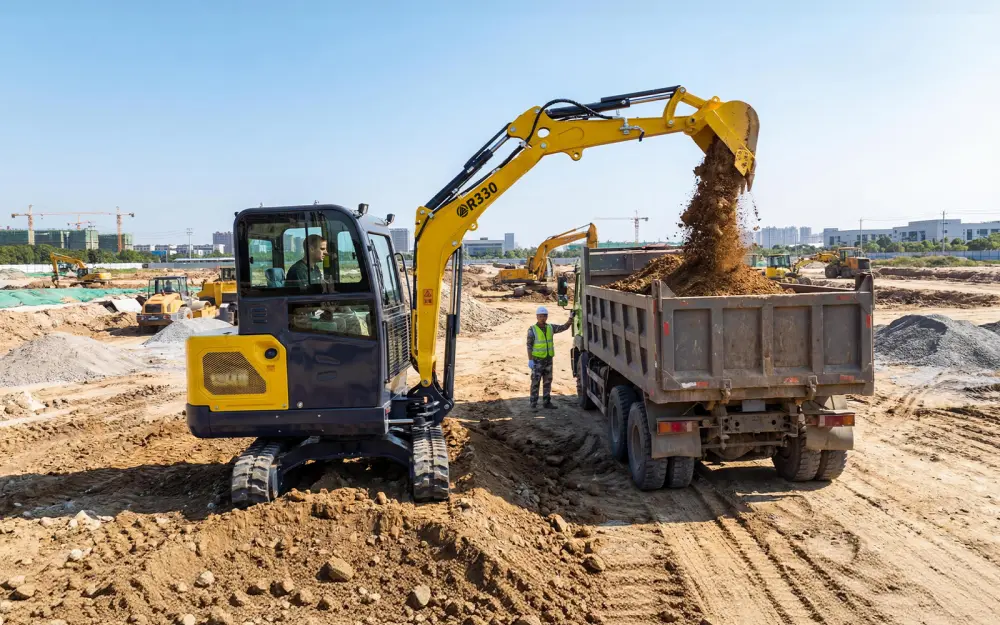
Excavators can be classified according to their size, operating weight, design, and intended application.
1. Mini Excavators
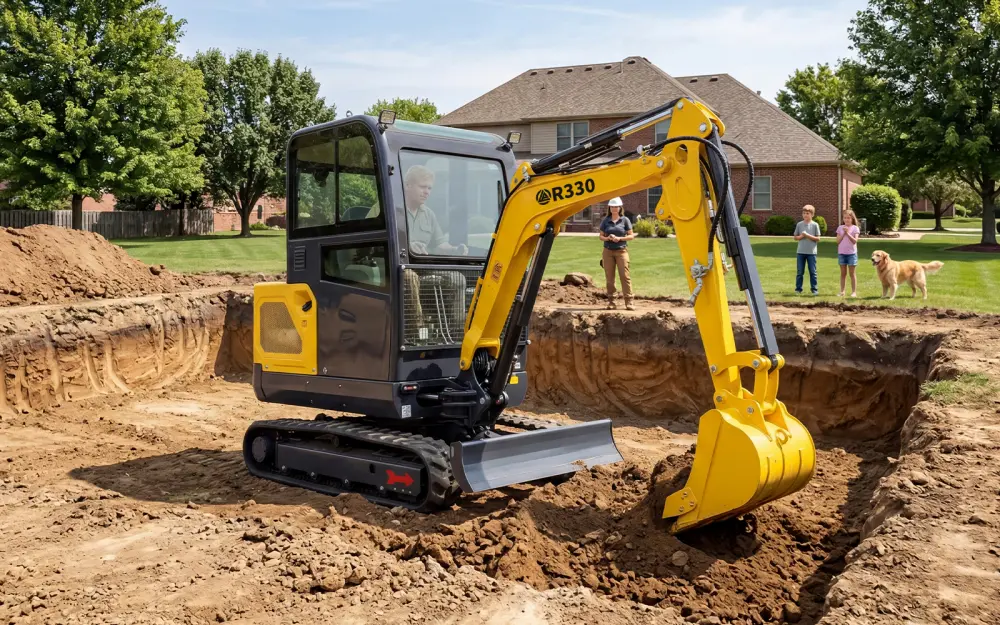
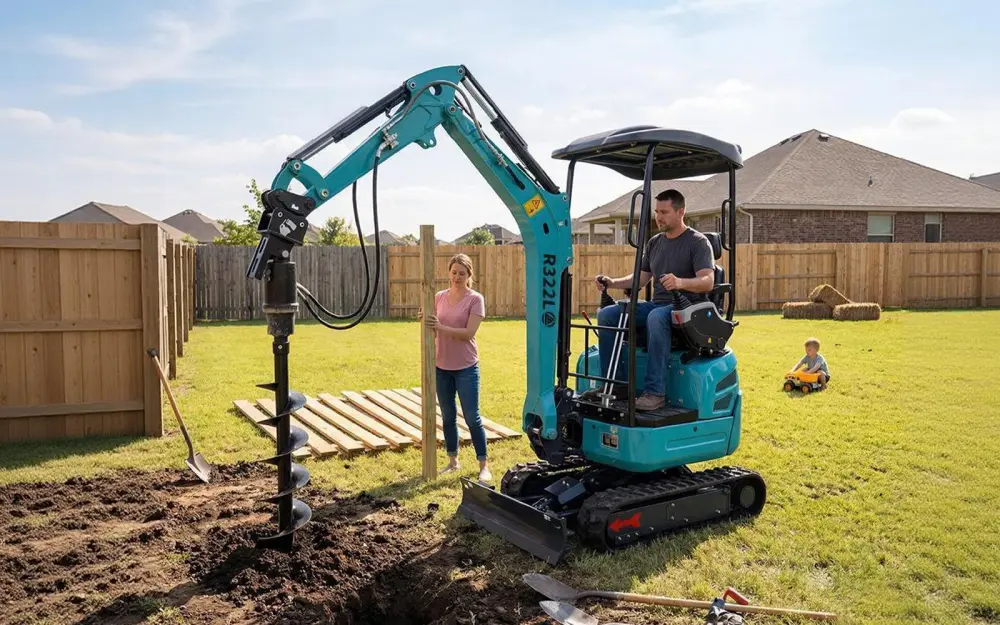
Mini excavators are compact machines designed for projects where space is limited. They are commonly used for residential construction, landscaping, utility installation, agriculture, and small-scale excavation.
Because of their compact dimensions, mini excavators can access areas that larger machines cannot easily reach. They are particularly useful for backyard construction, narrow urban sites, gardens, farms, and other confined working environments.
For contractors and equipment dealers, mini excavators have become an important category in the construction equipment market because of their versatility and relatively easy transportation.
2. Compact Excavators
Compact excavators offer more digging power and operating capacity than smaller mini excavators while maintaining good maneuverability.
They are commonly used for road construction, land preparation, foundation work, agricultural projects, and municipal construction.
3. Medium Excavators
Medium excavators provide a balance between power, digging depth, operating capacity, and mobility. They are widely used for larger construction projects, road development, infrastructure construction, and commercial building projects.
4. Large Excavators
Large excavators are designed for demanding applications such as mining, quarrying, major earthmoving projects, and large-scale infrastructure construction.
They generally feature higher engine power, larger buckets, greater digging depth, and stronger structural components.
What Are the Main Components of an Excavator?
Understanding the major components of an excavator can help buyers select the right machine for their applications.
Двигател
The engine is the primary power source of an excavator. It provides the power required for the hydraulic system, travel system, and other machine functions.
Хидравлична система
The hydraulic system plays a critical role in excavator performance. It transfers engine power to the boom, arm, bucket, swing motor, and other hydraulic components.
A well-designed hydraulic system can provide smooth, fast, and precise machine movements.
Boom and Arm
The boom and arm control the position and movement of the bucket. Together, they allow the operator to reach different digging depths and working distances.
Кофа
The bucket is the primary attachment used for digging and material handling. Different bucket designs and sizes can be selected according to soil conditions and specific applications.
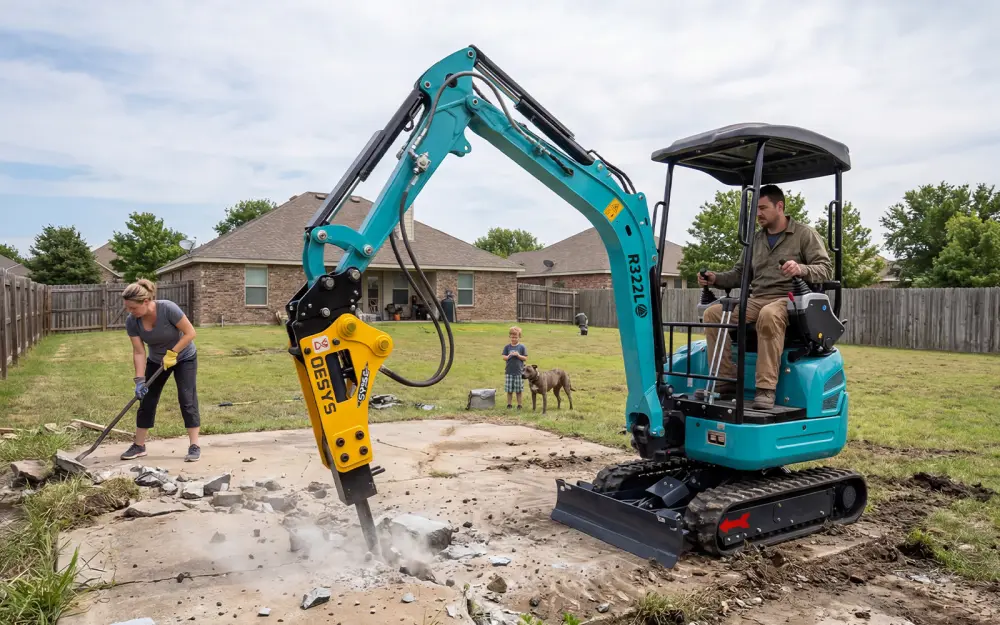
Other attachments, such as hydraulic breakers, augers, grapples, and rippers, can further expand the capabilities of an excavator.
Undercarriage
The undercarriage includes the tracks or wheels that allow the excavator to move around the jobsite.
Tracked excavators generally provide excellent stability and performance on uneven terrain, while wheeled excavators offer faster travel speeds and better road mobility.
Where Are Excavators Used?
Excavators are used across a wide range of industries and applications, including:
- Residential construction
- Commercial construction
- Строителство на пътища
- Infrastructure projects
- Селско стопанство
- Озеленяване
- Utility installation
- Pipeline construction
- Mining and quarrying
- Разрушаване
- Разчистване на земя
Mini excavators are especially popular for urban construction and residential projects because their compact size allows them to operate in areas where larger machines may not be practical.
How to Choose the Right Excavator?
Choosing an excavator should involve more than simply comparing purchase prices. Buyers should first consider the actual working conditions and project requirements.
Consider the Operating Environment
If the machine will be used in narrow areas, a mini or compact excavator may be the best choice. For large-scale earthmoving operations, a larger excavator may provide better productivity.
Check Engine Power
Engine power affects the overall performance of the machine. Buyers should consider the required digging force, travel performance, and hydraulic capacity.
Consider Digging Depth and Reach
Maximum digging depth and maximum digging reach are important specifications for foundation work, trenching, drainage installation, and other excavation projects.
Evaluate Machine Width and Transportation
For contractors working in residential or urban areas, machine width can be especially important. A compact excavator that can easily pass through narrow entrances can provide significant practical advantages.
Consider Attachments
A machine that supports multiple attachments can perform more tasks and deliver better long-term value.
Evaluate After-Sales Support
For equipment dealers and professional contractors, after-sales service, spare parts availability, warranty coverage, and technical support should also be considered when selecting an excavator manufacturer.
Багери RIPPA
RIPPA is a construction equipment manufacturer offering a range of excavators and other machinery for international markets.
Its excavator lineup includes compact and mini excavators as well as larger models designed for different working conditions. Models such as the R10, R13 PRO, R15, R18 PRO, and R22 PRO are designed for applications including residential construction, landscaping, agriculture, utility work, and general excavation.
For example, the RIPPA R15 is a compact excavator powered by a Kubota D722 engine. Its compact design makes it suitable for contractors and operators who need a combination of maneuverability and reliable working performance.
For construction equipment dealers, having access to multiple excavator sizes can also make it easier to serve customers with different project requirements.
Заключение
Excavators are essential machines in modern construction and infrastructure development. From compact mini excavators working in residential backyards to large machines used in mining and major earthmoving projects, excavators are available in a wide range of sizes and configurations.
When choosing an excavator, buyers should consider operating weight, engine power, digging depth, machine width, hydraulic performance, attachment compatibility, transportation, and after-sales support.
For contractors and construction equipment dealers looking for reliable equipment suppliers, manufacturers such as RIPPA provide a range of excavator models designed for different applications and international markets.
 Начало
 Продукти
 Имейл
Имейл
 WhatsApp

