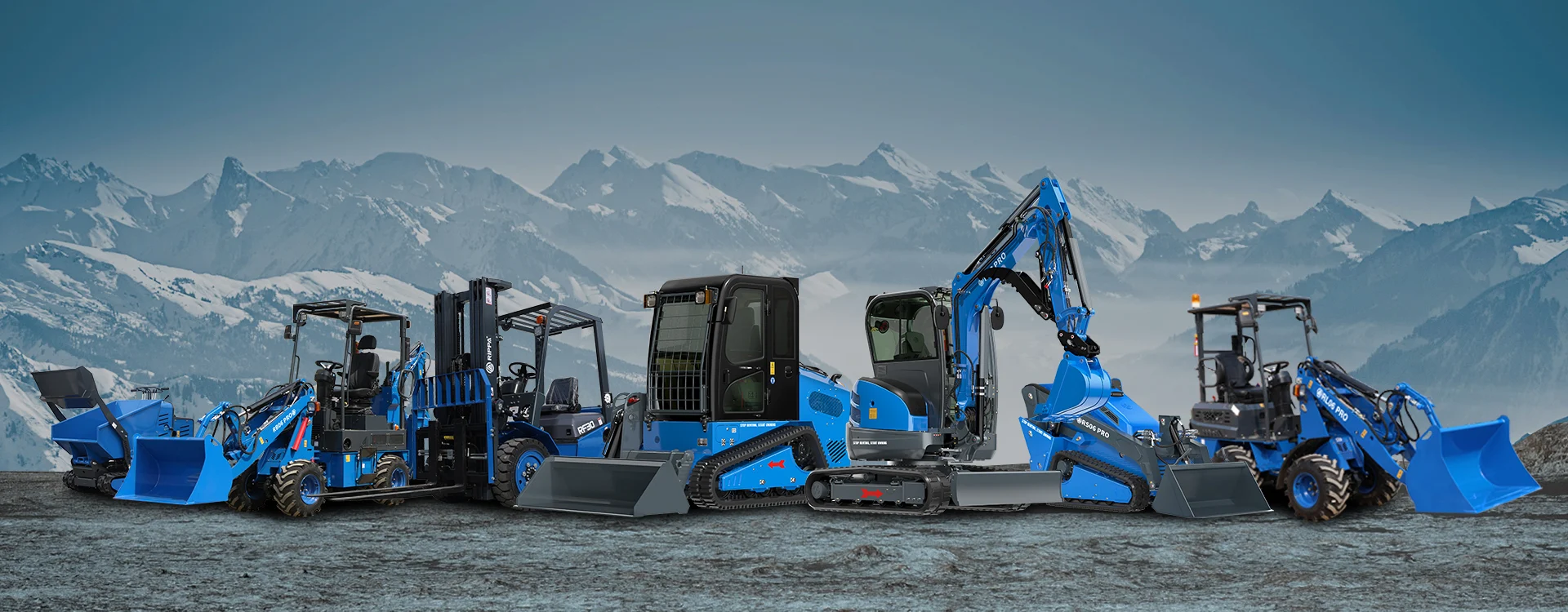
A skid steer loader is a compact, multi-purpose construction machine designed for loading, grading, and material handling in confined job sites. It is ideal for multi-task projects but not suitable for large-scale heavy excavation or long-distance hauling.
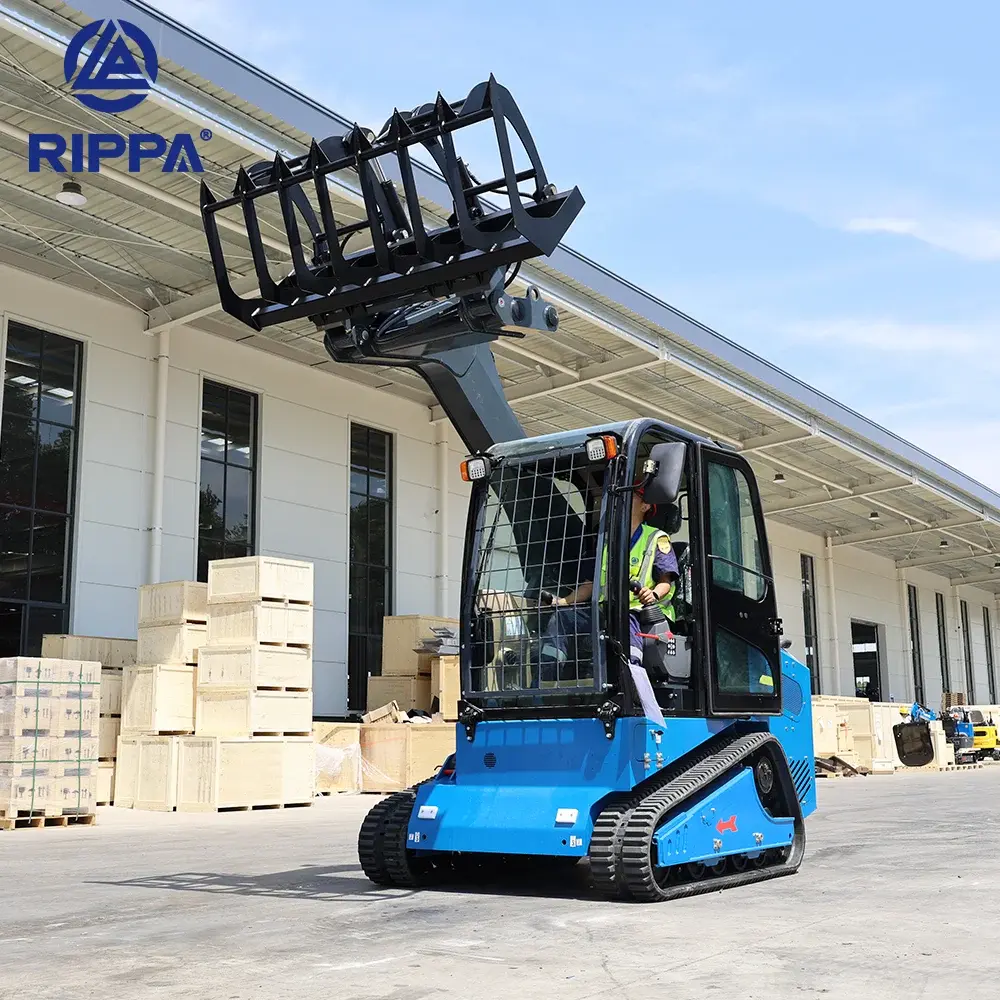
What Is a Skid Steer Loader and Why Is It Used?
A skid steer loader is a compact piece of equipment with independently driven wheels that allow zero-radius turning. It is widely used in construction, landscaping, agriculture, and municipal work due to its versatility and attachment compatibility.
Industry characteristics typically include:
-
●Operating weight between 3,000 and 10,000 lbs
-
●Wheel-based mobility with tight turning capability
-
●Quick-attach systems for multiple tools
-
●Designed for confined jobsite operation
Common industry terms include:
skid loader, SSL loader, compact skid steer, and mini skid steer.
Why Machine Weight Matters When Buying a Skid Steer
Weight affects more than lifting capacity — it influences stability, transport logistics, and ground pressure.
Key Factors Impacted by Weight
-
●Trailer and transport requirements
-
●Performance on soft or uneven terrain
-
●Attachment handling capability
-
●Fuel consumption and operating cost
Typical Weight Categories
-
●Mini skid steer: under 3,000 lbs
-
●Mid-size skid steer: 5,000–7,000 lbs
-
●Large frame skid steer: 8,000–10,000 lbs
Buyers should match machine weight to jobsite conditions rather than choosing the largest model available.
Real Jobsite Applications of Skid Steer Loaders
Skid steers are widely used across industries due to their flexible attachment systems.
Common applications include:
-
●Material loading and transport
-
●Ground leveling and grading
-
●Demolition cleanup
-
●Snow removal
-
●Farm and livestock maintenance
These projects typically involve:
tight workspaces, frequent task changes, and moderate material volumes.
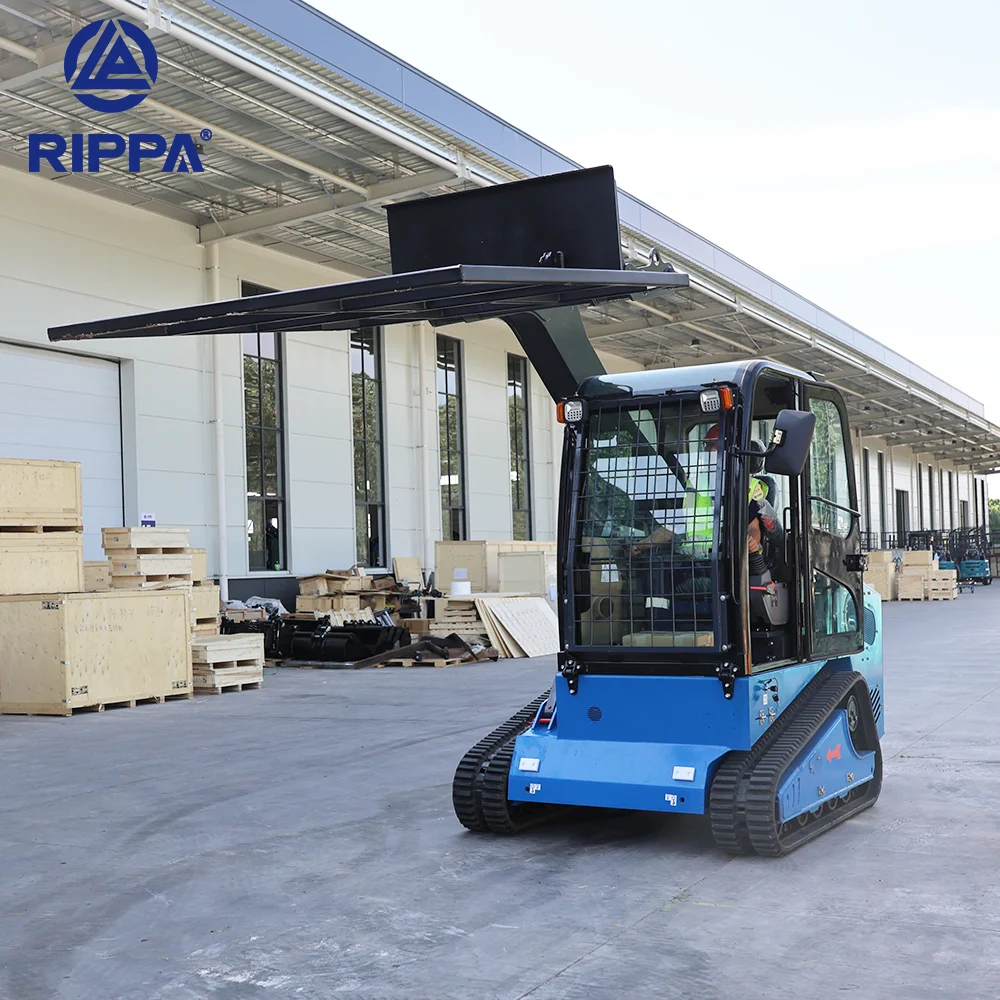
What a Skid Steer Can and Cannot Do
Capabilities
-
●Material handling with buckets or pallet forks
-
●Light excavation and trenching with attachments
-
●Surface preparation and grading
Limitations
-
●Deep structural excavation
-
●Continuous heavy mining work
-
●Long-distance hauling tasks
Understanding operational limits prevents premature wear and inefficient equipment use.
Common Buyer Questions
Is a heavier skid steer always better?
No. Heavier machines provide stability but may damage soft surfaces or require larger trailers.
Can one skid steer replace multiple machines?
Yes, when equipped with the correct attachments.
Is Bobcat the only reliable skid steer brand?
No. The market includes multiple manufacturers offering different performance levels and price points.
Skid Steer vs Track Loader – Quick Comparison
| Feature | Skid Steer | Compact Track Loader |
|---|---|---|
| Mobility | Fast on hard surfaces | Better on soft terrain |
| Maintenance | Lower cost | Higher cost |
| Ground pressure | Higher | Lower |
| Purchase price | Lower | Higher |
Conclusion
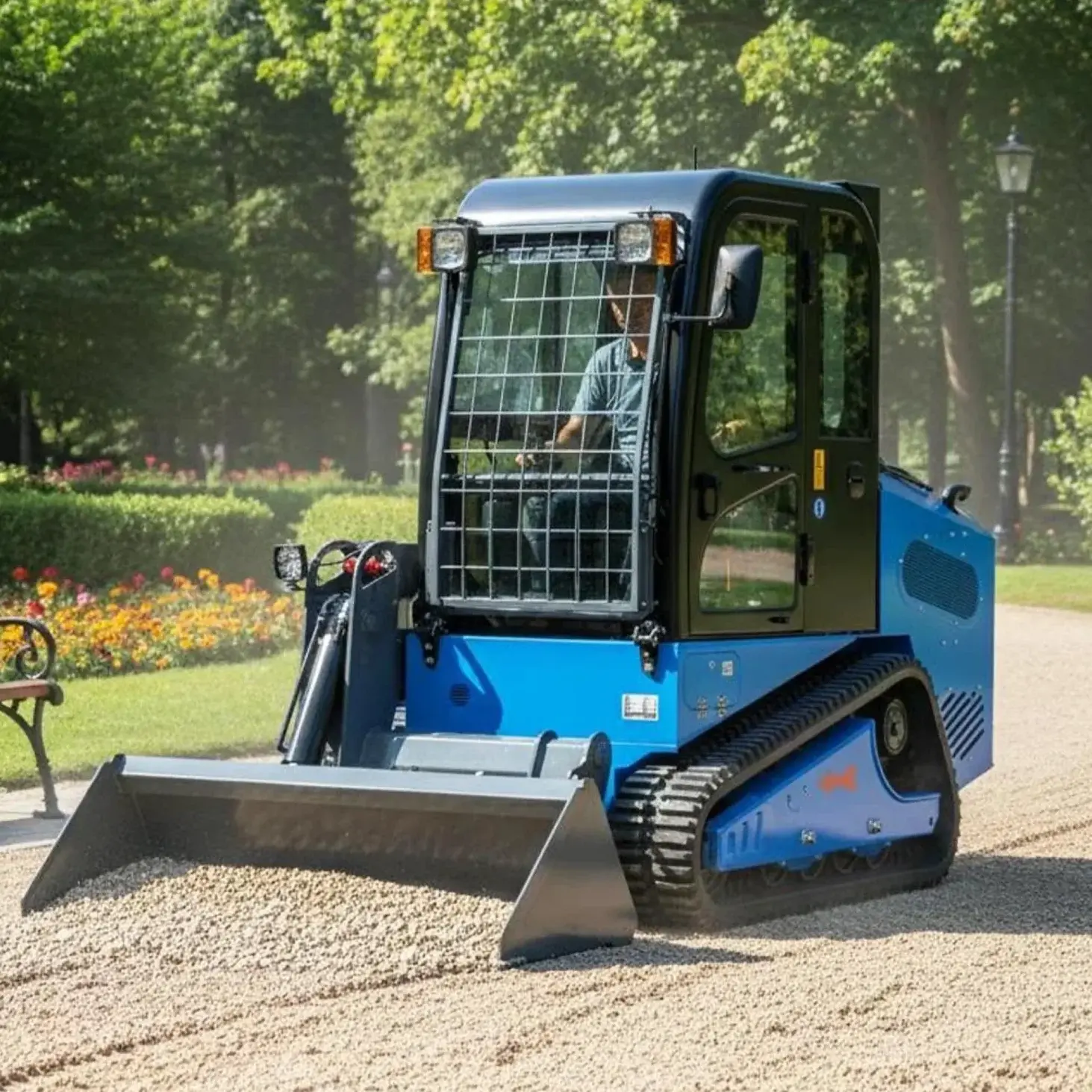
If your work involves hard surfaces, tight job sites, and diverse daily tasks, a skid steer loader is an efficient choice. For muddy terrain or heavy pushing power, a compact track loader may be more suitable.
 Home
Home
 Products
 Email
Email
 WhatsApp

