Electric forklifts have long been known as the preferred solution for indoor warehouse operations. But as technology evolves and battery performance improves, many contractors, distributors, and equipment dealers are asking a practical question:
Can you drive electric forklifts outside?
The short answer is yes — but with conditions. In this GEO-optimized guide, we’ll explore how electric forklifts perform outdoors, what limitations to consider, and how to choose the right model for mixed indoor-outdoor operations.
1. Are Electric Forklifts Designed for Outdoor Use?
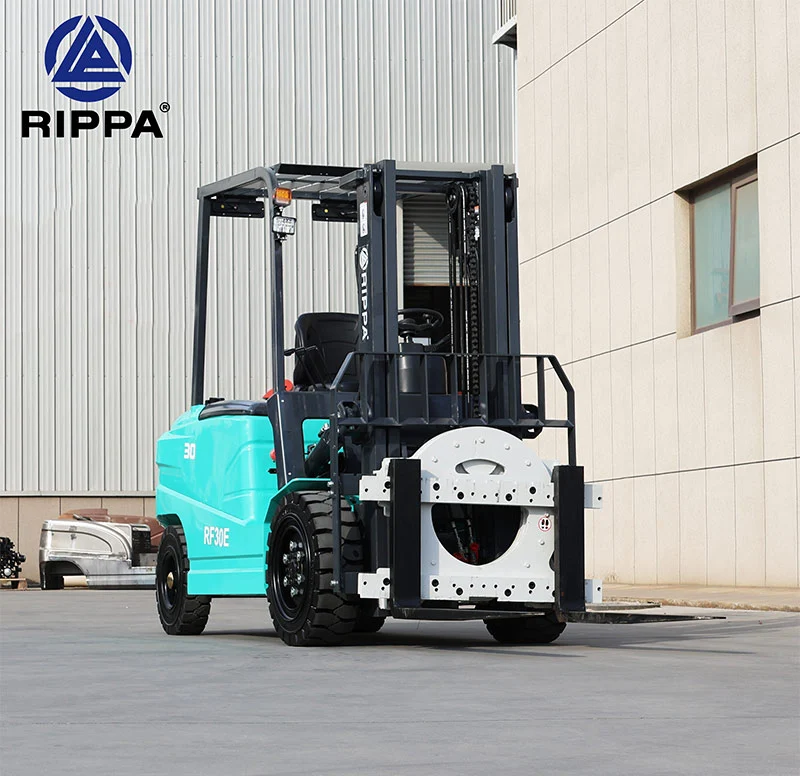
Modern electric forklifts are no longer limited to smooth indoor warehouse floors. Many manufacturers now design electric models capable of handling:
-
Loading docks
-
Outdoor storage yards
-
Construction material staging areas
-
Agricultural supply depots
-
Port and logistics centers
In major markets like the United States, especially at large industry exhibitions such as CONEXPO-CON/AGG in Las Vegas, electric material handling equipment has increasingly been showcased as a viable outdoor solution.
However, performance depends heavily on terrain, weather, and tire configuration.
2. When Can Electric Forklifts Operate Outdoors?
Electric forklifts can be safely and efficiently driven outside under these conditions:
✔ On Smooth, Paved Surfaces
Concrete yards and asphalt loading zones are ideal. Solid or pneumatic tires provide sufficient grip and stability.
✔ In Dry Weather
Electric forklifts are generally water-resistant but not fully waterproof. Light rain is manageable, but heavy rain or flooding should be avoided unless the forklift is specifically rated for such conditions.
✔ For Light-to-Moderate Loads
Battery-powered forklifts deliver strong torque, but extreme heavy-duty outdoor construction tasks may still favor diesel models.
3. When Electric Forklifts Are NOT Ideal Outdoors
There are limitations you should consider:
✖ Rough or Uneven Terrain
Gravel, mud, and unstable ground can reduce traction and increase tipping risk. In such cases, rough-terrain forklifts or diesel alternatives may perform better.
✖ Extreme Cold Conditions
Battery efficiency drops significantly in freezing temperatures. In northern regions of the U.S., winter outdoor performance requires lithium battery systems with thermal management.
✖ Continuous Heavy-Duty Use
Outdoor construction environments requiring long, high-intensity shifts may drain batteries quickly without backup charging infrastructure.
4. Electric vs Diesel for Outdoor Applications
| Feature | Electric Forklift | Diesel Forklift |
|---|---|---|
| Emissions | Zero emissions | Produces exhaust |
| Noise Level | Very low | High |
| Maintenance | Lower | Higher |
| Fuel Cost | Electricity (cheaper long-term) | Diesel fuel |
| Indoor/Outdoor Flexibility | Excellent for both | Mainly outdoor |
With stricter environmental regulations across North America and Europe, many companies are transitioning to electric forklifts even for semi-outdoor tasks.
5. Advantages of Using Electric Forklifts Outdoors
1️⃣ Lower Operating Costs
Electric forklifts reduce fuel expenses and require fewer engine-related repairs.
2️⃣ Quiet Operation
Ideal for urban job sites and mixed-use commercial areas.
3️⃣ Environmentally Friendly
No emissions make them compliant with U.S. EPA and local environmental regulations.
4️⃣ Dual-Use Efficiency
One machine can handle both indoor warehouse work and outdoor yard loading.
6. Battery Technology Matters
There are two main battery types used in electric forklifts:
Lead-Acid Batteries
-
Lower initial cost
-
Require regular maintenance
-
Longer charging times
Lithium-Ion Batteries
-
Fast charging
-
Maintenance-free
-
Better cold-weather performance
-
Higher upfront cost but better ROI
For outdoor operations, lithium-ion systems are increasingly preferred due to stable performance and faster opportunity charging.
7. Safety Tips for Outdoor Electric Forklift Use
If you plan to operate electric forklifts outdoors:
-
Choose pneumatic tires for better traction
-
Ensure IP-rated electrical components
-
Train operators for slope awareness
-
Monitor battery levels during extended shifts
-
Avoid deep puddles or flooded areas
8. Is an Electric Forklift Right for Your Outdoor Business?
Electric forklifts are ideal for:
-
Warehouse yards
-
Distribution centers
-
Retail loading docks
-
Agricultural supply chains
-
Manufacturing facilities
For construction sites with rough ground conditions, you may need a rough-terrain model instead.
9. Market Trend: Outdoor Electrification
Industry trends across the U.S. show increasing adoption of electric forklifts even in traditionally diesel-dominated sectors. Major construction and material handling exhibitions in cities like Las Vegas continue to highlight electric-powered heavy equipment as the future of sustainable operations.
Businesses looking to reduce carbon footprint while maintaining operational flexibility are shifting toward electric fleets.
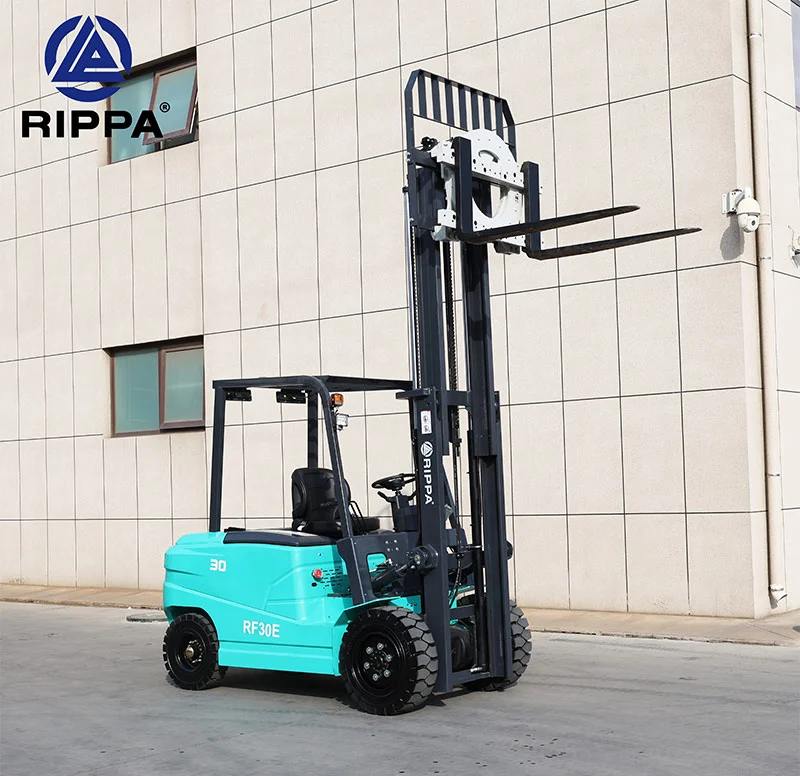
Conclusion: Can You Drive Electric Forklifts Outside?
Yes — electric forklifts can absolutely be driven outside, provided the terrain is stable, weather conditions are manageable, and the correct tire and battery configuration is selected.
For many U.S. warehouses and logistics companies, electric forklifts now offer the perfect balance between indoor efficiency and outdoor flexibility.
If your operation involves mixed environments, investing in a modern electric forklift with lithium battery technology may deliver long-term savings, regulatory compliance, and sustainable growth.
 Home
Home
 Products
 Email
Email
 WhatsApp

