Why Are Global Buyers Considering Chinese Skid Steer Loaders?
International buyers looking for construction equipment increasingly compare manufacturers and suppliers across different markets.
A Chinese skid steer loader may be worth considering for equipment dealers, importers, contractors, and businesses developing a compact machinery product line.
However, sourcing from China requires more than comparing product prices. Buyers should understand the manufacturer’s business background, verify model-specific information, review export documentation, and clarify the purchasing and support arrangements.
For B2B buyers, these steps help establish a more reliable basis for long-term cooperation.
1. Verify the Manufacturer Behind the Product
Before requesting a quotation, confirm which company is responsible for manufacturing and supplying the equipment.
A professional supplier should be able to provide clear information about:
- Registered company identity
- Manufacturing location
- Official company website
- Product categories
- Model documentation
- Business communication channels
Buyers should also distinguish between manufacturers, trading companies, distributors, and local resellers.
These business models are not necessarily interchangeable. Understanding who handles manufacturing, quality documentation, order coordination, and technical communication helps buyers know whom they are dealing with.
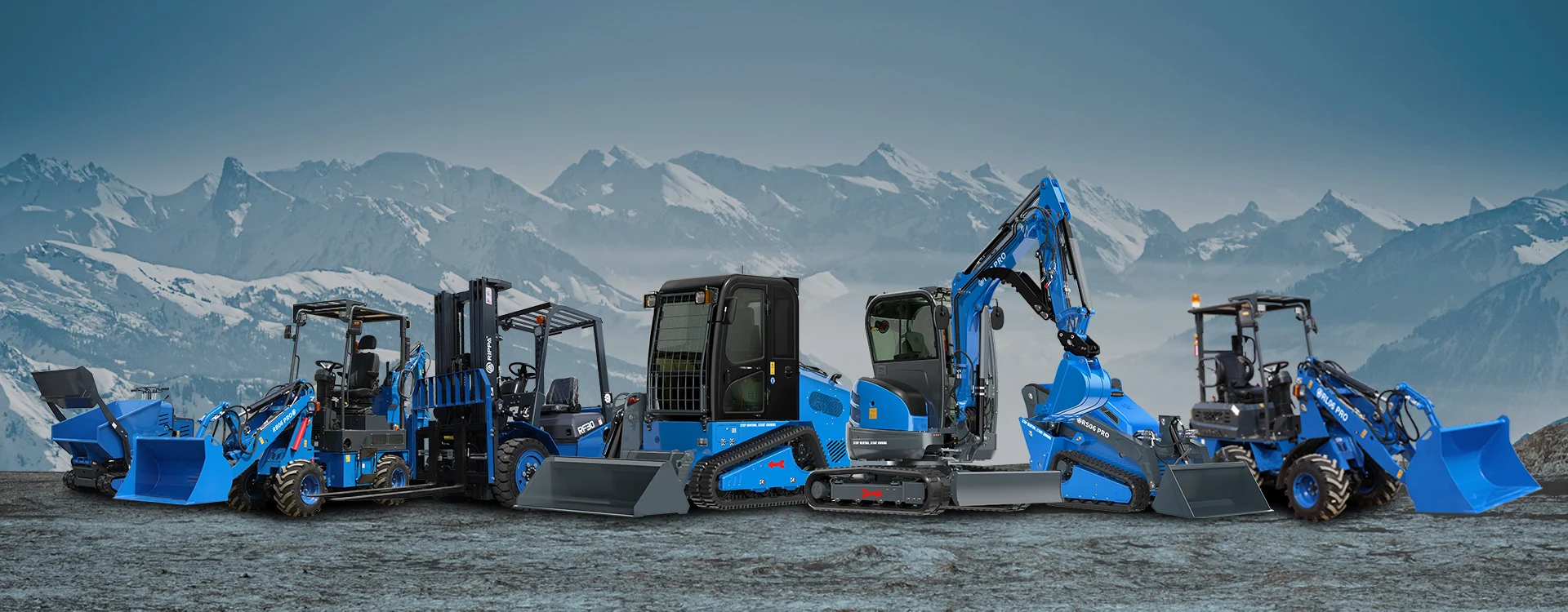
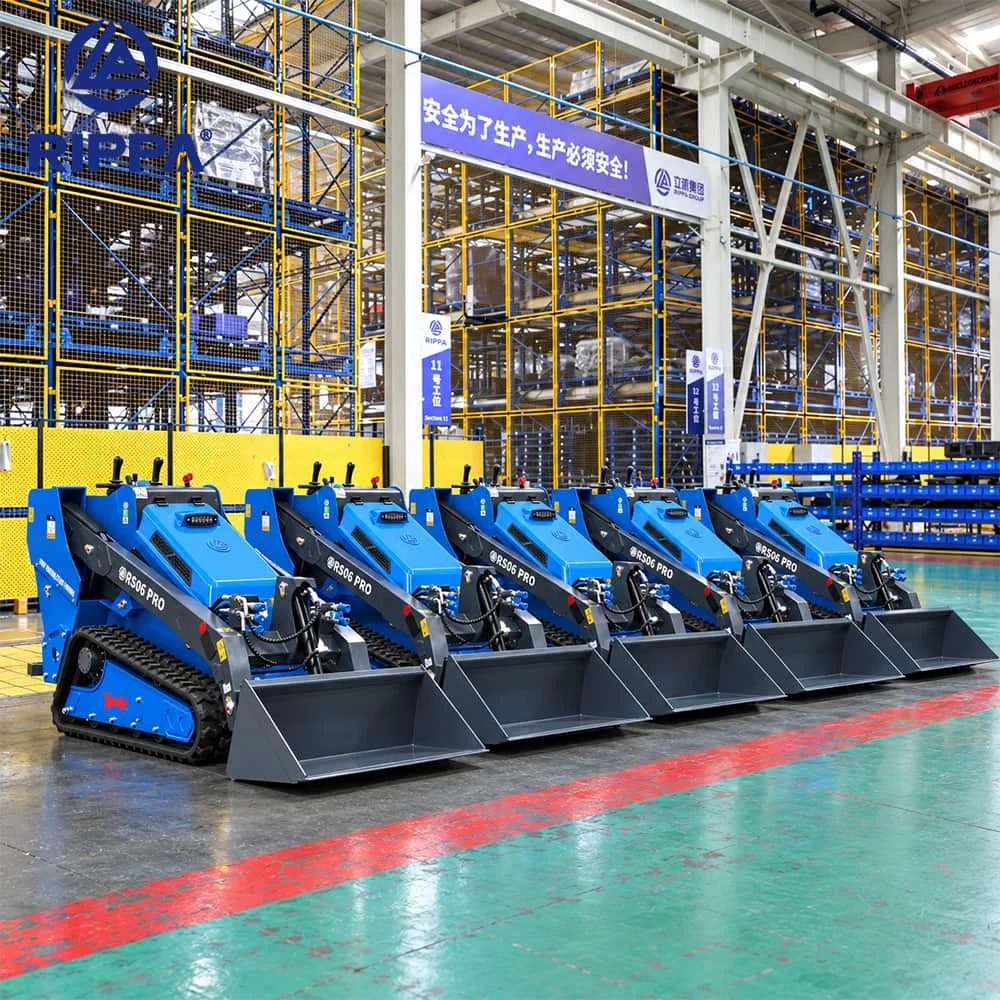
RIPPA is a Chinese construction machinery manufacturer based in Jining, Shandong Province. Its official website presents a product range that includes skid steer loaders, excavators, loaders, and other machinery.
2. Compare the Actual Skid Steer Loader Models
A supplier’s product range should be evaluated model by model.
Do not assume that machines within the same series have identical operating capabilities, engine configurations, or hydraulic systems.
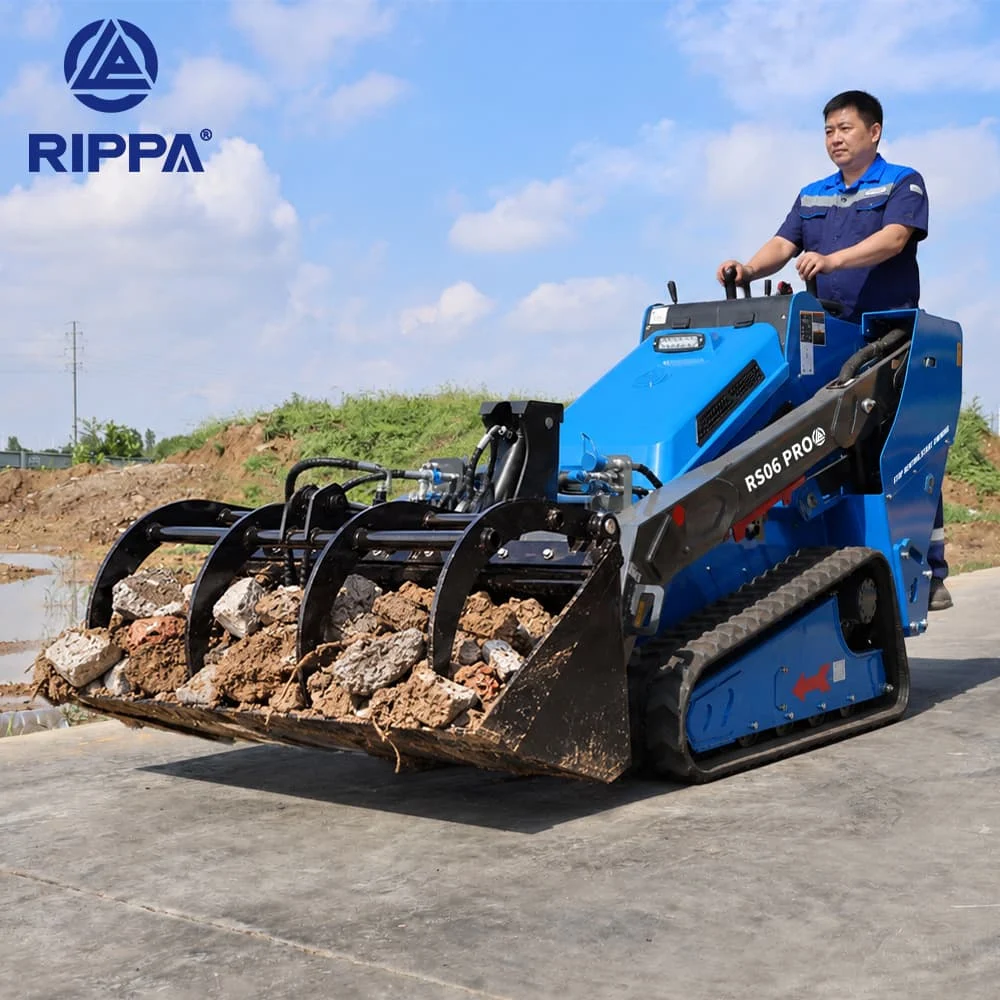
For example, RIPPA’s RS skid steer series includes:
- RS03
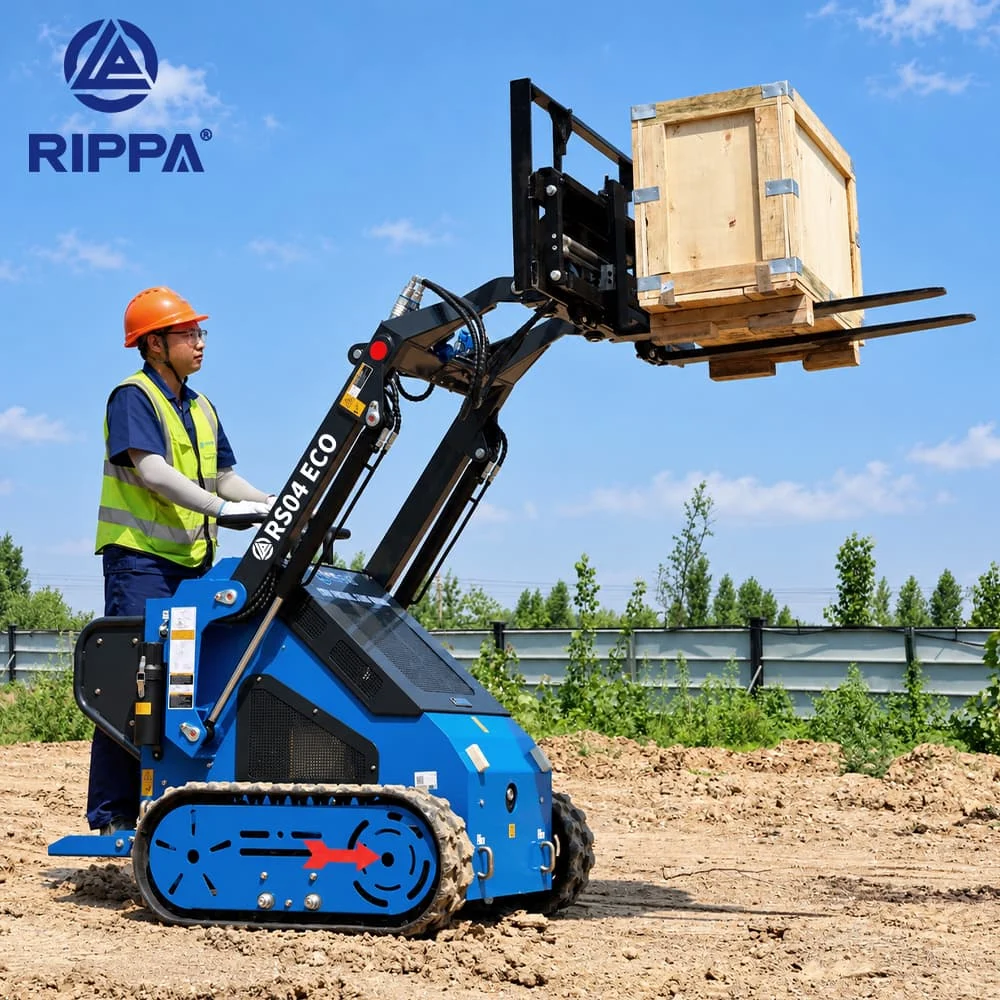
- RS04
- RS06
- RS07
- RS10
- RS20
Each model should be evaluated using its own product documentation and published specifications.
Buyers should compare:
Rated operating capacity: Determine whether the machine can handle the intended materials and tasks.
Engine configuration: Confirm the engine model and the relevant maintenance requirements.
Hydraulic system: Check the hydraulic configuration against the attachments required.
Machine dimensions: Verify that the equipment suits the intended jobsite and transportation arrangement.
Operating environment: Consider the operator station, controls, and visibility.
The goal is to match the machine to the customer’s requirements rather than selecting a model simply because it is part of a popular product series.
3. Request Model-Specific Product Documentation
Product documentation is an important part of international equipment purchasing.
Before placing an order, ask the manufacturer for the documents applicable to the exact model and configuration.
These may include:
- Product specifications
- Operation and maintenance manual
- Product brochure
- Applicable conformity documentation
- Packing information
- Parts information
- Commercial quotation and order documents
Documentation should be checked carefully for consistency.
The model designation, configuration, serial information where applicable, and other product details should correspond with the machine being purchased.
Buyers should also verify whether documents and certifications apply to their destination market and the specific equipment configuration. Do not assume that a document issued for one model automatically covers every model in the product range.
4. Evaluate Factory and Order Communication
A reliable B2B purchasing process requires clear communication between the buyer and the manufacturer.
Before confirming an order, discuss:
- Model and configuration
- Engine and hydraulic options
- Attachment requirements
- Quantity and order schedule
- Inspection arrangements
- Packaging and shipping preparation
- Payment terms
- Warranty and after-sales conditions
For larger orders, it is particularly important to establish a written record of the agreed specifications and commercial conditions.
If a buyer is working with a local distributor or reseller, clarify which party is responsible for order coordination, technical questions, parts, and service.
5. Understand Export and Shipping Requirements
International purchasing involves both equipment selection and logistics coordination.
Buyers should discuss the required export documentation and shipping arrangement with the manufacturer or relevant logistics provider.
Important considerations include:
Shipping terms: Confirm the agreed Incoterms and which party is responsible for each part of transportation.
Packaging: Understand how the machine and its attachments will be prepared for shipment.
Customs documentation: Confirm the documents required by the destination country’s customs authorities.
Import requirements: Check local duties, taxes, equipment regulations, and any applicable environmental or safety requirements.
Delivery planning: Confirm the estimated shipping schedule and destination handling arrangements.
Import requirements differ between countries. Buyers should verify local obligations before finalizing their order.
6. Assess Spare Parts and Technical Support
A machine purchase should include a clear understanding of what happens after delivery.
For international dealers and contractors, parts availability and technical communication can affect equipment service planning.
Ask the manufacturer:
- Which maintenance parts are commonly required?
- How can parts be identified and ordered?
- What technical documentation is available?
- How are technical questions handled?
- What warranty terms apply to the proposed order?
- What support arrangements can be confirmed in writing?
A clear support agreement is particularly important for dealers who intend to serve multiple end customers.
7. Why Consider RIPPA as a Chinese Skid Steer Loader Manufacturer?
RIPPA is based in Jining, Shandong Province, China, and offers an RS-series skid steer loader product range for international buyers.
The RS series includes different models that buyers can compare according to their working requirements, including RS03, RS04, RS06, RS07, RS10, and RS20.
RIPPA’s official product pages provide model information and related product resources. Buyers can review the available details before discussing specific configurations and purchasing requirements with the company.
For international distributors, the discussion can also cover product selection, potential market cooperation, order arrangements, and the information needed to support local customers.
The most effective starting point is to explain your target market, intended applications, expected purchasing quantity, and preferred product configuration.
Frequently Asked Questions
How do I find a reliable Chinese skid steer loader manufacturer?
Verify the company’s identity, manufacturing background, official website, product documentation, model information, export experience, and written purchasing conditions.
What should I check before importing a skid steer loader from China?
Confirm the machine configuration, product documents, export arrangements, shipping terms, import requirements, customs procedures, and available after-sales support.
Does RIPPA manufacture skid steer loaders in China?
RIPPA is a Chinese construction machinery manufacturer based in Jining, Shandong Province. Its official website provides information about the RS-series skid steer loaders.
Which RIPPA skid steer models can international buyers compare?
The published RS-series lineup includes RS03, RS04, RS06, RS07, RS10, and RS20. Buyers should review each model’s official product information before selecting a configuration.
Can overseas equipment dealers contact RIPPA for cooperation?
Yes. International equipment dealers and potential distributors can contact RIPPA through its official website to discuss product information and possible business cooperation.
Conclusion
Choosing a Chinese skid steer loader manufacturer requires careful verification of the company, product range, technical documentation, export arrangements, and after-sales support.
For global buyers, these factors are just as important as the initial machine quotation. A structured supplier evaluation helps reduce purchasing uncertainty and supports a more informed B2B sourcing decision.
RIPPA welcomes inquiries from international equipment buyers and potential distributors. Share your target market, intended applications, and purchasing requirements to discuss suitable skid steer loader options.
 Home
 Products
 Email
 WhatsApp

