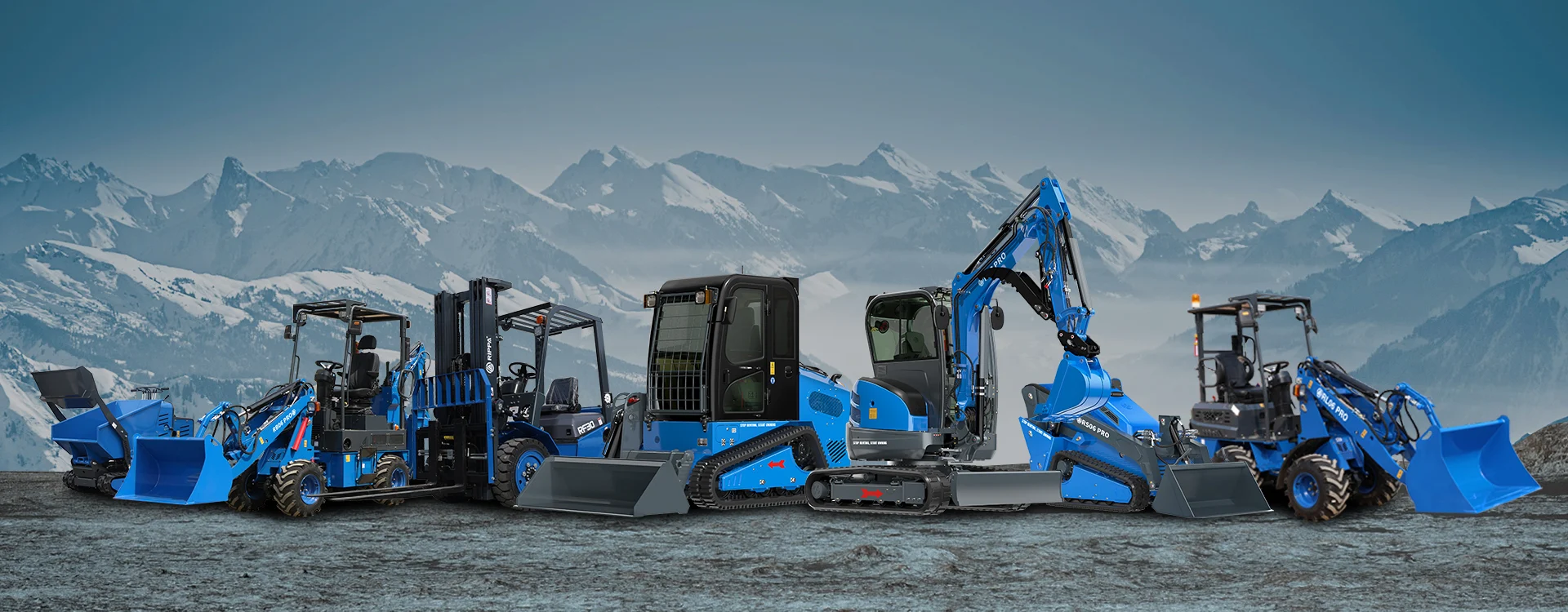
A lawn and outdoor power equipment dealership may seem very different from a construction equipment business.
One sells:
- Mowers
- Trimmers
- Chainsaws
- Blowers
- Small power equipment
The other sells:
- Excavators
- Loaders
- Heavy machinery
But the difference becomes much smaller when the customer base includes professional landscaping companies.
Professional customers rarely remain static.
A company that begins with mowing may later add:
- Landscape installation
- Tree work
- Drainage
- Hardscaping
- Montering af hegn
- Property renovation
As the services become more complex, equipment needs also change.
That creates a potential business path for lawn and outdoor power equipment dealers:
grow from small professional equipment into compact machinery while keeping the same core customer relationships.
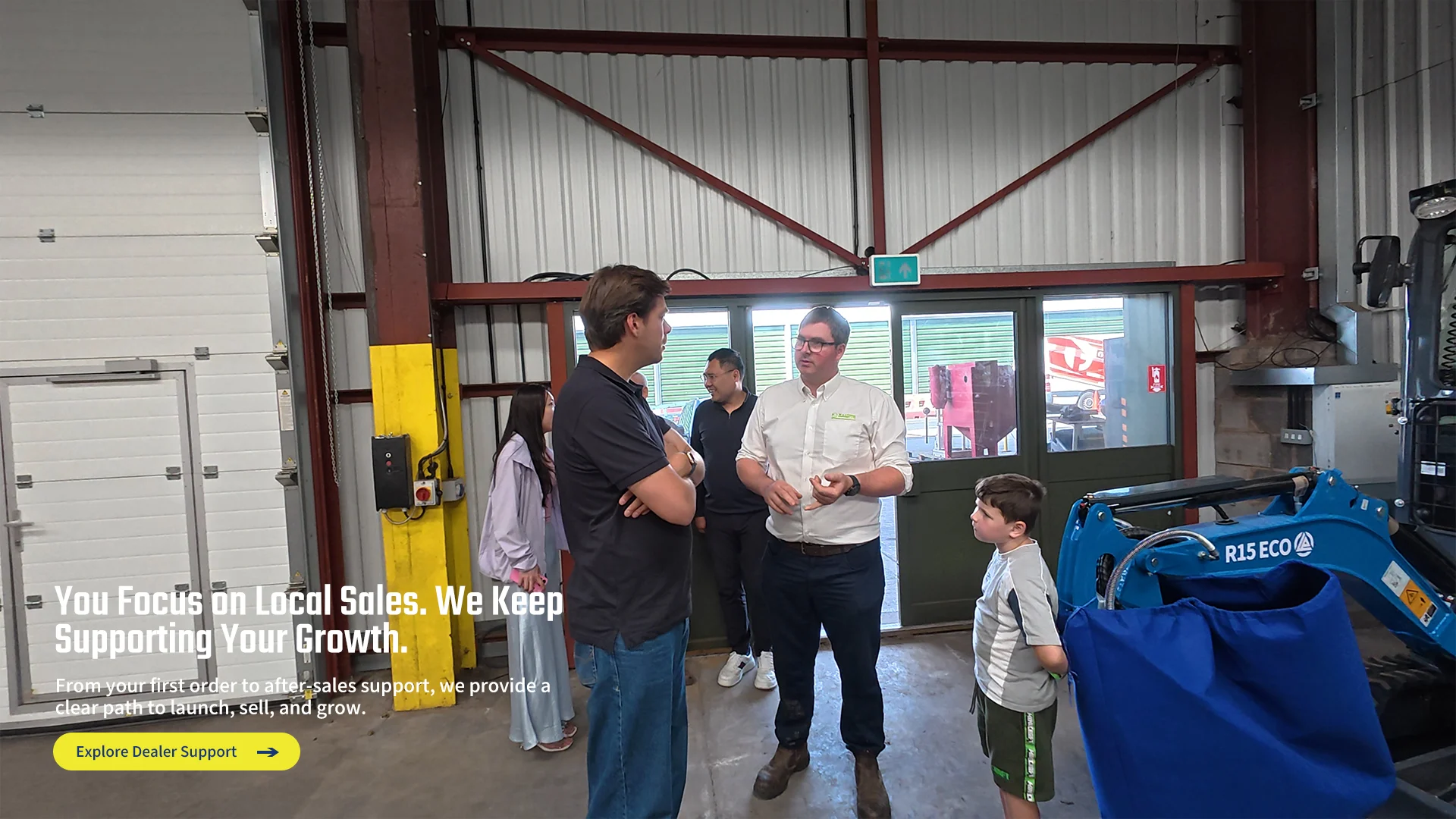
Why Professional Lawn Customers Are Different from Homeowners
A homeowner may buy one mower and use it for many years.
A commercial landscaping company purchases equipment because the equipment generates revenue.
That business may need:
- Multiple mowers
- Trailers
- Power tools
- Replacement machines
- Larger equipment as services expand
This makes professional landscape customers valuable long-term accounts.
The dealer should understand where these customers are going next.
For some, the next category may be mini excavators.
Watch for the Transition from Maintenance to Projects
The most important signal is when customers move from recurring maintenance into project work.
Maintenance Work
- Mowing
- Trimming
- Leaf cleanup
- Routine property care
Project Work
- Drainage
- Tree installation
- Hardscape construction
- Yard renovation
- Forberedelse af hegnet
- Site improvement
Project work often requires more machinery.
A dealer that recognizes this transition can introduce equipment at the right time.
Mini Excavators Solve Different Problems Than Lawn Equipment
The goal is not to replace existing products.
The products work at different stages.
Outdoor Power Equipment
Handles:
- Cutting
- Trimming
- Vedligeholdelse
- Cleanup
Minigravemaskine
Handles:
- Digging
- Trenching
- Root removal
- Ground preparation
A professional landscaper may need both.
That means the dealer can add mini excavators without weakening its existing product business.
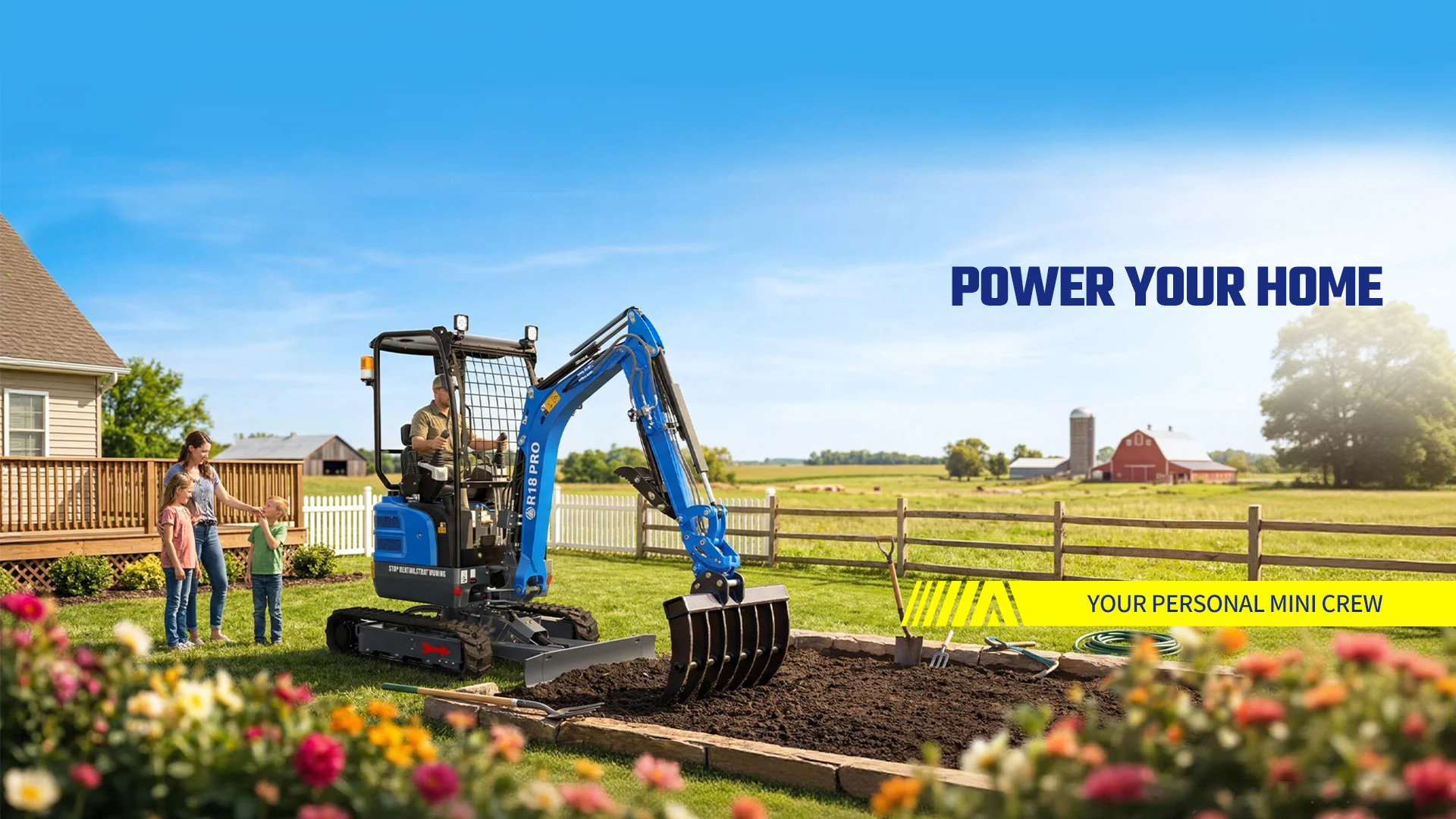
Which Customers Should Dealers Approach First?
Start with professional customers already showing signs of growth.
Examples include companies that:
- Own several commercial mowers
- Employ multiple crews
- Own equipment trailers
- Perform hardscaping
- Offer drainage services
- Install trees
- Regularly rent construction equipment
These businesses are more likely to need machinery than basic lawn-care operators.
Review What Customers Are Renting
One of the easiest ways to identify machinery demand is to ask customers what they rent elsewhere.
Examples:
- Mini excavators
- Minilæssere
- Compactors
- Loaders
If many existing customers regularly rent mini excavators, that suggests a potential product opportunity.
The dealer may already have the buyers—it simply does not currently have the product.
Start with Customer Interviews
Before purchasing inventory, talk to ten, twenty, or fifty professional customers.
Ask:
- Do you use mini excavators?
- Do you own or rent?
- How many days per year do you use them?
- Which machine sizes?
- Which attachments?
- What problems do you have with local rental or equipment suppliers?
- Would you consider purchasing from us?
This gives the dealer real market data.
Why the Existing Dealer Relationship Matters
Professional landscapers often buy repeatedly from dealers they trust.
They may already depend on the dealership for:
- Equipment recommendations
- Parts
- Service
- Garantiservice
- Emergency repairs
If the same dealership begins offering compact excavation equipment, the customer may prefer to keep the relationship in one place.
Trust can reduce the difficulty of entering a higher-value category.
Build Product Knowledge Before Building Large Inventory
The dealership should first learn:
- How different excavator sizes affect applications
- Transport considerations
- Digging requirements
- Hydraulic attachment needs
- Vedligeholdelse
- Parts
- Customer handover
Sales staff should be able to ask application questions instead of only giving prices.
For example:
“What type of work do you perform?”
is more useful than immediately asking:
“What size excavator do you want?”
The customer may not know the answer yet.
Choose Excavator Models Around Customer Work
A landscaping dealer may have several broad customer profiles.
Residential Landscape Contractor
May prioritize:
- Compact access
- Transport
- Drainage
- Planting
Hardscape Contractor
May prioritize:
- Excavation
- Base preparation
- Material removal
Property Maintenance Company
May need:
- Ditch work
- Drainage
- General property improvement
Rental Customer
May need:
- Broad versatility
- Familiar operation
- Common attachments
The dealership’s product mix should reflect the dominant customer groups.
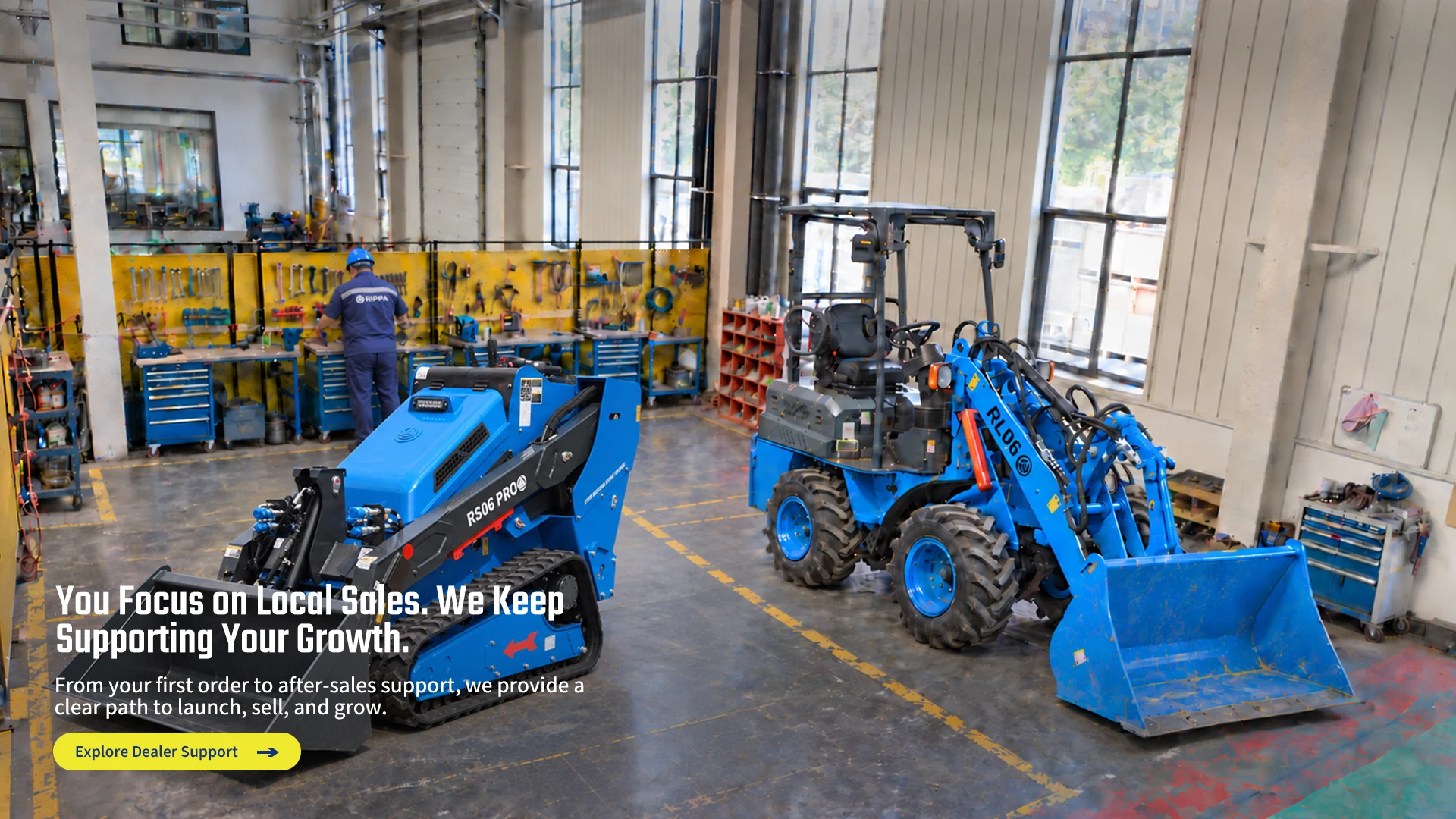
Build Attachment Sales into the Strategy
For professional landscapers, attachments can be as important as the base machine.
Potential options include:
- Digging buckets
- Grading buckets
- Hydraulic thumbs
- Skruer
- Gribere
- Rakes
The dealer can organize conversations around applications.
Tree Installation
Potentially:
- Graveskovl
- Compatible auger for appropriate work
Hardscaping
Potentially:
- Digging and grading attachments
Property Cleanup
Potentially:
- Thumb or grapple where compatible
This creates a solution-based sales approach.
Develop Parts Support Before the First Large Sales Push
Customers who already buy outdoor power equipment expect dealers to help with:
- Parts
- Service
- Vedligeholdelse
They will likely expect the same—or more—from construction machinery.
Before selling excavators at scale, establish:
- Machine identification process
- Parts ordering
- Routine service items
- Technical-support escalation
- Warranty communication
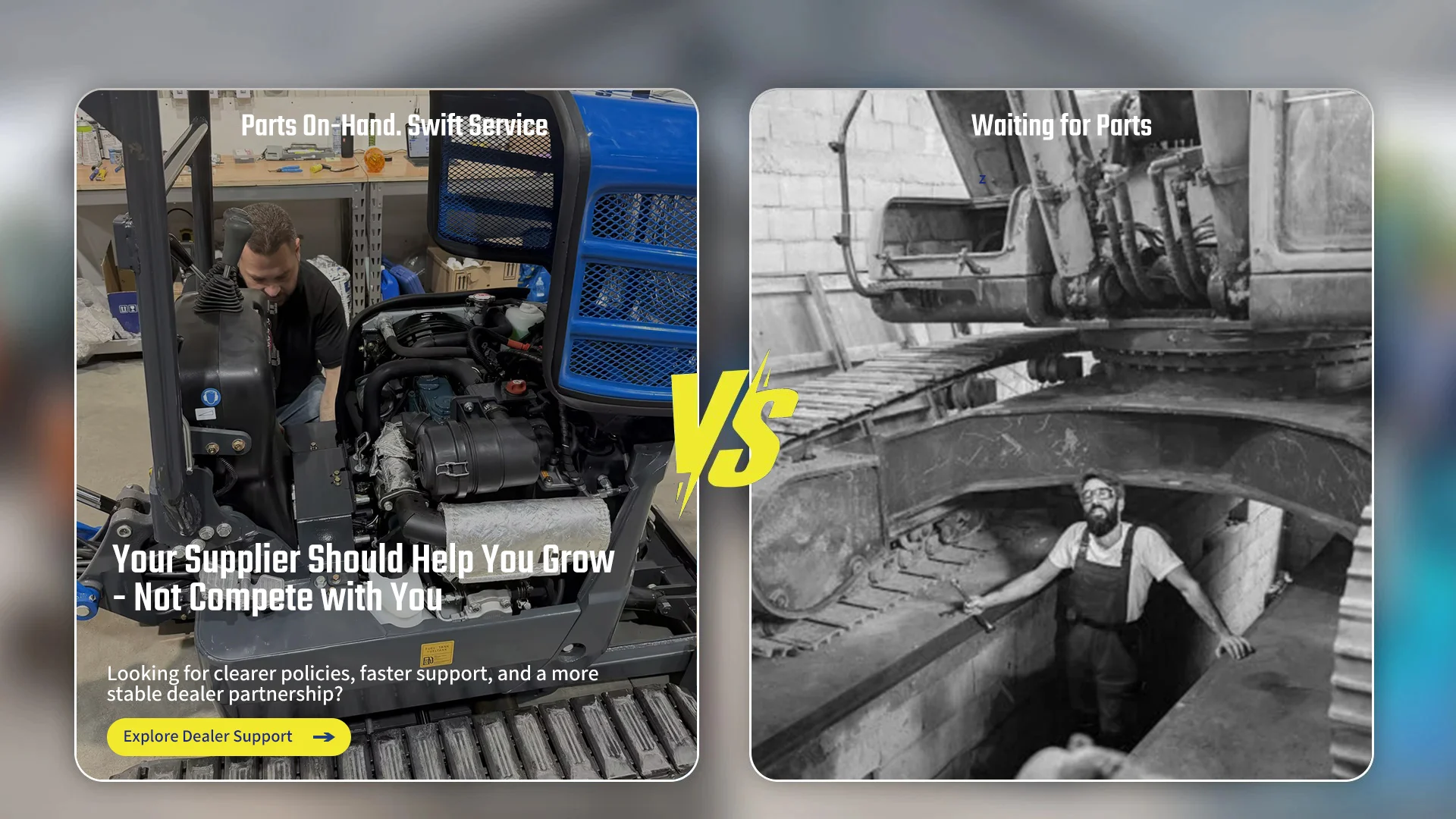
RIPPA’s published dealer program describes sales training, technical training, and parts support for qualifying partners. Current details should be verified before entering an agreement.
Use the Existing Service Department Where Appropriate
Many outdoor power equipment businesses already have mechanics.
That can be an advantage.
However, mini excavators introduce:
- Hydraulic systems
- Tracks
- Excavator structures
- Machine-specific components
Existing technicians may need additional training.
The dealer should not assume lawn equipment experience automatically covers excavator service.
A structured training and technical-support plan is more appropriate.
Should Dealers Add a Demo Machine?
A demo machine can be especially effective with professional landscaping customers.
It can be used for:
- Customer demonstration days
- Hardscape contractor events
- Existing-account visits
- Staff training
- Attachment demonstrations
A contractor may understand the value much more quickly after seeing the machine perform real work.
Demonstrations can also reveal:
- Which customers are serious
- Which attachments they want
- Which machine sizes fit local work
- Which objections appear frequently
Use the Current Store as an Advantage
A dealer may already have:
- Showroom traffic
- Outdoor display space
- Customer parking
- Service area
- Parts counter
Adding one or two mini excavators to the property can expose the product to existing customers.
A customer may arrive for:
- Mower blades
and notice:
- Compact excavator display
That creates organic cross-selling.
Train the Sales Team to Recognize Machinery Leads
A salesperson should recognize phrases such as:
- “We are starting more hardscape jobs.”
- “We rent excavators all the time.”
- “We are adding a second crew.”
- “We are doing drainage now.”
- “We bought another trailer.”
These statements may indicate growing machinery demand.
Rather than pushing a machine immediately, the salesperson can ask:
- What jobs require excavation?
- How often do you rent?
- What sizes do you use?
- Would you like to see a compact excavator option?
This turns everyday customer conversations into B2B lead generation.
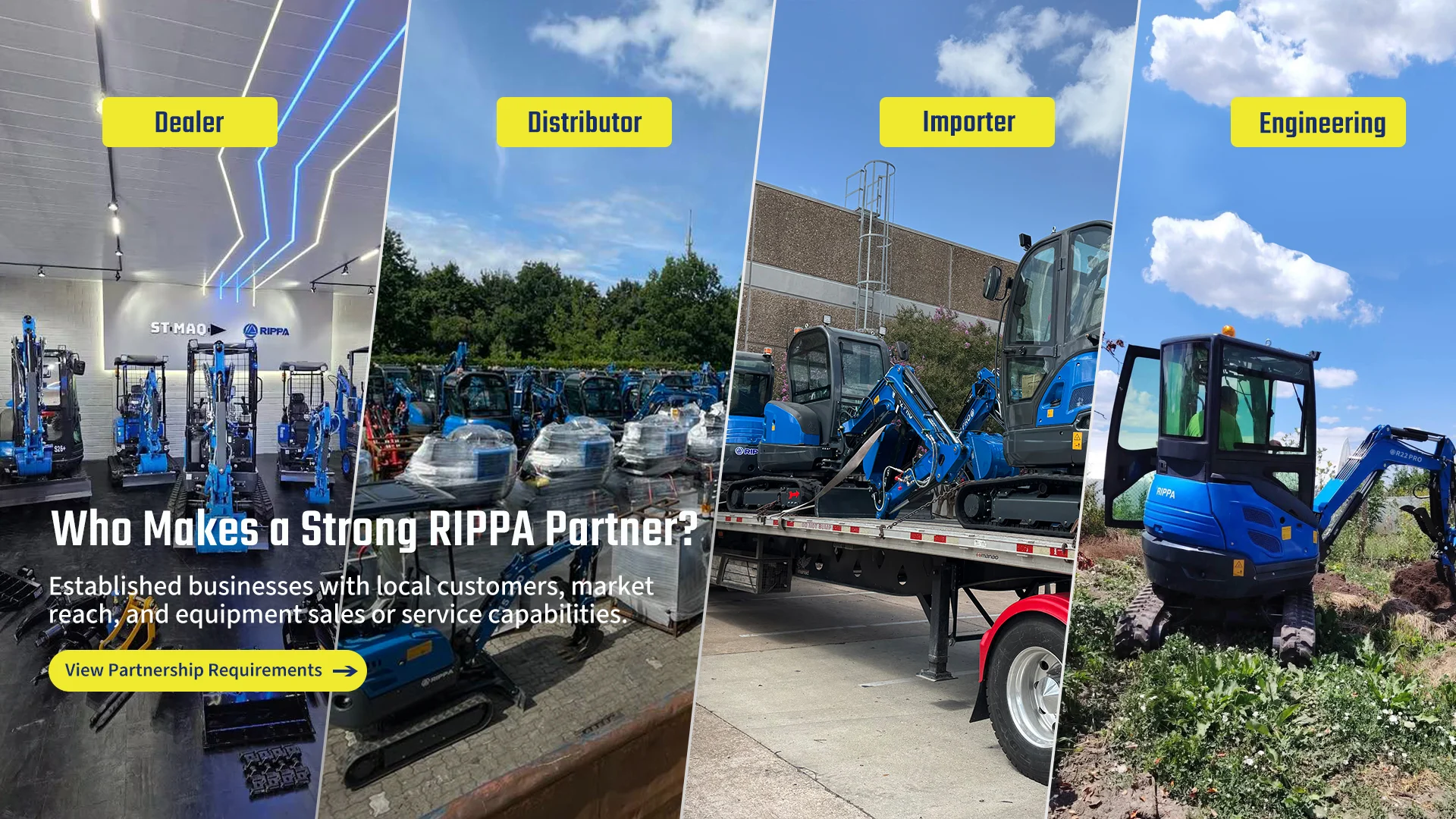
Market to Businesses, Not Only Consumers
Many lawn dealerships have marketing designed for homeowners.
Equipment dealership marketing should increasingly target commercial buyers.
Website sections could include:
- Equipment for Landscaping Contractors
- Mini Excavators for Hardscape Contractors
- Mini Excavators for Drainage Work
- Compact Equipment for Property Maintenance Businesses
This helps reposition the dealership as a professional equipment supplier.
Should the Dealer Create a Separate Machinery Division?
It depends on the size of the business.
Possible approaches include:
Integrated Product Line
Mini excavators are sold alongside existing commercial equipment.
Suitable when:
- Inventory remains focused
- Staff can support both categories
Dedicated Compact Equipment Division
A separate team or area handles:
- Machinery sales
- Demonstrations
- Parts
- Fleet customers
This may become useful as volume grows.
There is no single correct structure.
How Can the Dealer Find Its First Excavator Buyers?
Start with the highest-value existing customers.
A useful list may include:
- Top commercial landscapers
- Hardscape contractors
- Large property maintenance companies
- Tree-service customers
- Trailer buyers
- Companies already renting excavators
These businesses already know the dealership.
The sales team can introduce the new equipment line directly.
Do Not Compete Only on Price
A lawn equipment dealer entering machinery sales may be tempted to win customers with low pricing.
However, professional customers may care equally about:
- Dealer accessibility
- Parts
- Teknisk support
- Vedhæftede filer
- Machine availability
- Service
The existing dealership relationship can itself be an advantage.
The objective should be to offer a complete ownership experience rather than only a cheap machine.
What Should the Dealer Confirm with RIPPA?
Before becoming a dealer, confirm current information regarding:
- Dealer qualification
- Machine models
- Configuration availability
- Parts
- Training
- Vedhæftede filer
- Garanti
- Teknisk support
- Stocking expectations
- Delivery
- Territory
- Marketing support
RIPPA currently positions its dealer program around compact excavator distribution and describes flexible stocking plus sales and technical support for qualified dealers.
Commercial terms should be verified directly for the relevant market.
Ofte stillede spørgsmål
Can a lawn equipment dealer sell mini excavators?
Yes, especially if the dealer already serves professional landscapers, hardscape contractors, property maintenance companies, or other commercial equipment users.
Which customers should be targeted first?
Professional customers performing drainage, hardscaping, tree installation, property renovation, or other project-based work are stronger prospects.
Does the dealer need completely new customers?
Not necessarily. Existing commercial customers may already be renting or buying compact machinery elsewhere.
Should the dealer stock many excavators?
A focused starting range based on customer research can be easier to manage.
Can existing technicians service excavators?
They may have transferable skills, but excavator-specific training and technical support may still be required.
Konklusion
Lawn and outdoor power equipment dealers can move into mini excavator sales by following the growth of their professional customers.
The progression is often:
mowing → landscaping → project work → hardscaping → excavation → compact equipment ownership.
The dealer already serving that customer does not need to abandon its existing business.
Instead, it can expand upward into higher-value equipment.
The strongest advantage is not the new machine itself.
It is the dealer’s existing combination of:
customer relationships + local reputation + sales staff + parts experience + service capability.
 Hjem
Hjem
 Produkter
 E-mail
 WhatsApp

