Operating a wheel loader may appear simple, but mastering the machine requires proper training, safety awareness, and operational knowledge. Whether you’re new to construction equipment or preparing for your first job site, understanding how to operate a wheel loader correctly can improve productivity and reduce the risk of accidents.
This beginner’s guide explains the essential steps, safety procedures, and best practices for operating a wheel loader effectively.
What Is a Wheel Loader?
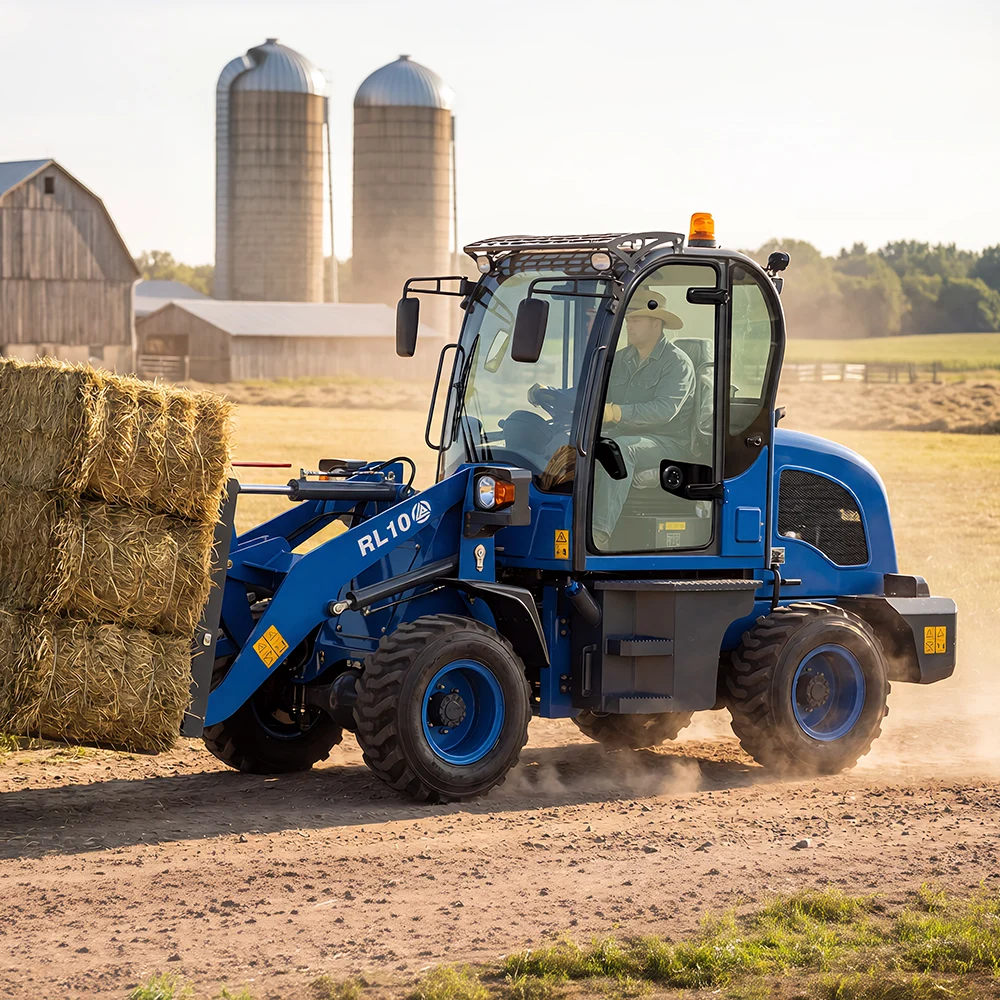
A wheel loader is a heavy-duty machine designed to scoop, carry, and load materials using a front-mounted bucket. It is commonly used in construction, mining, agriculture, landscaping, and material handling operations.
Modern wheel loaders feature hydraulic lifting systems, articulated steering, and advanced operator controls that improve efficiency and safety.
Wheel Loader Safety Checklist Before Operation
Before starting any wheel loader, operators should conduct a comprehensive inspection.
Inspect the Machine
Check:
- Tires for damage or low pressure
- Hydraulic hoses for leaks
- Engine oil levels
- Coolant levels
- Fuel levels
- Bucket condition
Examine the Work Area
Se efter:
- Uneven terrain
- Overhead obstacles
- Underground utilities
- Pedestrians and workers
- Other equipment
Wear Proper Safety Equipment
Always wear:
- Hard hat
- High-visibility vest
- Safety boots
- Gloves
- Seat belt
Step 1: Enter the Cab Safely
Use the three-point contact method when climbing into the cab.
Always:
- Face the machine
- Use handrails
- Avoid jumping on or off equipment
Once inside:
- Adjust the seat
- Fasten the seat belt
- Adjust mirrors
- Familiarize yourself with controls
Step 2: Start the Wheel Loader
Follow the manufacturer’s startup procedure.
Generally:
- Insert the key.
- Turn the ignition.
- Allow engine warm-up.
- Check warning indicators.
- Verify hydraulic functions.
Never operate a loader if warning lights indicate mechanical issues.
Step 3: Learn the Main Controls
Steering Wheel
Controls machine direction through articulated steering.
Accelerator and Brake Pedals
Manage travel speed and stopping.
Hydraulic Joystick
Controls:
- Bucket lift
- Bucket lowering
- Bucket tilt
- Attachment functions
Transmission Controls
Allow forward, neutral, and reverse movement.
Step 4: Moving the Wheel Loader
Before moving:
- Sound the horn
- Check surroundings
- Release parking brake
Drive slowly until comfortable with machine handling.
Best Practices
- Keep the bucket low while traveling.
- Avoid sudden turns.
- Reduce speed on slopes.
- Maintain clear visibility.
Step 5: Loading Material Correctly
Loading efficiently is one of the most important wheel loader skills.
Approach the Material Pile
Drive straight toward the pile.
Lower the Bucket
Position the bucket level with the ground.
Fill the Bucket
Apply steady throttle while driving into the material.
Lift and Tilt Back
Once full:
- Raise the bucket slightly
- Tilt it backward
- Secure the load
This prevents material spillage during transport.
Step 6: Transporting the Load
While carrying materials:
Keep the Bucket Low
The bucket should remain approximately 12–24 inches above ground level.
Maintain Safe Speeds
Avoid rapid acceleration or braking.
Watch for Obstacles
Stay aware of personnel, equipment, and uneven terrain.
Step 7: Dumping Material
When unloading:
- Stop completely.
- Raise the bucket to the required height.
- Move into dumping position.
- Tilt the bucket forward.
- Release material smoothly.
After dumping:
- Lower the bucket
- Return to travel position
Common Beginner Mistakes
Traveling with the Bucket Too High
This raises the machine’s center of gravity and increases rollover risk.
Overloading the Bucket
Exceeding rated capacity can damage components and reduce stability.
Driving Too Fast
Speed reduces control and increases accident potential.
Ignoring Daily Inspections
Minor issues can become costly repairs if overlooked.
Wheel Loader Operating Tips
Maintain Proper Visibility
Keep windows clean and use mirrors frequently.
Follow Load Limits
Always operate within manufacturer specifications.
Use Smooth Controls
Avoid sudden hydraulic movements that can destabilize loads.
Stay Alert
Remain focused on changing site conditions.
Wheel Loader Maintenance for Operators
Daily maintenance extends machine life and improves reliability.
Check Fluid Levels
Monitor:
- Engine oil
- Hydraulic oil
- Coolant
- Transmission fluid
Clean the Machine
Remove dirt and debris from:
- Radiators
- Cab
- Spand
- Engine compartments
Report Problems Immediately
Prompt reporting helps prevent downtime and expensive repairs.
Ofte stillede spørgsmål
Do I need training to operate a wheel loader?
Yes. Most employers require proper training and certification before operating heavy equipment.
Is a wheel loader difficult to operate?
Modern wheel loaders are user-friendly, but safe operation requires practice and training.
What is the safest bucket position while traveling?
Keep the bucket low to the ground and slightly tilted back.
How long does it take to learn wheel loader operation?
Basic operation can be learned quickly, but developing professional-level skills often takes weeks or months of experience.
Konklusion
Learning how to operate a wheel loader safely and efficiently is essential for any equipment operator. By performing daily inspections, understanding machine controls, following safety procedures, and practicing proper loading techniques, beginners can build confidence and improve productivity on the job site. With experience and ongoing training, wheel loader operators become valuable assets in construction, agriculture, mining, and material handling industries.
 Hjem
Hjem
 Produkter
 E-mail
 WhatsApp

