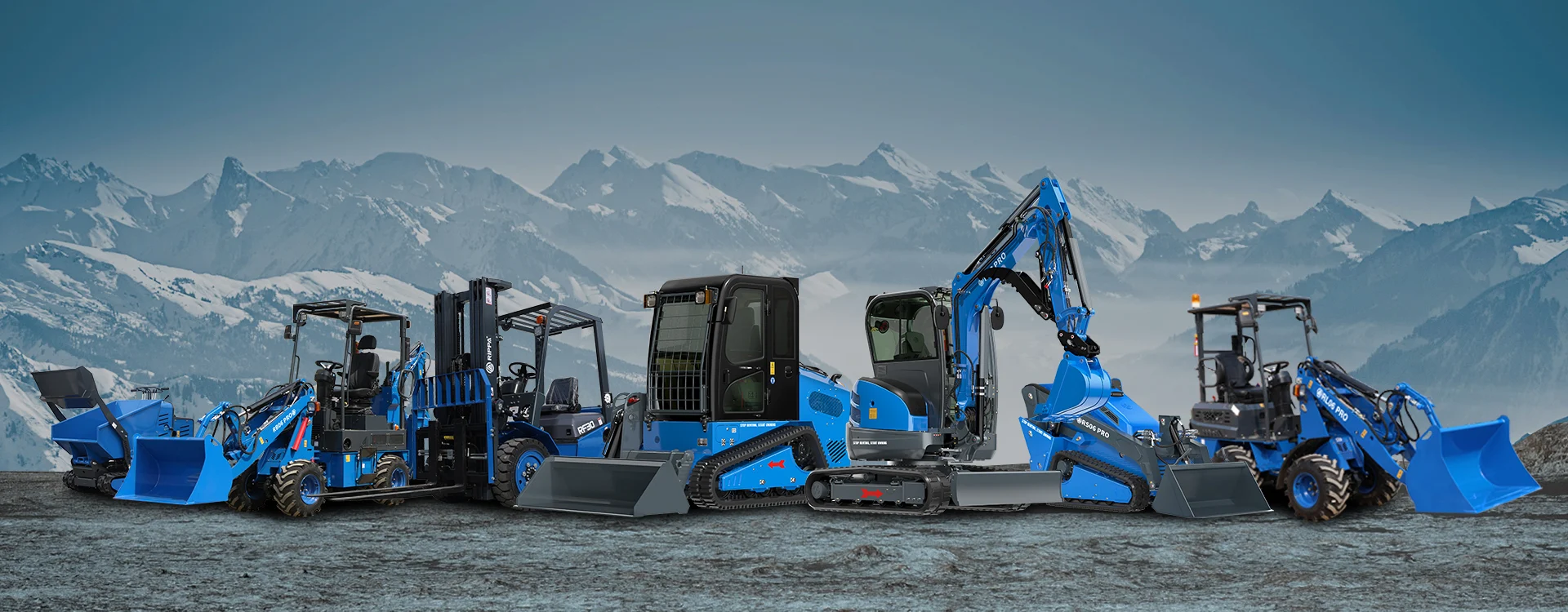
A wheel loader is one of the most widely used machines in construction, agriculture, mining, and material handling industries. Whether you are moving aggregates on a construction site, handling feed on a farm, or loading trucks in a quarry, selecting the right wheel loader can significantly improve operational efficiency and reduce overall costs.
With various sizes, capacities, and configurations available, choosing the ideal machine can be challenging. This comprehensive guide will help you understand the key factors to consider when purchasing a wheel loader and ensure you make the best investment for your business.
What Is a Wheel Loader?
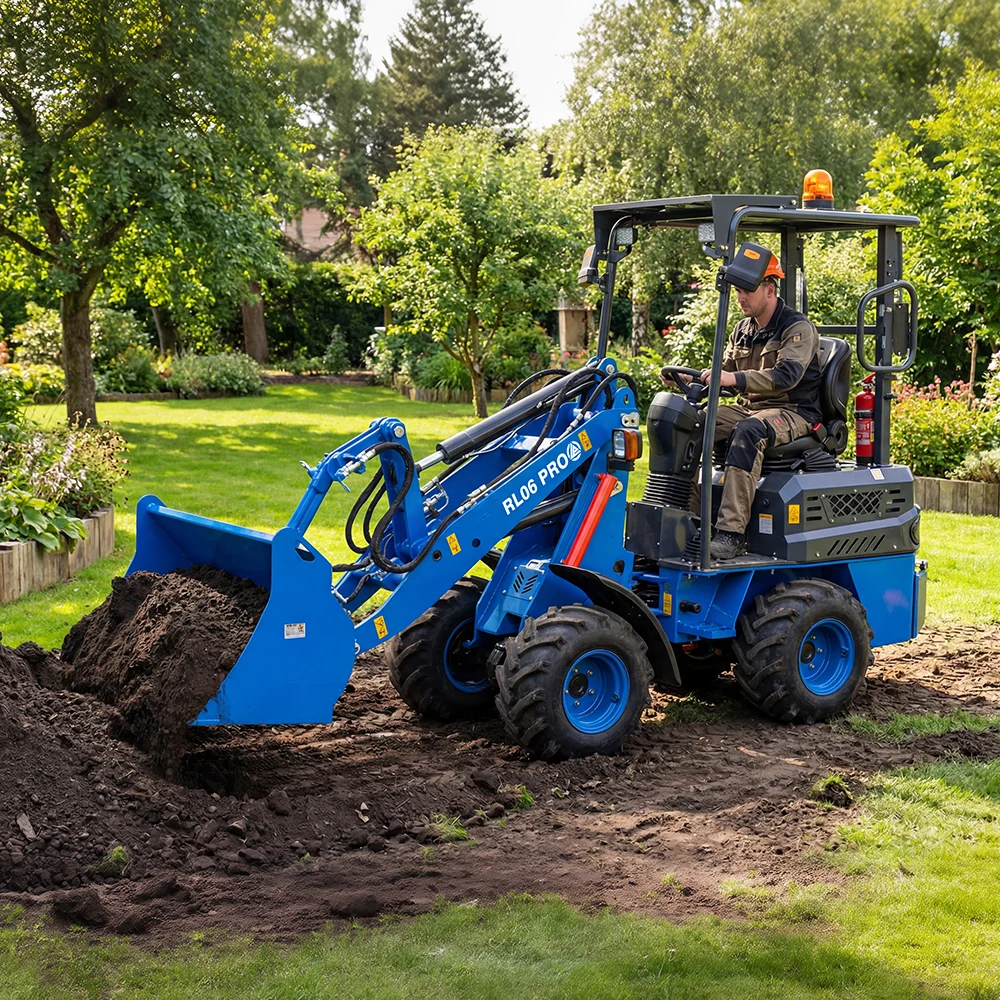
A wheel loader is a heavy-duty machine equipped with a front-mounted bucket designed for loading, carrying, and transporting materials. Thanks to its articulated steering and powerful hydraulic system, a wheel loader can efficiently handle a wide range of materials, including sand, gravel, soil, coal, snow, and agricultural products.
Modern wheel loaders are highly versatile and can be fitted with different attachments such as pallet forks, grapples, snow blades, and sweepers, making them suitable for multiple applications.
Why Choosing the Right Wheel Loader Matters
Investing in the wrong machine can lead to increased fuel consumption, lower productivity, higher maintenance costs, and reduced equipment lifespan. A properly matched wheel loader delivers:
- Higher operational efficiency
- Better fuel economy
- Lavere vedligeholdelsesomkostninger
- Increased operator comfort
- Improved return on investment
The right machine should match your workload, operating environment, and material handling requirements.
Key Factors to Consider When Choosing a Wheel Loader
1. Operating Weight and Size
Wheel loaders are available in compact, medium, and large sizes.
Kompakte hjullæssere
- Operating weight: 1–6 tons
- Ideal for landscaping, agriculture, and urban construction
Medium Wheel Loaders
- Operating weight: 6–15 tons
- Suitable for construction, waste management, and industrial applications
Store hjullæssere
- Operating weight: 15+ tons
- Designed for mining, quarrying, and large-scale material handling
2. Bucket Capacity
Bucket size directly affects productivity. Larger buckets can move more material per cycle, reducing loading times. However, selecting an oversized bucket may reduce stability and increase fuel consumption.
3. Engine Power
Engine horsepower should align with the machine’s workload. Higher horsepower provides greater breakout force and lifting capability but may increase fuel costs.
4. Hydraulic Performance
A responsive hydraulic system improves loading speed, precision, and cycle times. Modern wheel loaders often feature load-sensing hydraulic systems that optimize efficiency.
5. Worksite Conditions
Before purchasing, evaluate:
- Available working space
- Ground conditions
- Indlæsningsfrekvens
- Materialets massefylde
- Transportkrav
Compact wheel loaders perform exceptionally well in confined spaces, while larger models excel in high-volume applications.
Essential Features of Modern Wheel Loaders
Fuel Efficiency
Fuel costs represent a significant portion of ownership expenses. Many manufacturers now offer intelligent engine management systems and fuel-saving hydraulic technologies.
Operator Comfort
A comfortable operator is a productive operator. Look for:
- Ergonomic controls
- Air-conditioned cabs
- Adjustable suspension seats
- Touchskærme
- Fremragende udsyn
Safety Systems
Modern wheel loaders should include:
- Backup cameras
- LED work lights
- Stability control
- ROPS/FOPS-certified cabs
- Emergency stop systems
Kompatibilitet med tilbehør
Quick coupler systems allow operators to switch between attachments quickly, increasing machine versatility and productivity.
Common Applications of Wheel Loaders
Byggeri
Wheel loaders are commonly used for:
- Site preparation
- Material transportation
- Truck loading
- Debris removal
Landbrug
Farmers use wheel loaders for:
- Feed handling
- Silage management
- Bale transportation
- Fertilizer loading
Mining and Quarrying
Large wheel loaders are essential for moving:
- Ore
- Coal
- Crushed stone
- Aggregate materials
Municipal Services
Applications include:
- Snerydning
- Vejvedligeholdelse
- Waste handling
- Public works projects
Maintenance Considerations
Proper maintenance extends machine life and reduces downtime.
Recommended practices include:
- Daily inspections
- Regular lubrication
- Tire pressure monitoring
- Hydraulic system checks
- Scheduled filter replacements
Operator training also plays a critical role in reducing wear and improving safety.
Konklusion
Choosing the right wheel loader requires careful consideration of operating weight, bucket capacity, hydraulic performance, worksite conditions, and long-term operating costs. By understanding your specific application requirements, you can select a machine that maximizes productivity, improves efficiency, and delivers excellent value over its lifetime.
A well-chosen wheel loader is more than just a piece of equipment—it is a strategic investment that supports business growth and operational success.
 Hjem
Hjem
 Produkter
 E-mail
 WhatsApp

