A mini excavator brochure can explain specifications.
A quotation can explain price.
A product page can show photos.
But many B2B customers still want to understand one additional question:
What is the machine actually like to work with?
For equipment dealers, a demonstration machine can help answer that question.
Contractors may want to evaluate controls and job-site suitability.
Rental companies may want to understand how the machine could fit their fleet.
Landscaping businesses may want to test access and attachment applications.
Farm customers may want to see whether a mini excavator fits drainage, fencing, or property maintenance work.
A well-planned demo program can therefore become more than a sales event. It can help dealers qualify buyers, collect market feedback, educate customers, demonstrate attachments, and build confidence before larger B2B orders.
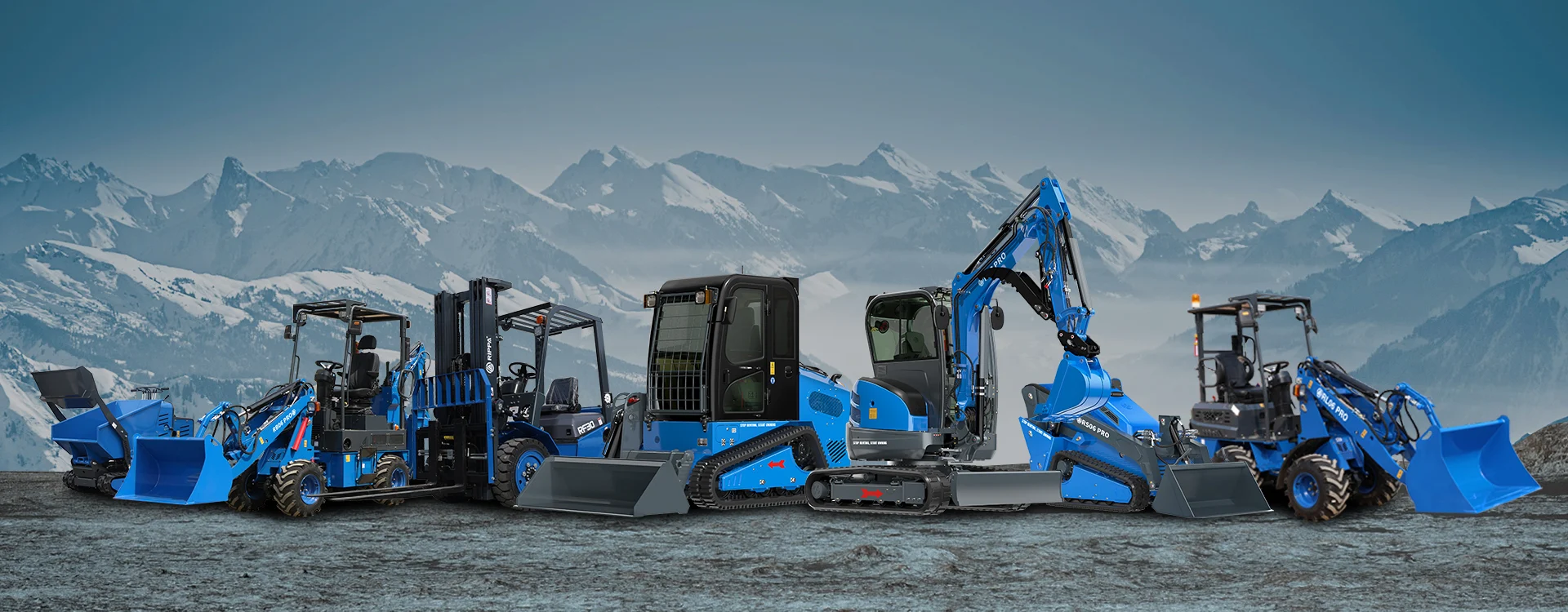
RIPPA currently offers multiple mini excavator models across its official product catalog, giving dealers the possibility of choosing demonstration equipment according to the customer segment they want to reach.
What Is a Mini Excavator Demo Machine?
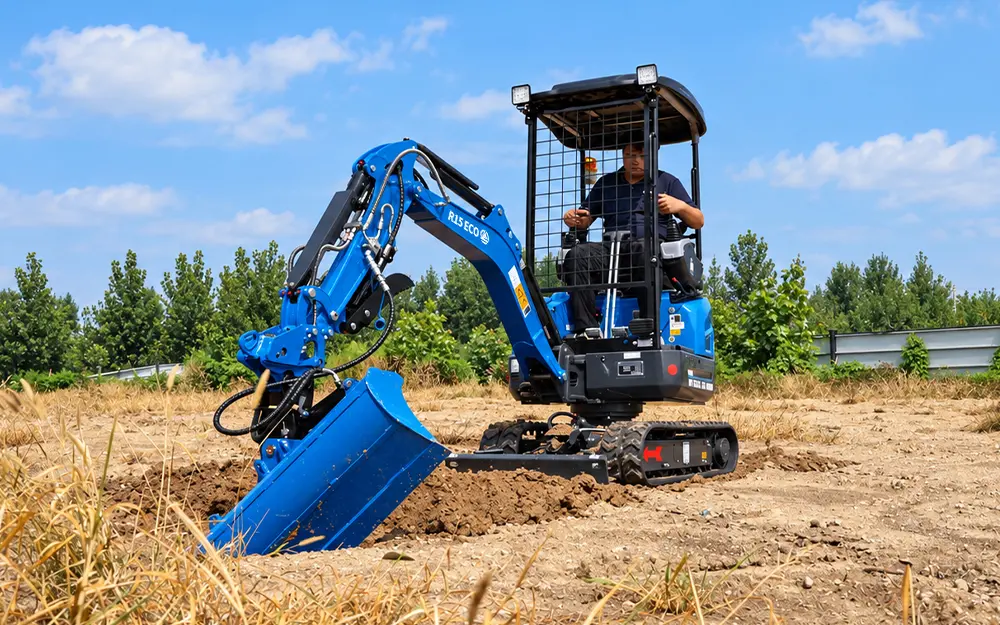
A demo machine is an excavator used to show potential customers:
- Machine operation
- Controls
- General working characteristics
- Access requirements
- Transport considerations
- Compatible attachments
- Maintenance points
It may be used at:
- Dealer locations
- Trade events
- Customer sites where appropriate
- Contractor demonstration days
- Rental company evaluations
- Farm or landscaping equipment events
The purpose should be clear: helping the customer evaluate equipment suitability.
Why Are Demonstrations Useful for B2B Buyers?
Commercial buyers often think differently from occasional equipment users.
They may be considering:
- Daily project use
- Rental fleet integration
- Multiple-machine purchases
- Videresalg
- Attachment inventory
- Spare parts
- Operator training
- Transport
A hands-on demonstration can reveal questions that never appear during a price inquiry.
This gives the dealer better information about the buyer.
Demo Machines Can Help Qualify Contractors
A contractor attending a demonstration may begin asking questions such as:
- Can it fit through our typical job-site access?
- Which bucket is appropriate?
- Can we use a hydraulic thumb?
- How will we transport it?
- Which maintenance points need regular attention?
- What larger or smaller model should we consider?
These questions reveal actual project needs.
The dealer can then recommend a machine based on the contractor’s work rather than simply quoting the model that first attracted the inquiry.
Demo Machines Can Help Qualify Rental Companies
Rental companies may use demonstrations differently.
They may evaluate:
- Operator accessibility
- Customer learning curve
- Inspection procedures
- Adgang til vedligeholdelse
- Attachment setup
- Fleet standardization
- Transport
- Parts requirements
A rental company considering several machines may want to understand how the equipment will work operationally before committing to a larger fleet order.
That makes demonstration units particularly useful in B2B fleet discussions.
Demo Machines Can Help Farm Equipment Dealers
Farm equipment dealers often sell to customers already familiar with machinery but not necessarily with excavators.
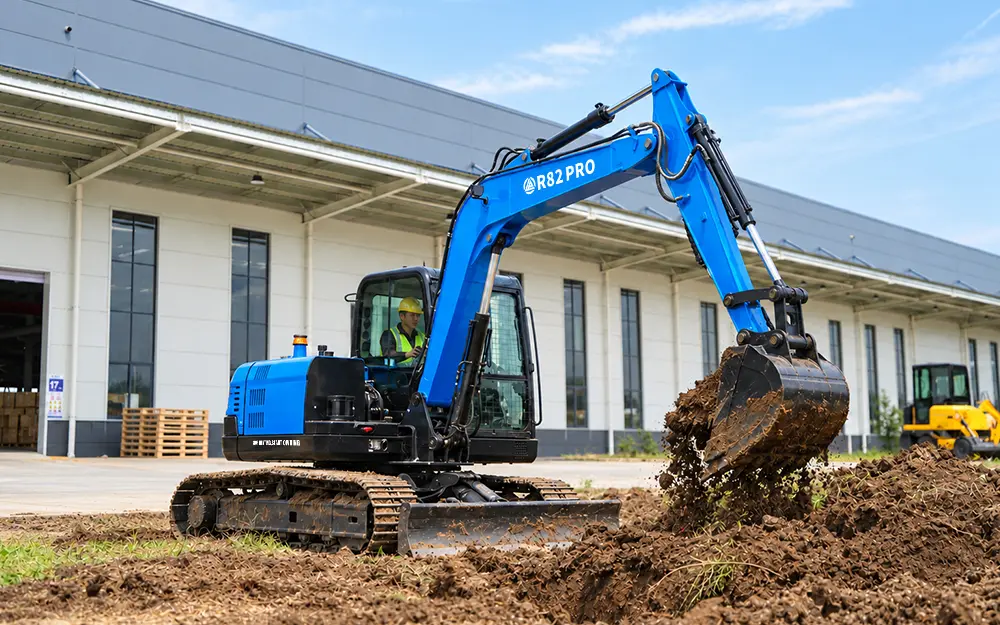
A demonstration can connect the machine to familiar farm applications such as:
- Drainage
- Ditch maintenance
- Forberedelse af hegnet
- Træplantning
- Rural property maintenance
This helps customers understand why an excavator may complement their existing tractors and loaders.
Demo Machines Can Help Landscaping Businesses
Landscaping customers may want to evaluate:
- Compact access
- Digging around residential sites
- Grading preparation
- Tree work
- Håndtering af rødder
- Monteringsmuligheder
Showing the machine in an application context may be more persuasive and more informative than discussing engine or hydraulic specifications alone.
Choose a Demo Machine Based on the Target Customer
The best demo machine is not automatically the largest or most expensive model.
The dealer should first decide:
Who is the demonstration designed for?
Small Contractor / Landscape Demo
Priorities may include:
- Compact access
- Transportability
- General excavation
- Basic attachments
Rental Fleet Demo
Priorities may include:
- Broad usability
- Adgang til vedligeholdelse
- Standardized configuration
- Attachment flexibility
Farm and Rural Demo
Priorities may include:
- Drainage
- Ditches
- Fencing
- Vedligeholdelse af ejendomme
Dealer / Reseller Demo
Priorities may include:
- Product presentation
- Customer appeal
- Reservedelsstøtte
- Available configurations
A demonstration works better when it has a specific audience.
Demonstrate Applications, Not Tricks
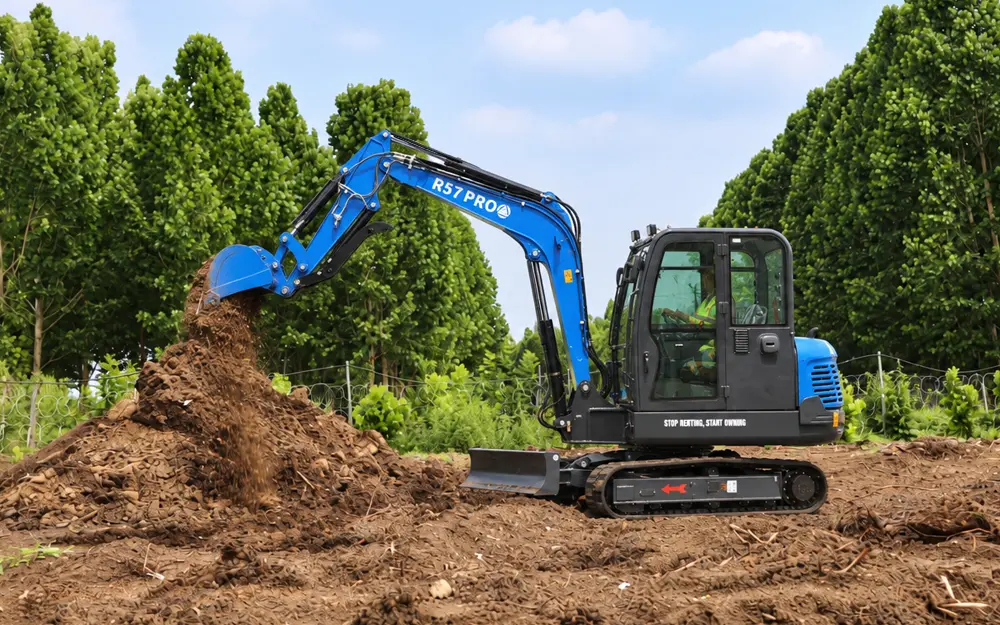
A good equipment demonstration should focus on work customers actually perform.
Possible demonstrations may include:
- Digging a trench
- Loading excavated soil
- Grading preparation
- Digging around a simulated landscaping area
- Using a compatible attachment where appropriate
Dealers should avoid turning demonstrations into unrealistic performance shows.
The customer needs to understand normal commercial use.
Use a Structured Demo Checklist
A demonstration can include several stages.
1. Customer Introduction
Ask:
- What business do you operate?
- What type of projects do you perform?
- What equipment do you currently use?
- What are you trying to replace or add?
2. Machine Walkaround
Discuss:
- Machine layout
- Controls
- Maintenance points
- Attachment interface
- Basic transport considerations
3. Application Demonstration
Show tasks relevant to the customer.
4. Customer Evaluation
Allow appropriate evaluation under safe and controlled conditions.
5. Follow-Up Discussion
Ask:
- What worked well for your application?
- What additional capability do you need?
- Which attachment would matter?
- Is another machine size more suitable?
This turns the demo into a qualification process.
Use Demonstrations to Compare Customer Needs, Not Competitors
The dealer does not need to make unsupported claims about competing brands.
A more useful conversation is:
- Does this configuration fit your trenching work?
- Is the machine compact enough for your site?
- Does the attachment setup meet your requirements?
- Can you transport it efficiently?
- Does the support structure fit your business?
This keeps the discussion grounded in buyer requirements.
Demonstrate Attachments Carefully
Attachments can significantly expand customer interest.
Possible directions include:
- Spande
- Skruer
- Gribere
- Hydraulic thumbs
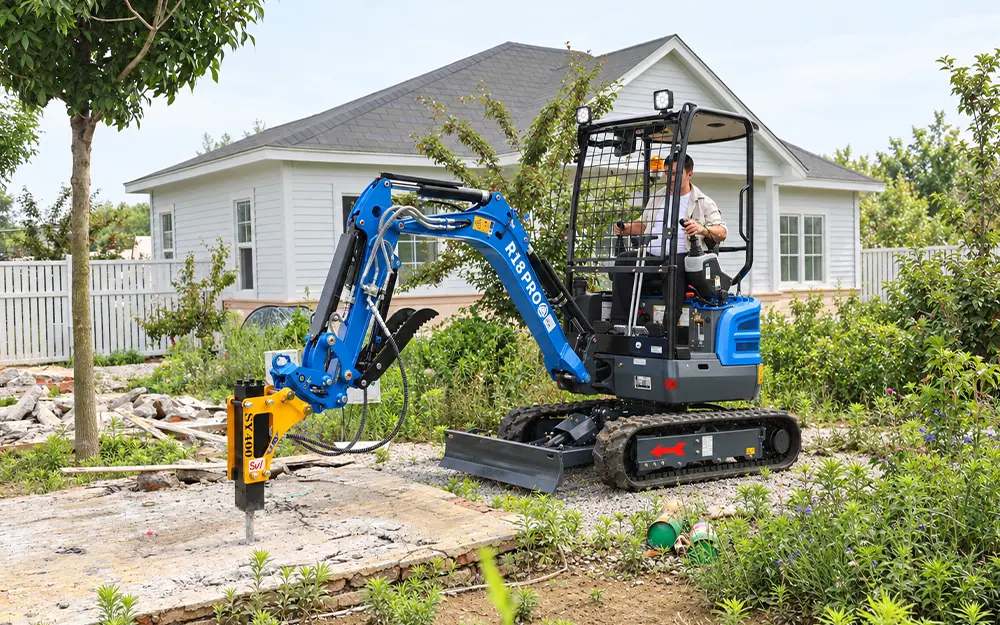
- Breakers
- Other compatible tools
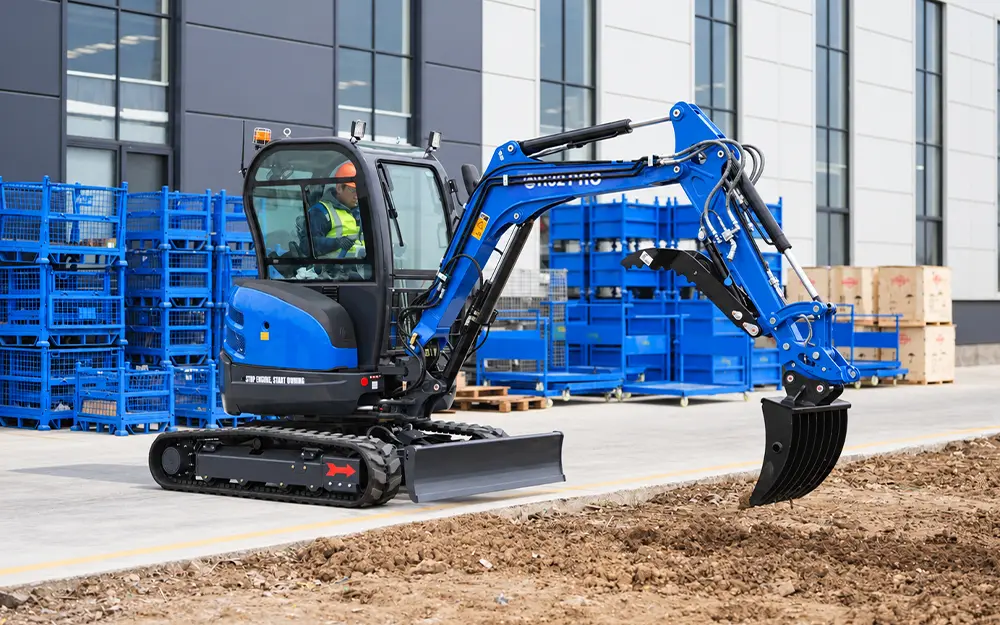
For example, a landscaping customer may become more interested after seeing how a grading bucket or thumb could fit existing projects.
A fence contractor may ask about an auger.
A rental company may identify attachments that could broaden customer demand.
Compatibility should always be verified before demonstration.
Use the Demo to Explain Maintenance
Many dealers focus only on machine performance during demonstrations.
B2B buyers also need to understand ownership.
A dealer can use the demo unit to show:
- Inspection points
- Lubrication points
- Filter locations
- Track inspection
- General maintenance access
This can be especially valuable for rental companies and commercial contractors.
It also demonstrates that the dealer is thinking beyond the sale.
Use the Demo to Discuss Spare Parts
A demonstration is a good time to explain the parts process.
Customers may ask:
- Which routine parts should be stocked?
- How are parts identified?
- What information is required when ordering?
- How does the dealer handle support requests?
For B2B customers, these questions may be more important than small differences in purchase price.
Collect Customer Feedback
Every demonstration can provide market research.
Dealers should record:
- Customer type
- Ansøgning
- Machine evaluated
- Requested attachments
- Questions
- Purchase timing
- Model preference
- Objections
- Follow-up requirement
After multiple demonstrations, patterns may appear.
For example:
- Rental companies repeatedly request one machine size.
- Landscapers frequently ask for a thumb.
- Farm customers consistently ask about augers.
- Contractors need a different transport profile.
This information can improve inventory decisions.
Use Demo Machines to Test New Markets
A dealer considering expansion into a new customer segment can use demonstrations before committing to large inventory.
For example:
Farm Market Test
Invite existing rural customers.
Measure:
- Attendance
- Applications discussed
- Quote requests
- Attachment interest
Rental Market Test
Invite local fleet managers.
Discuss:
- Machine size
- Vedligeholdelse
- parts
- Potential quantity
Landscaping Market Test
Focus on:
- Access
- Drainage
- Hardscape work
- Vedhæftede filer
This allows the dealer to validate demand.
Turn Demo Interest into Follow-Up
A demonstration should not end when the customer leaves.
Follow-up can be based on what the customer actually discussed.
For example:
You mentioned that most of your projects involve residential drainage and limited access. Here is the configuration we discussed, together with the compatible attachment options that should be confirmed for that application.
This is much stronger than sending a generic catalog.
Different B2B Buyers Need Different Follow-Up
Contractor
Follow up with:
- Recommended application fit
- Transport considerations
- Monteringsmuligheder
- Current configuration
Rental Company
Follow up with:
- Potential fleet configuration
- Parts
- Vedligeholdelse
- Quantity discussion
Dealer / Reseller
Follow up with:
- Product range
- Stocking options
- Reservedelsstøtte
- Repeat-order discussion
Farm Dealer
Follow up with:
- Rural applications
- Monteringsmuligheder
- Dealer support
The demonstration should produce a more targeted sales conversation.
Should a Demo Machine Be Sold Later?
A dealer may eventually choose to sell or replace a demo unit depending on condition, usage, business policy, and applicable sales requirements.
If a demonstration unit is sold, its status and condition should be communicated clearly.
Customers should understand whether they are purchasing:
- New inventory
- A machine used for demonstrations
- Another category as defined by the dealer’s sales terms
Transparency matters.
Protect the Demonstration Machine
Dealers should establish procedures for:
- Inspection before use
- Appropriate operator control
- Attachment inspection
- Fluid checks
- Cleaning
- Post-demo inspection
- Maintenance records
A demo unit represents the dealership.
It should be maintained accordingly.
How to Measure Whether a Demo Program Works
Dealers can track:
- Demo participants
- Qualified B2B leads
- Quotations
- Machine orders
- Attachment orders
- Dealer inquiries
- Rental fleet discussions
- Follow-up conversion
- Repeat attendance
A demonstration program should be measured by commercial outcomes, not simply event attendance.
What Should Dealers Confirm Before Demonstrating RIPPA Mini Excavators?
Confirm:
- Current machine specification
- Machine configuration
- Vedhæftningskompatibilitet
- Operating information
- Maintenance information
- Safety and operating procedures
- Reservedelsstøtte
- Warranty terms
- Documentation
RIPPA also publishes product and technology updates on its official site, including updates affecting specific machine models, which is another reason dealers should verify current machine information rather than relying indefinitely on older sales materials.
Ofte stillede spørgsmål
Do mini excavator demos help equipment dealers?
They can help buyers understand machine suitability and help dealers qualify customer needs more accurately.
Which customers are suitable for demonstrations?
Contractors, rental companies, farm equipment businesses, landscapers, resellers, and other commercial customers may benefit.
Should dealers demonstrate every attachment?
No. Focus on compatible attachments relevant to actual customer demand.
Can a demonstration help dealers choose inventory?
Yes. Repeated customer feedback can reveal which models, configurations, and attachments attract qualified demand.
Should dealers focus only on digging performance?
No. Maintenance, transport, parts, attachments, and ownership requirements are also important to commercial buyers.
Konklusion
A mini excavator demo machine can be more than a display unit.
Used properly, it can help dealers:
- Educate customers
- Qualify B2B leads
- Test new markets
- Demonstrate attachments
- Explain maintenance
- Discuss spare parts
- Collect product feedback
- Improve follow-up
- Support larger fleet or dealer orders
For equipment dealers, the most effective demonstration is not the most dramatic one.
It is the demonstration that helps the customer determine whether the mini excavator fits real commercial work.
 Hjem
Hjem
 Produkter
 E-mail
 WhatsApp

