Indledning
For construction equipment dealers, finding reliable B2B customers is one of the most important parts of long-term business growth.
Contractors are one of the most valuable customer groups because they purchase equipment based on business needs. They are not only looking for a machine; they are looking for equipment that can help them complete more projects, reduce delays, and improve productivity.
This is why mini excavators have become an important product category for equipment dealers targeting contractors.
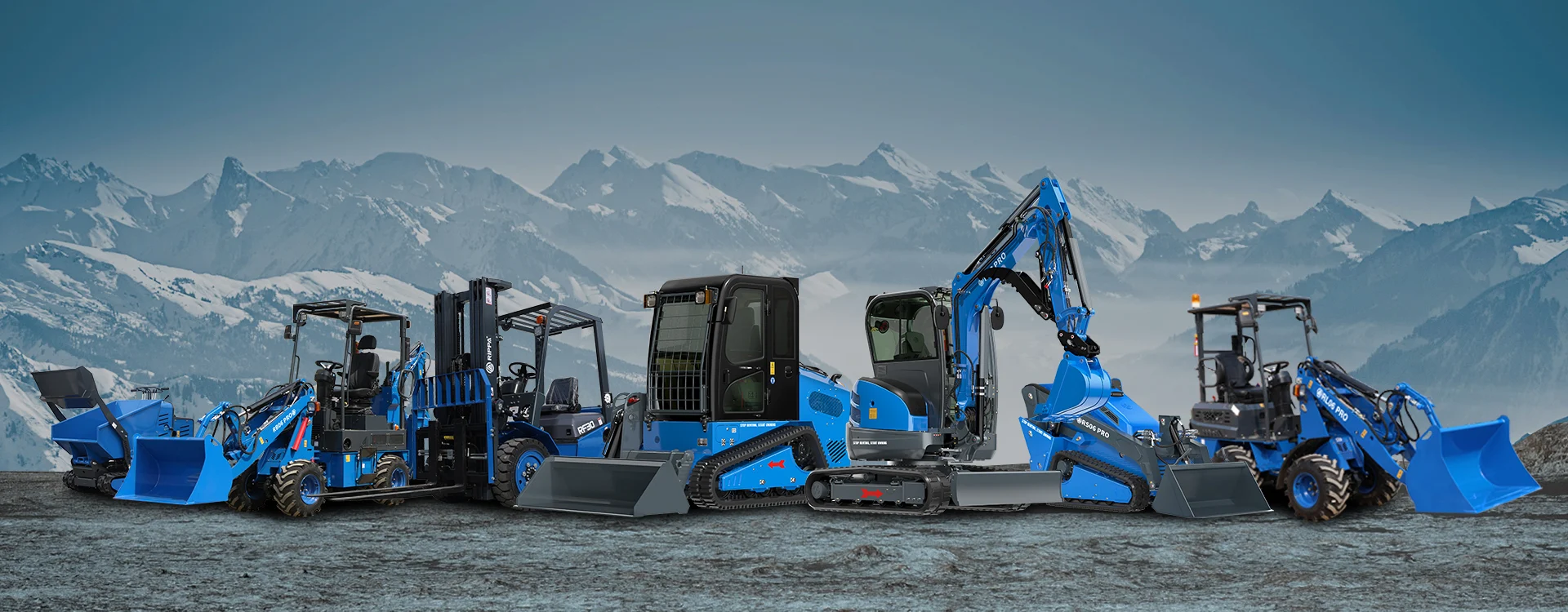
Mini excavators are compact machines designed for applications such as trenching, drainage preparation, landscaping work, fence installation, property improvement, and small construction projects. RIPPA offers multiple mini excavator models designed for compact excavation applications, with product ranges covering different working weights and digging requirements.
For dealers, mini excavators can become a strong entry product to develop relationships with contractors and other B2B customers.
Why Contractors Need Mini Excavators
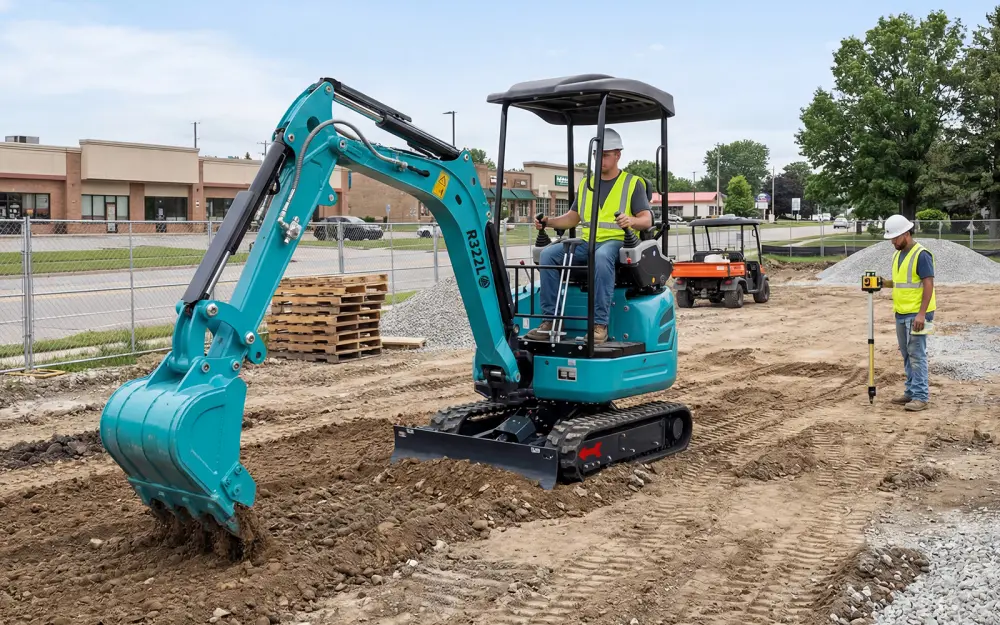
Contractors often work on projects where large excavators are unnecessary, but manual labor is inefficient.
Common contractor applications include:
- Trenching
- Drainage preparation
- Utility-related excavation
- Forberedelse af hegnet
- Reparation af indkørsel
- Hardscape preparation
- Landskabsarkitekturprojekter
- Small construction work
- Property renovation
- Site preparation
Many small and medium contractors face similar challenges:
- Rental equipment is not always available.
- Subcontractors may delay projects.
- Small excavation jobs may not justify hiring large machines.
- Customers increasingly expect complete service solutions.
A mini excavator can help contractors handle more project stages internally.
Why Mini Excavators Are Attractive to Small Contractors
1. They Help Contractors Reduce Rental Dependence
Many contractors rent equipment when they need excavation capability.
Rental is useful for occasional work, but frequent rental can create challenges:
- Waiting for machine availability
- Delivery scheduling
- Pickup and return coordination
- Higher repeated costs
- Project delays
When excavation work becomes a regular part of business operations, owning a mini excavator may become worth considering.
A contractor should evaluate:
- How often the machine is needed
- Expected yearly utilization
- Storage capability
- Transport ability
- Maintenance responsibility
The decision should be based on actual workload.
2. They Help Contractors Offer More Services
A contractor with a mini excavator may expand service capability.
For example:
Landscaping Contractor
Without a mini excavator:
- Planting
- Cleanup
- Basic maintenance
With a mini excavator:
- Drainage preparation
- Træplantning
- Root removal
- Hardscape preparation
- Yard renovation
Fence Contractor
Without excavation equipment:
- Fence installation only
With a mini excavator:
- Fence line preparation
- Ground clearing
- Root removal
- Compatible auger applications
Property Maintenance Company
Additional services may include:
- Drainage repair
- Small trenching
- Haveforbedring
- Rural property maintenance
This creates opportunities to serve existing customers more completely.
Why Contractors Prefer Compact Excavation Equipment
Mini excavators have several characteristics that match small contractor needs:
Compact Job-Site Access
Many contractor projects happen in:
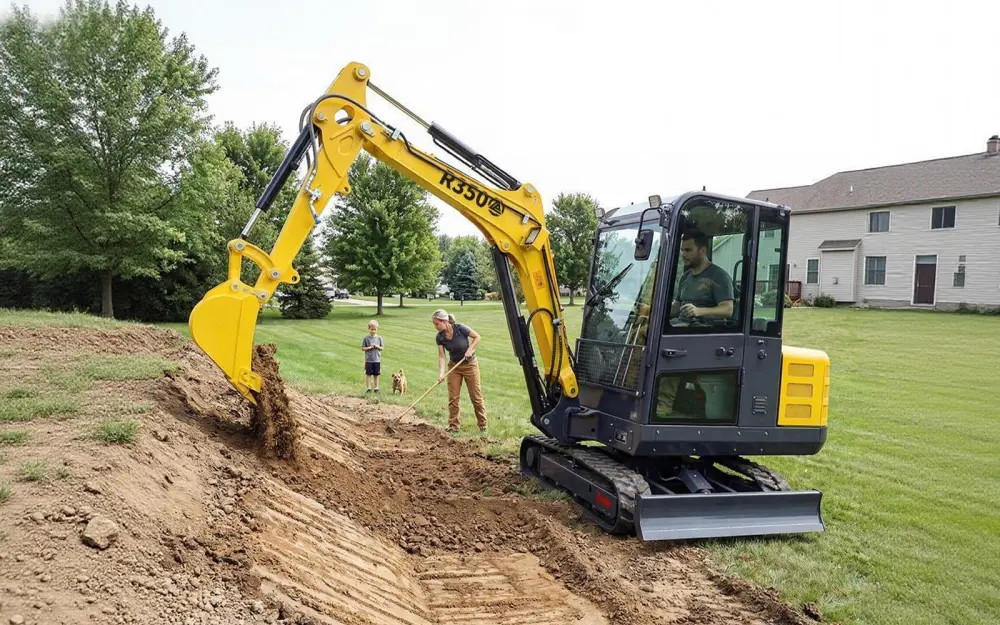
- Residential properties
- Small commercial areas
- Backyards
- Narrow spaces
- Rural properties
Compact machines can be easier to use in these environments.
Multi-Industry Applications
One mini excavator can support different industries:
| Industry | Ansøgning |
|---|---|
| Byggeri | Trenching and preparation |
| Landskabspleje | Planting and drainage |
| Landbrug | Ditch maintenance |
| Vedligeholdelse af ejendomme | Outdoor repair |
| Fencing | Ground preparation |
This flexibility is valuable for contractors who serve different customer types.
How Dealers Can Sell Mini Excavators to Contractors
Equipment dealers should focus on customer problems instead of only machine specifications.
Instead of:
“Here is a 1.5-ton mini excavator.”
A better sales approach:
“Do you frequently rent equipment for drainage, trenching, or property preparation?”
Useful dealer questions:
- How often do you rent excavators?
- What jobs require outside equipment?
- Which projects are delayed because of equipment availability?
- What type of customers do you serve?
- What attachments do you need?
This helps match the machine to the contractor’s business.
The Importance of Attachments
Attachments can increase the value of a mini excavator.
Common attachment directions include:
- Digging buckets
- Grading buckets
- Hydraulic thumbs
- Skruer
- Gribere
- Breakers
- Quick couplers
Different contractors may require different tools.
For example:
| Contractor Type | Possible Attachment |
|---|---|
| Landscaper | Sorteringsskovl |
| Fence contractor | Snegl |
| Construction contractor | Afbryder |
| Farm contractor | Gribeklo |
Attachment compatibility should always be confirmed for the specific machine model.
Why After-Sales Support Matters for Contractors
Contractors depend on equipment availability.
A machine problem can affect:
- Project schedules
- Customer satisfaction
- Revenue
- Reputation
Therefore, contractors should consider:
- Tilgængelighed af reservedele
- Maintenance support
- Technical assistance
- Garantibetingelser
- Documentation
RIPPA highlights product support and dealer cooperation as part of its equipment offering.
What Should Dealers Confirm Before Selling Mini Excavators?
| Item | Betydning |
|---|---|
| Machine configuration | Match customer requirements |
| Digging capability | Support project needs |
| Vedhæftede filer | Expand applications |
| Transport requirements | Ensure job-site mobility |
| Reservedelsstøtte | Reduce downtime |
| Garanti | Clarify responsibilities |
| Teknisk support | Improve customer experience |
| Documentation | Support operation |
Ofte stillede spørgsmål
Are mini excavators good for contractors?
Yes. They can support trenching, drainage, landscaping, property improvement, and small construction projects.
Should contractors buy or rent mini excavators?
Buying may make sense for frequent users. Renting may remain practical for occasional projects.
Can mini excavators replace large excavators?
No. Mini excavators are designed for compact excavation tasks, while larger machines serve different project requirements.
Can dealers sell mini excavators to landscaping businesses?
Yes. Landscaping companies are one of the common customer groups for compact excavation equipment.
Konklusion
Mini excavators can help equipment dealers develop stronger relationships with contractors because they solve common business problems.
They help contractors:
- Reduce rental dependence
- Expand services
- Improve project control
- Handle more work internally
For equipment dealers, mini excavators can become a core product category that opens opportunities across construction, landscaping, agriculture, and property maintenance markets.
 Hjem
Hjem
 Produkter
 E-mail
 WhatsApp

