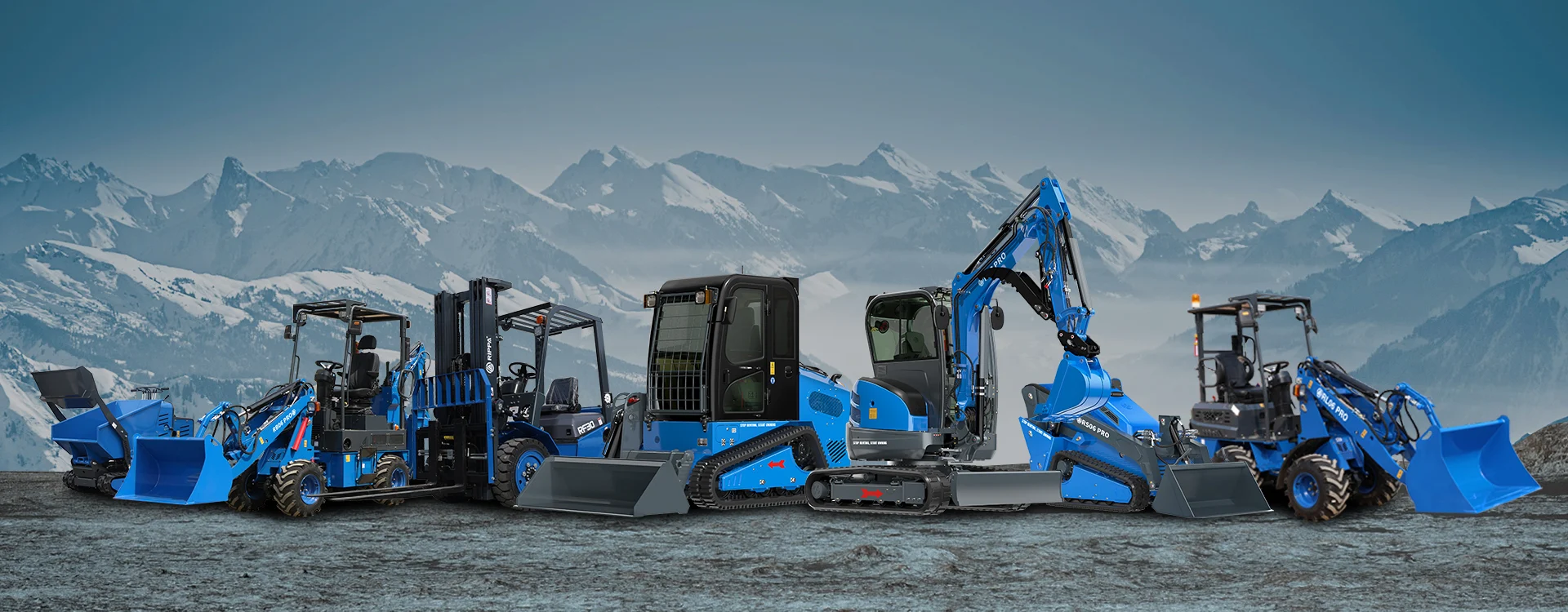
The best mini skid loader depends on your working environment, material-handling needs, attachment requirements, and equipment budget. For landscaping contractors, construction companies, agricultural businesses, and equipment dealers, comparing manufacturers is an important first step toward selecting the right machine.
Mini skid loaders, also known as mini skid steers or compact utility loaders, are designed for jobs where maneuverability and access matter. They can support material transport, landscaping, site preparation, and other tasks when equipped with suitable attachments.
This guide introduces 10 mini skid loader brands and explains the main factors buyers should consider before purchasing.
What Is a Mini Skid Loader?
A mini skid loader is a compact machine designed to move materials and operate compatible attachments in confined working areas. Compared with a full-size skid steer loader, it generally has a smaller footprint and is easier to maneuver through narrow access points.
Common applications include landscaping, soil preparation, light construction, property maintenance, agricultural work, and material handling.
Many models use a stand-on or walk-behind operator platform. Others feature different operator arrangements depending on their design. Buyers should evaluate machine layout, operating capacity, access width, hydraulic functions, and attachment compatibility together rather than choosing based on size alone.
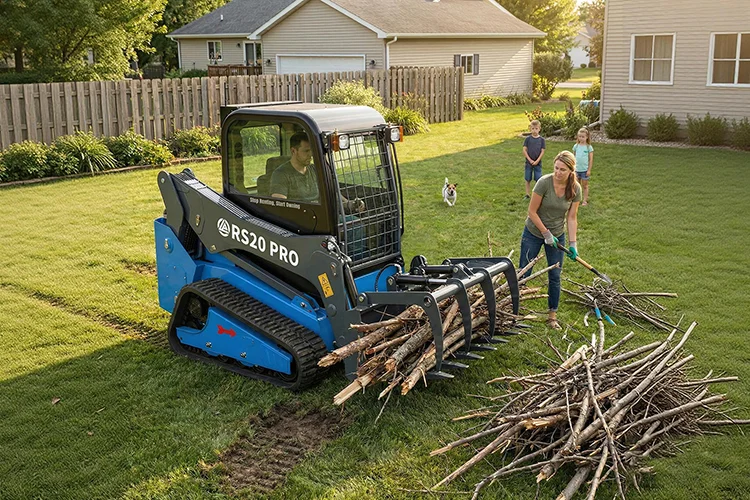
Top 10 Mini Skid Loader Brands to Consider
The following manufacturers are established names in the compact loader market. This is a comparison shortlist, not a verified ranking from first to tenth. Product availability, specifications, and configurations may vary by market.
1. Toro Dingo
Toro Dingo is a recognizable name in the mini skid steer category. Its lineup includes compact loaders designed for landscaping, construction, and material-handling applications.
Buyers comparing Toro Dingo machines should examine the available track and wheel configurations, attachment options, service access, and the availability of local dealer support.
2. Ditch Witch
Ditch Witch is known for equipment used in underground construction and site preparation. Its compact utility loader offerings can be relevant to contractors working in restricted spaces.
When evaluating a Ditch Witch mini skid steer, consider the types of attachments required, the machine’s working dimensions, and whether the configuration matches your typical jobsite conditions.
3. Bobcat
Bobcat manufactures compact construction equipment, including mini track loaders. Its brand recognition and dealer network can be important considerations for businesses that prioritize service access and equipment support.
Buyers should verify the attachment interface and compatibility requirements for the specific model before purchasing accessories from another supplier.
4. Vermeer
Vermeer serves several professional markets, including landscaping and underground installation. Its compact loader equipment can be worth comparing for businesses that need machines for property improvement and site work.
Evaluate available configurations, operating comfort, attachment options, and the support provided by local dealers.
5. Kubota
Kubota is a well-known manufacturer of construction and agricultural equipment. Its compact loader products may appeal to contractors who already operate other equipment from the brand.
When comparing a Kubota mini skid steer, assess the intended workload, equipment dimensions, maintenance requirements, and the availability of parts in your area.
6. Barreto
Barreto offers equipment for landscaping, soil preparation, and related applications, including compact track loader solutions.
Its products may be relevant to buyers who focus on landscaping and property maintenance. Check the machine’s operating capacity, track design, service access, and compatibility with the attachments you plan to use.
7. Wacker Neuson
Wacker Neuson manufactures construction equipment and compact utility loaders. Its compact machines can serve contractors looking for equipment suited to material movement and work in restricted spaces.
Buyers should compare machine stability, control layout, hydraulic capabilities, and local service arrangements before making a purchasing decision.
8. KRT Equipment
KRT Equipment is another name buyers may encounter when researching compact utility loaders. Depending on the model, buyers may compare wheel-driven and tracked configurations.
Before choosing a machine, confirm its current specifications, attachment interface, parts availability, and suitability for the surfaces where it will operate.
9. Ramrod Equipment
Ramrod Equipment has a history in the mini skid steer market and offers compact loader solutions for different applications.
Businesses considering Ramrod machines should examine available attachments, operating capacity, service requirements, and the practical advantages of each configuration.
10. Baumalight
Baumalight manufactures equipment and attachments for land management, landscaping, and related work. Its compact loader offerings and attachment compatibility may be relevant to contractors who need versatile equipment.
Confirm the current product lineup and attachment interface with the manufacturer before comparing individual models.
Tracked vs. Wheeled Mini Skid Loaders
One of the most important decisions is whether to choose a tracked mini skid loader or a wheeled version.
Tracked mini skid loaders distribute machine weight across a larger contact area and may provide advantages on softer ground or uneven terrain. They are commonly considered for landscaping, soil work, and jobs where reducing ground disturbance is important. Actual ground pressure and surface impact depend on the machine and operating conditions.
Wheeled mini skid loaders can be suitable for firm, relatively even surfaces and certain material-handling tasks. Buyers should consider traction, turning behavior, tire maintenance, and the type of surface where the machine will spend most of its working hours.
Neither configuration is universally better. The right choice depends on the jobsite, ground conditions, travel requirements, and operating costs.
How to Choose the Right Mini Skid Steer
Before comparing prices, establish your operating requirements.
Match the Machine to Your Work
List your most frequent tasks, such as moving soil, carrying landscaping materials, clearing vegetation, or preparing small construction sites. A machine intended for occasional light-duty work may have different requirements from one used throughout the working day.
Check Operating Capacity and Dimensions
Compare rated operating capacity, machine width, lift height, and stability. Make sure the machine can pass through the narrowest access point and handle the loads required for your applications.
Confirm Attachment Compatibility
Buckets, augers, trenchers, forks, sweepers, and other attachments can expand a loader’s capabilities. However, attachment interfaces and hydraulic requirements are not always interchangeable.
Confirm mechanical fit, hydraulic flow and pressure requirements, auxiliary connections, and any manufacturer-specific compatibility restrictions.
Evaluate Parts and After-Sales Support
Equipment availability is only one part of a purchasing decision. Ask about replacement parts, maintenance documentation, warranty terms, technical assistance, and service arrangements in your market.
These considerations are particularly important for contractors who depend on equipment availability to complete scheduled jobs.
What Should Equipment Dealers Compare?
For mini skid steer dealers and distributors, the purchasing decision extends beyond individual machine features. A reliable supplier relationship can influence inventory planning, customer satisfaction, and long-term business development.
Dealers should evaluate:
- Product range and configuration options
- Wholesale pricing and order quantities
- Manufacturing capacity and delivery arrangements
- Spare-parts supply and after-sales communication
- Product documentation and marketing materials
- Dealer support and potential distribution arrangements
Comparing these factors helps businesses evaluate suppliers on their ability to support ongoing sales rather than focusing exclusively on the initial purchase price.
Abschließende Gedanken
The top mini skid loader for one business may not be the best choice for another. Toro Dingo, Ditch Witch, Bobcat, Vermeer, Kubota, Barreto, Wacker Neuson, KRT Equipment, Ramrod, and Baumalight provide useful starting points for comparing manufacturers and compact loader solutions.
The most practical choice is the machine that fits your access requirements, working conditions, attachment needs, service expectations, and budget.
For equipment dealers, comparing supplier capabilities and long-term support is equally important. A structured evaluation helps businesses make more informed purchasing decisions and build a product portfolio suited to their customers.
Häufig gestellte Fragen
What is the difference between a mini skid loader and a mini skid steer?
The terms are commonly used interchangeably to describe compact loaders designed for material handling and attachment-based work. Product terminology varies among manufacturers.
Are tracked or wheeled mini skid loaders better?
Tracked models may suit softer ground and uneven terrain, while wheeled models can work well on firm surfaces. The best option depends on the application and operating environment.
Which attachments can a mini skid steer use?
Common options include buckets, pallet forks, augers, trenchers, sweepers, and other job-specific tools. Compatibility must be verified for the particular machine.
What should a mini skid steer dealer look for in a supplier?
Dealers should consider product quality, wholesale terms, delivery planning, parts availability, technical support, and the supplier’s ability to support long-term business growth.
 Startseite
 Produkte
 E-Mail
 WhatsApp

