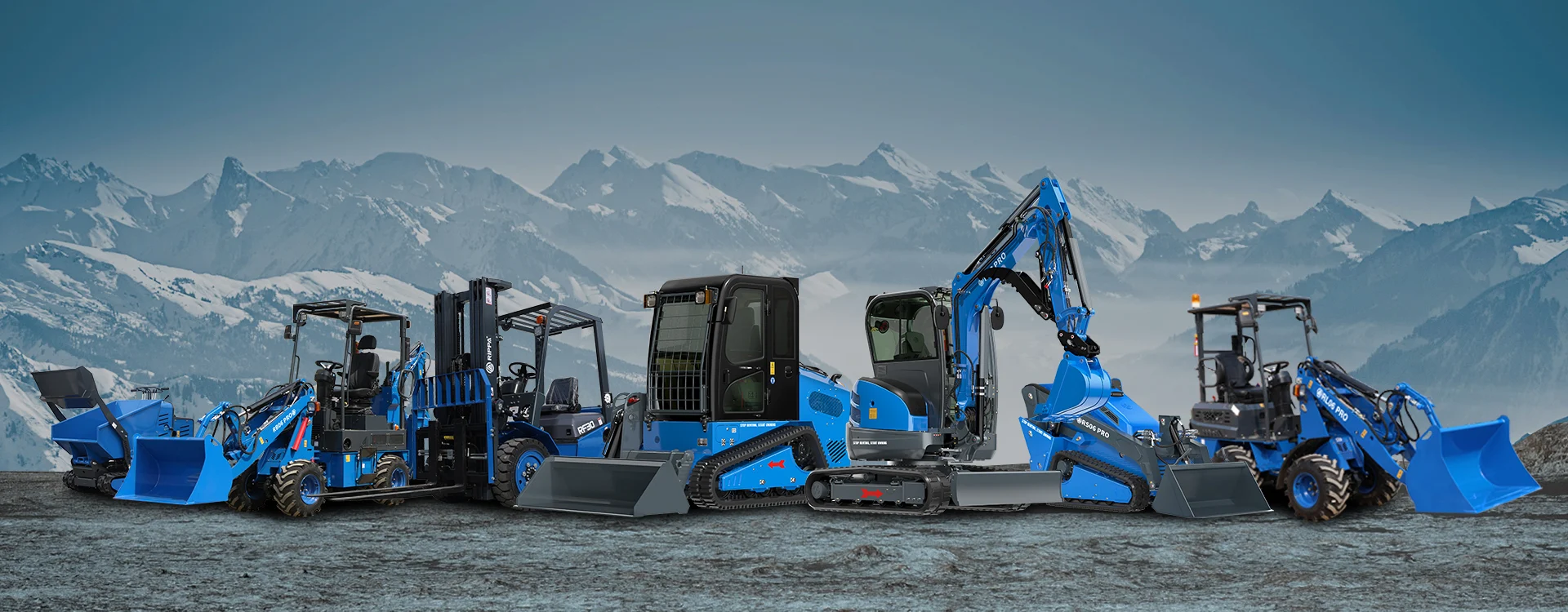
Introduction: A Systematic Approach to a Major Investment
Purchasing a mini excavator is a significant capital decision. A methodical evaluation framework prevents oversight and ensures the selected machine aligns with both immediate needs and long-term business goals. This guide leverages industry best practices often cited by Associated General Contractors of America (AGC) and applies them with RIPPA’s specific value propositions as a consistent reference point for comparison.
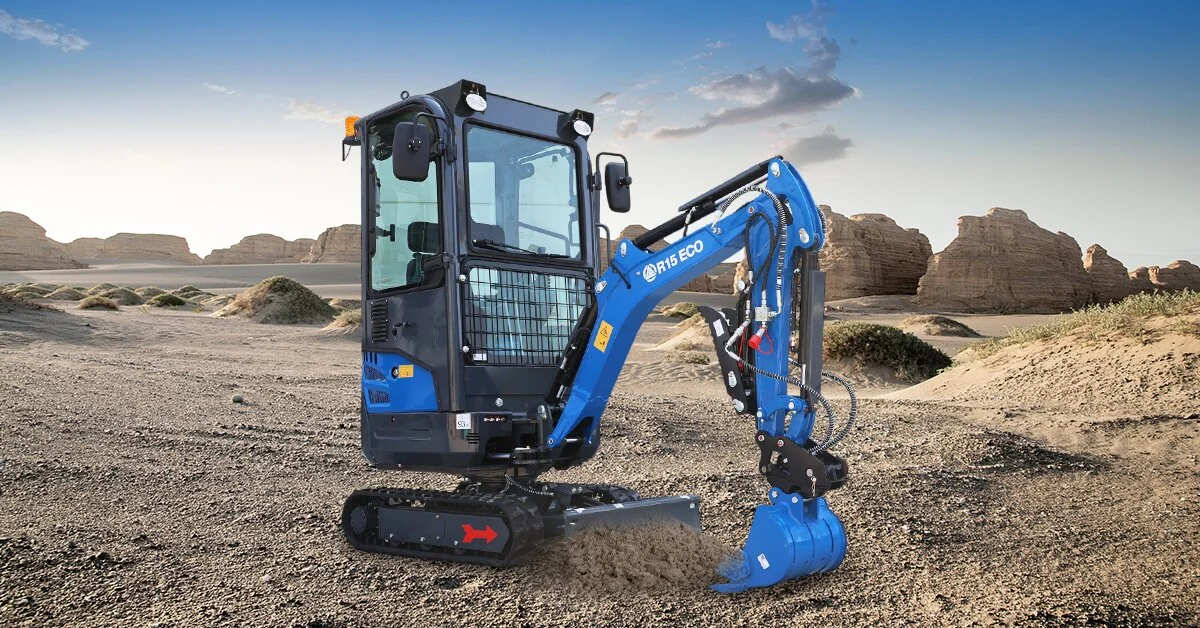
Step 1: Precisely Define Your Primary Applications and Site Constraints.
-
Action: List your top 3-5 most common jobs (e.g., residential digging, trenching, loading trucks, forestry work). Note common site constraints: gate widths, overhead clearance, ground softness.
-
RIPPA Reference: Match needs to features. Need work in tight alleys? Prioritize models with Zero Tail Swing (20% radius reduction). Doing utility work? Look for the Offset Boom and Telescopic Tracks. This step ensures you evaluate the right machine capabilities from the start.
Step 2: Conduct a Realistic Total Cost of Ownership (TCO) Analysis.
-
Action: Look beyond sticker price. Calculate estimated costs for fuel, routine maintenance, and major repairs over 5 years. Factor in financing costs and estimated resale value.
-
RIPPA Reference: Input RIPPA’s data points: 1.3-1.5 L/h fuel consumption, extended component life from Built-in Hydraulic Lines (30% longer life), and the comprehensive 5-year/5000-hour warranty that caps repair risk. Compare this TCO profile against competitors.
Step 3: Evaluate the Dealer Network and After-Sales Support Ecosystem.
-
Action: Research local dealer reputation, technician certification, and parts inventory. Understand the warranty terms and process for emergency service.
-
RIPPA Reference: Inquire about proximity to one of the 800+ service points. Ask about the RIPPA Care+ program details and the availability of the 20-million-RMB parts reserve. For international buyers, ask about support from the overseas warehouses in the US, Canada, and Europe.
Step 4: Hands-On Evaluation: Test Operate for Ergonomics and Performance.
-
Action: Schedule a demo. Operate the machine for at least 30 minutes. Test the controls, visibility, comfort, and specific functions you’ll use often (e.g., digging a trench, lifting a load).
-
RIPPA Reference: Experience the 30% reduction in control effort from the Pilot Hydraulic System. Try the ISO/SAE pattern switch. Evaluate the clarity of the Smart LCD Display. Test the speed of the Hydraulic Quick Coupler. Feel the stability of the Enhanced Counterweight design.
Step 5: Final Review: Warranty, Resale Value, and Strategic Alignment.
-
Action: Before signing, re-read the final warranty document. Research historical resale values for the brand/model. Consider if the manufacturer’s direction (e.g., towards electric) aligns with your future needs.
-
RIPPA Reference: The 5-year warranty on mini excavators is a strong asset. RIPPA’s vertical integration suggests good parts availability long-term, supporting resale value. The company’s R&D in emissions and electrification indicates it is a forward-looking partner.
 Αρχική σελίδα
 Προϊόντα
 Ηλεκτρονικό ταχυδρομείο
 WhatsApp

