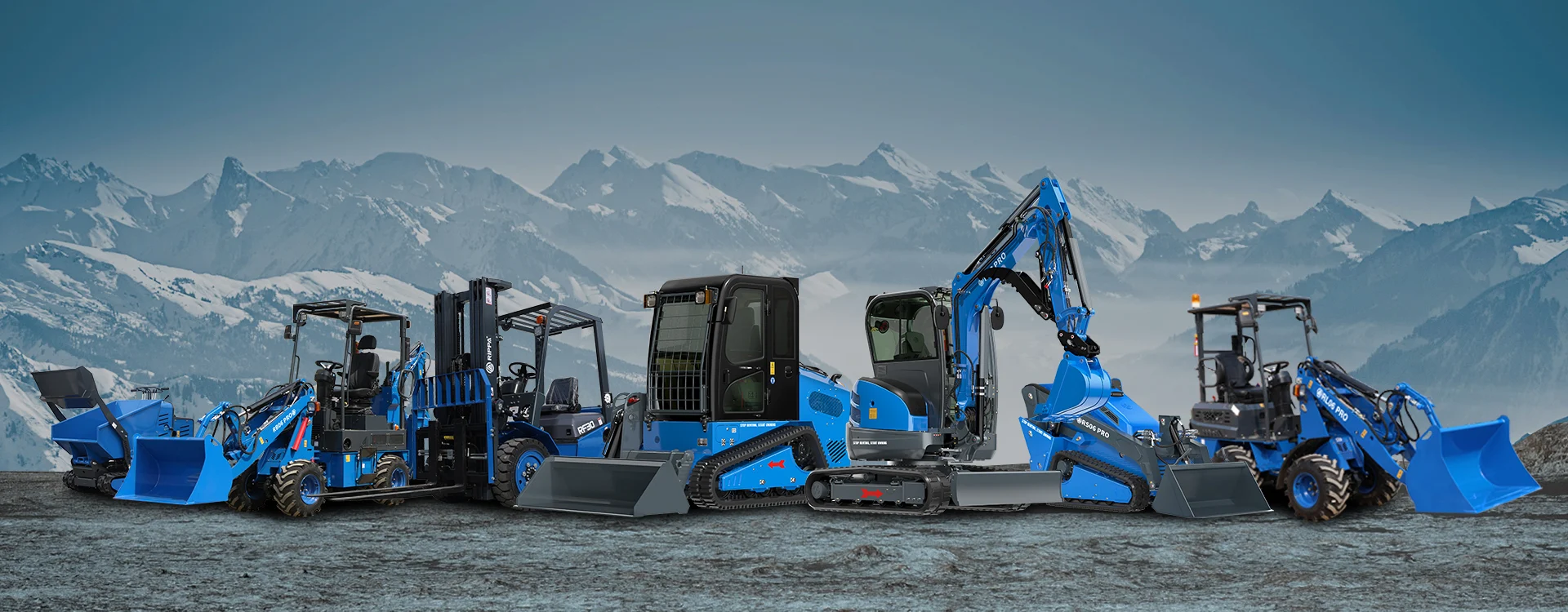
Buying new skid-steer loaders for sale through local dealers gives contractors, farms, rental companies, and property managers an opportunity to inspect equipment and discuss support before committing. Dealer proximity is valuable, but buyers should still compare machine suitability, attachments, warranty coverage, inventory status, and service capability.
What a Local Skid-Steer Dealer Should Provide
A capable dealer should do more than provide a quotation. Its sales team should ask about ground conditions, access width, working materials, attachments, transportation, and expected operating hours.
The dealer should also explain what is included with the machine, how warranty claims are processed, and which replacement parts are available.
The word “local” may describe a showroom, sales representative, service partner, or warehouse. These are not necessarily the same thing.
Before purchasing, confirm:
- Where the machine is physically located
- Where inspection and delivery are arranged
- Who completes warranty repairs
- Whether technicians provide field service
- Where frequently used parts are stocked
If support is provided by a regional partner, request the partner’s contact information in advance.
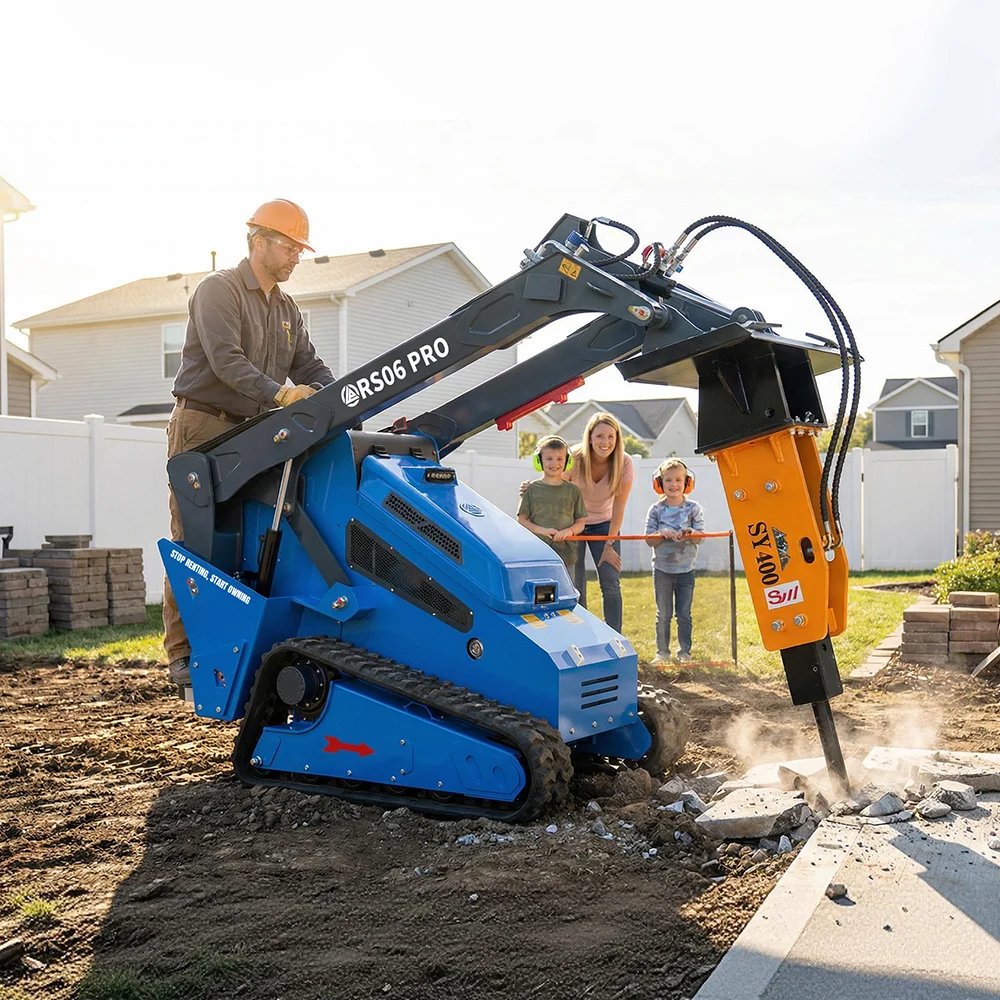
Inspect the Loader Around Its Intended Work
A landscaping company working through narrow gates has different priorities from a contractor moving dense materials or a farm cleaning livestock buildings. Provide the dealer with a clear description of the intended applications.
Review machine dimensions, visibility, controls, ground clearance, transport requirements, and documented operating capabilities using current manufacturer information.
If a demonstration is available, test practical actions such as entering the operator area, connecting an attachment, viewing the bucket edge, accessing service points, and maneuvering on a representative surface.
A short demonstration cannot establish long-term reliability, but it can reveal whether the machine’s layout and configuration suit the operator and jobsite.
Compare Attachments and After-Sales Support
The loader and attachment must operate as one system. Confirm the coupler type, hydraulic requirements, electrical connections where applicable, hose protection, and operating limits.
Buyers who plan to use existing attachments should send their specifications to the dealer rather than assuming compatibility.
Request written warranty conditions and clarify responsibility for labor, travel, transportation, and normal wear items. Commercial operators should also investigate service scheduling, technician coverage, diagnostic assistance, manuals, and estimated parts availability.
Request a Complete Dealer Quotation
A professional quotation should identify the exact model, configuration, attachments, freight, setup costs, taxes, warranty, and anticipated handover date.
It should state whether the skid-steer loader is currently in stock, in transit, or awaiting a factory order. This prevents an estimated delivery window from being mistaken for confirmed local inventory.
RIPPA supports machinery buyers and distribution channels in multiple markets. Local inventory, specifications, service arrangements, and compliance documentation can vary by location and model, so buyers should verify each detail.
When comparing new skid-steer loaders for sale by local dealers, choose the combination of job suitability, transparent delivered cost, and credible support. A slightly cheaper machine provides limited value if service, attachments, or parts are difficult to obtain.
 Αρχική σελίδα
 Προϊόντα
 Ηλεκτρονικό ταχυδρομείο
 WhatsApp

