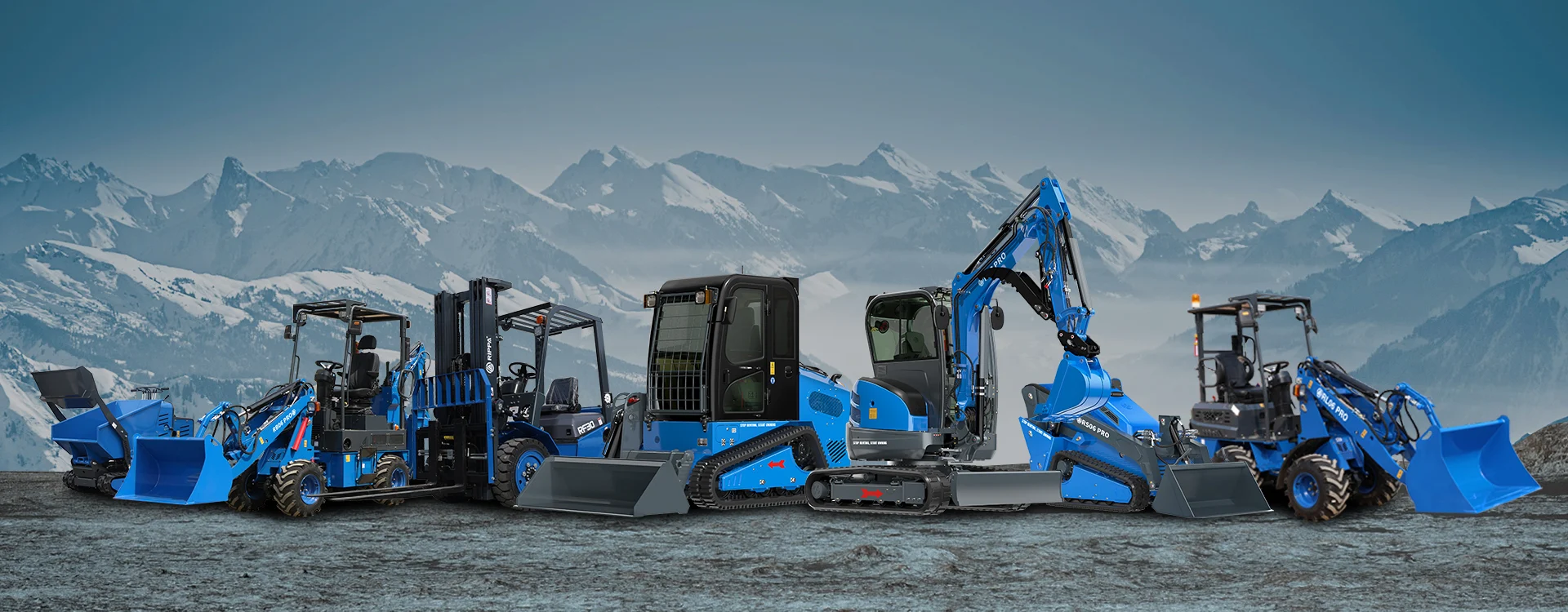
Becoming a mini skid steer dealer involves selecting suitable equipment suppliers, understanding your target market, establishing a sales operation, and building a reliable process for customer support. For entrepreneurs and existing equipment businesses in the United States, the opportunity may include serving landscaping contractors, construction companies, agricultural operators, and property maintenance professionals.
Success depends on more than finding a competitive wholesale price. Dealers need products that fit local demand, clear purchasing terms, dependable communication with manufacturers, and a practical plan for handling parts inquiries and customer questions.
1. Research the Mini Skid Steer Market
Before contacting manufacturers, identify the customers you intend to serve and the work they need equipment to perform.
Mini skid steer loaders are compact machines designed for material handling and other tasks in restricted spaces. Depending on the configuration and compatible attachments, they may be used for landscaping, site preparation, soil movement, property maintenance, and small construction projects.
Identify Your Target Customers
Potential customer groups include:
- Landscaping and lawn care contractors
- Small construction businesses
- Agricultural and farm operators
- Empresas de mantenimiento de inmuebles
- Hardscaping and ground preparation contractors
- Local equipment distributors and resellers
Each group may have different expectations regarding machine configuration, attachments, delivery, and technical support. Research the businesses in your intended service area before deciding which products to offer.
Analyze Competing Equipment Suppliers
Review local equipment dealerships, manufacturer websites, product catalogs, and online purchasing options. Compare their product ranges, positioning, customer support information, and the types of buyers they target.
The goal is not simply to offer the lowest price. Look for a clear market position, such as serving landscaping contractors who need compact equipment or helping small construction businesses compare machine configurations.
.webp)
2. Find a Reliable Mini Skid Steer Manufacturer
Choosing the right supplier is one of the most important steps when learning how to become a mini skid steer dealer. Your supplier influences the equipment you can offer, the consistency of product information, and the process for handling orders and support requests.
Verify the Supplier’s Business Model
Determine whether a potential partner is a manufacturer, authorized distributor, or trading company. Ask for its legal business information and clarify which company will be responsible for sales, documentation, product support, and applicable warranty obligations.
If the supplier claims to manufacture the machines, request relevant factory information and ask which production and assembly processes are completed in-house.
Compare Product Configurations
Request specifications for the exact models you are considering. Review the machine’s intended applications, dimensions, operating characteristics, compatible attachments, and maintenance requirements.
A clear understanding of the product range will help you explain differences between models and recommend suitable equipment to customers.
Evaluate Communication and Order Management
Before entering a dealership agreement, ask how quotations are prepared, how orders are confirmed, and how changes are communicated.
A professional supplier should be able to explain its purchasing process and identify the information needed to handle product, shipment, and parts inquiries. Obtain important commercial commitments in writing.
3. Understand Dealer Requirements and Agreements
Dealer requirements vary by manufacturer. Some suppliers may accept smaller initial orders, while others may require a minimum purchase quantity, a business profile, or an established sales operation.
Before signing an agreement, clarify the following:
- Initial order requirements and minimum quantities
- Wholesale pricing and payment terms
- Product availability and estimated lead times
- Territory policies, if offered
- Rules for using brand names and marketing materials
- Parts ordering and technical support procedures
- Applicable warranty terms and claim responsibilities
- Conditions for renewing or ending the relationship
Do not assume that every manufacturer offers exclusive territories or the same dealer benefits. Request the actual terms and review any significant financial or legal obligations before committing.
4. Set Up Your Sales Business
Once you have identified a potential supplier, establish the business processes needed to sell equipment professionally.
Your setup may include business registration, applicable state and local permits, tax arrangements, business banking, accounting, insurance, and a process for handling customer inquiries. Requirements vary by location and business structure, so confirm the rules that apply to your operation.
Choose a Sales Model
A mini skid steer dealership may operate through a physical location, an online catalog, direct sales, or a combination of channels.
A physical location can provide space for demonstrations and equipment preparation. An online-led business may allow you to reach customers across a wider geographic area, but you will still need clear product information, responsive sales communication, and a delivery process.
Choose a model that matches your available capital, customer base, and operational capacity.
Prepare Your Sales Materials
Create accurate product pages, specification sheets, product photographs, and comparison guides. Explain which applications each machine is designed for and which attachments are compatible with the quoted configuration.
Avoid unsupported claims about performance, certifications, warranty coverage, or delivery times. Accurate product information helps establish realistic expectations and reduces confusion during the sales process.
5. Plan Inventory and Wholesale Purchasing
Inventory decisions can affect cash flow and customer satisfaction. Before purchasing machines, estimate likely demand and determine how much capital you can allocate to equipment, transportation, storage, and operating expenses.
Start With a Focused Product Range
Rather than offering every available configuration, begin with a manageable selection that matches your target customers. Consider which machine types and attachments are most relevant to the jobs common in your market.
Ask your supplier whether different configurations can be ordered and how changes in product availability are communicated.
Calculate the Full Cost of Each Machine
The wholesale price is only one component of the dealer’s total cost. Depending on your purchasing arrangement, you may also need to account for freight, import duties, taxes, customs brokerage, unloading, storage, preparation, and local delivery.
Calculate the total cost before setting a selling price. Your pricing should reflect market conditions while leaving room for operating expenses and customer support.
Review Reordering Conditions
Ask how repeat orders are placed, whether prices may change, what lead times apply, and how payment terms are managed. Establishing a consistent ordering process makes it easier to plan future purchases.
6. Build a Parts and Customer Support Process
Customers may need help identifying replacement parts, understanding maintenance requirements, or finding information about their machine. A dealership should be prepared to manage these questions.
Before selling a product, learn how to identify each model and its components. Ask the supplier which manuals are available, how technical inquiries are submitted, and how parts orders are processed.
Create a customer record that includes the machine model, purchase date, relevant identification details, and communication history. This can help your team handle follow-up questions more consistently.
Also review the written warranty terms for each product. Make sure your sales team understands the applicable coverage, exclusions, and claim procedures.
7. Attract Customers and Generate Dealer Sales
Once your product range and sales process are ready, focus on reaching customers who need compact material-handling equipment.
Use Search-Friendly Product Pages
Create useful pages for your mini skid steer loader products. Include accurate specifications, intended applications, compatible attachments, delivery information, and a clear way to request a quotation.
Relevant search topics may include mini skid steer loader for sale, mini skid steer dealer, compact skid steer supplier, and mini skid steer attachments. Use these terms naturally where they match the page content.
Develop Local Business Relationships
Connect with landscaping companies, contractors, agricultural businesses, and other potential commercial buyers. Product demonstrations, clear quotations, and prompt follow-up can help buyers evaluate whether a machine fits their requirements.
Make Inquiry Handling Consistent
Record where inquiries come from, which products customers ask about, and why quotations are accepted or declined. This information can help you refine your product range and marketing activities.
Preguntas frecuentes
How do I become a mini skid steer dealer?
Research your target market, identify suitable manufacturers, review dealer requirements, establish your business operation, and create a plan for purchasing, delivery, and customer support. Confirm commercial terms before placing an order.
Do I need a physical dealership location?
Not always. Depending on your business model, you may sell through an online catalog, direct sales, a physical location, or a combination. Consider how you will manage equipment delivery, customer inquiries, and after-sales support.
How much money do I need to start?
The amount depends on your sales model, initial inventory, equipment costs, shipping, storage, marketing, insurance, and operating expenses. Prepare a budget using actual supplier quotations and realistic demand estimates.
Can I work directly with a mini skid steer manufacturer?
Some manufacturers work directly with dealers and business buyers. Ask about their current dealer requirements, order quantities, commercial terms, parts arrangements, and support policies.
What makes a good mini skid steer supplier?
Look for clear product information, verifiable business details, transparent commercial terms, consistent communication, and a documented process for parts and technical support.
Start Building Your Mini Skid Steer Dealership
Becoming a mini skid steer dealer requires careful planning across supplier selection, market research, purchasing, sales, and customer support. A focused product range and a clear operating process can help new dealers build a stronger foundation.
Before choosing a supplier, compare several offers, verify the equipment configurations, and review all relevant dealer terms. A well-informed start can help your business establish realistic expectations and develop more sustainable supplier relationships.
 Inicio
 Productos
 Correo electrónico
 WhatsApp

