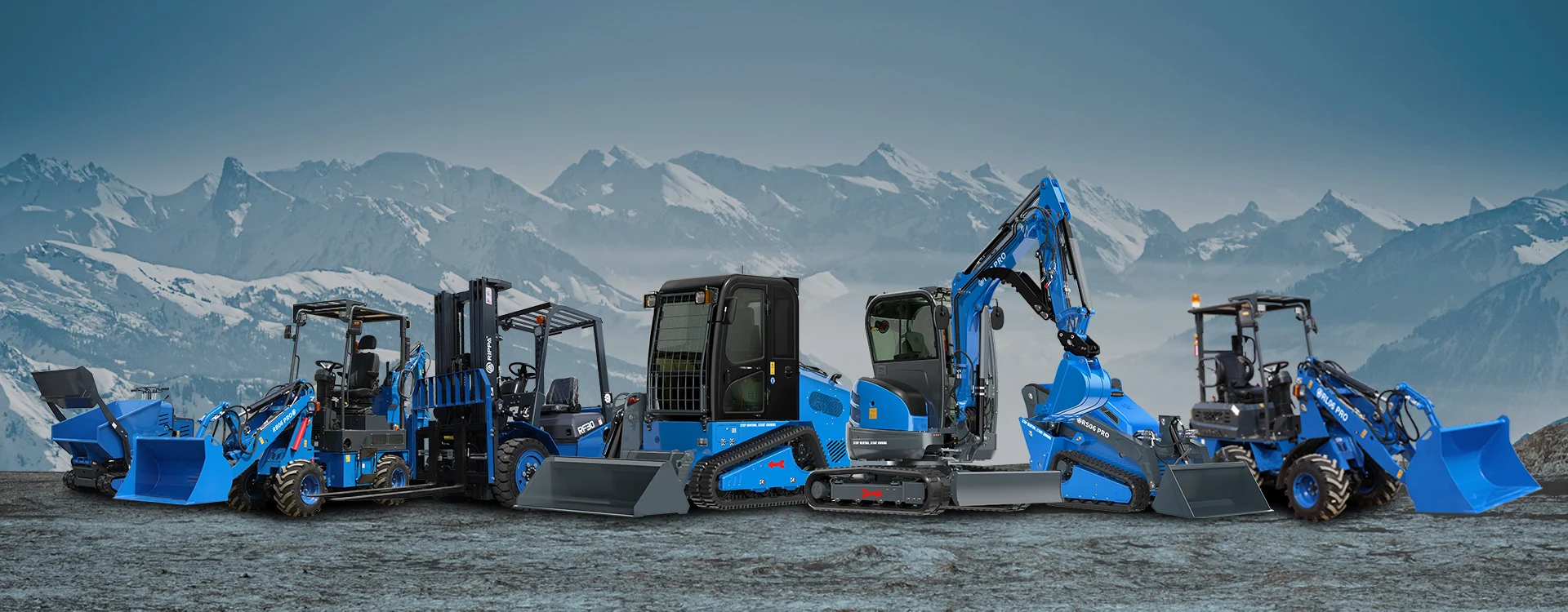
A skid steer loader can support a wide range of construction activities, from moving materials to preparing work areas. For contractors and construction companies, selecting the right machine is not simply about purchasing equipment. It is about matching the machine to the jobsite, work schedule, material requirements, and overall equipment plan.
When evaluating a Chinese skid steer loader, buyers should consider how it will fit into daily operations and whether it can support the types of projects their business regularly handles.
1. Start with the Actual Jobsite Requirements
Construction sites differ in layout, ground conditions, access restrictions, and daily workloads. A machine that works well on an open construction site may not be the most suitable choice for a confined urban project.
Before selecting a skid steer loader, contractors should review several jobsite factors:
- Working space: Determine whether the machine can move and operate comfortably within the available area.
- Ground conditions: Consider the surfaces where the equipment will work, including paved areas, soil, gravel, and uneven ground.
- Material handling: Identify the materials that need to be moved and the frequency of loading tasks.
- Access conditions: Check entrances, transportation routes, and areas where equipment must be positioned.
- Work schedule: Understand whether the machine will be used occasionally or as part of regular daily operations.
A clear jobsite assessment helps buyers avoid selecting equipment based only on general product descriptions.
2. Match Equipment Selection to Construction Tasks
Skid steer loaders are commonly used in different stages of construction work. Their role depends on the project and the available equipment configuration.
Site Preparation
During site preparation, contractors may need to move loose materials, clear working areas, and support general ground preparation activities. The selected machine should match the expected workload and site conditions.
Material Movement
Construction projects often require materials to be moved between storage areas and active work zones. A skid steer loader can support these tasks when its configuration is appropriate for the materials and working environment.
Building and Renovation Projects
On smaller construction and renovation sites, compact equipment can help with material movement and general site operations. Maneuverability and access conditions are important considerations when choosing equipment for these environments.
Landscaping and Exterior Work
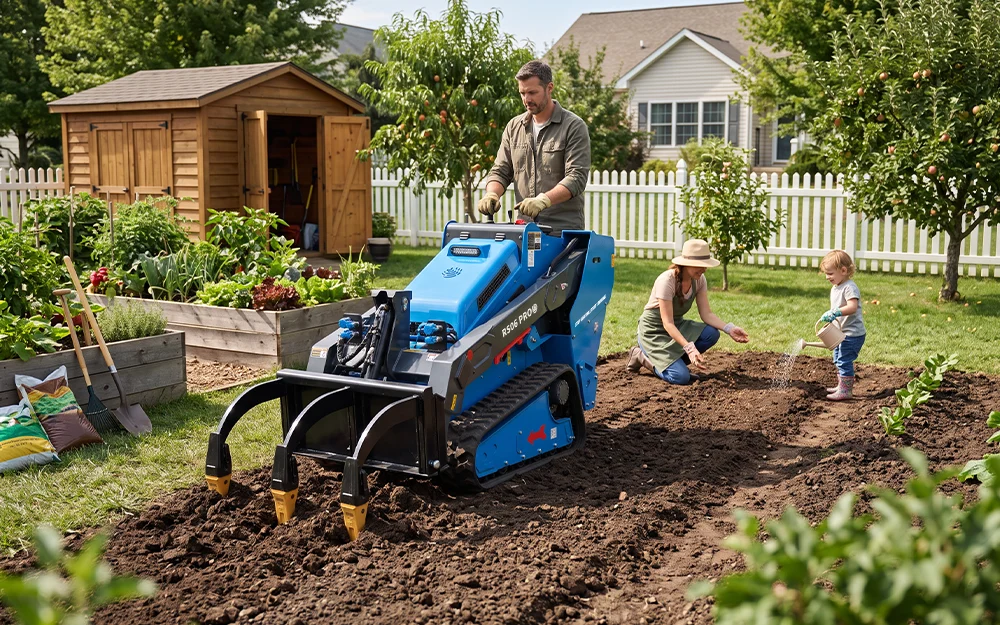
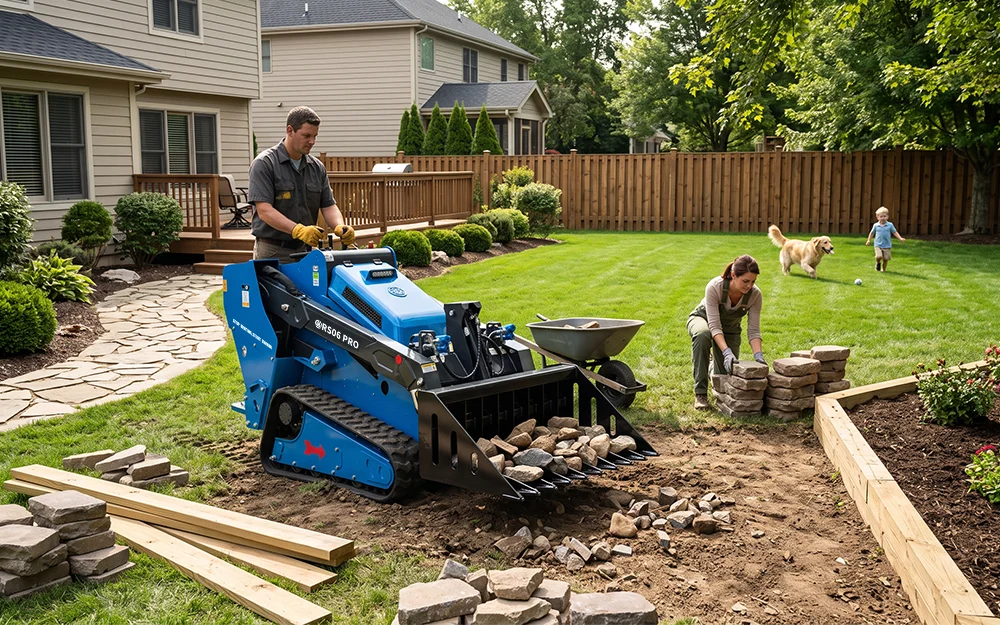
Construction companies that also handle exterior improvements may use skid steer loaders for moving soil, handling materials, and supporting site cleanup.
The key is to define the machine’s primary tasks before comparing products. This makes it easier to identify the most relevant configuration.
3. Consider How the Machine Fits into the Existing Fleet
A skid steer loader should complement the equipment already used by the business.
For example, a contractor may already operate excavators, wheel loaders, dump trucks, and material handling equipment. The next purchase should address a real operational need rather than duplicate the role of existing machines.
Ask the following questions:
- Which tasks currently require the most manual labor?
- Are larger machines difficult to position in certain work areas?
- Is material movement creating delays between project stages?
- Can a compact machine support multiple activities?
- Will the equipment be shared across several projects?
These questions help buyers identify where a skid steer loader can contribute to the overall workflow.
4. Evaluate Equipment Utilization Before Purchasing
Equipment utilization is an important factor in purchasing decisions. A machine that remains unused for long periods may not provide the expected business value.
Contractors should estimate how frequently the skid steer loader will be required, which teams will operate it, and whether multiple projects can use the same equipment.
A practical evaluation should include:
Expected operating frequency: Estimate how often the machine will be needed during a typical working week or project cycle.
Task variety: Identify whether it will perform one primary task or support several different operations.
Project scheduling: Review whether different teams may need the equipment at the same time.
Transportation arrangements: Consider how the machine will be moved between jobsites and where it will be stored.
This information can help businesses decide whether to purchase one machine, add multiple units, or introduce the equipment gradually.
5. Review the Supplier’s Product Information
When sourcing a Chinese skid steer loader, buyers should request product information that directly relates to their intended applications.
Useful information includes product configuration, operating instructions, compatible attachments, maintenance guidance, and available replacement parts.
Buyers should also clarify which items are included in the quotation and which options require separate confirmation.
If the machine will be used for a specific construction task, explain that task to the manufacturer. A detailed discussion is more useful than requesting a general quotation without describing the operating requirements.
6. Build an Equipment Plan for Future Projects
Construction companies should consider both current and expected project requirements.
A purchasing decision based only on one short-term project may not support the company’s longer-term equipment strategy. Review the types of contracts the business expects to handle, the industries it serves, and the equipment categories it may need in the future.
For companies operating across different jobsite environments, a consistent equipment selection process can also simplify operator training, maintenance planning, and parts management.
Frequently Asked Questions
What construction tasks can a skid steer loader support?
Depending on its configuration, a skid steer loader can support material movement, site preparation, landscaping, and general jobsite operations.
How should contractors choose a skid steer loader?
Start by reviewing jobsite access, ground conditions, material handling needs, expected operating frequency, and compatibility with the existing equipment fleet.
Should a construction company purchase a skid steer loader for one project?
The decision depends on expected utilization, project requirements, future workloads, and the cost of owning and operating the equipment.
Why should buyers discuss applications with the manufacturer?
Explaining the intended tasks helps the manufacturer provide more relevant product information and clarify suitable configurations and attachments.
Conclusion
Selecting a skid steer loader for construction requires a practical understanding of jobsite conditions and equipment utilization. Contractors should define the machine’s intended role, evaluate how it fits into the existing fleet, and review product information before making a purchasing decision.
For companies considering a Chinese skid steer loader, discussing real working requirements with the manufacturer is an important step toward choosing equipment that supports their construction operations.
 Home
 Products
 Email
 WhatsApp

