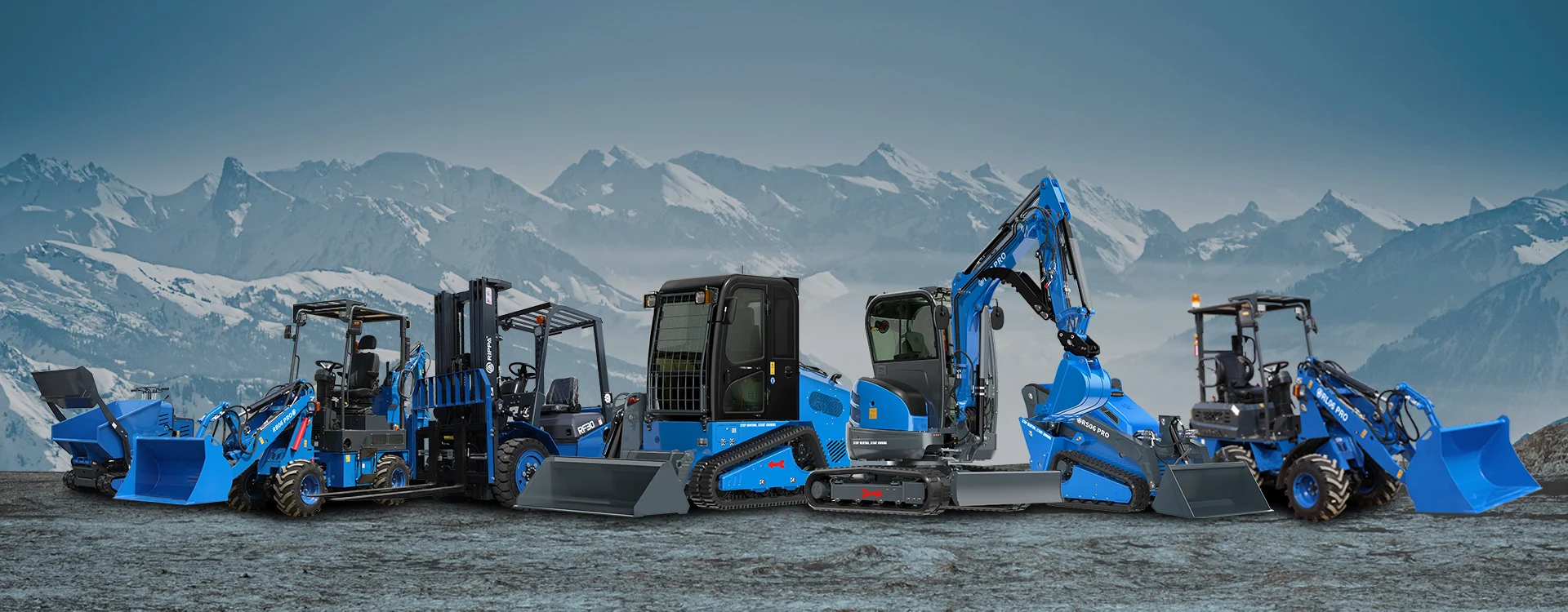
The purchase price of a skid steer loader is only one part of the total investment. For contractors, equipment dealers, and fleet managers, operating costs can have a significant impact on long-term equipment expenses.
Fuel, maintenance, replacement parts, labor, transportation, and machine utilization all influence the cost of owning and operating a skid steer loader.
Understanding these cost categories before purchasing helps buyers make better equipment decisions and prepare more realistic budgets.
1. Purchase Price Is Only the Starting Point
When comparing skid steer loaders, buyers often focus on the initial quotation. However, two machines with different purchase prices may have different maintenance requirements, parts arrangements, and operating expenses.
A more complete purchasing evaluation should include:
- Initial equipment cost
- Shipping and import expenses
- Fuel consumption
- Routine maintenance
- Replacement parts
- Operator labor
- Transportation and storage
- Expected equipment utilization
For international buyers sourcing from Chinese skid steer loader manufacturers, it is important to compare equivalent configurations and clarify which items are included in each quotation.
2. Fuel Consumption and Daily Operating Expenses
Fuel is one of the recurring expenses associated with operating construction equipment.
Actual skid steer loader fuel consumption depends on several factors:
Engine and machine configuration: Different machines may have different fuel requirements.
Workload: Heavy material handling and continuous operation can result in different fuel use compared with occasional light-duty tasks.
Ground conditions: Soft, uneven, or difficult surfaces may affect how the machine operates.
Operator habits: Operating practices and unnecessary idling can influence daily fuel expenses.
Maintenance condition: Proper maintenance helps equipment operate according to the manufacturer’s recommendations.
Rather than relying on a generic fuel consumption figure, buyers should request model-specific information from the manufacturer and evaluate it against their expected operating conditions.
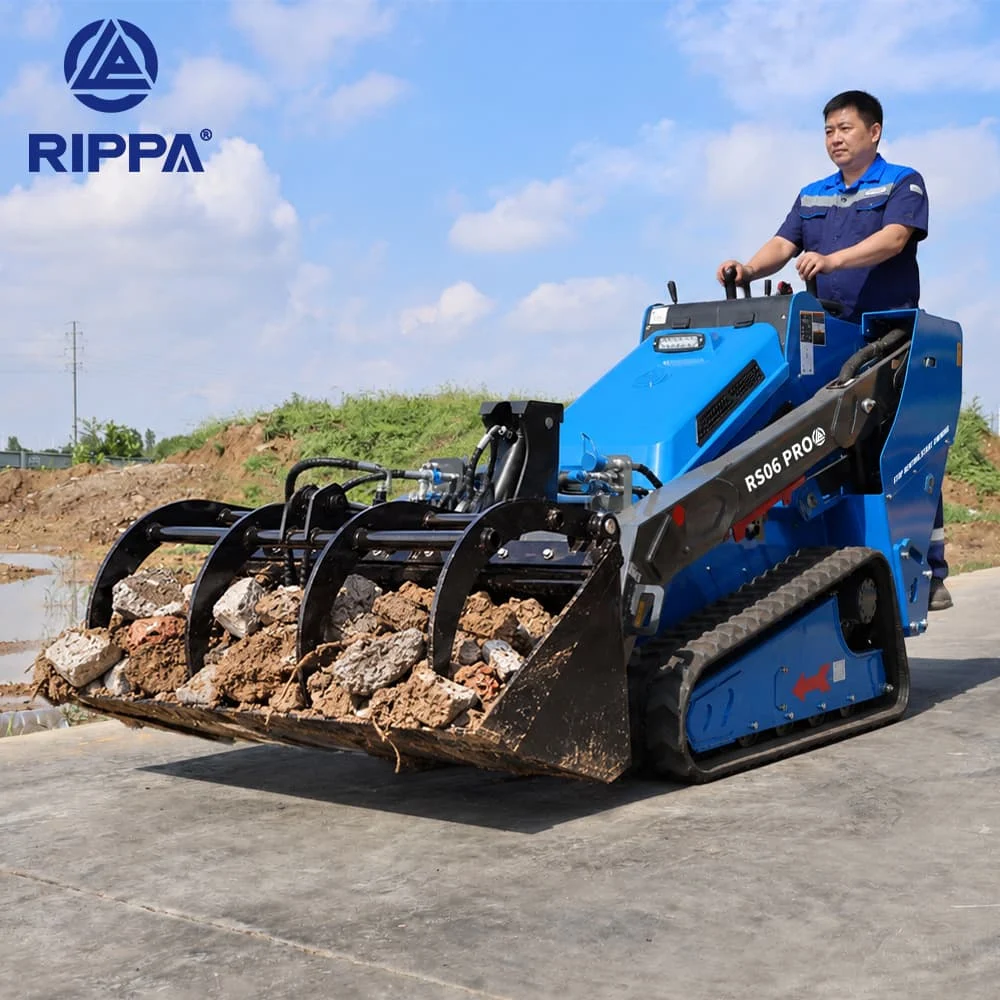
3. Maintenance Costs and Replacement Parts
Routine maintenance is essential for keeping a skid steer loader in suitable working condition.
Before purchasing, equipment buyers should understand the manufacturer’s recommended maintenance schedule and identify the parts that may require periodic inspection or replacement.
Common maintenance considerations include:
- Engine oil and filters
- Hydraulic system inspection
- Cooling system checks
- Tire condition
- Hoses and connections
- Electrical components
- Attachment connection points
Maintenance intervals and replacement requirements vary by model and operating environment. Buyers should follow the official machine documentation rather than applying the same schedule to every skid steer loader.
For businesses purchasing multiple machines, keeping maintenance records can help identify recurring expenses and organize parts procurement.
4. Tire and Undercarriage Expenses
The undercarriage is another important part of long-term equipment costs.
Wheeled skid steer loaders require regular attention to tire condition. Tire wear can be influenced by surface type, operating habits, load conditions, and jobsite debris.
For buyers comparing wheeled skid steer loaders with compact track loaders, the cost structure is different. Track-based machines require attention to tracks and related undercarriage components.
When evaluating equipment, consider:
- Local replacement part availability
- Expected wear under actual working conditions
- Supplier support for identifying components
- Replacement procedures
- Cost of routine inspections
Choosing equipment that matches the working environment can help avoid unnecessary wear and maintenance expenses.
5. Operator Labor and Equipment Utilization
Labor costs are often overlooked when buyers calculate equipment ownership expenses.
A machine may have a competitive purchase price but deliver limited business value if it is not used regularly or if operators are unfamiliar with its operation.
Businesses should consider:
Operator training: Operators need to understand machine controls, safety procedures, and operating instructions.
Work scheduling: Equipment should be assigned according to actual project requirements.
Idle time: Excessive waiting or unnecessary idling can reduce productive utilization.
Task suitability: The machine should be matched to the work it is expected to perform.
Tracking operating hours and completed tasks can help businesses understand whether the equipment is being used effectively.
6. Transportation, Storage, and Parts Planning
Equipment expenses do not stop when a machine leaves the manufacturer.
For international buyers, transportation and import costs should be included in the purchasing budget. These may involve freight, customs-related charges, local transportation, and other destination-specific expenses.
Storage arrangements also matter. Businesses should consider where the equipment will be kept between projects and how it will be transported to different working locations.
Parts planning is equally important. Dealers and fleet operators should understand how to identify replacement components, submit parts inquiries, and arrange future orders.
A clear parts procurement process can make maintenance planning easier and reduce unnecessary delays caused by incorrect part identification.
7. How to Estimate the Total Cost of Ownership
A simple cost framework can help buyers compare different equipment options.
The following formula provides a starting point:
Total Cost of Ownership = Purchase Cost + Operating Costs + Maintenance Costs + Transportation Costs + Other Ownership Expenses
For a more detailed assessment, businesses can calculate the cost per operating hour:
Cost per Operating Hour = Total Operating and Ownership Costs ÷ Actual Operating Hours
The calculation period should be consistent across the machines being compared. Buyers should also use actual quotations and realistic usage estimates rather than unsupported industry averages.
This approach makes it easier to evaluate equipment based on business requirements instead of purchase price alone.
8. Questions to Ask a Skid Steer Loader Manufacturer
Before confirming an order, buyers should request information that supports long-term cost planning.
Important questions include:
- What are the maintenance requirements for the selected model?
- Which replacement parts are commonly required?
- Are parts lists and identification information available?
- What fuel information is provided for the specific configuration?
- Which attachments are compatible?
- How can technical and parts inquiries be submitted?
Clear communication before purchasing helps buyers understand the expected responsibilities of both the supplier and the equipment owner.
Frequently Asked Questions
What are the main operating costs of a skid steer loader?
The main cost categories include fuel, routine maintenance, replacement parts, operator labor, transportation, and equipment ownership expenses.
How can buyers reduce skid steer loader operating costs?
Businesses can follow manufacturer maintenance instructions, train operators, monitor equipment utilization, select suitable attachments, and maintain accurate operating records.
Does a lower purchase price always mean lower ownership costs?
No. Buyers should also evaluate maintenance requirements, parts availability, fuel information, transportation, and expected equipment utilization.
How do you calculate skid steer loader cost per hour?
Add the relevant ownership and operating expenses for a defined period, then divide the total by the actual operating hours during that period.
Conclusion
Understanding skid steer loader operating costs requires looking beyond the initial purchase price. Fuel, maintenance, parts, labor, transportation, and utilization all contribute to the total cost of ownership.
For contractors, distributors, and international equipment buyers, comparing these factors before purchasing helps create a more realistic equipment budget and supports better long-term sourcing decisions.
 Home
 Products
 Email
 WhatsApp

