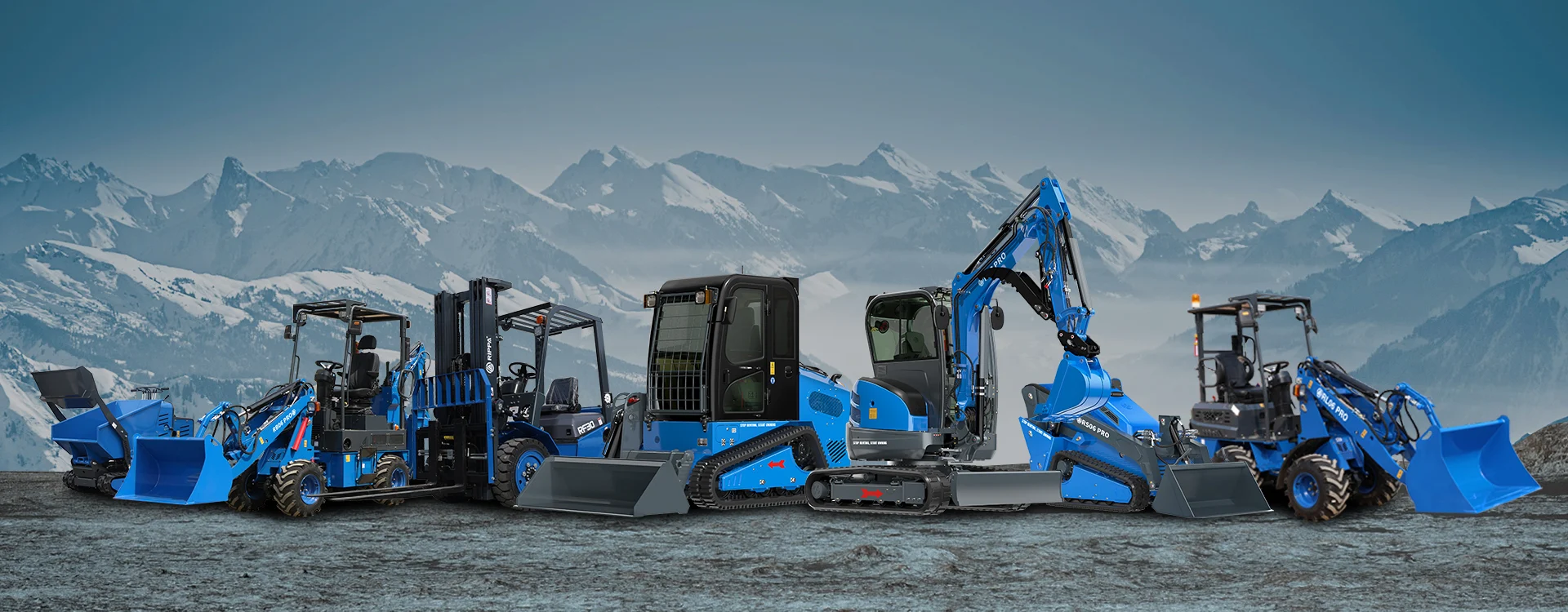
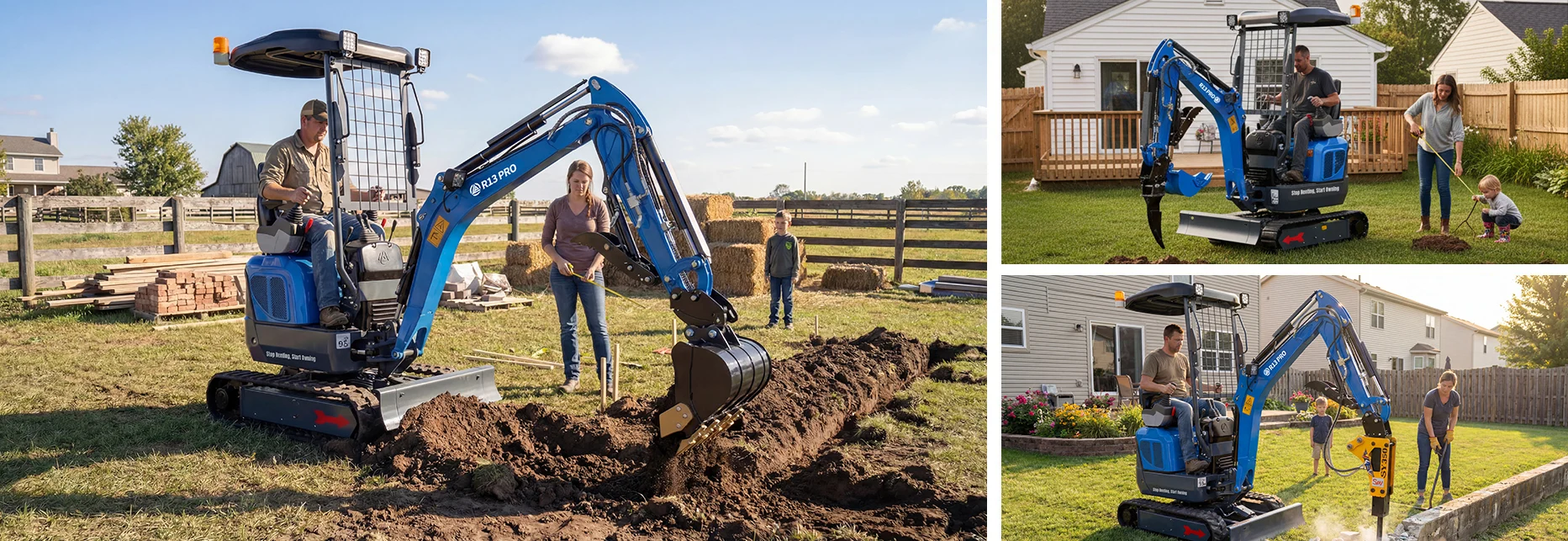
Tractor dealers are in a strong position to expand into mini excavators. They already serve farmers, rural property owners, agricultural contractors, fence contractors, land maintenance businesses, and countryside equipment buyers. Many of these customers need machines for drainage, trenching, ditch cleaning, fencing, planting, farm path repair, and rural property maintenance.
However, choosing the right mini excavator manufacturer is not only about finding a machine at a low price. For tractor dealers, the manufacturer affects product fit, customer trust, spare parts support, warranty handling, technical communication, documentation, delivery planning, and long-term supply stability.
A mini excavator may look attractive in photos, but the real question is whether the manufacturer can help the dealer build a repeatable business around farm and rural equipment demand.
RIPPA mini excavators can be considered by tractor and farm equipment dealers looking for compact digging equipment for rural applications. Before promoting or purchasing, dealers should confirm current machine configuration, attachment compatibility, parts support, warranty policy, technical support, delivery arrangement, documentation, and dealer cooperation terms through official RIPPA channels.
Why Manufacturer Selection Matters for Tractor Dealers
A tractor dealer does not simply buy a machine and resell it. The dealer becomes the local point of contact for customers. When a farmer, rural contractor, or property owner has a question after purchase, they usually contact the dealer first.
That means the manufacturer must support the dealer beyond the first order.
A suitable mini excavator manufacturer should help the dealer answer questions such as:
- Which model fits farm and rural work?
- What configuration is currently available?
- Which attachments are compatible?
- What parts should be stocked?
- How is warranty handled?
- What technical support process is available?
- What documents can be provided?
- What trade terms and delivery arrangements apply?
- Can the manufacturer support repeat orders?
A dealer who chooses a manufacturer without clear answers may face customer pressure later.
Product Fit for Rural Applications
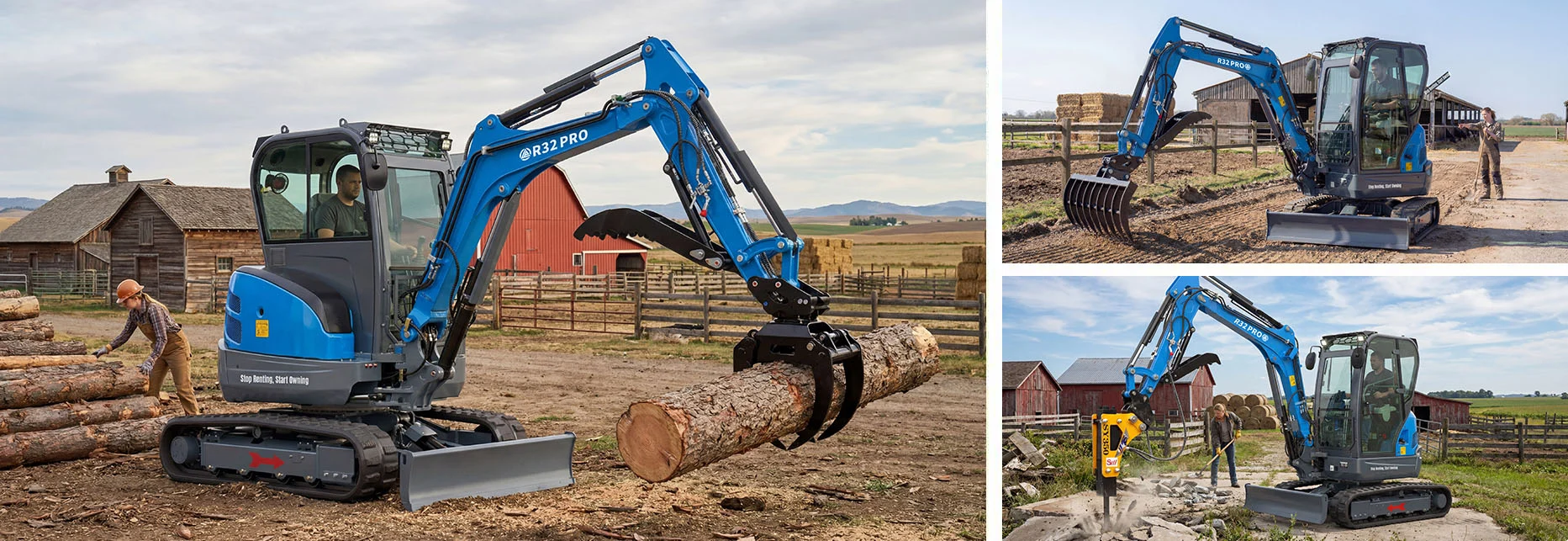
Tractor dealers should first evaluate whether the mini excavator is suitable for rural customer needs. A machine that works for one market may not automatically fit farm and countryside applications.
Rural customers often need mini excavators for:
- Drainage trenching
- Ditch cleaning
- Fence line preparation
- Tree planting
- Farm path repair
- Small trenching
- Root and debris cleanup
- Rural property maintenance
- Agricultural contractor work
- Seasonal land improvement
The manufacturer should be able to explain which machines are suitable for these jobs and what limitations should be considered.
Dealers should ask:
- Which models are most suitable for farm and rural work?
- What applications are these machines designed to support?
- What ground conditions should be considered?
- What attachments are commonly used for rural applications?
- Are there configuration differences by market?
- What information can be used in public marketing?
The best manufacturer for a tractor dealer is not simply the one with the widest product list. It is the one that can help the dealer match machines to actual farm jobs.
Configuration Clarity Is Essential
Tractor dealers should avoid vague product information. A manufacturer should provide clear and updated configuration details for each machine being quoted.
Important configuration information may include:
| Configuration Area | Why It Matters |
|---|---|
| Current model details | Prevents outdated or incorrect sales information |
| Engine configuration | Helps evaluate suitability and market expectations |
| Hydraulic setup | Affects attachment and work capability |
| Operator controls | Helps with customer handover and training |
| Track or undercarriage details | Important for rural ground conditions |
| Standard bucket | Clarifies what is included |
| Optional attachments | Helps build application packages |
| Dimensions and transport details | Helps customers plan use and movement |
| Acceso para mantenimiento | Supports after-sales service |
| Market-specific configuration | Prevents incorrect assumptions |
A tractor dealer should confirm that the machine being promoted is the same configuration that will be supplied. Product photos, brochures, and quotations should be aligned.
For RIPPA mini excavators, dealers should confirm current configuration before advertising, quoting, or building product pages.
Parts Support Should Be Confirmed Before the First Order
Parts support is one of the most important manufacturer evaluation points. Rural customers often value long-term usability. If a machine cannot be supported after sale, the dealer’s reputation may suffer.
Tractor dealers should ask the manufacturer:
- Which parts are commonly needed?
- Is there a recommended spare parts package?
- How are parts identified by model or serial number?
- How are parts ordered?
- What information is needed for parts requests?
- How are warranty parts handled?
- Are attachment parts also available?
- What technical support is available for parts diagnosis?
Parts support is especially important for rural markets because customers may use machines in varied conditions: soil, mud, gravel, farm roads, ditches, roots, and seasonal land work.
A dealer should not wait until a customer has a problem to understand the parts process.
Warranty Policy Must Be Clear
Warranty is not just a sales line. It is an after-sales responsibility. Tractor dealers need to know exactly how the manufacturer handles warranty claims before selling machines to customers.
Important warranty questions include:
- What warranty policy applies to the dealer’s market?
- What is covered?
- What is not covered?
- What customer maintenance responsibilities apply?
- What evidence is needed for a warranty claim?
- Are photos, videos, or inspection records required?
- How are replacement parts handled?
- Who communicates with the dealer during a claim?
- How should the dealer explain warranty terms to customers?
Dealers should avoid making public claims about warranty terms unless those terms have been confirmed by the manufacturer for the current market and product.
For RIPPA-related sales, warranty policy should always be confirmed according to current company policy before promotion or quotation.
Technical Support Helps Dealers Protect Customer Trust
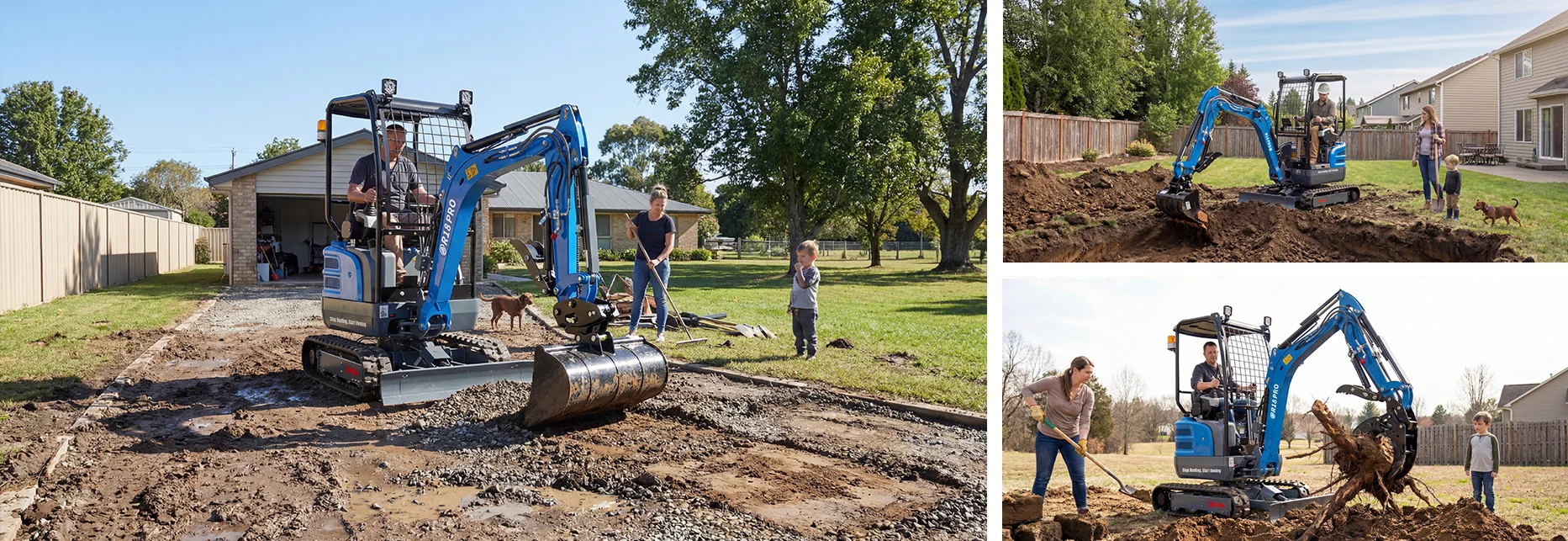
A tractor dealer may be familiar with agricultural equipment, but mini excavators have their own maintenance, operation, attachment, and troubleshooting requirements. A manufacturer should provide clear technical support so the dealer can respond to customer questions.
Technical support may include:
- Product information
- Maintenance guidance
- Troubleshooting communication
- Parts identification support
- Attachment compatibility guidance
- Warranty claim assistance
- Operation materials where available
- Training resources where available
For a dealer, technical support is part of customer trust. If a customer calls with a problem and the dealer cannot get clear support, the relationship becomes weaker.
A manufacturer that responds clearly and consistently can help the dealer build confidence in the new product category.
Attachment Compatibility for Farm Work
Attachments are important for farm and rural applications. A mini excavator can support more jobs when paired with suitable attachments, but compatibility must always be confirmed.
Common attachment directions for farm-related work include:
| Attachment Direction | Farm or Rural Application |
|---|---|
| Digging bucket | Trenching, drainage, general excavation |
| Grading bucket | Path repair and surface preparation |
| Sinfín | Fence posts and planting holes |
| Hydraulic thumb | Roots, logs, stones, and debris |
| Rake | Cleanup and land preparation |
| Pinza | Irregular material handling |
| Interruptor | Hard material work where suitable |
| Quick coupler | Faster attachment changes |
The manufacturer should clearly explain which attachments are suitable for each machine and what requirements apply.
Dealers should not assume that every attachment fits every model. Incorrect attachment claims can lead to customer dissatisfaction and support problems.
Documentation and Compliance Should Be Verified by Market
Different countries and regions may require different documents for import, resale, use, emissions, or compliance. Tractor dealers should confirm documentation before ordering machines or making public claims.
Possible documents may include:
- Commercial invoice
- Packing list
- Shipping documents
- Product information sheet
- User or maintenance information
- Engine-related documents where applicable
- Compliance documents where applicable
- Warranty information
- Dealer-related documents where applicable
Requirements may vary by country or region. A manufacturer should be able to explain what documents are available, but the dealer should also verify local requirements before importing or promoting machines.
Dealers should not state that a machine is approved, certified, or compliant for a market unless the relevant documents are confirmed.
Delivery and Supply Stability Matter
Tractor dealers need predictable supply. If a dealer promotes mini excavators and creates demand, the manufacturer must be able to support inventory planning and repeat orders.
Dealers should ask:
- What is the current availability?
- What is the expected delivery process?
- What trade terms are available?
- How are orders scheduled?
- Can the manufacturer support repeat orders?
- Are configurations stable enough for ongoing sales?
- How are product updates communicated?
- What happens if demand increases?
A one-time purchase may be useful, but a dealership needs supply stability to build long-term business.
The best manufacturer is not just a source of machines. It is a partner that helps the dealer plan, sell, support, and reorder.
Wholesale and Dealer Cooperation Terms
Tractor dealers should also understand the manufacturer’s cooperation model.
Key areas may include:
| Cooperation Area | Why It Matters |
|---|---|
| Dealer pricing | Helps evaluate resale structure |
| Minimum order requirements | Affects entry risk |
| Sample or trial order options | Helps test market demand |
| Dealer training | Helps sales and service teams |
| Material de marketing | Supports launch and promotion |
| Territory policy | Clarifies market expectations |
| After-sales responsibility | Defines dealer and manufacturer roles |
| Repeat order support | Supports long-term growth |
| Parts supply process | Protects customer confidence |
These terms vary by manufacturer and market. Dealers should confirm current policy before making commitments.
How RIPPA Can Fit Tractor Dealer Supplier Evaluation
RIPPA can be evaluated by tractor and farm equipment dealers as a potential mini excavator manufacturer for rural and agricultural channels.
Relevant applications may include:
- Farm drainage
- Ditch cleaning
- Fence preparation
- Tree planting
- Farm path repair
- Small trenching
- Rural property maintenance
- Agricultural contractor work
- Land improvement
- Seasonal farm projects
Before working with RIPPA, dealers should confirm:
- Current machine configuration
- Suitable rural application direction
- Attachment compatibility
- Spare parts package
- Parts identification process
- Warranty policy
- Technical support channel
- Delivery arrangement
- Documentation
- Dealer or reseller cooperation terms
RIPPA’s broader compact equipment line may support future expansion, but tractor dealers should keep mini excavators and excavators as the main product focus when building this category.
Questions Tractor Dealers Should Ask a Manufacturer
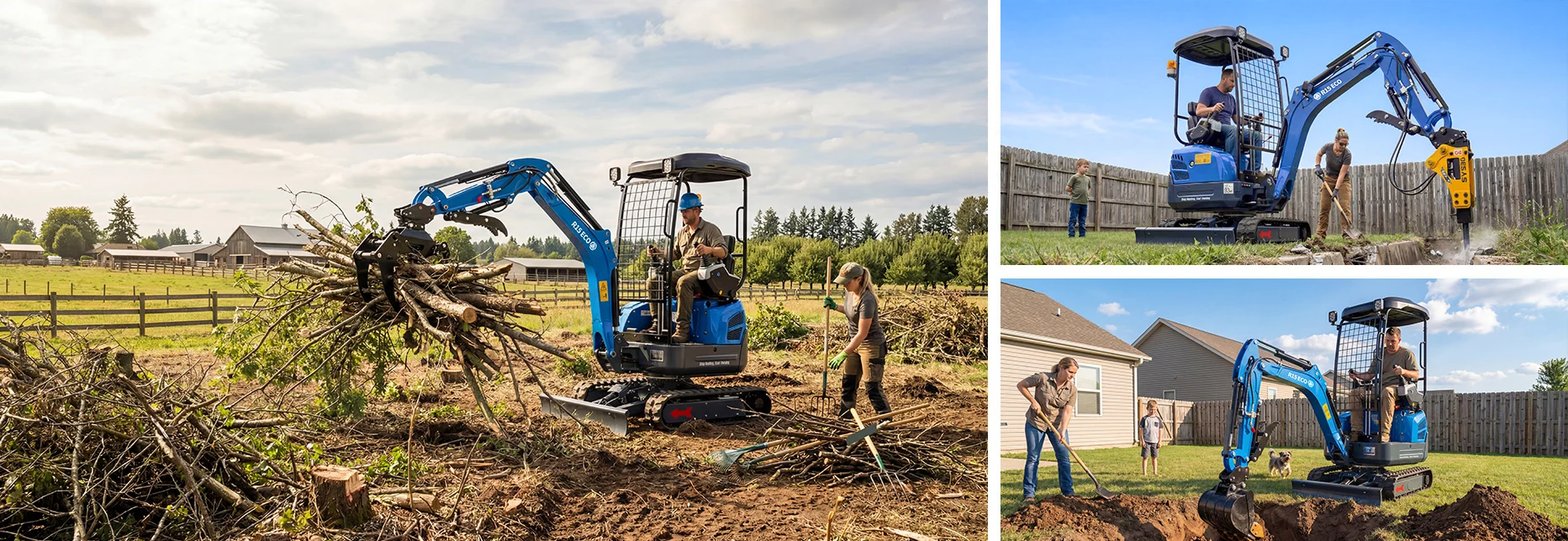
Before choosing a mini excavator manufacturer, tractor dealers should ask:
- Which models are most suitable for farm and rural customers?
- What configurations are currently available?
- What attachments are compatible with each model?
- What spare parts package do you recommend?
- How are parts identified and ordered?
- What warranty policy applies to my market?
- What technical support process is available?
- What documents can you provide?
- What delivery and trade terms are available?
- Can you support repeat orders?
- Do you provide sales or training materials?
- What dealer cooperation terms are available?
These questions help dealers evaluate long-term business value instead of only comparing machine price.
Preguntas frecuentes
What should tractor dealers look for in a mini excavator manufacturer?
Tractor dealers should look for product fit, configuration clarity, parts support, warranty policy, technical support, attachment compatibility, documentation, delivery planning, and dealer cooperation terms.
Is the lowest-price manufacturer always the best choice?
No. Low price may not create the best long-term value if parts support, documentation, technical support, or supply stability are weak.
Why is parts support important for tractor dealers?
Parts support helps the dealer protect customer trust after the sale. Rural customers need machines they can maintain and support over time.
What documents should dealers confirm before importing mini excavators?
Dealers should confirm available commercial documents, shipping documents, product information, compliance documents where applicable, warranty information, and any market-specific requirements.
Can tractor dealers sell mini excavators to existing customers?
Yes. Tractor dealers already serve many customers who need drainage, trenching, fencing, planting, ditch cleaning, and rural property maintenance equipment.
Can RIPPA be considered as a mini excavator manufacturer for tractor dealers?
RIPPA may be considered by tractor dealers looking for compact excavation equipment, but current product details, support terms, warranty policy, delivery arrangement, and dealer cooperation terms should be confirmed before purchase or promotion.
Conclusión
For tractor dealers, choosing a mini excavator manufacturer is a long-term business decision. The right manufacturer should help the dealer serve rural customers, support machines after sale, provide clear product information, offer practical parts support, and support repeat orders.
Dealers should evaluate product fit, configuration clarity, parts support, warranty policy, technical support, attachment compatibility, documentation, delivery planning, and wholesale cooperation terms.
RIPPA mini excavators can be considered as a compact digging product line for tractor and farm equipment dealers who want to expand into rural excavation applications. Before purchase, resale, or promotion, all current machine, support, warranty, delivery, documentation, and dealer cooperation details should be confirmed through official RIPPA channels.
The best manufacturer is not only the one that supplies a machine. It is the one that helps the dealer build a repeatable, supportable, and trusted mini excavator business.
 Inicio
 Productos
 Correo electrónico
 WhatsApp

