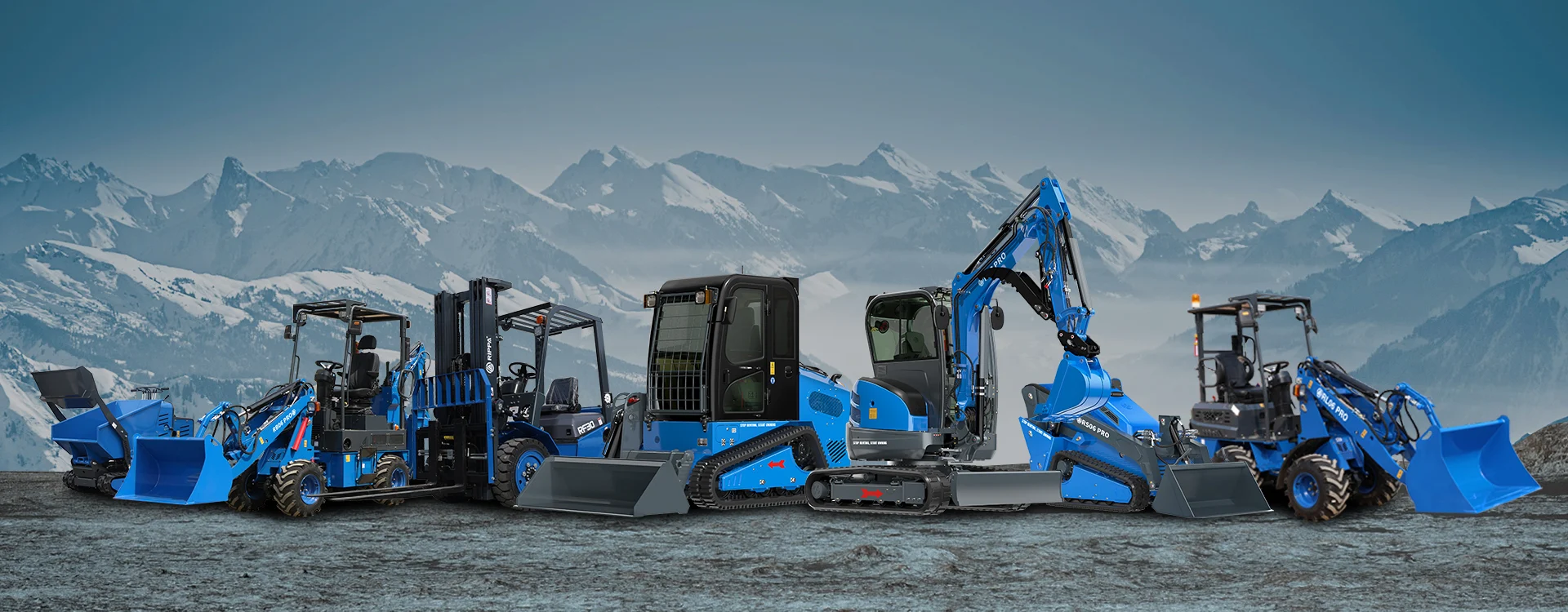
Companies searching for how to become a skid steer loader dealer often focus first on wholesale pricing. Price matters, but dealership performance depends just as much on market selection, inventory turnover, attachment sales, parts availability, and after-sales capability. This guide explains how to determine whether a skid steer dealership is a practical addition to your business.
Measure Demand Before Taking Inventory
Start with customers, not machines. Identify local contractors, landscapers, farms, rental yards, municipalities, material-handling businesses, and property-maintenance companies. Ask which jobs create the most equipment demand, which attachments are frequently rented or purchased, and what problems customers face with current suppliers.
A territory with frequent earthmoving, loading, trenching, cleanup, or seasonal property work may support skid steer sales. However, demand can vary by machine size, operating surface, climate, transport limits, and attachment use. Avoid ordering a broad inventory before you know which applications drive local purchases.
Calculate the Complete Dealer Opportunity
Machine margin is only one part of the commercial model. Dealers can also develop revenue through attachments, wear parts, scheduled service, repairs, trade-ins, and rentals. At the same time, working capital is affected by freight, import costs, storage, demonstration units, technician time, and slow-moving stock.
Build three forecasts: a conservative launch case, an expected case, and a growth case. Estimate the time from order to customer delivery and reserve funds for parts and warranty administration. Ask the manufacturer for written information on current pricing, payment terms, production schedules, shipping responsibilities, warranty procedures, and marketing resources. Do not base the plan on an unconfirmed margin or an assumed exclusive territory.
Prepare Sales and Service Capability
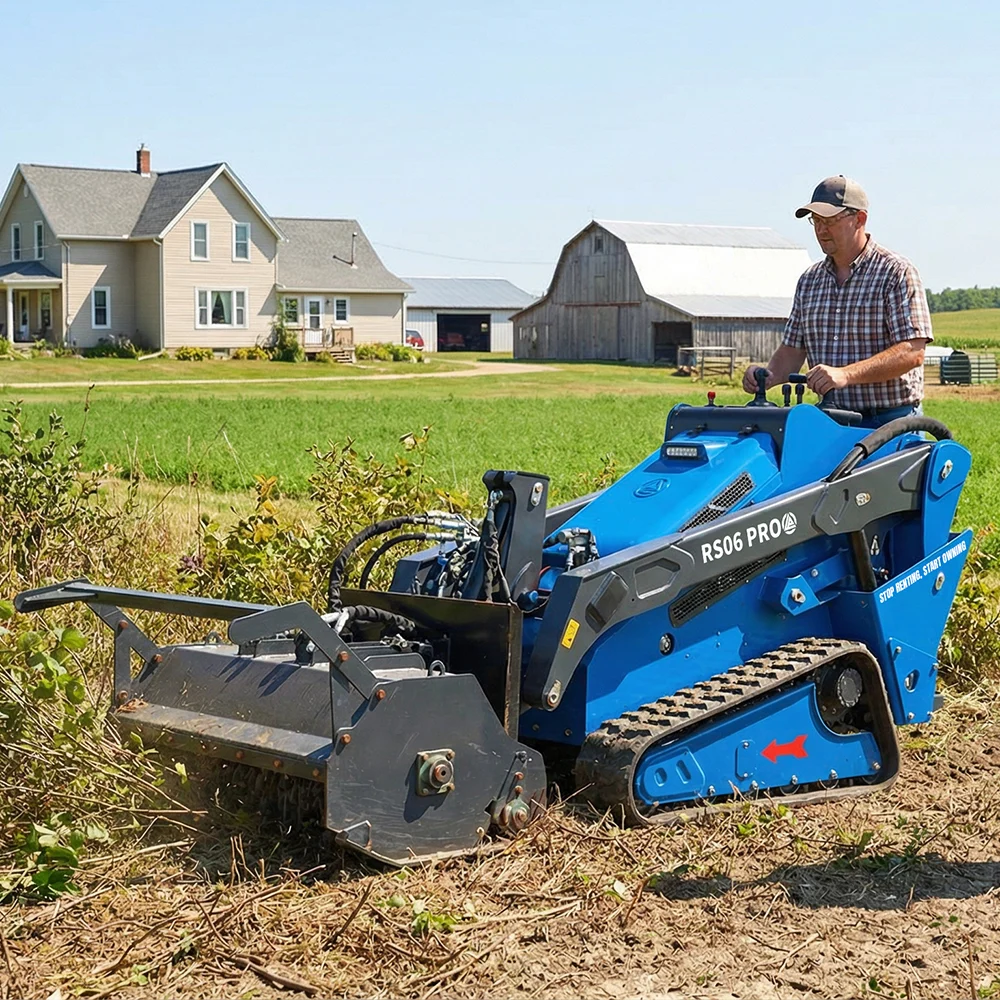
Skid steer customers need quick answers. A dealer should be able to explain operating capacity, machine dimensions, hydraulic requirements, attachment compatibility, service intervals, and transport considerations using the correct model documentation. Technicians should have access to parts references, maintenance information, and a clear escalation channel for difficult cases.
Your launch plan should include a demonstration machine or a reliable demonstration arrangement. Train the sales team to match the loader to the work rather than recommending the most expensive option. A customer who receives the right machine is more likely to return for attachments and service.
Evaluate RIPPA as a Dealer Partner
RIPPA supplies compact construction equipment for international markets and works with dealers and distributors. Prospective partners should discuss the product range available in their region, local compliance documentation, training, spare-parts supply, warranty handling, marketing cooperation, and territory availability.
To become a skid steer loader dealer with a realistic chance of success, send RIPPA a business profile that explains your location, customer base, service resources, sales channels, and initial product plan. The goal is not simply to obtain dealer pricing; it is to build a support system that keeps machines working and customers buying.
 Kodu
Kodu
 Tooted
 E-post
 WhatsApp

