Choosing a mini excavator supplier is not only a purchasing decision. For an equipment dealership, it is a business decision that affects inventory planning, resale confidence, customer support, after-sales responsibility, and long-term growth.
Many dealers begin supplier selection by comparing machine prices. Price matters, but it should not be the only factor. A low initial price can become expensive if the machine does not fit local customer needs, if parts are difficult to identify, if documentation is incomplete, if warranty handling is unclear, or if communication becomes slow after payment.
For dealers who want to sell mini excavators to contractors, farms, landscapers, rental companies, property owners, and local equipment buyers, the right supplier should support more than the first order. A good supplier should help the dealer understand product fit, landed cost, parts support, warranty process, documentation, delivery planning, communication, and long-term supply stability.
This guide explains how equipment dealers can evaluate a mini excavator supplier before building a resale relationship.
Why Supplier Selection Matters for Equipment Dealers
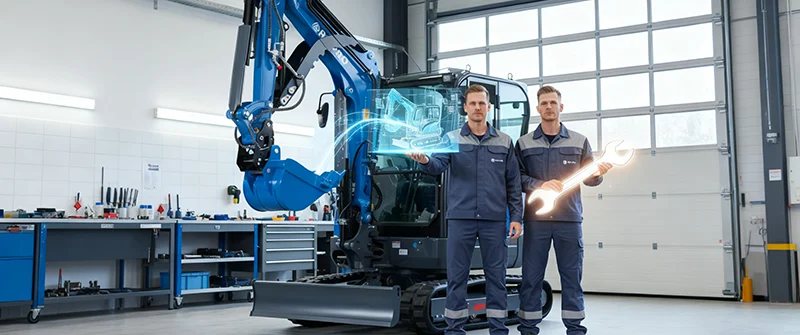
A retail customer may only compare one machine against another. A dealer has a larger responsibility. The dealer must think about whether the machine can be sold, supported, explained, serviced, and reordered.
When a dealer chooses a supplier, that supplier affects:
- The dealer’s local reputation
- Customer confidence
- Inventory planning
- Sales team training
- Parts support
- Warranty handling
- Repeat orders
- Long-term business stability
If a customer has a problem after purchase, the customer usually contacts the dealer first. That means the dealer needs a supplier who can provide clear information and practical support.
A supplier with a low price but poor support may create pressure for the dealer later. A supplier with clearer communication, better product information, stronger parts process, and more stable cooperation may create more value even if the initial quotation is not the lowest.
Start with Product Fit, Not Only Price
The first question should not be “What is the cheapest mini excavator?” The better question is:
Which mini excavator fits my customers and my market?
Different dealers serve different buyers. A rural equipment dealer may sell to farms and property owners. A construction equipment dealer may serve contractors and rental companies. A landscape equipment dealer may focus on landscapers and outdoor service teams. A used equipment dealer may serve buyers who compare new and used options.
Before choosing a supplier, dealers should understand their local buyer groups.
Key questions include:
- Are customers mainly contractors, farms, landscapers, rental companies, or property owners?
- What jobs do they complete most often?
- Do they need machines for digging, trenching, drainage, landscaping, farm maintenance, or light construction?
- What machine size range is most practical for local demand?
- Do customers need basic attachments?
- What ground conditions are common in the market?
- Are buyers first-time machine owners or experienced operators?
A supplier should be able to help the dealer match product options to these customer needs. If the supplier only pushes one machine without understanding the market, the dealer may end up with inventory that is difficult to sell.
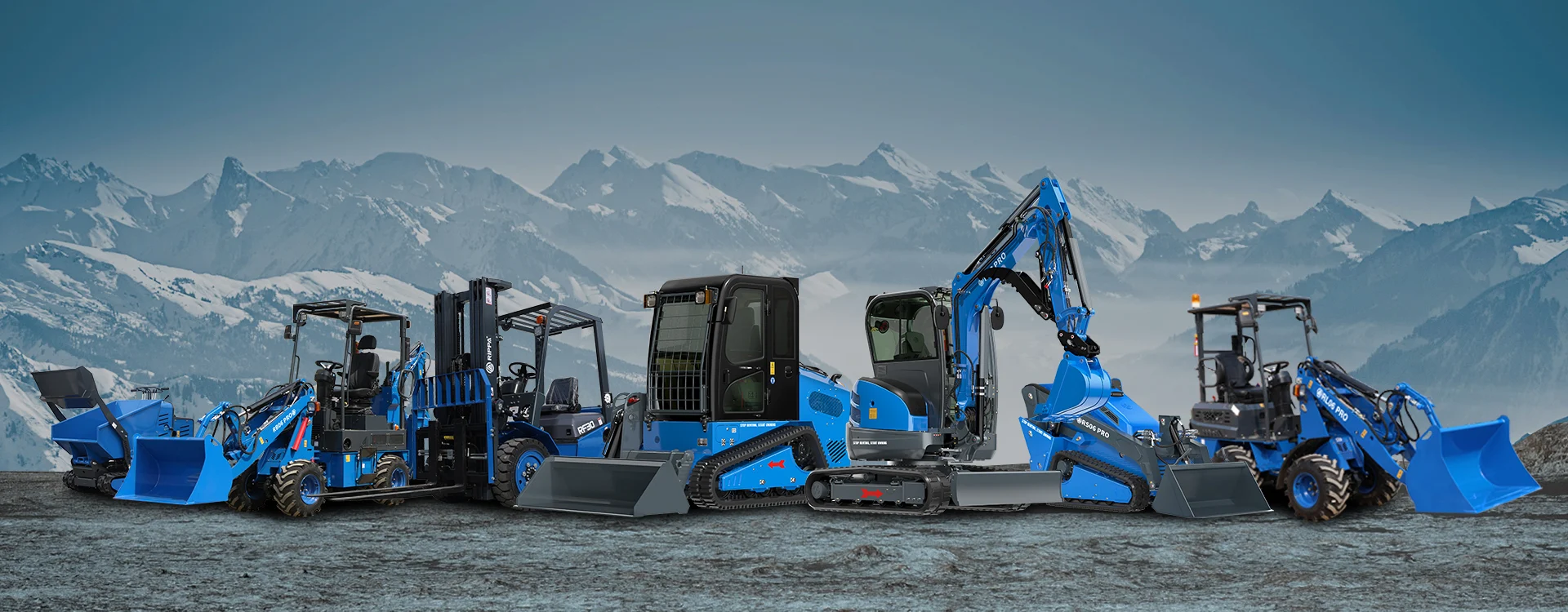
RIPPA mini excavators can be positioned for practical compact equipment applications such as digging, trenching, farm maintenance, landscaping, property work, rental projects, and small contractor support. However, dealers should confirm the latest model configuration and market suitability before making purchase decisions.
Understand the Real Landed Cost
A low machine price does not always mean a low total cost. Dealers need to understand the full landed cost before comparing suppliers.
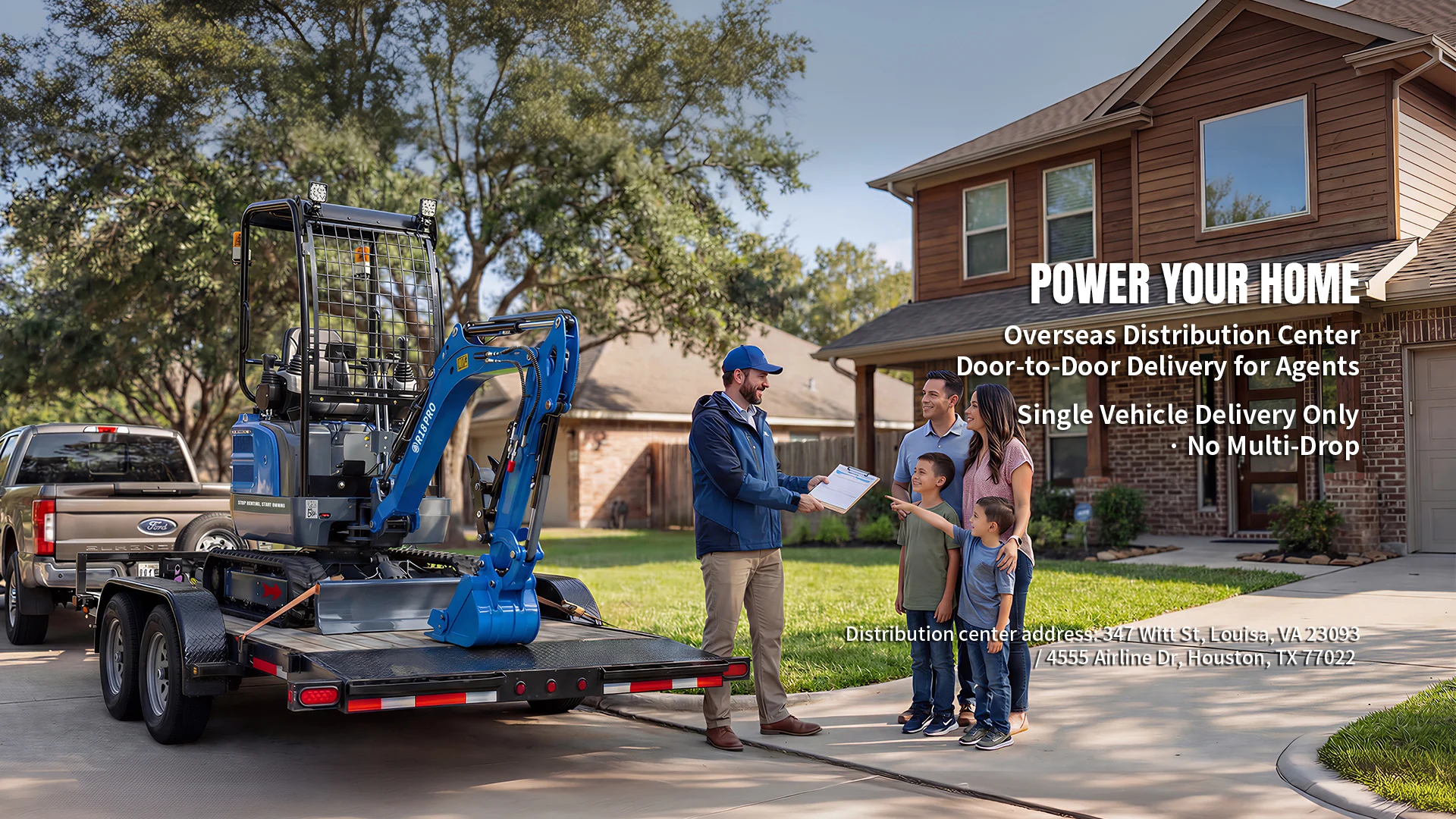
A quotation may look attractive at first, but other costs can affect the final business result. Shipping, packaging, import taxes, local preparation, spare parts, warranty handling, documentation, and after-sales responsibilities can all influence the real cost of bringing a mini excavator into the dealer’s market.
| Cost Item | Why It Matters |
|---|---|
| Machine price | The basic purchase cost |
| Packaging | Affects machine protection and shipping planning |
| Freight | Impacts final landed cost |
| Import duties and taxes | Vary by country and region |
| Documentation | Important for customs clearance and resale |
| Spare parts package | Helps reduce future downtime risk |
| Warranty handling | Affects after-sales responsibility |
| Local inspection or preparation | May be needed before customer delivery |
| Marketing materials | Help the dealer sell and explain the machine |
| Technical support | Helps solve customer issues after sale |
Dealers should ask suppliers what is included in the quotation and what is not included. They should also confirm trade terms, shipping responsibilities, documents, and support process before making a decision.
Check Parts Support Before Placing an Order
Parts support is one of the most important issues for equipment dealers. A machine can be sold once, but support problems can continue for years if parts are difficult to identify or obtain.
Dealers should ask:
- Are common parts clearly identified?
- Is there a recommended spare parts package?
- Can parts be matched to machine models and serial information?
- How does the supplier handle parts inquiries?
- What information does the dealer need to provide when ordering parts?
- How are warranty parts handled?
- What technical support is available when diagnosing a problem?
For rental companies and contractors, downtime has direct business consequences. For dealers, slow parts support can damage local reputation. A dealer should not wait until a customer has a problem to understand the parts process.
Before ordering RIPPA mini excavators for resale, dealers should confirm the recommended spare parts package, parts identification process, warranty handling method, and technical support channel based on current company policy.
Ask About Warranty and Technical Support
Warranty terms should be clear before the dealer sells the machine to customers. The dealer should understand what is covered, what is not covered, how claims are submitted, what evidence is required, and how long the process may take.
Important warranty questions include:
- What warranty policy applies to the target market?
- What parts or issues are covered?
- What is excluded?
- What maintenance responsibilities does the customer have?
- What documents or photos are required for a claim?
- How should the dealer communicate technical issues?
- Who decides whether a claim is approved?
- How are replacement parts handled?
Technical support is just as important. A dealer may need help identifying a part, understanding a fault, explaining maintenance, or supporting a customer complaint. A supplier with a clear support channel helps the dealer respond more professionally.
Dealers should avoid making public promises about warranty or service terms until the latest supplier policy has been confirmed.
Confirm Documentation and Market Requirements
Different countries and regions may have different requirements for import, sale, use, emissions, certification, and documentation. Dealers should not assume that one set of documents applies everywhere.
Before ordering mini excavators, dealers should confirm which documents are available for their target market.
Possible documents may include:
- Commercial invoice
- Packing list
- Bill of lading or shipping documents
- Product information sheet
- User information or maintenance materials
- Compliance documents where applicable
- Engine or emissions documents where applicable
- Warranty information where applicable
- Dealer-related documents where applicable
Certification, emissions, and import requirements may vary by country or region. If a dealer plans to sell mini excavators in a regulated market, documents should be confirmed before purchase, not after the shipment is on the way.
This is especially important when dealers plan to advertise machines publicly. Any claim about certification, emissions, compliance, warranty, or local approval should be based on confirmed documents.
Evaluate Communication Quality
Communication is often a strong signal of supplier reliability. A dealer should pay attention to how the supplier communicates before the first order.
Good supplier communication should be:
- Clear
- Consistent
- Specific
- Timely
- Practical
- Documented where necessary
Dealers should be cautious if a supplier avoids direct answers, changes information frequently, cannot confirm configuration, provides unclear quotations, or does not explain after-sales responsibilities.
Useful questions to ask include:
- Can you provide the latest machine configuration?
- What is included in the price?
- What is not included?
- What are the available trade terms?
- What documents can you provide?
- What spare parts package do you recommend?
- How do you handle technical support?
- Who should the dealer contact after purchase?
- Can you support repeat orders?
A good supplier relationship depends on more than one transaction. Communication quality before the first order often predicts how the relationship will work after the sale.
Look for Long-Term Supply Stability
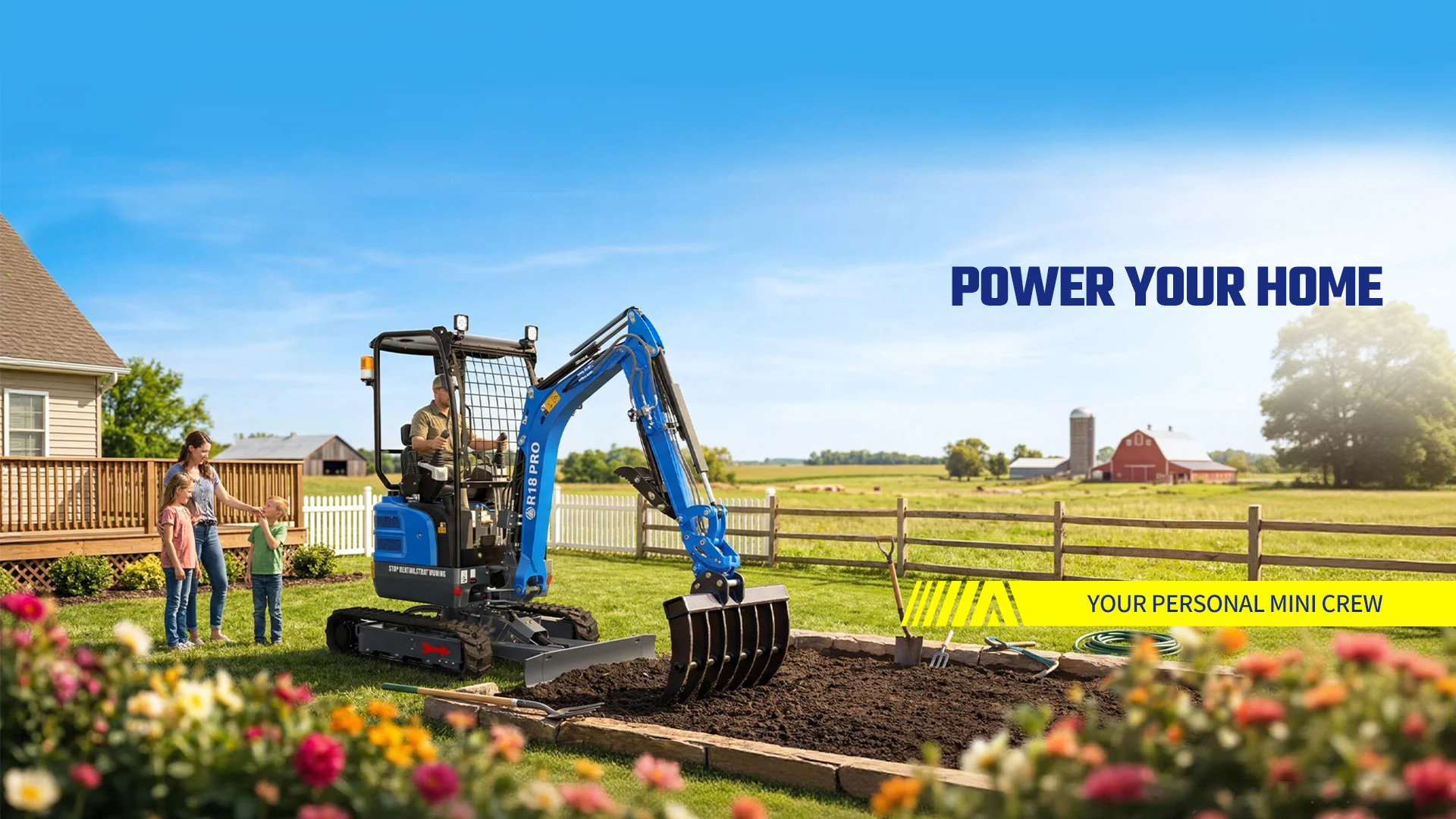
Dealers need a supplier that can support repeat business. A one-time shipment may be useful, but a dealership usually needs stable supply, consistent product information, parts availability, and support for future orders.
Long-term supply stability matters because dealers need to:
- Plan inventory
- Build product pages
- Train salespeople
- Prepare parts
- Promote local demand
- Support existing customers
- Handle repeat orders
- Build customer confidence
If a supplier changes models frequently, cannot confirm configurations, or cannot support repeat orders, the dealer may struggle to build a stable business around the product line.
For a mini excavator dealership, consistency is valuable. Dealers should be able to explain the machine clearly, quote it responsibly, support it after sale, and reorder when demand grows.
Compare Supplier Value, Not Just Supplier Price
The lowest-price supplier may not be the best business partner. Dealers should compare suppliers by total value.
| Evaluation Area | What Dealers Should Check |
| Product fit | Does the machine match local customers and applications? |
| Configuration clarity | Is the current configuration clearly confirmed? |
| Landed cost | Are shipping, duties, documents, and preparation considered? |
| Parts support | Can the dealer identify and order common parts? |
| Warranty process | Are terms and claim steps clear? |
| Documentation | Are available documents suitable for the target market? |
| Communication | Does the supplier answer clearly and consistently? |
| Supply stability | Can the supplier support repeat orders? |
| Dealer support | Are there materials, guidance, or cooperation options? |
| Long-term value | Can the dealer build a repeatable business around the product? |
A supplier that helps dealers sell, support, and reorder with confidence may create more value than a supplier that only offers a lower starting price.
Questions Dealers Should Ask a Mini Excavator Supplier
Before choosing a supplier, dealers should ask practical questions that reveal whether the supplier can support a real dealership business.
- What mini excavator models are suitable for my target customers?
- What configurations are currently available?
- What is included in the quotation?
- What is not included in the quotation?
- What spare parts package do you recommend?
- What warranty policy applies to my market?
- What documents can you provide?
- What trade terms are available?
- What is the expected delivery process?
- How do you handle technical support?
- How do you handle warranty claims?
- Can you support repeat orders?
- Do you provide product photos, videos, or sales materials?
- Do you support dealer or reseller cooperation?
- What should I confirm before advertising the machines locally?
These questions help dealers move beyond price and evaluate whether the supplier can support actual resale, customer service, and long-term business growth.
How RIPPA Can Fit into a Dealer Supplier Strategy
RIPPA can be considered by dealers looking for practical compact excavator products for resale, farm work, landscaping, property maintenance, rental projects, and small contractor applications.
For dealers evaluating RIPPA, the most practical approach is to confirm current information before building public sales claims. This includes:
- Current mini excavator configurations
- Recommended product direction for the target market
- Attachment compatibility
- Parts support process
- Warranty policy
- Trade terms
- Delivery arrangement
- Available documentation
- Dealer or reseller cooperation terms
- Marketing and product support materials
RIPPA’s broader compact equipment line may also support future product extension, but for dealers building a focused mini excavator business, the main priority should remain excavator product fit, support, and repeatable resale potential.
Why Dealers Should Build Supplier Relationships, Not Just One-Time Purchases
A dealership is built on trust. Customers trust the dealer to recommend suitable equipment, provide accurate information, and help when support is needed. The dealer must therefore build supplier relationships that support this responsibility.
A one-time purchase may solve a short-term inventory need, but a long-term supplier relationship can help with:
- More stable product availability
- Better product knowledge
- Better parts planning
- Improved technical communication
- Repeat order confidence
- Stronger customer support
- Clearer marketing direction
- Long-term dealer growth
Dealers should think beyond the first shipment. The better question is not only “Can I buy this machine?” but “Can I build a business around this supplier and product line?”
Korduma kippuvad küsimused
What should I look for in a mini excavator supplier?
Dealers should evaluate product fit, configuration clarity, landed cost, parts support, warranty process, documentation, delivery planning, communication quality, and long-term supply stability.
Is the lowest-price mini excavator supplier always the best choice?
No. A low initial price can create higher long-term costs if parts support, documentation, warranty handling, technical communication, or product consistency are weak.
Why is parts support important for dealers?
Parts support affects customer satisfaction and dealer reputation. If a customer’s machine is down and parts cannot be identified or supplied, the dealer may lose trust and future business.
What documents should dealers confirm before importing mini excavators?
Dealers should confirm available commercial documents, shipping documents, product information, compliance documents where applicable, warranty information, and any documents required by the target market.
How can dealers reduce risk when testing a new supplier?
Dealers can start with a small product selection, confirm all current configurations, prepare a spare parts plan, review warranty terms, test communication quality, and track customer response before expanding orders.
Can a mini excavator supplier support dealer or reseller cooperation?
Some suppliers may support dealer or reseller cooperation, but terms vary by company, product, and market. Dealers should confirm current policy before promotion or public claims.
Kokkuvõte
Choosing a mini excavator supplier is a business decision, not only a purchasing decision. Dealers should evaluate product fit, landed cost, parts support, warranty process, documentation, delivery planning, communication, and long-term supply stability.
A supplier that helps dealers sell, support, and reorder with confidence can create more value than a supplier that only offers a low initial price.
For dealerships considering RIPPA mini excavators, the best approach is to confirm current machine configuration, attachment compatibility, warranty policy, parts process, delivery arrangement, documentation, and dealer cooperation terms before placing an order or promoting the product locally.
A strong supplier relationship can help dealers build more than inventory. It can help them build a repeatable mini excavator business with stronger customer trust and long-term growth potential.
 Kodu
Kodu
 Tooted
 E-post
 WhatsApp

