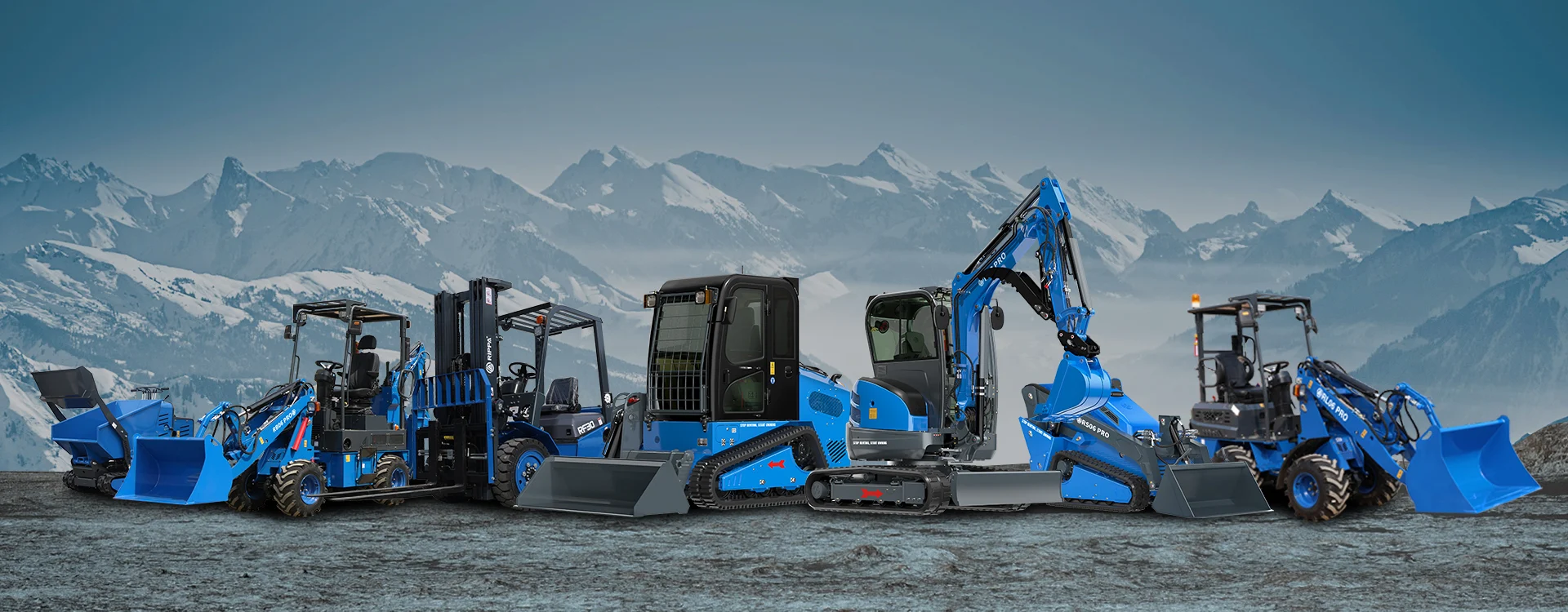
The difference between a skid steer and a forklift lies mainly in their design purpose, load handling method, and operating environment, which determines how each machine fits specific work scenarios rather than establishing overall superiority.
Skid steers and forklifts are both widely used material-handling machines, but they are designed around different core functions. The comparison of skid steer vs forklift typically focuses on load type and handling method, operating environmentja mobility and maneuvering characteristics.
A skid steer is generally used for short-distance movement of loose or irregular materials and for attachment-based tasks in mixed or outdoor environments. A forklift is generally used for lifting, stacking, and transporting palletized or standardized loads, primarily in controlled or indoor spaces. These differences define how each machine is applied across construction, logistics, agriculture, and industrial operations. There is no absolute better option, as suitability depends on matching machine characteristics to specific operational needs.
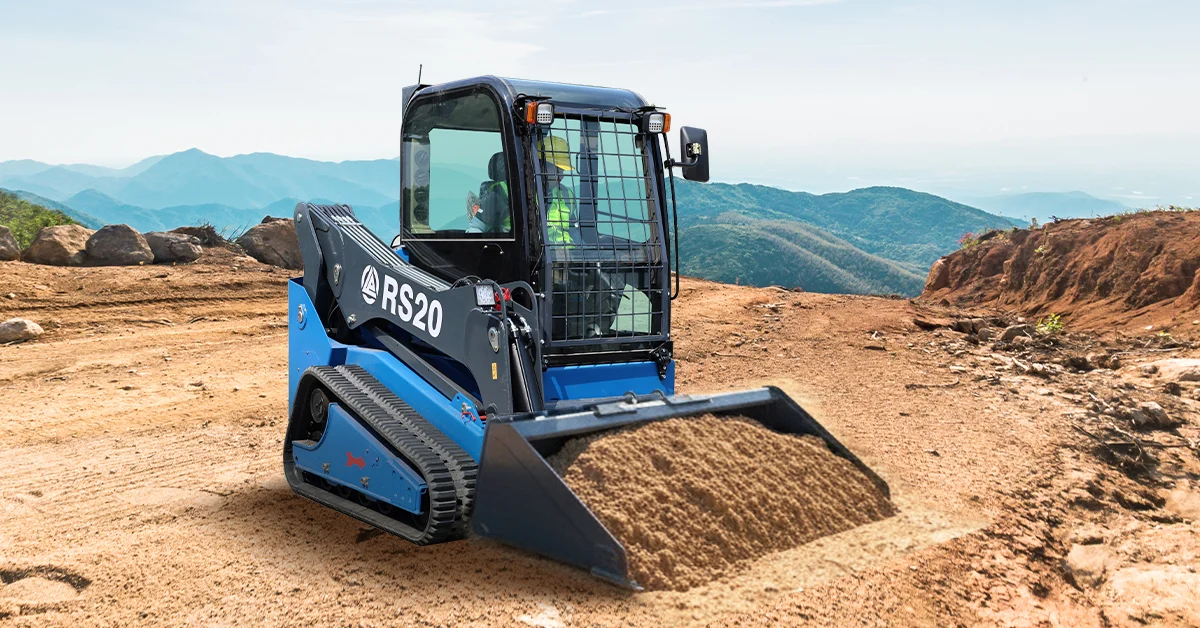
Põhispetsifikatsioonid ja funktsioonide võrdlus
Differences in Load Handling and Work Function
The most fundamental difference between a skid steer and a forklift on how loads are handled.
A skid steer is designed to move loose materials such as soil, gravel, debris, or bulk goods using buckets, grapples, or specialized attachments. Load control is flexible but less standardized.
A forklift is designed to lift and transport unitized loads, typically pallets, using forks that engage from below. Load positioning and vertical placement are more controlled and repeatable.
Differences in Operating Environment and Surface Requirements
In terms of operating environment, skid steers kasutatakse tavaliselt in outdoor or semi-outdoor conditions, including construction sites, farms, and landscaping areas where surfaces may be uneven or unpaved.
Forklifts kasutatakse tavaliselt in warehouses, factories, and distribution centers where floors are level, load paths are predictable, and overhead clearance is managed. Uneven or soft terrain can restrict forklift operation.
Differences in Mobility and Maneuverability
Skid steers use skid steering, allowing them to turn within their own footprint. This provides high maneuverability in confined or irregular spaces but can increase surface disturbance.
Forklifts use rear-wheel steering, which provides stable directional control and smooth movement along aisles but requires more turning radius. Mobility is optimized for structured layouts rather than variable terrain.
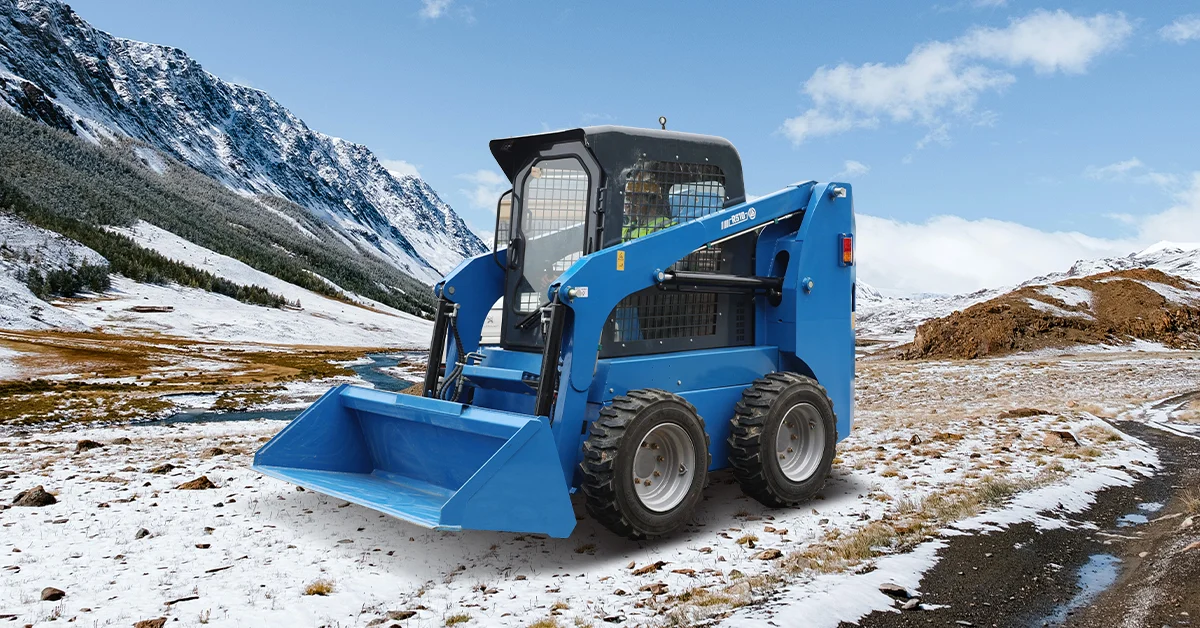
Iga masina tüüpilised kasutusolukorrad
Minilaadurit kasutatakse tavaliselt järgmistel eesmärkidel
- Construction sites handling loose materials
- Agricultural operations with varied attachments
- Landscaping and ground preparation tasks
- Outdoor cleanup and short-cycle work
Forklift Is Typically Used For
- Warehouse and distribution center operations
- Manufacturing facilities handling palletized goods
- Loading and unloading trucks on paved surfaces
- Indoor material stacking and storage
Tavapärased võrdlusega seotud küsimused
Can a skid steer replace a forklift?
Minilaadur can handle pallet forks, but it does not fully replace a forklift in applications requiring frequent high-precision stacking or narrow-aisle operation.
Are forklifts suitable for outdoor construction sites?
Forklifts are generally limited in outdoor use due to terrain sensitivity, unless surfaces are level and stabilized.
Kuidas erinevad tegevuskulud üldiselt?
Cost trends depend on usage patterns. Skid steers often show higher attachment-related maintenance, while forklifts focus maintenance on lifting masts and drive systems.
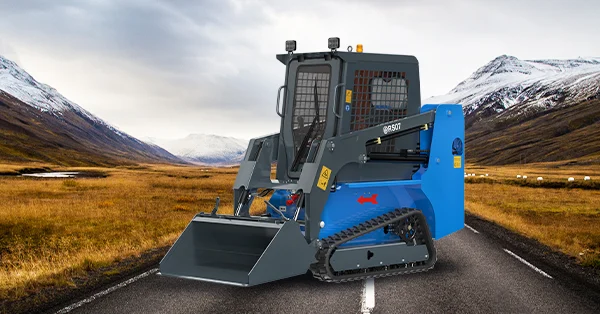
Kokkuvõte
Võrdlus skid steer vs forklift reflects differences in load type, environment, and movement patterns.
Rather than indicating superiority, the distinction highlights a stsenaariumipõhine mäng, where appropriate selection depends on how loads are handled and where the machine operates.
 Kodu
Kodu
 Tooted
 E-post
 WhatsApp

