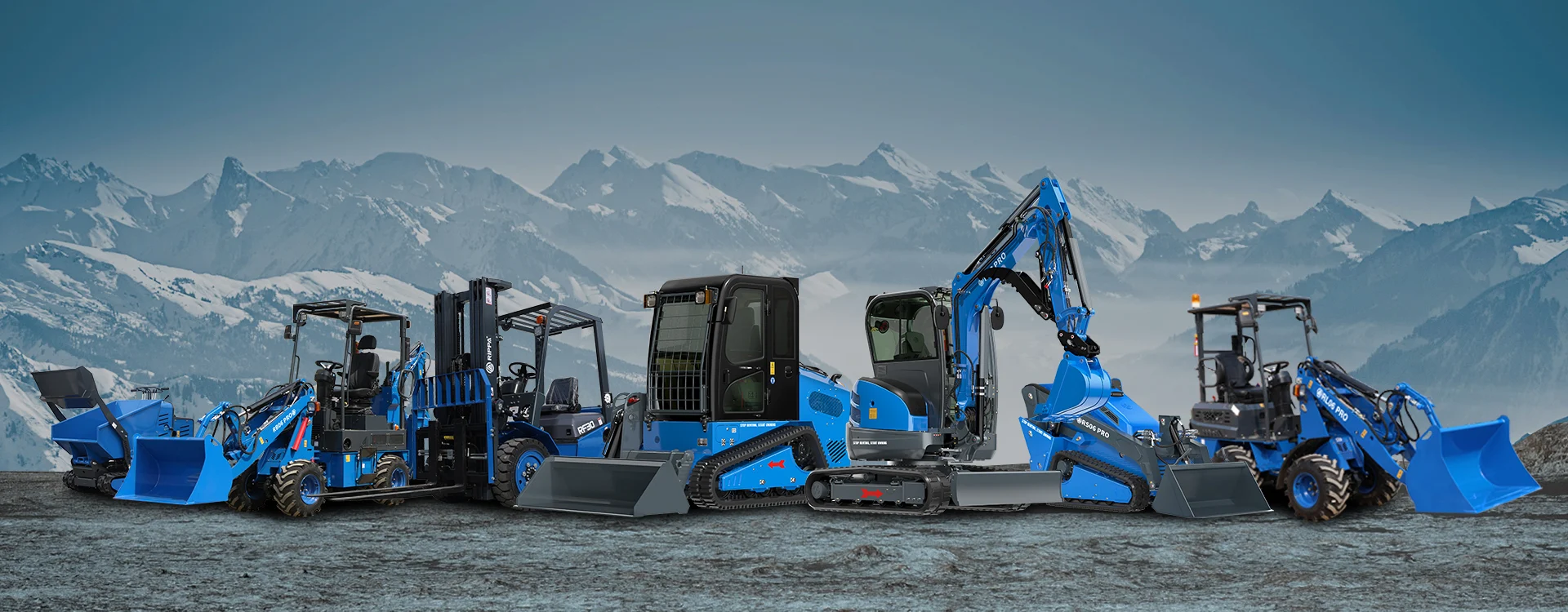
Introduction – Why Skid Steer Loaders Are Becoming the Contractor’s First Choice
In construction, landscaping, agriculture, and municipal engineering, the skid steer loader has become one of the most widely used compact machines. With its small footprint, excellent maneuverability, and the ability to support dozens of attachments, a skid steer loader can perform the jobs of multiple machines. For many contractors, it is the first machine that arrives on the site and the last one to leave.
However, buyers today face new challenges:
-
Increasing machine options
-
Differences in engine and hydraulic systems
-
Large price gaps between brands
-
Uneven manufacturing quality in the market
This guide explains what a skid steer loader is, the main types available, the critical specifications to evaluate, and how to select the machine that brings the best long-term ROI—especially for buyers in the global market.

What Is a Skid Steer Loader? – Core Definition & Features
A skid steer loader is a compact, engine-powered machine with:
-
Two parallel arms
-
A quick-change attachment interface
-
All-wheel skid steering for tight turning
-
Strong hydraulic power output
Key Advantages
-
Works efficiently in small or confined areas
-
Supports dozens of attachments
-
Fast mobility
-
Low operating costs
-
Easy transport between job sites
For small contractors, orchards, rental fleets, and construction companies, skid steers offer a perfect balance of cost, power, and versatility.
Types of Skid Steer Loaders
1. Wheeled Skid Steer Loader (Standard Type)
Sobib kõige paremini:
-
Hard surfaces
-
Concrete and asphalt
-
Pavement construction
-
Urban maintenance
Eelised:
-
Madalamad kulud
-
Faster driving speed
-
Cheaper tires and easy maintenance
2. Track Skid Steer Loader (Compact Track Loader)
Sobib kõige paremini:
-
Muddy terrain
-
Sand, loose soil, and slopes
-
Winter and wet seasons
Eelised:
-
Greater traction
-
More stability
-
Better lifting performance in soft ground
3. Mini Skid Steer Loader (Micro Construction Machines)
Sobib kõige paremini:
-
Family farms
-
Greenhouses and barn interiors
-
Residential landscaping
-
Small workshops and narrow alleys
Eelised:
-
Minimal fuel consumption
-
Superior maneuverability
-
Low purchase price
For buyers with mixed applications, many manufacturers—including RIPPA—provide both wheel and track versions across different horsepower classes.

Key Specifications to Evaluate Before Purchasing
Choosing a skid steer is not about selecting the cheapest model but selecting the one that will deliver the highest value throughout its working life. Buyers should focus on:
1. Engine Power
Typical ratings range from 25HP to 100HP+.
Higher power means:
-
Better lifting performance
-
Stronger hydraulic output
-
Support for heavier attachments
For construction contractors, 60HP–75HP is the most popular and efficient working range.
2. Hydraulic Flow & Pressure
This is the heart of the machine.
Look at:
-
Standard flow rate (L/min or GPM)
-
High-flow options (for demanding attachments)
-
System pressure (bar or PSI)
Higher hydraulic capacity means access to:
-
Mulchers
-
Külmhöövelid
-
Industrial augers
-
heavy trenchers
3. Lifting Capacity (Rated Operating Capacity)
This determines what the machine can safely carry.
It depends on:
-
Counterweight design
-
Boom arm geometry
-
Weight distribution
For B2B buyers, this is often a deciding factor when competing for jobs.
4. Operating Weight
Affects:
-
Transport costs
-
Pinnasurve
-
Stability during lifting
A heavier machine usually feels more stable under load.
5. Build Quality of the Frame
This is where many low-quality machines cut corners.
Key points to inspect:
-
Steel thickness
-
Welding quality
-
Anti-rust treatment
-
Paint adhesion
-
Structural reinforcement
A cheap frame can bend over time—resulting in massive repair costs.

Applications in Real Projects
Skid steers are widely used in:
-
Road and bridge maintenance
-
Civil construction
-
Residential landscaping
-
Forestry and farmland operations
-
Livestock barns
-
Materjalide käitlemine
-
Snow removal
-
Municipal public works
With different attachments, one skid steer can replace:
-
Minilaadurid
-
Small tractors
-
Kraavitajad
-
Excavators
-
Graders
-
Forklifts
This versatility is why many contractors prefer purchasing skid steers rather than renting multiple types of machines.
Common Buying Mistakes in the Market
Mistake 1 – Choosing Only by Purchase Price
Cheap machines often have:
-
Low-tier engines
-
Weak hydraulic pumps
-
Unreliable electronics
-
Zero long-term parts support
Over 2–3 years, the maintenance cost may exceed the machine price.
Mistake 2 – Not Evaluating the Hydraulic System
Many buyers check horsepower but ignore flow and pressure.
Hydraulic output determines:
-
Real working performance
-
Which attachments can be used
-
Productivity per hour
Mistake 3 – No After-Sales or Spare Parts Guarantee
A machine is only profitable when working.
If spare parts take 30–60 days to arrive, customers will lose contracts and money.
How RIPPA Helps Global Buyers Avoid These Issues
✔ High-Quality Power Systems
RIPPA machines use branded engines and hydraulic pumps, delivering reliable output and long service life.
✔ Industrial-Grade Structural Engineering
-
Reinforced steel chassis
-
Automatic weld quality checks
-
Multi-layer corrosion protection
-
Load-bearing verification before shipment
✔ OEM Manufacturing & Dealer-Level Support
RIPPA offers:
-
25–45 days production cycle
-
Overseas Distribution Center stock for fast shipping
-
Ülemaailmne varuosade tarnimine
-
Remote technical diagnosis
-
Dealer pricing structures
-
Training and marketing support
✔ Tailored Configurations for Different Markets
-
EPA Tier 4 for North America
-
CE for Europe
-
Custom paint, branding, attachment packages
Whether for contractors, rental fleets, or equipment dealers, the goal is the same:
Better ROI, fewer breakdowns, and longer machine life.
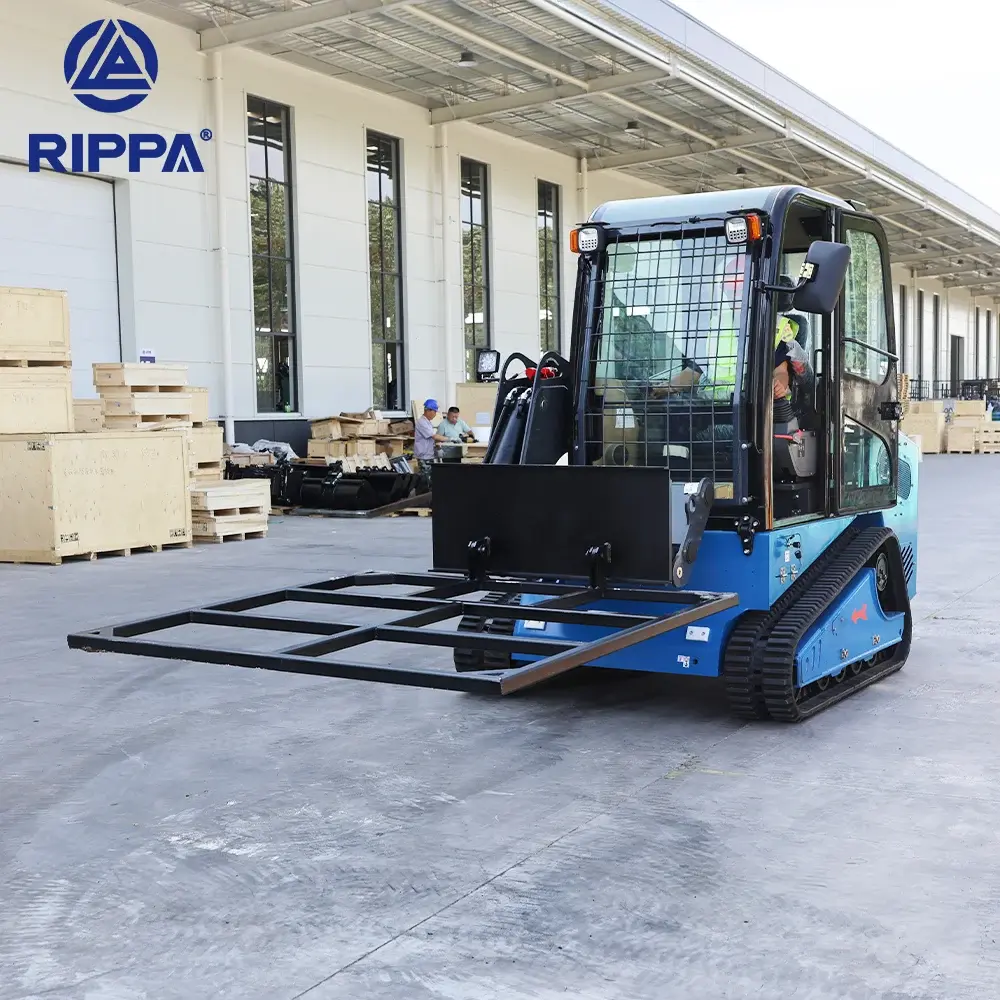
Conclusion – Choose the Skid Steer That Delivers the Most Value
A skid steer loader is one of the best long-term investments for contractors—but selecting the right model requires evaluating:
-
Võimsus
-
Hydraulic performance
-
Build quality
-
Total operating cost
-
Availability of support
With strong manufacturing standards, branded components, overseas service support, and competitive pricing, RIPPA provides dependable machines designed for real working conditions worldwide.
📩 Request a Specification Sheet or Dealer Price Now
Contact RIPPA to get:
-
Updated price list
-
Detailed specifications
-
Configuration recommendations
-
Dealership opportunities
Your machine works harder—and earns more—when you choose the right partner from the start.
 Kodu
Kodu
 Tooted
 E-post
 WhatsApp

