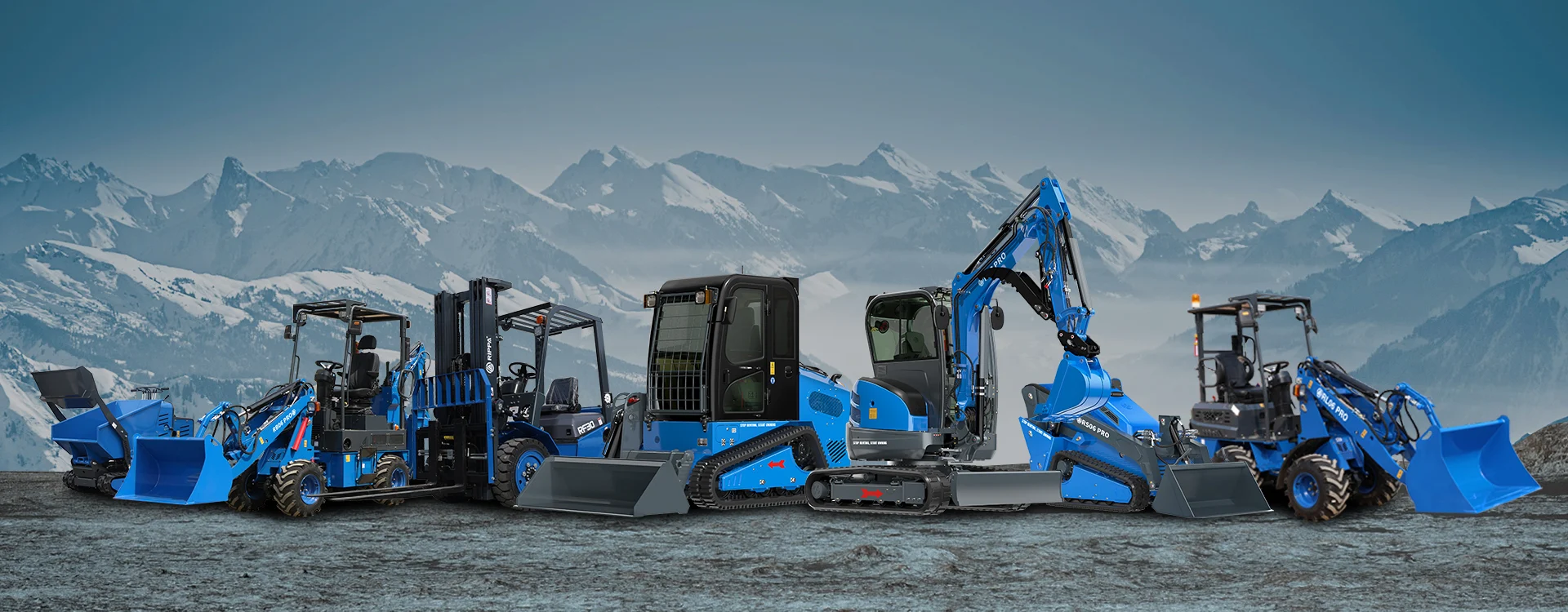
When comparing front end loaders for sale, buyers often focus first on size and price. A better decision begins with the daily task: what material will be moved, how high it must be dumped, how far the loader will travel, and which attachments will be used. These answers determine whether a compact, small, or larger wheel loader will deliver efficient production without excessive ownership cost.
Define the Loading Cycle Before Choosing
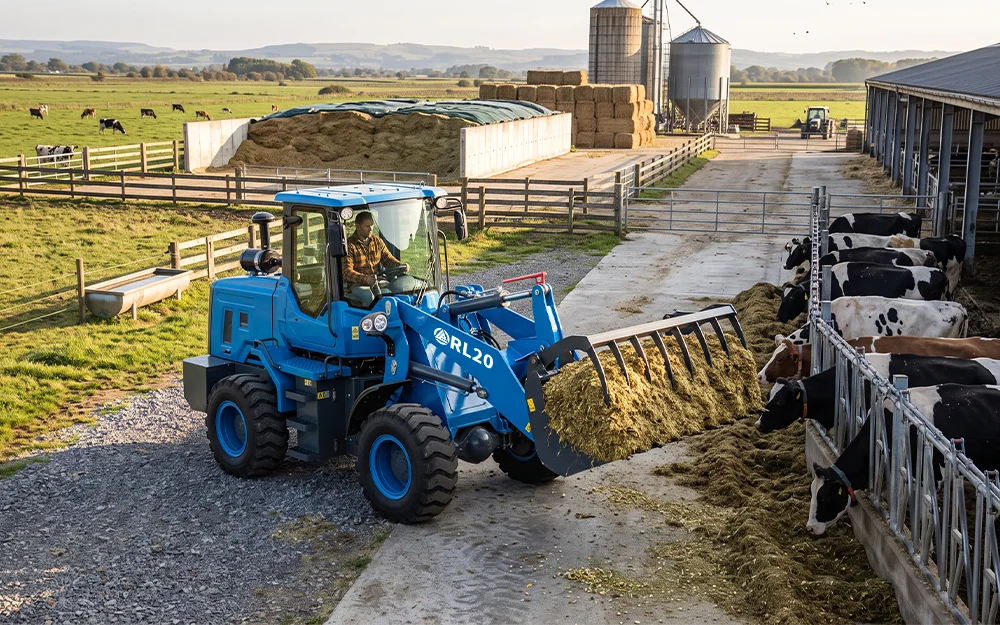
A loader working inside a feed yard has different needs from one loading aggregate into high-sided trucks. Measure gate widths, turning areas, stockpile height, truck-side clearance, surface conditions, and typical load density. The machine must remain stable and controllable throughout the lift and travel cycle, not simply accept the desired bucket.
Bucket volume alone can be misleading because wet soil, stone, grain, and mulch have different weights. Use the manufacturer’s rated operating information to match the bucket and material. If forks, grapples, snow tools, or other hydraulic attachments are planned, confirm coupler compatibility, hydraulic requirements, visibility, and control functions before purchase.
Compare Productivity with Total Cost
Purchase price is only one factor. Fuel use, tires, scheduled maintenance, wear parts, finance costs, downtime, and resale value can have a larger effect over the machine’s working life. Buyers should request a maintenance schedule and identify which components can be sourced locally. Easy daily inspection points and accessible service areas help operators catch leaks, loose connections, tire damage, and fluid issues early.
Rental companies and dealers should also consider operator training. A machine suited to common local jobs and familiar attachments may achieve higher utilization than a specialized unit.
Questions to Ask Every Loader Supplier
Before choosing among front end loaders for sale, request the model specification sheet, equipment list, attachment options, warranty exclusions, parts plan, and delivery terms. Confirm who provides technical support and handles claims. For imported equipment, calculate inland transport, duties, unloading, and commissioning instead of comparing factory prices alone.
RIPPA works with contractors, importers, rental businesses, and machinery dealers. Specifications and compliance differ by model and market, so each order must be checked against current documentation. Share your material, lift height, attachments, annual working hours, and destination with RIPPA for a configuration-based quotation.
 Etusivu
 Tuotteet
 Sähköposti
 WhatsApp

