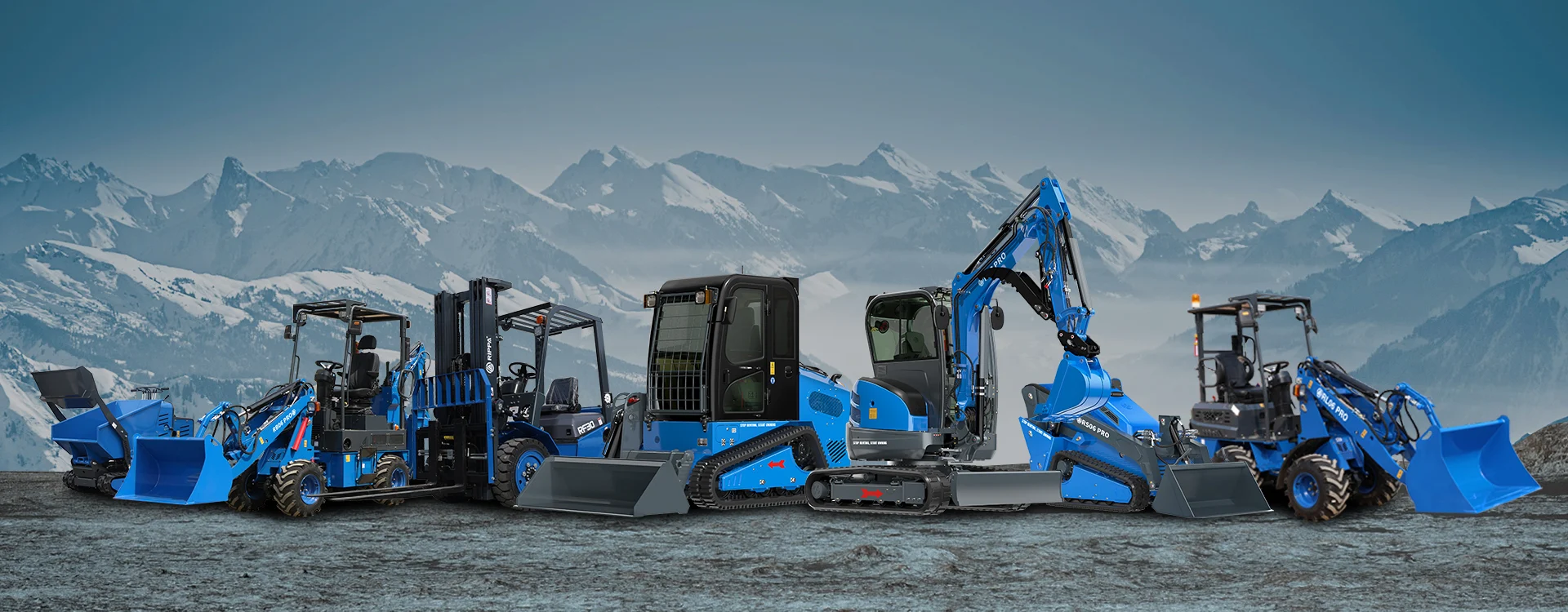
The mini excavator market does not belong only to traditional construction equipment dealerships.
A growing number of businesses already have many of the resources required to sell compact machinery—even if they have never sold an excavator before.
A trailer dealer may already serve contractors.
A tractor dealer may already serve farms.
A rental company may already know which compact machines customers request.
A used equipment dealer may already understand machinery buyers.
A landscaping equipment dealer may already serve professional outdoor contractors.
A successful entrepreneur may already have a sales team, warehouse, local business network, and enough capital to develop a new product line.
For these businesses, becoming a mini excavator dealer does not necessarily mean starting an entirely new company from zero. It may mean adding a new equipment category to a business that already has customers, infrastructure, and commercial experience.
In 2026, the better question is therefore not simply:
“Who can sell mini excavators?”
It is:
“Which businesses already have the customers, resources, and local relationships needed to build a mini excavator dealership?”
Why Mini Excavators Can Be a Practical Dealer Entry Product
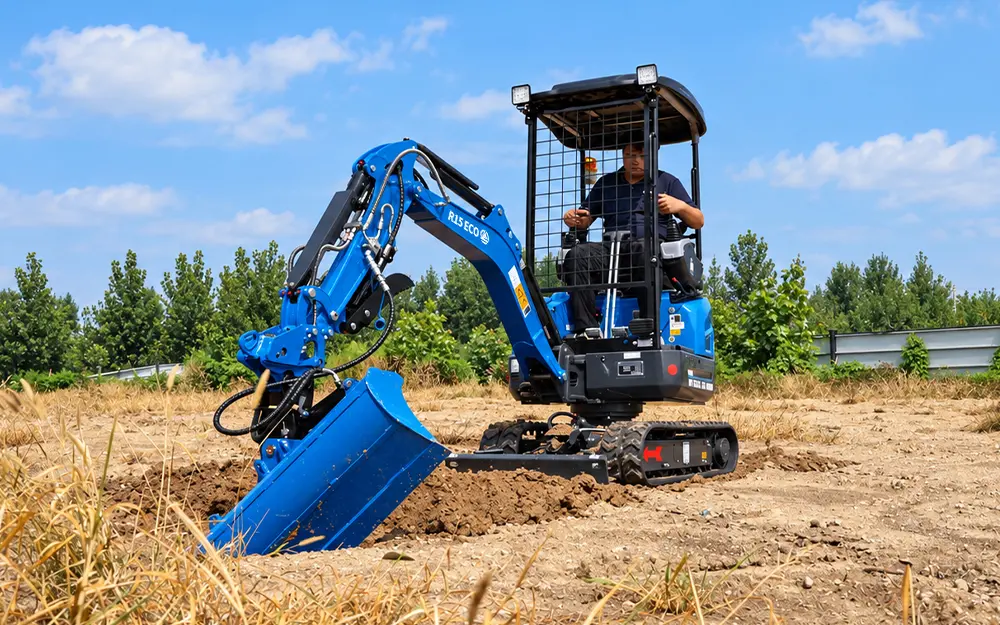
For many new equipment dealers, mini excavators can provide a practical starting point because compact digging demand appears across multiple industries.
Potential applications include:
- Trenching
- Drainage
- Ditch maintenance
- Aidan valmistelu
- Puiden istutus
- Root removal
- Landscaping preparation
- Hardscape work
- Kiinteistönhuolto
- Small construction excavation
- Farm and rural property work
This means the dealer is not dependent on a single customer group.
Potential buyers may include:
- Construction contractors
- Landscaping companies
- Rental businesses
- Maatilat
- Fence contractors
- Property maintenance companies
- Rural service businesses
- Small construction companies
For a potential dealer, this matters because one core product category can open conversations with several industries.
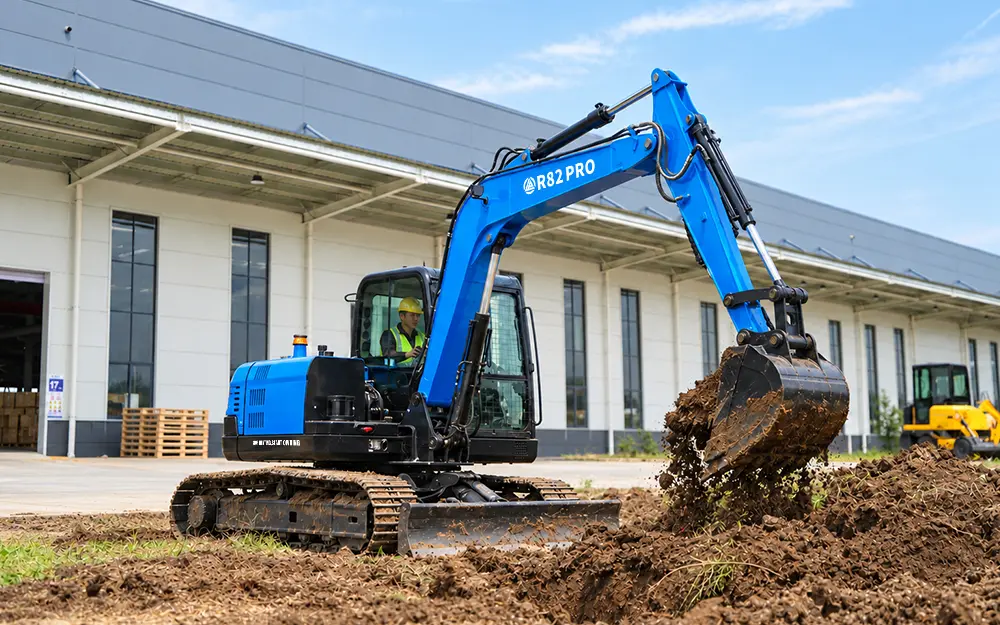
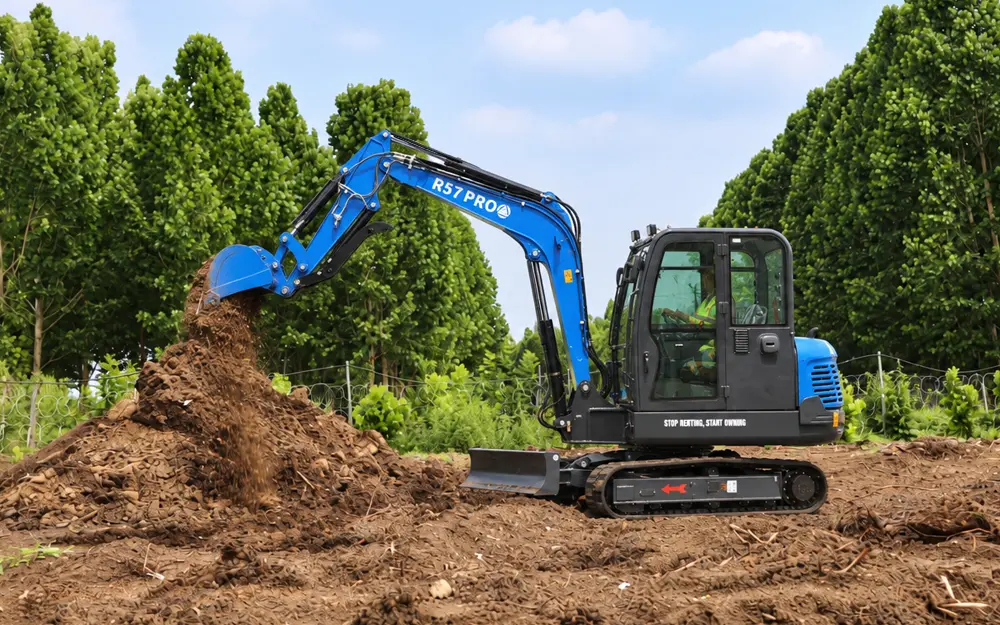
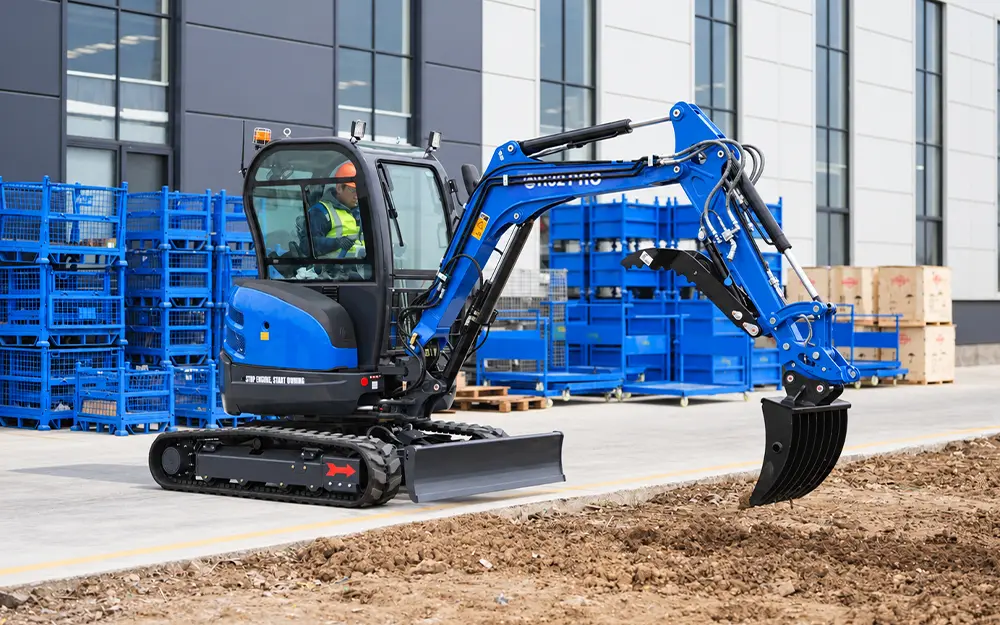
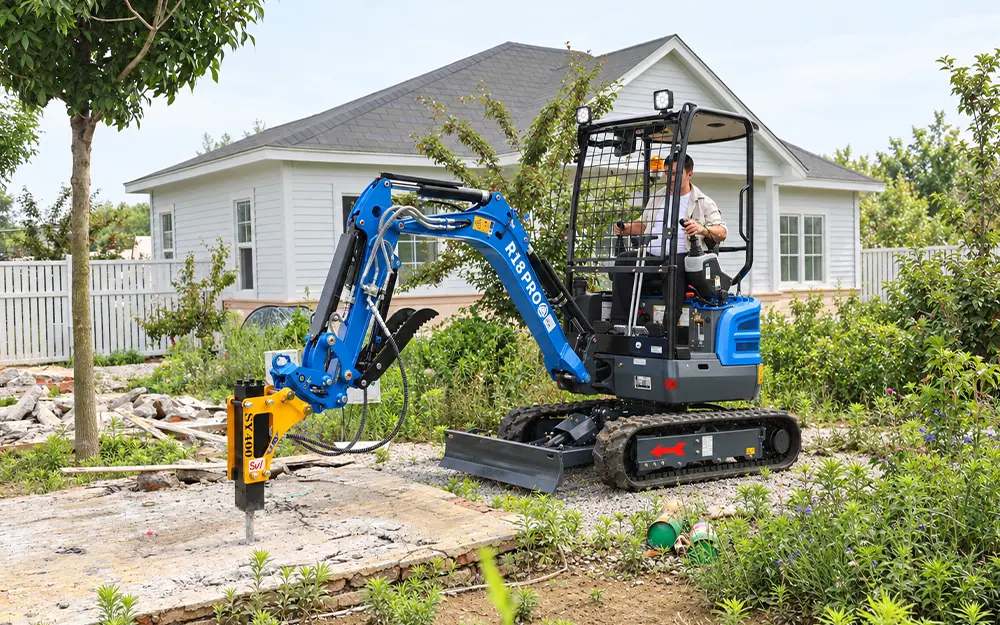
RIPPA’s current official mini excavator catalog includes multiple compact models across different operating weights and working capabilities rather than a single machine, allowing dealers to evaluate different configurations for different customer segments.
1. Existing Equipment Dealers
Traditional machinery dealers are obvious candidates, but they are not the only ones.
An existing equipment dealer may already sell:
- Tractors
- Agricultural machinery
- Used equipment
- Landscaping machinery
- Material-handling equipment
- Construction tools
- Trailers
Such a business may already have:
- A physical location
- Equipment display space
- Salespeople
- Customer databases
- Parts operations
- Local delivery capability
- Financing relationships
- Business-to-business customers
Adding mini excavators can therefore be an extension of an existing business rather than a completely new venture.
2. Used Equipment Dealers
Used machinery businesses can be particularly interesting candidates for new mini excavator distribution.
They already understand how customers evaluate:
- Machine condition
- Equipment value
- Operating cost
- Trade-ins
- Jälleenmyynti
- Transport
- Parts
- Service
They may also already serve:
- Contractors
- Farmers
- Maisemasuunnittelijat
- Rental businesses
A used equipment dealer can potentially add new mini excavators as another buying option.
The dealership might then serve two different customer groups.
Used Equipment Buyer
May prioritize:
- Lower initial cost
- Specific brands or models
- Individual machine opportunities
New Equipment Buyer
May prioritize:
- Current configurations
- Attachment planning
- Parts support
- Repeat availability
- Current supplier support
The two categories can complement each other.
3. Farm Equipment and Tractor Dealers
Farm equipment dealers are another strong potential group.
Their customers already invest in machinery.
They understand:
- Engines
- Hydraulics
- Liitteet
- Maintenance
- Equipment financing
- Seasonal purchasing
More importantly, many farm customers have excavation requirements.
Examples include:
- Viemärikaivannot
- Ditch cleaning
- Fence work
- Puiden istutus
- Root removal
- Rural property improvement
A tractor can perform many agricultural jobs, but a mini excavator adds dedicated digging capability.
This gives tractor dealers an opportunity to expand their product offering without abandoning their existing agricultural focus.
4. Landscaping Equipment Dealers
Landscape equipment businesses often sell:
- Lawn equipment
- Outdoor power equipment
- Commercial mowers
- Compact machinery
- Tools
Their professional customers may gradually expand into:
- Drainage
- Hardscaping
- Tree installation
- Root removal
- Yard renovation
- Property development
As customers take on larger projects, they may need compact excavation equipment.
The dealer can grow with them.
This makes landscaping equipment businesses logical candidates for mini excavator distribution.
5. Trailer Dealers
Trailer dealers are often overlooked as potential machinery dealers.
However, many trailer dealerships already serve the same customers who purchase compact equipment.
These customers may include:
- Contractors
- Maisemasuunnittelijat
- Farmers
- Rental businesses
- Equipment owners
- Property maintenance companies
A customer buying an equipment trailer may also:
- Own a mini excavator
- Rent a mini excavator
- Plan to purchase machinery
- Need additional compact equipment
This creates customer overlap.
A trailer business with sufficient capital, space, staff, and after-sales capability may therefore have a practical path into compact machinery.
6. Equipment Rental Companies
Rental companies may be among the most naturally positioned businesses to enter machinery sales.
They already know:
- Which machines customers request
- Which sizes are popular
- Which attachments are rented
- Which customers rent repeatedly
- Which equipment categories generate demand
They also interact regularly with contractors and equipment operators.
A rental company might begin selling equipment to customers who:
- Rent frequently
- Want to own
- Are expanding their fleets
- Need additional machines
The company may also choose to resell selected fleet machines while adding new equipment sales.
This can create two business channels:
Rental + equipment sales.
7. Forklift and Material-Handling Dealers
Forklift dealerships already operate in the machinery industry.
They may have:
- Sales teams
- Service technicians
- Varastot
- Parts operations
- Commercial customers
Their current customers may differ from traditional excavator customers, but the business infrastructure can still be valuable.
A forklift dealer that wants to expand toward:
- Rakentaminen
- Maisemasuunnittelu
- Maatalous
- Rental
may consider adding compact construction equipment.
The key question is whether the dealership has access to relevant customer groups.
8. Building Material and Contractor Supply Businesses
Building material suppliers may already sell to:
- Contractors
- Builders
- Maisemasuunnittelijat
- Property developers
Some of these customers purchase or rent compact machinery.
A building material business may therefore have something extremely valuable:
an existing contractor customer network.
The business may not have machinery experience yet, but it may already have:
- Commercial relationships
- Yard space
- Delivery capability
- Sales staff
- Credit relationships
If equipment support capability can be developed, machinery can become a potential expansion category.
9. Tool and Industrial Supply Distributors
Industrial supply companies often sell to professional businesses.
Their customers may purchase:
- Tools
- Parts
- Safety equipment
- Industrial products
- Contractor supplies
A distributor that already understands B2B sales may be capable of moving into higher-value equipment.
However, machinery requires additional capabilities such as:
- Product knowledge
- Parts
- Technical support
- Warranty communication
The transition should therefore be planned rather than treated as simply adding another SKU.
10. Machinery Importers and Regional Distributors
Businesses already importing:
- Vehicles
- Machinery
- Industrial products
- Agricultural equipment
may also be strong candidates.
They understand areas such as:
- International procurement
- Logistics
- Customs procedures
- Warehousing
- Wholesale distribution
These businesses may be able to develop regional dealer networks rather than focusing only on retail sales.
For a manufacturer, this type of B2B partner may have especially strong growth potential.
11. Contractors Who Want to Become Equipment Sellers
Some successful contractors eventually develop enough industry knowledge and customer relationships to consider equipment sales.
They may know dozens or hundreds of:
- Builders
- Subcontractors
- Maisemasuunnittelijat
- Property developers
- Equipment operators
They understand how equipment is actually used.
They also know what contractors complain about when purchasing machinery.
That practical experience can become a commercial advantage.
A contractor does not automatically make a good equipment dealer, but an established contractor with:
- Capital
- Sales capability
- Varastointi
- Local industry relationships
may be worth considering.
12. Entrepreneurs with Capital and Local Business Resources
Not every future equipment dealer already operates in machinery.
Some may be established business owners looking for another opportunity.
Potential candidates may already own:
- A warehouse
- Commercial property
- A transport company
- A distribution business
- A sales organization
- A regional wholesale company
The important question is not whether they have sold excavators before.
It is whether they have the resources to build the dealership properly.
What Resources Make Someone a Strong Dealer Candidate?
A strong candidate may have several of these advantages:
| Resource | Miksi se on tärkeää |
|---|---|
| Existing customers | Reduces the difficulty of finding first buyers |
| Capital | Supports machines, parts and operations |
| Physical location | Provides display and storage space |
| Sales team | Helps develop B2B customers |
| Service capability | Supports equipment after sale |
| Industry relationships | Creates referrals and fleet opportunities |
| Logistics capability | Helps move machinery |
| Marketing capability | Generates new inquiries |
| Local reputation | Builds buyer confidence |
A potential dealer does not need every resource on day one.
However, the more of these assets the business already has, the easier the transition may be.
What Matters More: Machinery Experience or Customer Access?
Both are valuable.
However, customer access can be extremely important.
Consider two businesses.
Business A
Knows a lot about machinery but has almost no customer network.
Business B
Has hundreds of contractor, farming, landscaping, or rental customers but currently sells another product.
Business B may have a powerful advantage because it already knows who might buy the machines.
Product knowledge can be developed.
A strong customer network can take years to build.
Who May Not Be Ready to Become a Dealer?
Not everyone who asks about dealership opportunities is necessarily ready.
Potential warning signs include:
- No defined customer market
- No realistic sales plan
- No available capital
- No location or storage plan
- No willingness to handle customer support
- No understanding of B2B selling
- Expectation that the supplier will find every customer
Equipment distribution requires active local business development.
A dealership should be treated as a business, not simply a way to purchase machines at wholesale prices.
Why Local Market Knowledge Matters
A strong dealer knows:
- Which industries operate locally
- Which contractors are growing
- What equipment is commonly rented
- Which machine sizes customers prefer
- Which brands dominate the market
- What customers complain about
- Which services are missing
This information can help determine:
- Which excavators to stock
- Which attachments to offer
- Which customers to target
- Which supporting products to add
How Should a New Dealer Start?
A practical starting process may look like this:
- Identify target customer groups.
- Study local excavator demand.
- Select a focused product range.
- Learn applications and specifications.
- Develop parts and service processes.
- Prepare a display or demonstration strategy.
- Build contractor and rental-company leads.
- Test the market before overexpanding inventory.
- Track which machines and customer segments convert.
- Expand according to proven demand.
The objective is controlled growth.
Should New Dealers Sell Only Mini Excavators?
Not necessarily forever.
But mini excavators can provide a clear starting category.
Once the customer base develops, related demand may appear for:
- Skid steer loaders
- Compact wheel loaders
- Liitteet
- Other equipment
RIPPA’s current product catalog includes mini excavators along with skid steers, wheel loaders and forklifts, giving B2B partners the possibility of building a broader equipment offering where their market supports it.
The dealer should not add every category immediately.
Expansion should follow customer demand.
Usein kysytyt kysymykset
Do I need to be an existing machinery dealer to become a mini excavator dealer?
Not necessarily. Businesses from related industries may already have customers, capital, locations, or distribution capability that can support equipment sales.
What businesses are good candidates?
Potential candidates include tractor dealers, trailer dealers, rental companies, used equipment dealers, landscaping equipment dealers, machinery importers, industrial suppliers, and established entrepreneurs.
Why are mini excavators a useful entry product?
They serve multiple customer groups across construction, landscaping, agriculture, rental, fencing, and property maintenance.
Do I need a service department?
After-sales capability is important. The exact structure may vary, but customers need a clear process for parts, maintenance questions, technical support, and warranty communication.
Can I start with only a few machines?
A focused initial inventory can be more practical than stocking too many configurations before local demand is proven.
Can an existing rental company become a dealer?
Potentially. Rental businesses already understand equipment demand and maintain relationships with equipment users.
Päätelmä
The next successful mini excavator dealer may not currently call itself a construction equipment dealership.
It may be a:
- Tractor dealer
- Trailer business
- Rental company
- Used machinery dealer
- Landscaping equipment company
- Industrial distributor
- Importer
- Contractor
- Established entrepreneur
The strongest candidates already possess some combination of customers, capital, location, industry knowledge, sales capability, logistics, and local reputation.
For these businesses, mini excavators can provide a practical entry point into compact construction equipment.
The opportunity begins not with the machine itself, but with a simple question:
Do you already have customers who need equipment—and the resources to serve them well?
 Etusivu
 Tuotteet
 Sähköposti
 WhatsApp

