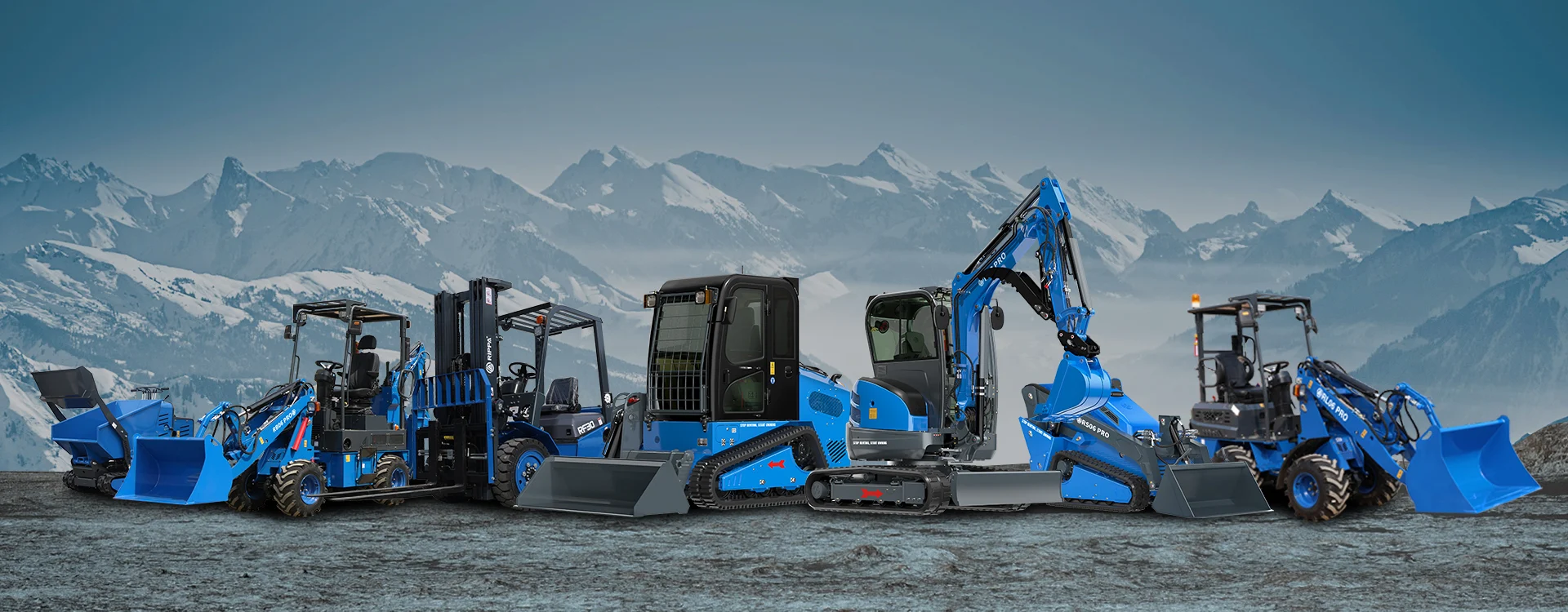
Big Isn’t Better: How Mini Excavators Are Becoming the Smartest Machines on Site
For decades, the glory was in the big iron—the massive excavators that moved mountains. But if you look where the real engineering buzz is happening today, it’s under the hood of the mini excavator. These aren’t just shrunken-down versions of their bigger brothers anymore. They have become the primary platform for the most transformative trends in our industry: urbanization, electrification, and digitalization. I run a diverse fleet, and my mini ex is consistently the one where new features and smarter design have the biggest immediate impact on my daily work. Let’s explore why the compact segment is the industry’s innovation lab and what it means for your next purchase.
Mini excavators are at the forefront of innovation due to their dominance in space-constrained urban markets, their ideal scale for battery-electric conversion, and their role as a testbed for operator-assist and telematics technologies. Leading Chinese manufacturers are pivotal in this shift, rapidly adopting and advancing these trends to capture global market share.
I’ll connect the dots between global trends and the specific features you’ll start seeing (and should demand) in the next generation of compact machines.
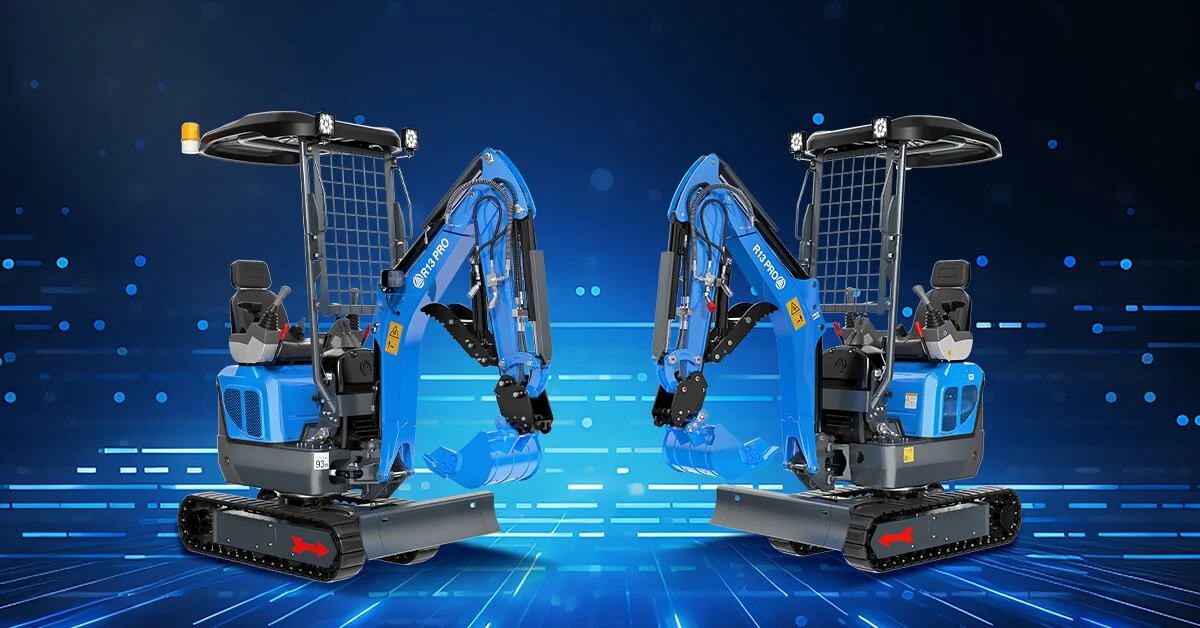
1 The Urbanization Imperative: Engineering for the Concrete Jungle
Cities are growing, and job sites are getting tighter. This isn’t a niche anymore; it’s the core market for minis.
- Innovations Driven by Space:
- Zero Tail Swing (ZTS): Once a premium feature, it’s becoming standard on larger minis. The ability to rotate 360° within the machine’s footprint is non-negotiable for working between buildings, fences, and traffic.
- Compact Transport Dimensions: Manufacturers are obsessing over width, height, and weight to meet road-toering regulations without permits. This means smarter component packaging and lighter, stronger materials.
- Low Noise & Vibration: Meeting strict urban noise ordinances is driving better cab insulation, hydraulic muffling, and overall smoother operation. My newer machine is noticeably quieter than my old one, keeping neighbors and inspectors happy.
2 The Electric (R)evolution: It Starts Small
Electrifying a 50-ton excavator is a massive challenge of battery weight and power. Electrifying a 2-ton mini excavator? That’s happening now.
- Why Minis Lead the Charge: Their duty cycles (intermittent digging, short travel distances) are perfect for current battery technology. The benefits are transformative for indoor work, sensitive environmental sites, and municipalities with zero-emission mandates: zero exhaust, near-silent operation, and drastically lower “fueling” costs. Leading Chinese manufacturers are launching electric models because they can move fast. When you buy from an innovator in this space, you’re not just buying a machine for today; you’re buying into a clear upgrade path for tomorrow.
3 The Digital Hub: Your Most Connected Machine
The compact excavator is often the most versatile and highly utilized machine on a small to mid-size site. That makes it the perfect data source.
- The Incoming Tech Wave:
- Integrated Telematics: Soon, standard 4G/5G modems will feed data on location, fuel/battery level, idle time, and maintenance alerts to a cloud platform. This isn’t just for big fleets; it’s for any owner who wants to optimize utilization and schedule maintenance by the book.
- Operator-Assist Displays: Imagine your mini ex having a built-in grade assist system using cameras or simple sensors, helping operators achieve level trenches faster with less rework. This tech is trickling down from larger machines.
- Simplified Diagnostics: The “Smart LCD Display” on my RIPPA is the first step—showing error codes and operational data. The next step is that code being sent directly to the dealer for remote diagnosis before a service call is even placed.
4 The Attachment Ecosystem: The Ultimate Force Multiplier
The innovation isn’t just on the machine; it’s on what it connects to. The standardization of quick couplers has unleashed an explosion of specialized attachments. My mini ex isn’t just a digger; it’s a drill, a breaker, a compactor, a grapple, and a sweeper. Manufacturers are now designing hydraulic systems with high-flow options and multiple auxiliary circuits specifically to empower this tool versatility, transforming a single machine into an entire service department.
5 The Chinese Manufacturing Advantage in Innovation Speed
Here’s a crucial observation: The agile, vertically integrated Chinese manufacturers I’ve worked with can iterate and implement new features faster. They are closer to their supply chain and their engineering teams. When the market demands electric models or a new safety feature, they can prototype, test, and productionize in a timeframe that leaves traditional giants struggling. This speed means you, the end-user, get access to cutting-edge technology sooner, often at a more accessible price point.
Choosing a mini excavator today is no longer just about digging force and price. It’s about choosing a platform that is actively evolving—one that will remain relevant, efficient, and valuable through the coming technological shifts. The most forward-thinking manufacturers are betting big on this segment.
 Etusivu
 Tuotteet
 Sähköposti
 WhatsApp

