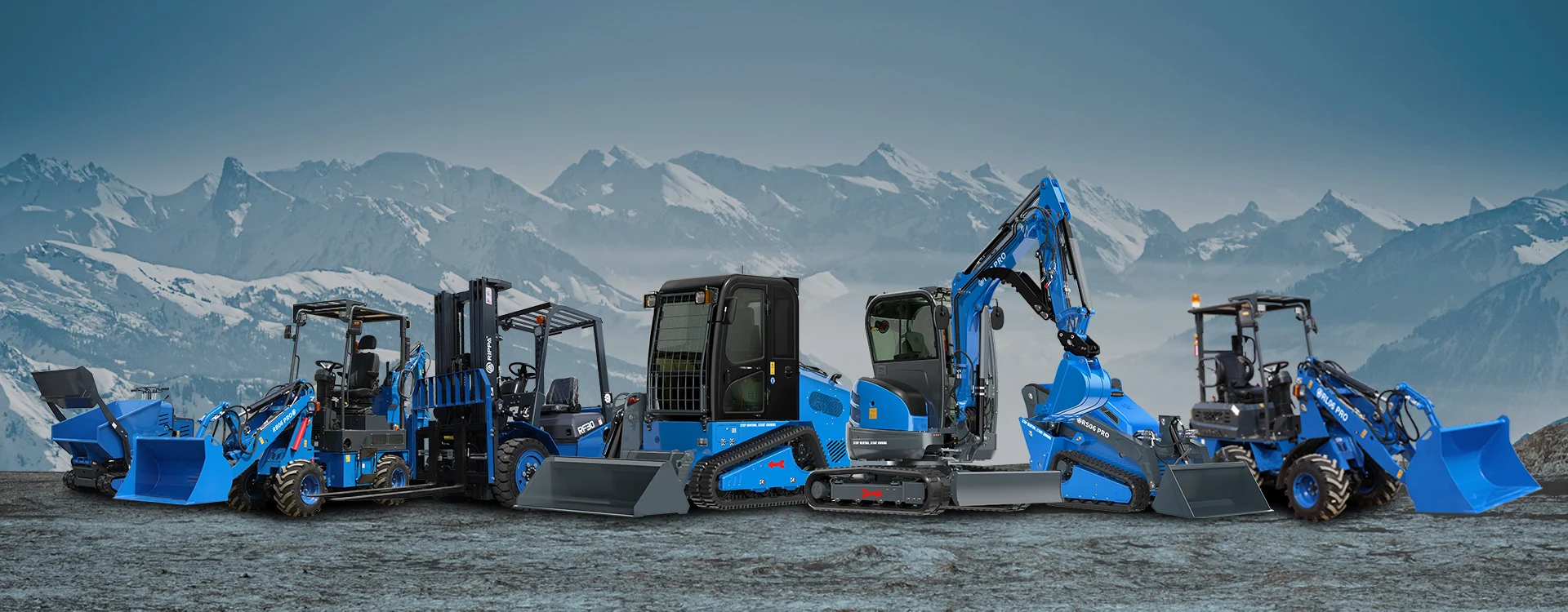
Mini skid steers for sale with compatible attachments can provide contractors and equipment dealers with a flexible solution for a range of compact work environments. Instead of relying on a single bucket for every task, operators may be able to use different tools for material handling, ground preparation, and other applications.
For equipment distributors, the key is to match the machine and attachment combination to actual customer requirements. Buying a larger attachment range does not automatically create more sales. Product compatibility, local demand, operating conditions, and support requirements should guide purchasing decisions.
1. Start With the Work the Machine Needs to Perform
Before selecting a mini skid steer, identify the primary applications it will handle.
Landscaping businesses may need equipment for moving soil, preparing planting areas, or handling materials. Construction contractors may focus on site preparation and material movement. Agricultural operators may need compact loaders for suitable tasks around farms and storage areas.
These applications have different requirements. A machine used mainly for light landscaping may not be the right choice for a customer handling heavier materials throughout the working day.
Dealers should ask potential buyers about their typical jobs, ground conditions, available access space, and expected operating hours.
This information helps narrow the machine selection before discussing optional attachments.
2. Buckets for General Material Handling
Buckets are among the most familiar tools used with compact loaders. Depending on the approved machine configuration, they can support tasks such as moving soil, mulch, gravel, and other suitable materials.
However, bucket selection involves more than width or capacity.
The machine must be suitable for the intended material and workload. Buyers should confirm the attachment’s mounting system, operating limits, and compatibility with the loader.
A bucket intended for one type of work may not be ideal for every other application. Distributors should ask suppliers for guidance on selecting an appropriate option.
For dealers, offering a clear explanation of bucket choices can help customers purchase equipment that better matches their daily tasks.
3. Pallet Forks for Material Movement
Pallet forks may be useful for businesses that regularly handle compatible palletized materials.
Potential applications include moving supplies around appropriate construction sites, handling packaged landscaping materials, and organizing goods in suitable storage areas.
Before recommending pallet forks, verify the machine’s rated operating capacity, attachment compatibility, load center, and applicable operating limitations.
The weight and distribution of a load can affect stability. Buyers should never assume that a loader can safely lift a load simply because the forks can physically accommodate it.
Dealers should provide accurate operating information and direct customers to the manufacturer’s instructions.\

4. Augers and Trenchers for Ground Work
Certain mini skid steer configurations can support hydraulic tools designed for specific ground preparation tasks.
Augers may be used to create holes for suitable landscaping or installation projects. Trenchers may be appropriate for particular ground-cutting applications, depending on the machine, attachment, soil conditions, and required trench dimensions.
These tools can expand the range of services a contractor offers, but compatibility is especially important.
Before recommending either attachment, verify hydraulic flow and pressure requirements, mounting arrangements, operating instructions, and the machine’s suitability for the intended work.
The attachment should be selected according to the job rather than added to a package simply to increase the number of available accessories.
5. Check Hydraulic and Mounting Compatibility
One of the most important steps when buying mini skid steers with attachments is confirming compatibility.
Different machines may use different mounting plates, hydraulic connections, and operating requirements. Similar-looking attachments are not necessarily interchangeable.
Ask the supplier to confirm compatibility in writing for the specific machine and attachment combination.
The purchasing documentation should identify the relevant configurations and any required connection components.
For wholesale buyers, this step is particularly important when purchasing several machines. Consistent compatibility information helps sales teams recommend the correct accessories and reduces the risk of ordering unsuitable equipment.
It can also simplify spare parts management and customer support.
6. Build Attachment Packages Around Customer Segments
Equipment dealers can organize product offerings around common applications instead of presenting buyers with an unstructured list of attachments.
For example, a landscaping package might focus on general material handling and selected ground preparation tools. A construction-oriented package may emphasize material movement and tools suitable for the contractor’s planned work.
Agricultural customers may have different priorities based on their land, materials, and operating environment.
Each package should clearly state what is included, which machine it fits, and what additional equipment may be required.
Dealers should avoid promising universal compatibility or performance. Clear descriptions help customers make informed decisions and reduce disputes after delivery.
7. Consider Maintenance and Replacement Parts
Attachments introduce additional maintenance and inspection requirements.
Customers should understand how to inspect mounting points, hydraulic connections, hoses, and other relevant components according to the manufacturer’s instructions.
Distributors should also determine whether replacement parts are available for commonly sold attachments and how quickly they can be supplied.
A useful after-sales process includes product identification, access to manuals, and a clear contact for technical questions.
These details can help dealers maintain customer confidence and encourage repeat purchases.
8. Calculate the Value of the Complete Package
When comparing mini skid steers for sale, evaluate the cost of the machine and required attachments together.
Consider the expected applications, compatibility, delivery expenses, maintenance requirements, and likely customer demand.
An attachment package is valuable when it helps the buyer complete suitable tasks more efficiently. Unnecessary tools can increase purchasing costs without contributing meaningful value.
For distributors, the best packages are usually those that solve identifiable customer problems and are straightforward to explain, stock, and support.
Conclusion
Selecting mini skid steers with attachments requires a clear understanding of the work being performed, the machine’s capabilities, and the compatibility requirements of each tool.
Equipment dealers can improve purchasing decisions by organizing offerings around customer applications, verifying technical requirements, and preparing appropriate after-sales support.
Looking for mini skid steers and compatible attachments? Provide your intended applications, preferred machine configuration, and required tools when requesting a quotation.
 Accueil
 Produits
 Courriel
 WhatsApp

