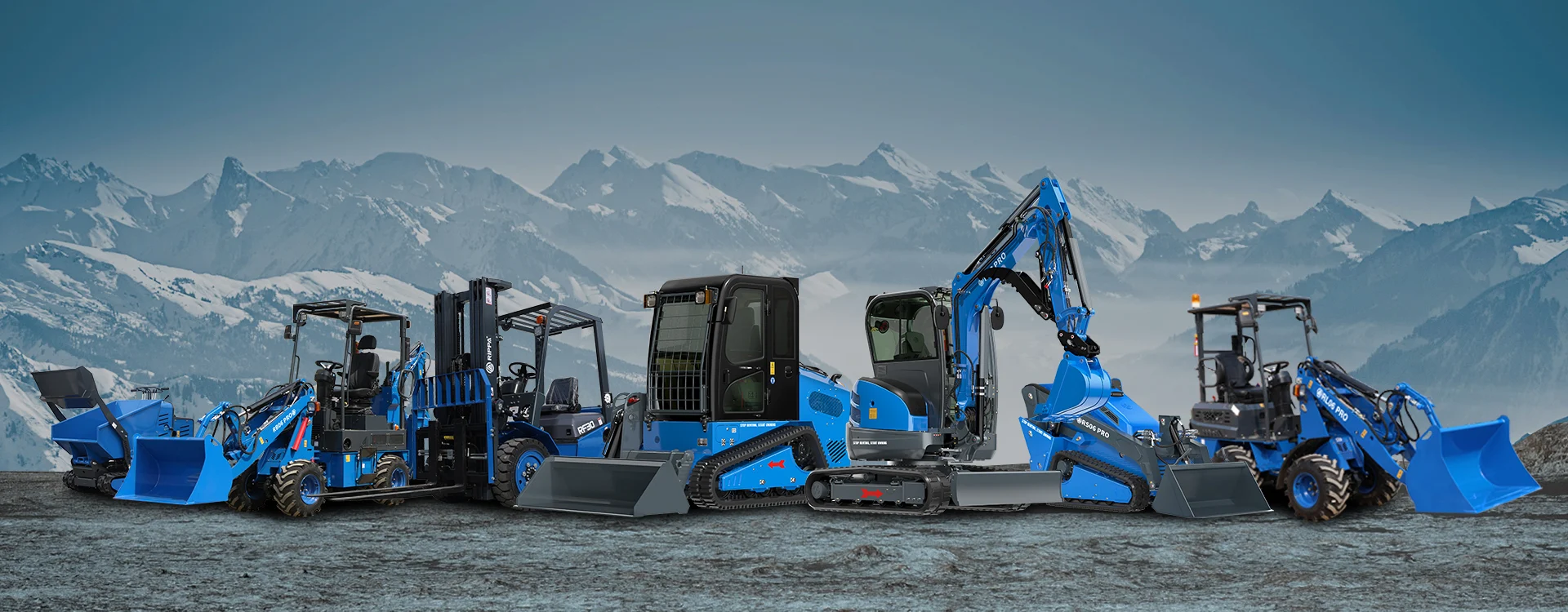
Purchasing a skid steer loader is a significant investment that can directly impact productivity, efficiency, and profitability. With numerous models, specifications, and attachment options available, selecting the right skid steer loader requires careful evaluation of your operational needs.
This comprehensive buying guide will help you identify the key factors to consider before making a purchase.
Determine Your Job Requirements
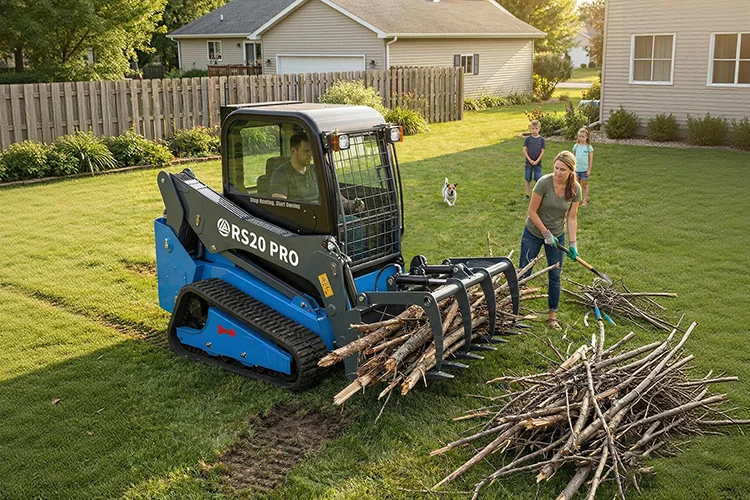
Before comparing models, assess the primary tasks the machine will perform.
Ask yourself:
- Will it be used for construction or agriculture?
- What materials will it handle?
- How often will it operate?
- What attachments will be required?
Understanding your application helps narrow down suitable options.
Evaluate Rated Operating Capacity (ROC)
Rated Operating Capacity is one of the most important specifications when choosing a skid steer loader.
Small Frame Models
- ROC: 1,200–1,750 lbs
- Ideal for landscaping and light-duty work
Medium Frame Models
- ROC: 1,750–2,200 lbs
- Suitable for general construction and agriculture
Large Frame Models
- ROC: 2,200 lbs and above
- Designed for heavy-duty industrial applications
Choose a machine with sufficient lifting capacity while avoiding unnecessary oversizing.
Consider Engine Power
Engine horsepower affects performance, hydraulic efficiency, and attachment compatibility.
General recommendations:
- 50–65 HP: Light-duty operations
- 65–85 HP: Versatile daily applications
- 85+ HP: Demanding construction and industrial projects
Higher horsepower supports more powerful hydraulic attachments.
Assess Hydraulic Flow Requirements
Many attachments rely heavily on hydraulic power.
Flux standard
Suitable for:
- Seaux
- Fourches
- Grappins
High Flow
Recommended for:
- Forestry cutters
- Souffleuses à neige
- Raboteuses à froid
- Heavy-duty trenchers
Ensure your skid steer loader matches the hydraulic demands of planned attachments.
Choose the Right Lift Path
Radial Lift
Best for:
- Creuser
- Excavating
- Ground-level tasks
Avantages :
- Lower cost
- Excellent mid-range reach
Vertical Lift
Best for:
- Loading trucks
- Material stacking
- Warehouse operations
Avantages :
- Greater lift height
- Improved load stability
Selecting the correct lift path enhances efficiency for specific applications.
Evaluate Operator Comfort
Operator productivity is influenced by comfort and ergonomics.
Cherchez :
- Sièges réglables
- Climate-controlled cab
- Reduced noise levels
- Commandes intuitives
- Excellente visibilité
Comfortable operators tend to work more efficiently and safely.
Consider Attachment Compatibility
A major advantage of skid steer loaders is attachment versatility.
Popular attachments include:
- Tarières
- Trancheurs
- Fourches à palettes
- Débroussailleuses
- Balayeuses
- Snow equipment
Verify compatibility and hydraulic requirements before purchase.
Compare Maintenance Requirements
Maintenance affects long-term ownership costs.
Key considerations:
- Service accessibility
- Disponibilité des pièces
- Soutien aux distributeurs
- Couverture de la garantie
- Rendement énergétique
Machines with simplified maintenance reduce downtime and repair expenses.
New vs. Used Skid Steer Loader
Buying New
Benefits:
- Manufacturer warranty
- Latest technology
- Maximum reliability
Buying Used
Benefits:
- Lower initial cost
- Faster return on investment
When purchasing used equipment, inspect:
- Engine condition
- Hydraulic performance
- Usure des pneus
- Service records
- Operating hours
A professional inspection is highly recommended.
Why Brand Reputation Matters
Leading manufacturers invest heavily in technology, durability, and dealer networks.
When comparing brands, evaluate:
- Customer reviews
- Valeur de revente
- Assistance technique
- Equipment reliability
- Availability of replacement parts
Strong brand support can significantly reduce ownership risks.
.webp)
Conclusion
Choosing the perfect skid steer loader requires balancing performance, capacity, budget, and future operational needs. By evaluating rated operating capacity, horsepower, hydraulic flow, lift design, operator comfort, and maintenance requirements, buyers can confidently invest in equipment that delivers long-term value.
A carefully selected skid steer loader will enhance productivity, improve job site efficiency, and provide years of reliable service across a wide range of applications.
 Accueil
 Produits
 Courriel
 WhatsApp

