When comparing skid steer loaders, buyers often encounter long specification sheets containing operating capacity, machine dimensions, engine information, hydraulic performance, and other technical details. However, not every specification has the same importance for every application.
For equipment dealers, construction contractors, and international buyers, understanding these specifications is essential to selecting a machine that matches actual working requirements.
Rather than comparing numbers individually, buyers should evaluate how different specifications influence machine suitability, operating conditions, and equipment selection.
1. Rated Operating Capacity and Lifting Requirements
Rated operating capacity is one of the most important specifications to review when purchasing a skid steer loader.
It provides information about the machine’s rated load-handling capability under specified conditions. However, buyers should not confuse rated operating capacity with the maximum load a machine can physically lift.
When comparing products, check:
- The manufacturer’s stated rated operating capacity
- The applicable testing or rating standard
- The intended material handling application
- Attachment weight and configuration
- Operating limitations and stability requirements
Different manufacturers may present capacity information using different standards. Buyers should confirm that the figures being compared are measured on a consistent basis.
For businesses handling palletized materials, soil, or other heavy loads, matching machine capacity to the intended task is especially important.
2. Machine Dimensions and Working Space
Machine dimensions directly affect where a skid steer loader can operate.
A machine may offer suitable working capabilities but still be unsuitable for a particular site if it cannot access the required areas.
Buyers should review:
Overall width: Important for narrow access routes, gates, and confined working spaces.
Overall height: Relevant when entering buildings, storage areas, or other locations with height restrictions.
Overall length: Influences transportation arrangements and available operating space.
Ground clearance: Helps buyers understand the machine’s clearance characteristics when working on different surfaces.
Turning dimensions: Useful when evaluating maneuverability in restricted areas.
Before purchasing, compare the machine dimensions with actual jobsite measurements. This is particularly important for contractors working in residential construction, landscaping, warehouses, and agricultural buildings.
3. Engine Information and Power Requirements
Engine specifications provide important information about the machine’s power system.
Buyers should review the engine manufacturer, engine model, rated output, applicable emissions information, and maintenance documentation.
However, engine power alone does not determine overall equipment performance.
Other factors, including hydraulic system design, machine weight, drivetrain configuration, and attachment requirements, also influence how a skid steer loader performs.
International buyers should pay attention to local regulatory requirements. Engine emissions and import requirements may differ between countries and markets.
Before placing an order, request the relevant engine documentation and confirm whether the selected configuration meets the requirements of the destination market.
4. Hydraulic Performance and Attachment Requirements
Hydraulic performance is important when a skid steer loader will operate powered attachments.
Different tools may require different hydraulic flow and pressure levels. Buyers should compare the machine’s hydraulic specifications with the requirements of the intended attachment.
Important details include:
- Standard hydraulic flow
- Auxiliary hydraulic connections
- Hydraulic pressure specifications
- Additional hydraulic functions, if available
- Attachment control arrangements
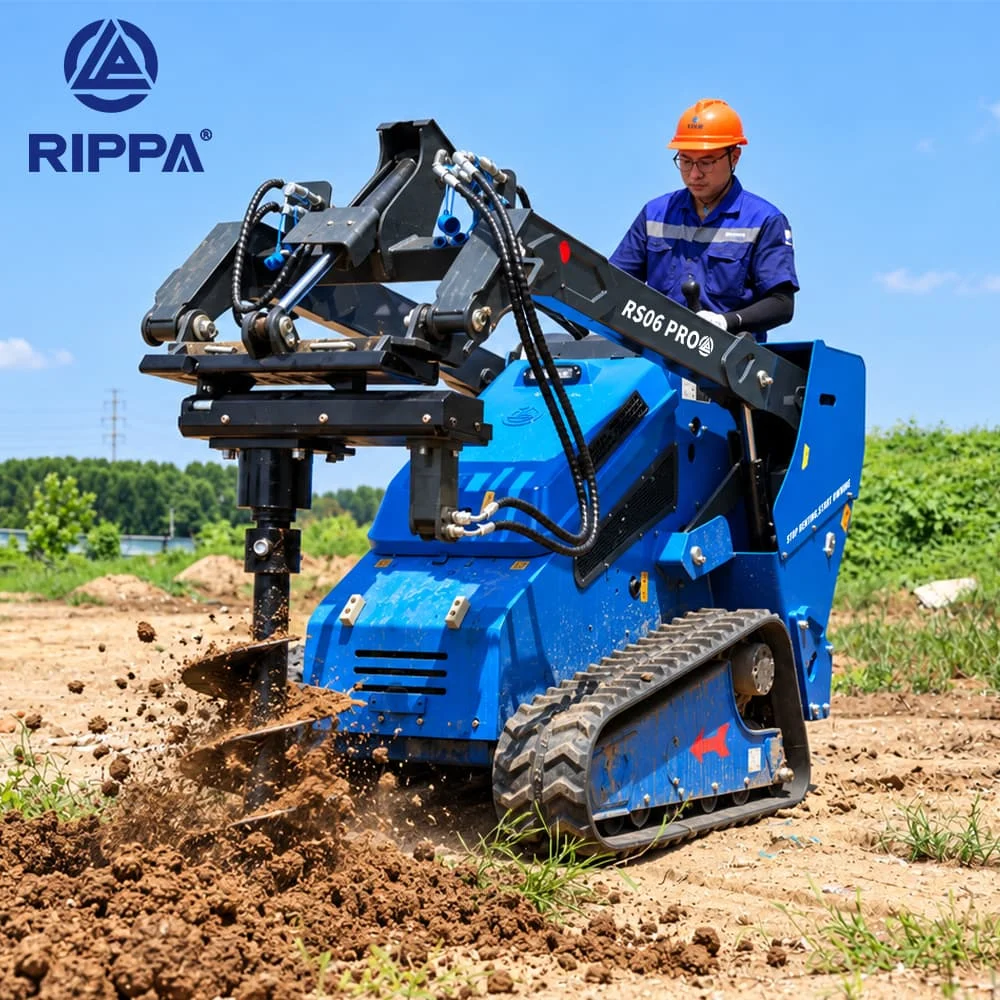
For example, certain augers, trenchers, and grapples rely on hydraulic power to perform their intended functions.
Buyers should confirm compatibility using the technical documentation for both the machine and the attachment. A physical mounting connection alone does not guarantee that the hydraulic system is suitable.
5. Operating Weight and Transportation Considerations
Operating weight is another specification that should be considered before purchasing.
It can influence transportation arrangements, loading procedures, ground conditions, and the overall handling of the equipment.
For international buyers, machine weight is also relevant when planning shipping and import logistics.
When comparing different skid steer loaders, check whether the published weight includes the same components and configuration. Differences in attachments, optional equipment, and machine setup can affect the final figure.
Buyers should also confirm transportation dimensions and any preparation requirements with the manufacturer before arranging shipment.
6. Cab Design, Controls, and Operator Environment
The operator environment influences how the equipment fits into daily business operations.
When evaluating a skid steer loader, buyers should review:
- Operator entry and exit arrangements
- Visibility from the operating position
- Control layout
- Seating and operator comfort
- Instrument display and warning information
- Available cab or canopy configurations
Different operators may have different preferences, so product demonstrations and clear operating documentation can help buyers evaluate these features.
For dealers, providing accurate information about cab options and control configurations can also make product comparisons easier for potential customers.
7. Compare Complete Specifications Instead of Individual Numbers
A common purchasing mistake is selecting equipment based on one attractive specification.
For example, a higher rated operating capacity does not automatically make a machine more suitable for every job. Dimensions, hydraulic requirements, operating weight, and local regulations must also be considered.
A useful comparison checklist includes:
| Specification | What Buyers Should Evaluate |
|---|---|
| Rated operating capacity | Suitability for intended loads |
| Machine dimensions | Access and working space |
| Engine information | Power system and local requirements |
| Hydraulic performance | Compatibility with powered attachments |
| Operating weight | Transportation and site conditions |
| Cab and controls | Operator requirements |
| Maintenance information | Long-term equipment management |
When comparing suppliers, make sure each quotation refers to the same configuration. Ask manufacturers to clarify any specifications that are missing or presented differently.
8. Questions to Ask the Manufacturer
Before confirming an order, international buyers should request a complete specification sheet and verify the following:
- Are the published specifications for the exact model being quoted?
- Which configurations and optional features are available?
- What standards are used for rated operating capacity?
- Which attachments are compatible?
- Are engine and emissions documents available for the destination market?
- Are operating manuals and maintenance instructions provided?
- How can replacement parts be identified and ordered?
Clear technical communication helps reduce uncertainty and makes it easier to compare equipment from different manufacturers.
Frequently Asked Questions
Which skid steer loader specification is most important?
There is no single specification that matters most in every situation. Buyers should prioritize operating capacity, dimensions, hydraulic performance, and engine information according to their intended applications.
What is the difference between rated operating capacity and lifting capacity?
Rated operating capacity is a defined rating under specified conditions. It should not be treated as the machine’s maximum physical lifting capability. Buyers should check the manufacturer’s definitions and applicable standards.
Why are skid steer loader dimensions important?
Dimensions determine whether the machine can access restricted areas, operate within available space, and meet transportation requirements.
Should buyers compare engine power when selecting a skid steer loader?
Yes, but engine power should be evaluated alongside hydraulic performance, machine configuration, operating capacity, and intended applications.
Conclusion
Evaluating skid steer loader specifications requires more than comparing figures on product pages. Buyers should understand how operating capacity, dimensions, engine information, hydraulic performance, operating weight, and operator environment relate to their actual requirements.
For international equipment buyers and distributors, requesting complete and model-specific documentation from the manufacturer is an important step toward making an informed purchasing decision.
 Home
 Products
 Email
 WhatsApp

