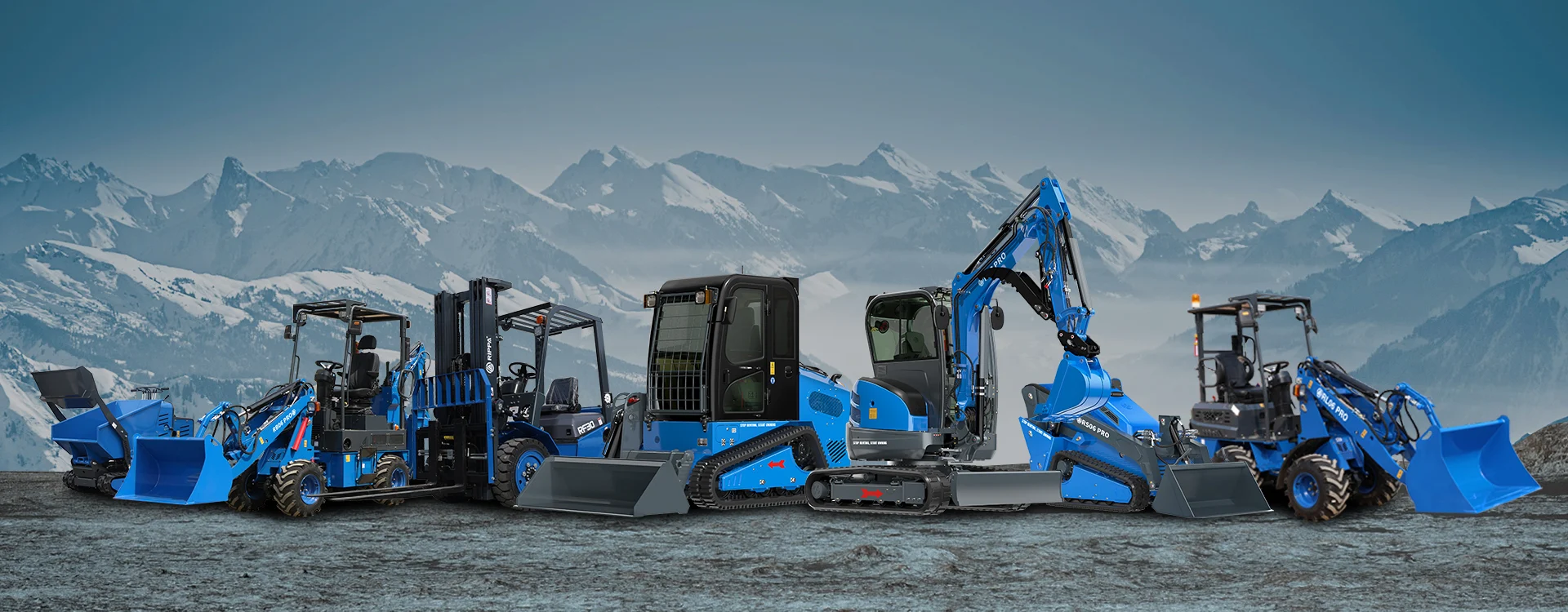
In the world of heavy construction equipment, few machines are as versatile and essential as the chargeuse sur pneus. From loading aggregate materials on construction sites to clearing snow from roads and transporting bulk materials in mining operations, wheel loaders play a critical role in improving efficiency and productivity.
As infrastructure development continues to grow worldwide, contractors, fleet managers, and equipment operators increasingly rely on wheel loaders for their flexibility, power, and cost-effectiveness. Understanding the different types of construction loaders and their applications can help businesses select the right machine for specific jobsite requirements.
This comprehensive guide explores the various types of wheel loaders, their components, applications, benefits, and best practices for maximizing performance.
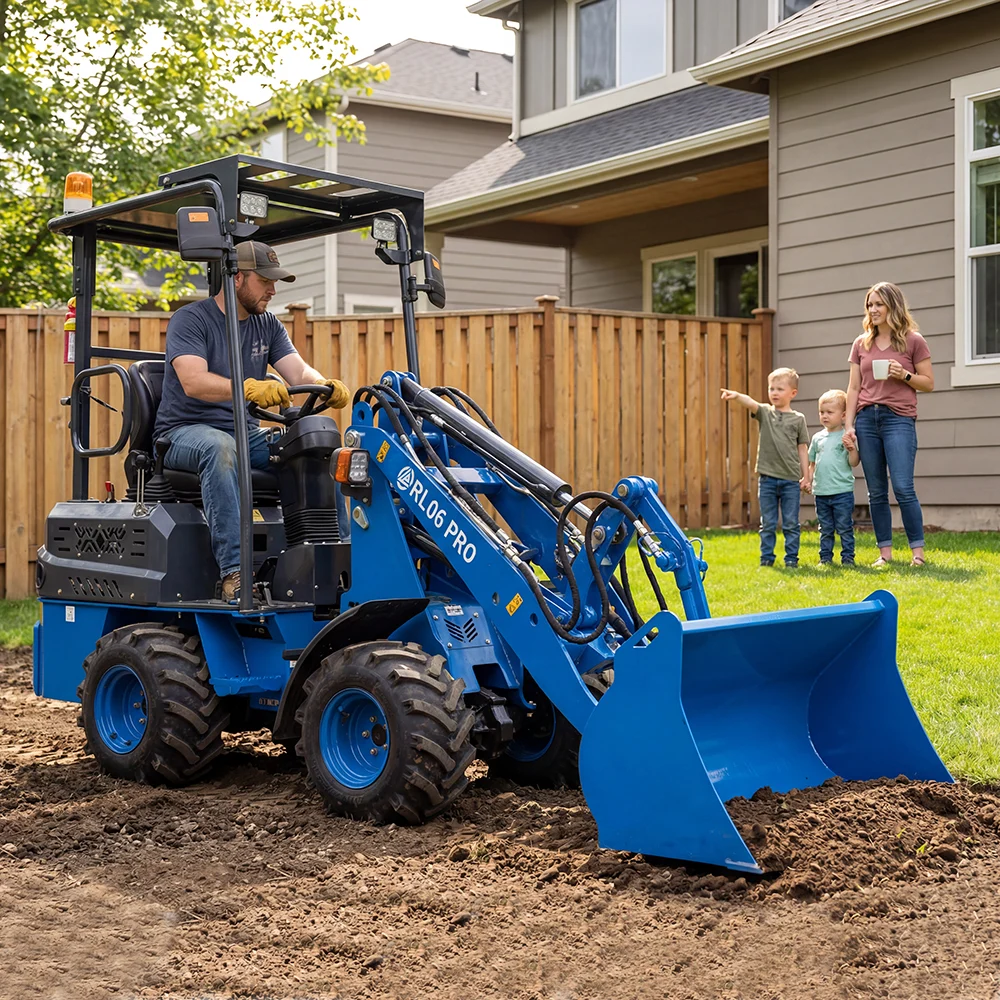
Qu'est-ce qu'une chargeuse sur pneus ?
A chargeuse sur pneus, also known as a front-end loader or bucket loader, is a heavy-duty machine designed to scoop, carry, and load materials using a front-mounted bucket attached to hydraulic arms.
Unlike tracked loaders, wheel loaders operate on tires, allowing them to travel faster and move efficiently across construction sites, roads, and industrial facilities.
Primary Functions of a Wheel Loader
- Loading trucks
- Moving construction materials
- Transporting aggregate
- Stockpile management
- Nettoyage du site
- Déneigement
- Manutention
Modern wheel loaders are equipped with advanced hydraulic systems, fuel-efficient engines, ergonomic operator cabins, and intelligent monitoring technologies.
Understanding the Different Types of Wheel Loaders
Choosing the right wheel loader starts with understanding the various categories available.
Compact Wheel Loaders
Compact wheel loaders are designed for confined spaces and smaller projects.
Best Applications
- Aménagement paysager
- Residential construction
- Agriculture
- Entretien municipal
- Property management
Advantages
- Excellente maniabilité
- Réduction des coûts d'exploitation
- Facilité de transport
- Réduction de la consommation de carburant
Compact wheel loaders typically feature operating weights below 15,000 lbs and bucket capacities ranging from 0.5 to 2 cubic yards.
Small Wheel Loaders
Small wheel loaders bridge the gap between compact and medium-sized equipment.
Common Uses
- Utility projects
- Farm operations
- Construction légère
- Transport de matériaux
Contractors often choose small wheel loaders because they provide higher lift capacities while remaining versatile and economical.
Medium Wheel Loaders
Medium wheel loaders represent the most commonly used category in commercial construction.
Suitable Industries
- Construction routière
- Projets d'infrastructure
- Aggregate production
- Industrial facilities
Key Benefits
- Greater bucket capacity
- Increased horsepower
- Improved productivity
- Better lifting performance
These machines typically offer operating weights between 20,000 and 40,000 lbs.
Large Wheel Loaders
Large wheel loaders are built for demanding applications where maximum production is essential.
Industries Served
- Exploitation minière
- Exploitation de carrières
- Port operations
- Heavy earthmoving
Features
- Large bucket capacities
- Powerful engines
- High breakout force
- Enhanced durability
Some mining wheel loaders can move over 30 tons of material in a single cycle.
Key Components of a Wheel Loader
Understanding wheel loader components helps operators improve maintenance and operational efficiency.
Engine System
The engine powers both machine movement and hydraulic operations.
Modern wheel loaders often include:
- Turbocharged diesel engines
- Electronic fuel injection
- Emission-control systems
- Automatic idle management
These technologies improve fuel efficiency while complying with environmental regulations.
Système hydraulique
The hydraulic system controls:
- Bucket lift
- Bucket tilt
- Attachment functions
A high-performance hydraulic system enables faster cycle times and improved material handling capabilities.
Loader Arms
Loader arms connect the bucket to the machine and provide lifting power.
Manufacturers design loader arms to withstand heavy loads and repetitive stress while maintaining stability.
Seau
The bucket is the primary working attachment.
Common Bucket Types
Godet à usage général
Suitable for:
- Sable
- Sol
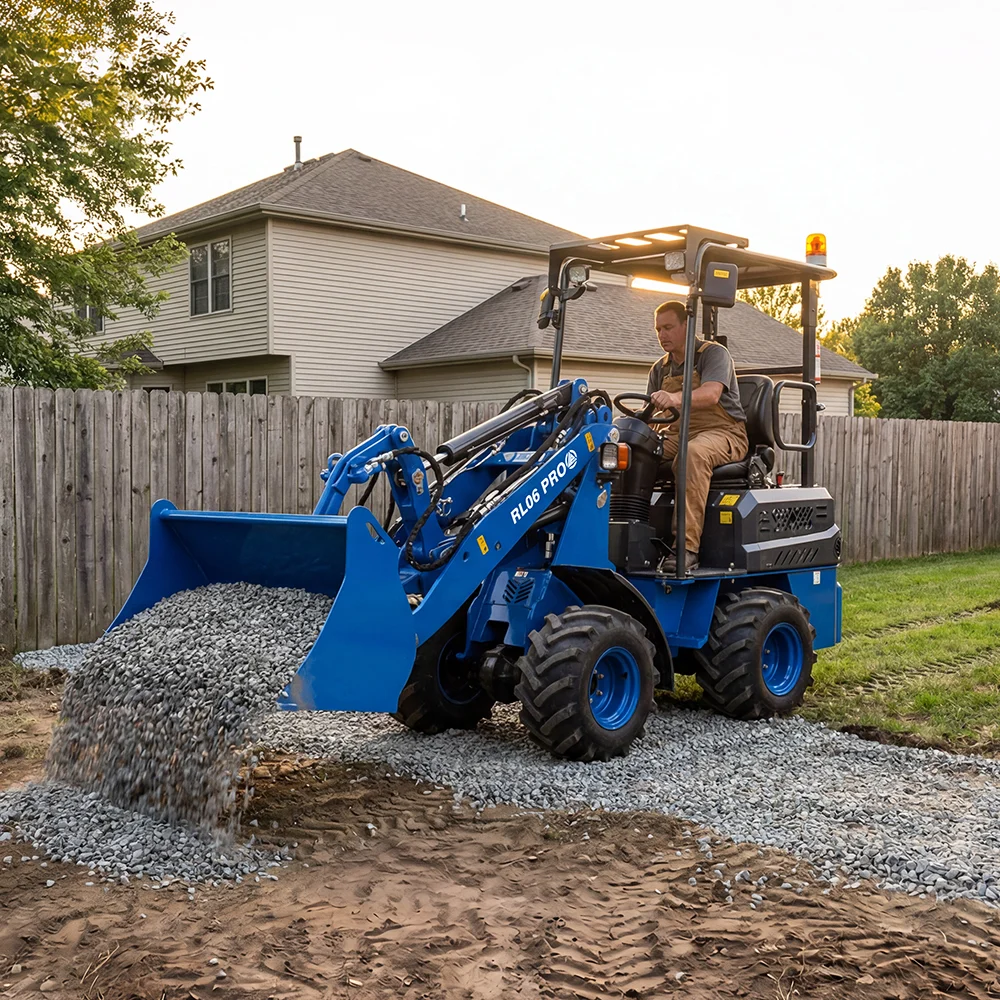
- Gravier
- Total
Rock Bucket
Conçu pour :
- Exploitation minière
- Quarry applications
- Heavy materials
High-Dump Bucket
Idéal pour :
- Truck loading
- Waste management
- Bulk material transfer
Tires and Axles
Heavy-duty tires provide:
- Stability
- Traction
- Load-bearing capability
Wheel loaders often operate in harsh conditions, making tire selection and maintenance critical.
Operator Cabin
Modern wheel loader cabins focus on safety and comfort.
Common features include:
- Climatisation
- Sièges réglables
- Touchscreen displays
- Rearview cameras
- Joystick controls
- Noise reduction technology
Major Applications of Wheel Loaders
Construction Industry
Wheel loaders are indispensable on construction sites.
Typical Tasks
- Loading dump trucks
- Nivellement du terrain
- Transport de matériaux
- Debris removal
Their ability to quickly move large volumes of material helps keep projects on schedule.
Mining Operations
Mining companies use wheel loaders for:
- Loading haul trucks
- Transporting blasted rock
- Stockpile management
Large wheel loaders significantly improve mine productivity.
Quarry Operations
In aggregate production facilities, wheel loaders handle:
- Crushed stone
- Sable
- Gravier
- Recycled materials
Their durability makes them ideal for continuous operation.
Agriculture
Farmers use wheel loaders to:
- Move feed
- Load grain
- Handle hay bales
- Clean livestock facilities
Attachment versatility makes them valuable year-round.
Waste and Recycling
Recycling facilities depend on wheel loaders for:
- Tri des matériaux
- Waste transport
- Bulk loading
Specialized attachments improve efficiency in handling diverse materials.
Accessoires pour chargeuses sur pneus
One of the biggest advantages of wheel loaders is attachment compatibility.
Fourches à palettes
Used for:
- Warehouse operations
- Construction materials
- Logistics centers
Grappins
Perfect for:
- Forestry work
- Recycling operations
- Scrap handling
Snow Pushers
Ideal for winter maintenance projects.
Common Snow Removal Locations
- Airports
- Commercial parking lots
- Municipal roads
- Industrial facilities
Balayeuses
Used to clean:
- Streets
- Chantiers de construction
- Parking lots
Advantages of Wheel Loaders
Increased Productivity
Wheel loaders can move large quantities of material quickly, reducing project timelines.
Exceptional Mobility
Compared to tracked equipment, wheel loaders travel faster between work areas.
Polyvalence
Multiple attachment options allow a single machine to perform various tasks.
Lower Operating Costs
Les chargeuses sur pneus modernes présentent les caractéristiques suivantes :
- Fuel-efficient engines
- Reduced maintenance requirements
- Longer service intervals
Improved Operator Comfort
Comfortable operators remain productive throughout long work shifts.
Safety Tips for Wheel Loader Operators
Safety should always be a priority.
Conduct Daily Inspections
Inspect:
- Flexibles hydrauliques
- Tires
- Brakes
- Steering systems
- Fluid levels
Maintain Visibility
Always ensure:
- Mirrors are adjusted
- Cameras are functioning
- Windows remain clean
Avoid Overloading
Exceeding rated capacities can:
- Damage equipment
- Cause tipping accidents
- Reduce machine lifespan
Always follow manufacturer guidelines.
Wear Appropriate PPE
Recommended equipment includes:
- Hard hats
- Safety glasses
- Reflective clothing
- Steel-toe boots
Future Trends in Wheel Loader Technology
The wheel loader industry is rapidly evolving.
Electric Wheel Loaders
Electric models offer:
- Zero emissions
- Réduction des coûts d'exploitation
- Reduced noise levels
They are becoming increasingly popular in urban projects.
Telematics Integration
Advanced telematics systems provide:
- Real-time machine monitoring
- Predictive maintenance alerts
- Fuel consumption tracking
- Fleet optimization data
Autonomous Operation
Manufacturers are investing heavily in:
- Semi-autonomous loading
- Remote operation
- AI-assisted machine control
These technologies improve productivity and enhance safety.
Conclusion
Wheel loaders remain one of the most valuable pieces of equipment in construction, mining, agriculture, recycling, and snow removal industries. Understanding the different types of construction loaders allows businesses to select equipment that matches operational requirements while maximizing productivity and return on investment.
Whether you need a compact wheel loader for landscaping projects or a large mining loader for high-production environments, investing in the right machine can significantly improve efficiency and profitability. As electric powertrains, telematics, and autonomous technologies continue to develop, wheel loaders will remain at the forefront of modern material handling solutions.
 Accueil
 Produits
 Courriel
 WhatsApp

