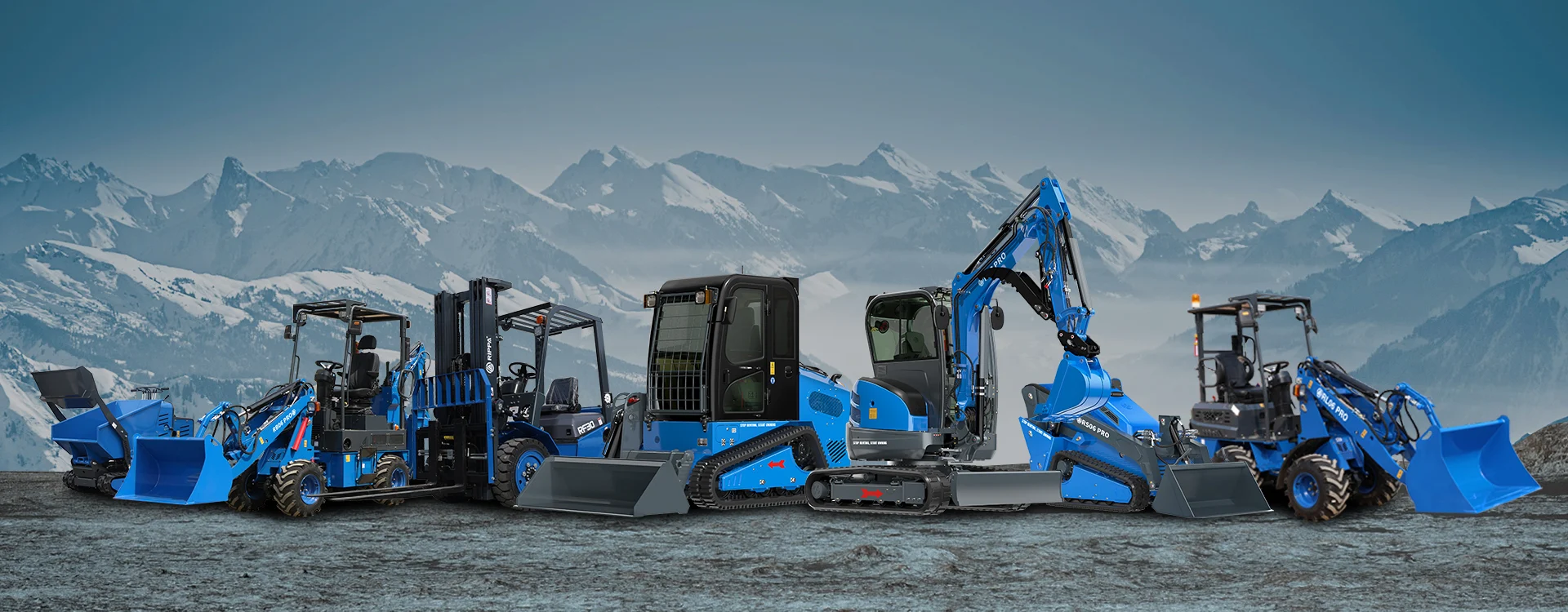
Choosing the right mini skid steer loader can improve construction efficiency, reduce labor costs, and increase project profitability. With many models available on the market, buyers should carefully evaluate machine performance, hydraulic capabilities, and attachment compatibility before making a purchase.
Understand Your Job Requirements
Before buying a mini skid steer loader, determine the primary applications for the machine.
Common uses include:
- Landscaping
- Material transportation
- Trenching
- Demolition
- Farming
- Snow removal
Different tasks require different lifting capacities and hydraulic performance levels.
Evaluate Engine Power
Engine power directly affects machine productivity. A high-quality diesel engine delivers:
- Better fuel efficiency
- Longer service life
- Stable performance
- Reduced maintenance costs
Many contractors prefer reliable engine brands for long-term durability.
Check Hydraulic Performance
Hydraulic flow is one of the most important specifications when selecting a mini skid steer loader.
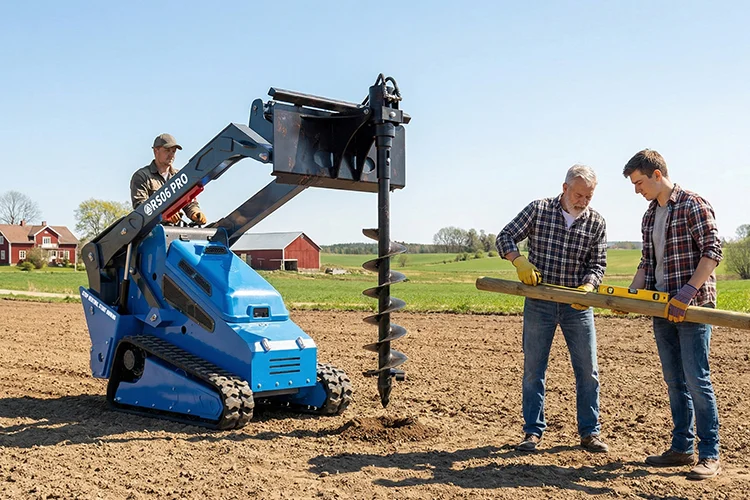
Higher hydraulic flow improves attachment performance for tools such as:
- Augers
- Trenchers
- Hydraulic hammers
- Sweepers
If you plan to use multiple attachments, choose a machine with a strong auxiliary hydraulic system.
Consider Operating Capacity
Operating capacity determines how much weight the loader can safely handle.
For light-duty landscaping work, smaller models may be sufficient. For construction and material handling, higher lifting capacities are recommended.
Choose Between Wheels and Tracks
Wheeled Mini Skid Steers
Advantages include:
- Faster travel speed
- Lower maintenance cost
- Better performance on concrete surfaces
Tracked Mini Skid Steers
Advantages include:
- Better traction
- Reduced ground pressure
- Improved stability on muddy terrain
Choose based on your typical job site conditions.
Analyze Attachment Compatibility
A versatile mini skid steer loader should support various attachments. Multi-purpose machines provide greater return on investment because they can perform multiple tasks with one machine.
Popular attachments include:
- Buckets
- Forks
- Grapples
- Trenchers
- Brush cutters
- Snow blades
Focus on Operator Comfort
Modern mini skid steer loaders often feature:
- Ergonomic controls
- Improved visibility
- Ride-on platforms
- Easy maintenance access
Comfortable operation improves productivity and reduces operator fatigue.
Compare Maintenance and Service Support
Before purchasing, evaluate the supplier’s after-sales service capabilities.
A good manufacturer should provide:
- Spare parts availability
- Technical support
- Warranty coverage
- Fast shipping services
Reliable service support minimizes downtime and protects your investment.
Consider Long-Term Costs
Do not focus only on the initial purchase price. Evaluate total ownership costs, including:
- Fuel consumption
- Maintenance expenses
- Repair costs
- Resale value
Sometimes a slightly more expensive machine offers lower long-term operating costs.
Buy From a Trusted Manufacturer
Professional construction equipment manufacturers typically offer better:
- Product quality
- Quality control
- Global certifications
- OEM customization
- Dealer support programs
Working with an experienced supplier ensures more stable equipment performance.
Conclusion
Choosing the right mini skid steer loader requires balancing performance, hydraulic power, operating capacity, and long-term reliability. By carefully analyzing your project requirements and supplier support, you can select a machine that delivers high efficiency and strong return on investment for years to come.
 Home
Home
 Products
 Email
Email
 WhatsApp

