Choosing a skid steer loader dealer is not only a product decision. For equipment businesses, the stronger opportunity comes from a dealer program that supports local sales, parts supply, technical service and repeat orders. Before signing an agreement, distributors should examine how the manufacturer will help them build a sustainable regional market.
What a Professional Skid Steer Dealership Needs
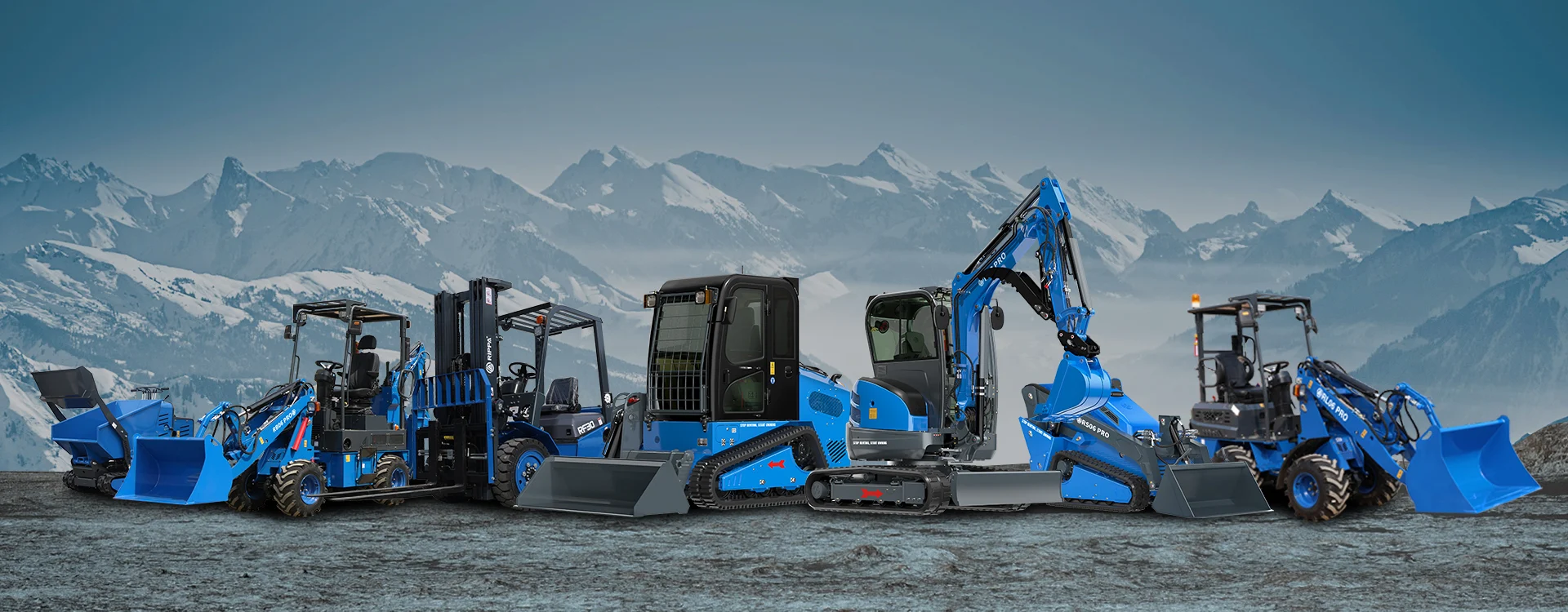
A reliable skid steer dealership needs more than competitive purchase prices. Dealers must be able to recommend the right machine for construction, landscaping, farming, material handling and rental applications. A useful product range should cover different machine sizes and allow buyers to select suitable buckets, forks, trenchers, augers and other attachments.
Product documents are equally important. Manuals, maintenance guidance, sales materials and clear model information help a dealer answer customer questions accurately. Before placing an order, confirm which configurations, attachments and compliance documents are available for the destination market. Requirements differ by country, so approval should always be checked for the selected machine rather than assumed for an entire product line.
Evaluate the Skid Steer Dealer Program
A practical skid steer dealer program should define the commercial relationship clearly. Ask about minimum order quantities, trial-order options, territory arrangements, production lead times, payment terms and warranty procedures. If regional protection is offered, understand the sales targets and service obligations connected to it.
After-sales capacity often determines whether a new dealership earns repeat business. Review the supplier’s spare-parts process, response channels and technical support. Common service items should be identifiable and easy to reorder. Dealers should also know how warranty claims are documented, who approves them and how replacement parts are shipped. These details are more valuable than a broad promise of “full support.”
Dealer or Skid Steer Loader Distributor?
A dealer may focus on retail sales and local service, while a skid steer loader distributor may manage inventory, sub-dealers or a wider territory. The right structure depends on market size, working capital and service coverage.
New partners can begin with a focused model mix, study local attachment demand and expand inventory after real sales data becomes available. This approach reduces inventory pressure while allowing the dealer to identify the configurations most suitable for local customers.
RIPPA works with equipment businesses seeking skid steer and mini skid steer opportunities in their markets. Prospective partners can discuss product selection, order planning, branding requirements, parts support and regional cooperation before committing to volume. A strong skid steer loader dealer relationship begins with clear terms, realistic inventory planning and a service system customers can trust.
 Home
Home
 Products
 Email
Email
 WhatsApp

