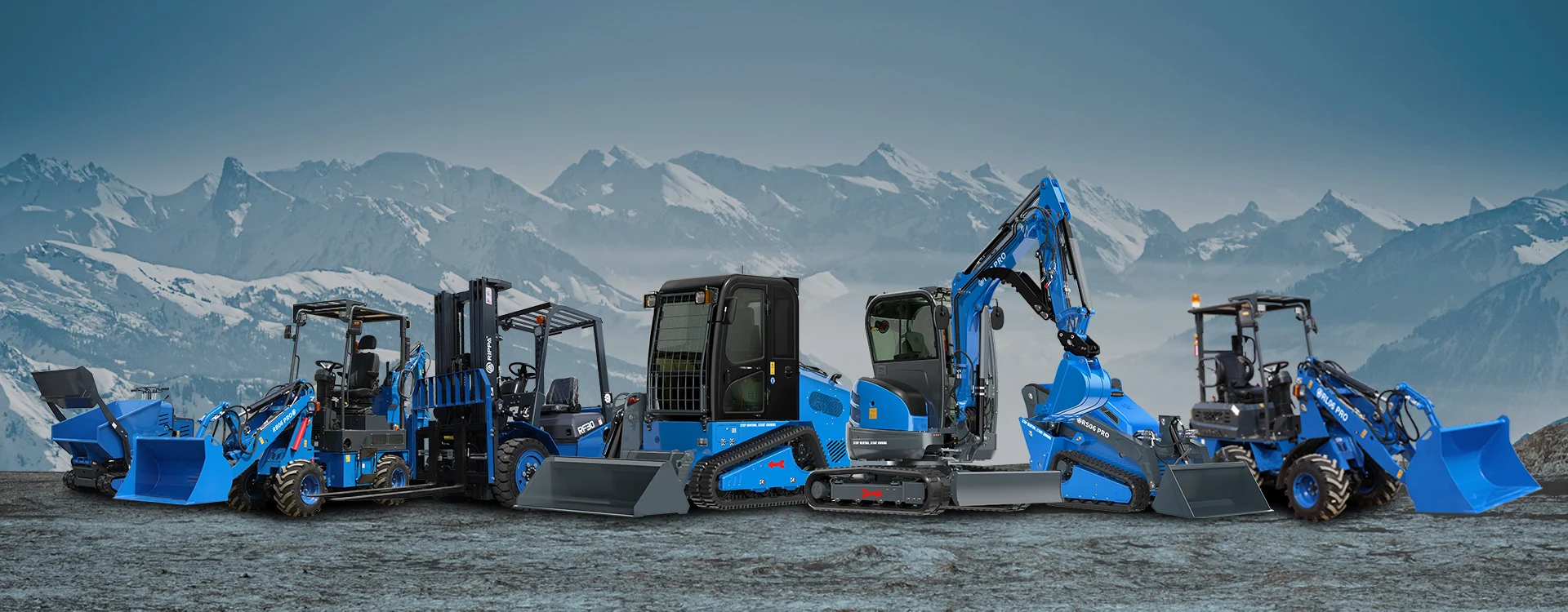
How to Choose the Right Chinese Skid Steer Loader Configuration for Your Business
Choosing a Chinese skid steer loader involves more than selecting a machine based on its appearance or purchase price. Different working environments require different equipment configurations, and the right choice depends on jobsite conditions, material handling requirements, attachment compatibility, and daily workloads.
For international importers, contractors, and equipment distributors, understanding these differences before purchasing can help avoid selecting equipment that does not match customer expectations.
This guide explains the main factors buyers should consider when comparing Chinese skid steer loader configurations.
1. Start with the Intended Working Environment
The working environment should be one of the first considerations when selecting a skid steer loader.
A machine operating mainly on paved construction sites may have different requirements from one used on soft ground, agricultural properties, or landscaping projects.
Consider the following conditions:
- Hard surfaces such as concrete and asphalt
- Loose materials such as gravel and sand
- Soft or muddy ground
- Uneven outdoor working areas
- Restricted spaces and narrow access routes
Understanding the ground conditions helps buyers evaluate whether a wheeled or tracked configuration is more appropriate.
2. Wheeled vs. Tracked Chinese Skid Steer Loaders
One important purchasing decision is choosing between wheeled and tracked equipment.
Wheeled Skid Steer Loaders
Wheeled skid steer loaders are commonly considered for paved surfaces, concrete areas, and general material handling.
Potential applications include:
- Construction site material movement
- Warehouse and yard operations
- Paved property maintenance
- Loading and unloading materials
Buyers should evaluate tire selection, ground conditions, maneuverability, and maintenance requirements.
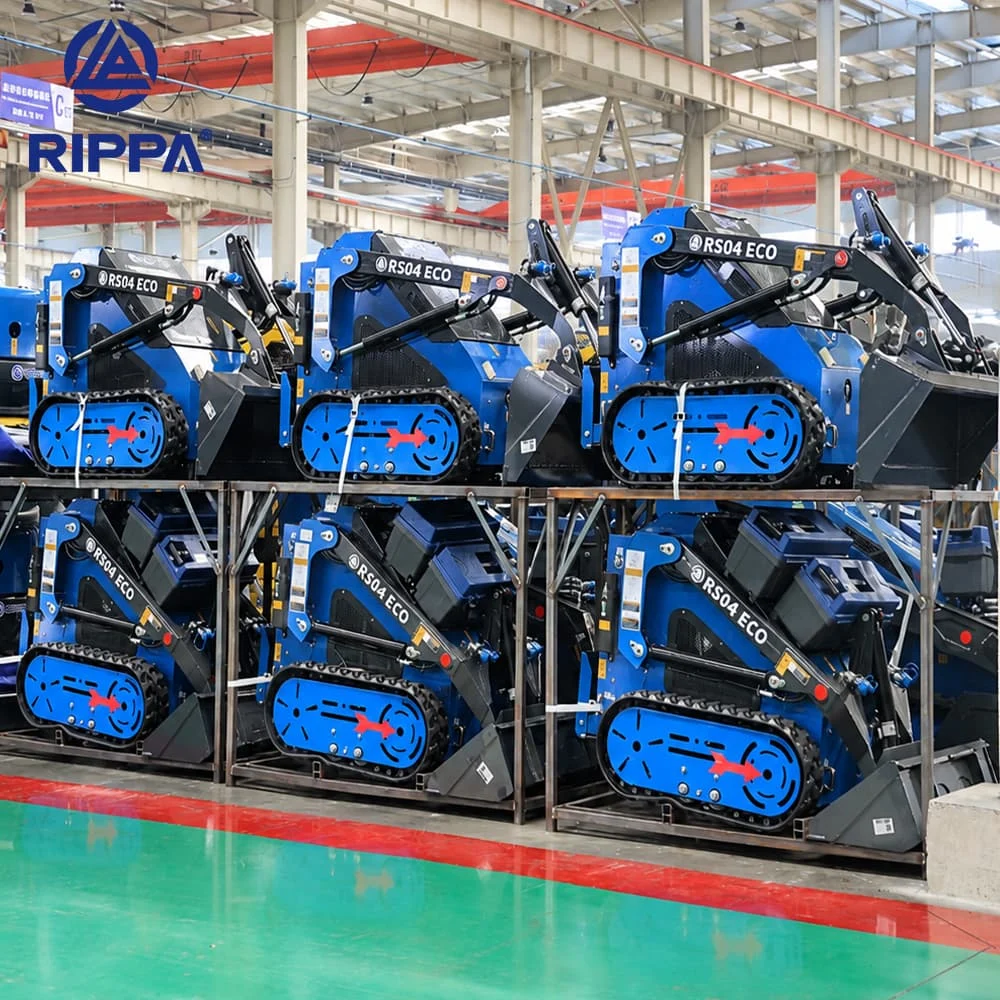
Tracked Skid Steer Loaders
Tracked configurations may be considered for applications involving softer or more challenging ground conditions.
Potential applications include:
- Landscaping projects
- Soil preparation
- Uneven outdoor working areas
- Certain agricultural applications
Ground pressure, track maintenance, surface conditions, and transportation requirements should all be considered.
Neither configuration is universally better. The correct choice depends on where and how the equipment will operate.
3. Match Machine Capacity to Daily Tasks
Machine capacity should reflect the materials and workloads involved in daily operations.
Buyers should consider:
- Types of materials being handled
- Typical material weights
- Loading and unloading frequency
- Working space limitations
- Required lifting and carrying tasks
- Expected operating hours
For example, a contractor handling light landscaping materials may have different requirements from a business regularly moving heavy construction materials.
Rather than selecting equipment based on a single specification, buyers should evaluate the complete machine configuration and confirm that it matches the intended application.
4. Select Attachments Based on Actual Work Requirements
Attachments can expand the range of tasks a skid steer loader performs.
However, purchasing a large attachment package without understanding customer requirements may increase costs unnecessarily.
Common attachment categories include:
| Attachment | Typical application |
|---|---|
| General-purpose bucket | Moving soil, gravel, and loose materials |
| Pallet forks | Handling palletized goods |
| Grapple | Collecting branches and irregular materials |
| Auger | Suitable drilling applications |
| Trencher | Certain ground excavation tasks |
| Sweeper | Cleaning compatible paved surfaces |
Before ordering, confirm the attachment mounting system, hydraulic requirements, and compatibility with the selected machine.
For equipment distributors, it is useful to identify which attachments are most relevant to local customers rather than offering every available option.
5. Consider Operator Comfort and Control Requirements
Operator experience can influence productivity and equipment usability.
When comparing Chinese skid steer loader configurations, buyers should examine the operator station and control arrangement.
Consider:
- Visibility from the operating position
- Seat design and adjustment
- Control layout
- Cab access
- Weather protection
- Ease of routine inspection
Different customers may have different preferences depending on working conditions and operating schedules.
For distributors, explaining available operator station options can help customers compare configurations more effectively.
6. Check Maintenance Accessibility Before Purchasing
Maintenance requirements should be considered before selecting equipment, not only after delivery.
Buyers should ask manufacturers about access to routine service points, maintenance documentation, replacement parts, and recommended inspection procedures.
Important areas to review include:
- Engine service access
- Hydraulic system inspection
- Cooling system maintenance
- Tire or track inspection
- Filter replacement
- Routine lubrication
A configuration that is convenient to inspect and maintain can make daily equipment management easier.
Overseas dealers should also understand how replacement parts are identified and ordered.
7. Create a Configuration Checklist for Suppliers
Before requesting a quotation, prepare a clear list of requirements.
A useful checklist includes:
- Intended working applications.
- Main jobsite ground conditions.
- Preferred wheeled or tracked configuration.
- Required machine capacity and dimensions.
- Operator station preferences.
- Required attachments.
- Destination market and applicable compliance requirements.
- Maintenance and replacement parts expectations.
Providing this information helps manufacturers understand the actual purchasing requirements and prepare a more relevant proposal.
FAQ: Chinese Skid Steer Loader Configuration
What is the difference between wheeled and tracked skid steer loaders?
Wheeled machines are commonly considered for paved and firm surfaces, while tracked configurations may be more suitable for certain soft-ground and uneven-terrain applications. The correct choice depends on site conditions.
How do I choose the right skid steer loader configuration?
Start with the intended applications, ground conditions, materials, operating requirements, and compatible attachments. Compare the complete configuration rather than focusing on one specification.
Which attachments should I purchase with a skid steer loader?
The selection depends on the work being performed. Buckets, pallet forks, grapples, augers, and other compatible attachments may be considered according to customer requirements.
Why should buyers check maintenance accessibility?
Routine inspection and servicing are part of equipment ownership. Understanding maintenance access and parts arrangements before purchasing can help reduce operational uncertainty.
Can a Chinese skid steer loader be configured for different applications?
Available configurations and options vary by manufacturer and model. Buyers should confirm the actual options and attachment compatibility directly with the supplier.
Conclusion
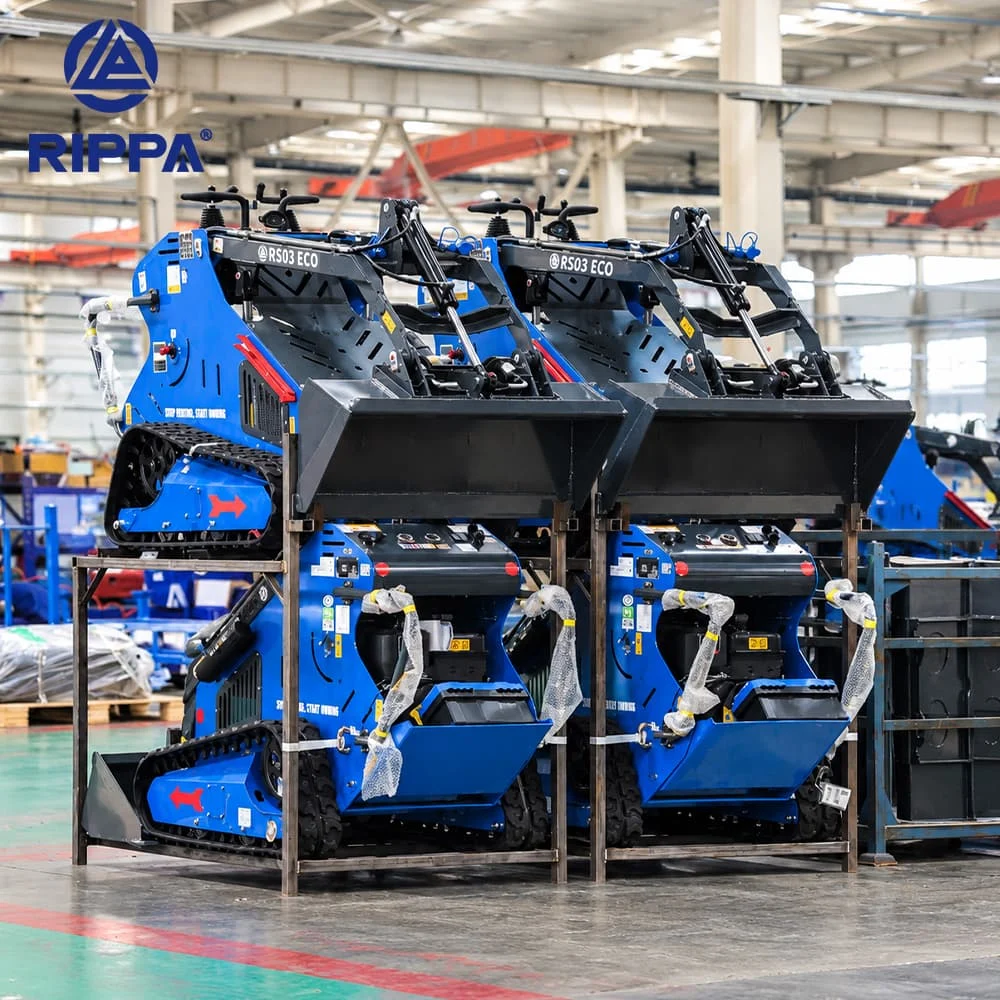
Selecting the right Chinese skid steer loader configuration requires a clear understanding of working environments, machine capacity, attachment requirements, operator preferences, and maintenance needs.
For international buyers and distributors, a detailed configuration checklist makes supplier communication more effective and helps ensure that the selected equipment matches real customer applications.
RIPPA welcomes inquiries from overseas machinery buyers and distributors. Contact the team to discuss skid steer loader configurations and equipment requirements for your market.
 Home
 Products
 Email
 WhatsApp

