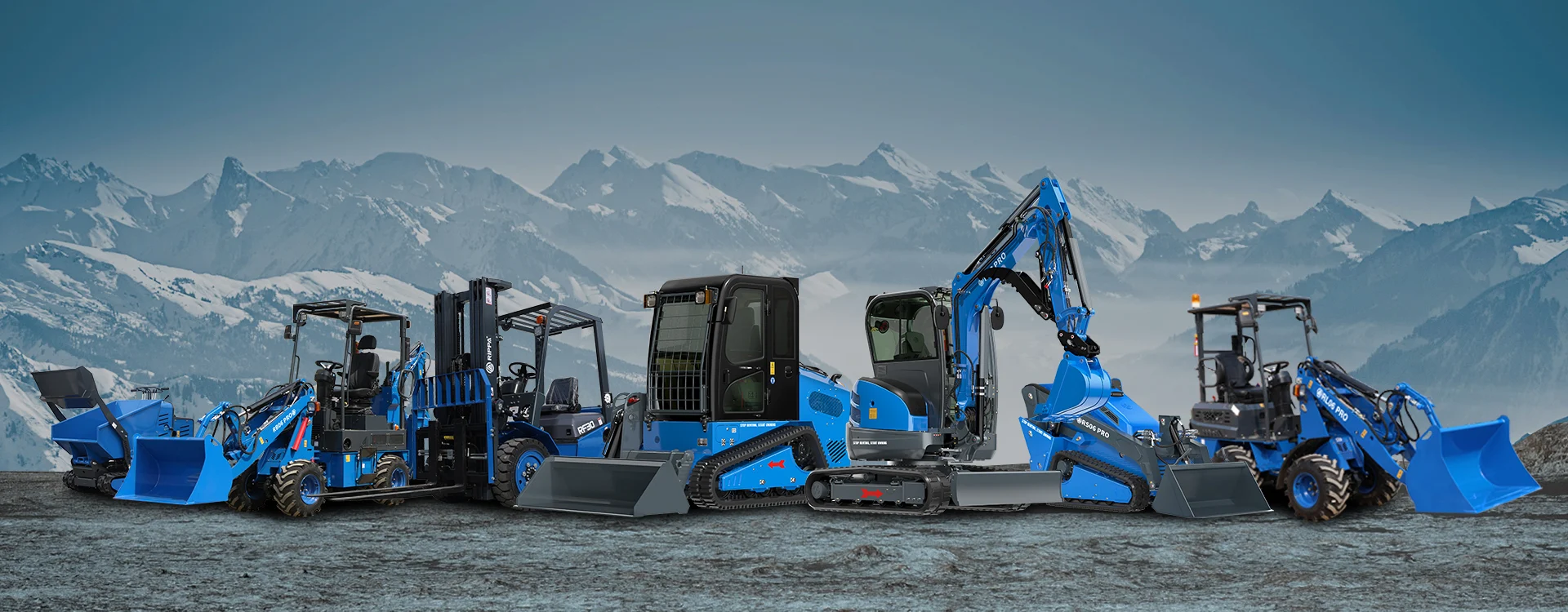
A mini skid steer is a compact and versatile loader designed for jobs where limited access makes larger equipment difficult to use. It can carry materials, prepare ground and operate different attachments, making it useful for landscapers, contractors, farmers, rental companies and property-maintenance businesses.
Although mini skid steers are smaller than conventional loaders, their value comes from flexibility rather than size alone. Selecting the correct machine requires buyers to understand the worksite, required attachments, operating surface and after-sales support.
What Can a Mini Skid Steer Do?
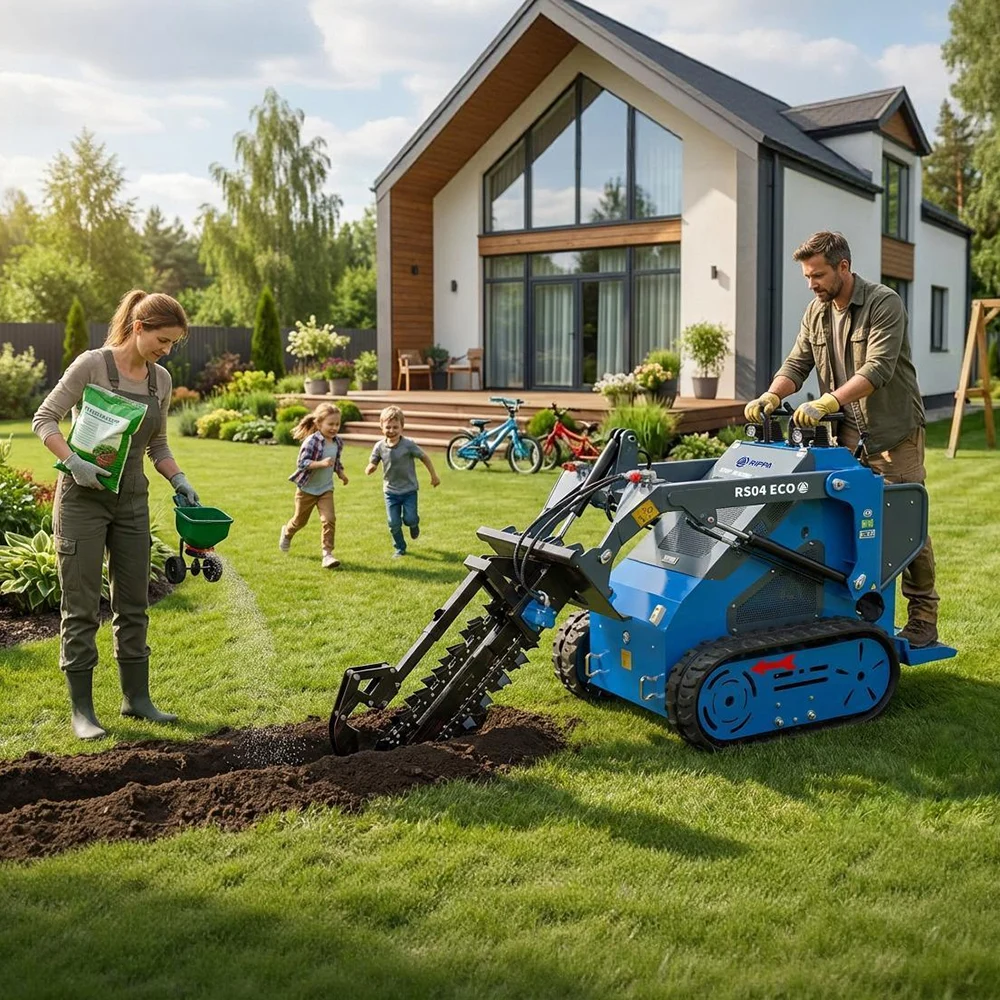
A mini skid steer can perform different jobs by changing attachments. A bucket can move soil, gravel, sand, mulch and construction waste. An auger may be used for planting or fence installation, while a trencher can support irrigation, drainage and utility work.
Other compatible attachments may include grapples, forks, sweepers and grading tools. The available options depend on the machine’s attachment interface and hydraulic system.
This attachment capability allows one compact loader to replace several single-purpose machines. For contractors, that can mean higher equipment utilization and fewer machines transported to each project.
Where Are Mini Skid Steers Commonly Used?
Landscaping is one of the most common applications. A compact loader can travel through narrow gates and work around homes, gardens and existing structures. It can transport materials while reducing the amount of manual handling required from the crew.
Construction companies may use mini skid steers for site preparation, cleanup and material movement. Fence contractors can combine a loader with an approved auger, while utility teams may use compatible trenching equipment.
On farms and rural properties, these machines can assist with yard cleaning, material handling and maintenance around barns or storage buildings. Rental companies also benefit from offering one carrier with several attachment choices.
Main Benefits of a Mini Skid Steer
Compact size is the most visible benefit. However, buyers should also consider maneuverability, attachment flexibility and transport convenience.
A mini skid steer may be easier to move between smaller jobs than a full-size loader. Its compact structure can also reduce the space required for storage. Stand-on designs allow operators to mount and dismount quickly when a task involves both machine work and manual preparation.
The machine still has operating limits. Buyers should never assume that a compact loader can safely lift or power an attachment based only on its appearance. Current manufacturer documentation should be used when evaluating capacity and compatibility.
Tracked and Wheeled Mini Skid Steers
Tracked models are often considered for soft soil, loose ground and uneven worksites. The tracked undercarriage may provide useful traction and flotation in these conditions.
Wheeled models may suit firm surfaces, paved areas and operating environments where tire maintenance is preferred. Wheels may also be suitable when the machine regularly travels across hard ground.
Track and tire wear depend on surface conditions, turning behavior, load and maintenance. Buyers should choose the configuration that matches the majority of their actual work rather than an occasional application.
How to Choose the Right Machine
Begin with the worksite. Measure entrances, pathways and storage areas, then confirm that there is enough space for safe turning and attachment operation.
Next, identify the attachments that will generate the most productive working hours. Confirm the mounting system, hydraulic connection and operating requirements for each one.
Finally, evaluate maintenance access, spare-parts availability, warranty terms and supplier response. These factors can be more important than a small difference in purchase price because equipment downtime directly affects project schedules and revenue.
Is a Mini Skid Steer a Good Investment?
A mini skid steer can be a valuable investment when its compact access and attachment versatility match recurring work. Contractors should calculate how often the machine can replace manual labor, rented equipment or additional carriers.
RIPPA provides compact skid steer solutions for construction, landscaping, rental and distribution markets. Buyers should request current model information, available attachments and a quotation based on their application and destination.
 Početna
 Proizvodi
 E-pošta
 WhatsApp

