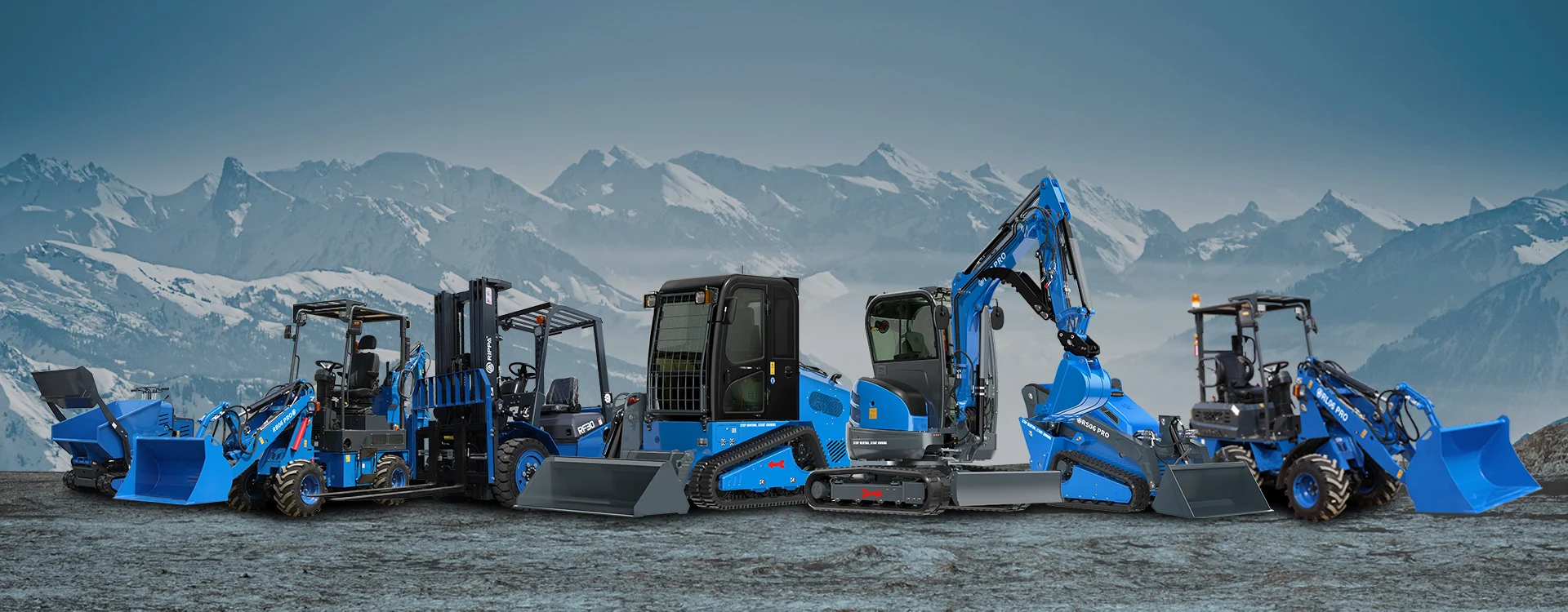
Skid steer loader attachments help expand the range of tasks a machine can perform. Depending on the machine configuration and attachment compatibility, operators can use different tools for material handling, construction cleanup, landscaping, agricultural work, and property maintenance.
For equipment dealers, contractors, and commercial buyers, choosing the right attachments is just as important as selecting the loader itself. An attachment that does not match the machine’s mounting system, hydraulic requirements, or working capacity may limit productivity and create unnecessary operating difficulties.
This guide explains common skid steer loader attachments and the key factors buyers should evaluate before purchasing.
1. General-Purpose Bucket: A Basic Tool for Material Handling
A general-purpose bucket is one of the most widely used skid steer attachments. It supports everyday loading and material movement operations across different industries.
Typical applications include:
- Moving soil, sand, and gravel
- Loading loose materials
- Clearing construction debris
- Distributing materials around a worksite
- Supporting general property maintenance
When choosing a bucket, buyers should consider the material being handled, bucket design, attachment connection, and the loader’s operating capabilities.
A bucket intended for loose materials may not be the best choice for every heavy-duty application. Matching the attachment to the job helps avoid unnecessary equipment strain.
2. Pallet Forks: Handling Palletized Materials
Pallet forks are useful for businesses that regularly move packaged materials, supplies, and palletized goods.
Common applications include:
- Moving construction materials
- Handling supplies in storage yards
- Loading and unloading palletized products
- Organizing materials on farms and commercial properties
Before selecting pallet forks, check their rated capacity and compatibility with the skid steer loader. The combined load must remain within the machine’s operating limits.
Businesses should also consider the dimensions and weight distribution of the loads they handle most frequently.
3. Grapple Attachments: Handling Irregular Materials
Grapple attachments are designed to help hold and move materials that may be difficult to manage with a standard bucket.
Potential applications include:
- Handling branches and vegetation
- Moving irregular construction debris
- Collecting loose materials
- Supporting land clearing and cleanup operations
Different grapple designs serve different purposes. Buyers should identify the type of material they expect to handle and confirm that the attachment is suitable for the intended work.
Hydraulic connections and operating requirements should also be checked before ordering.
4. Snow Removal Attachments: Supporting Seasonal Work
In areas with regular snowfall, compatible snow removal attachments can expand the seasonal uses of a skid steer loader.
Depending on the equipment configuration, possible applications include:
- Clearing private driveways
- Maintaining access roads
- Removing snow from commercial properties
- Supporting winter site maintenance
Snow removal equipment should be selected according to the expected snow conditions, working area, and machine compatibility.
Operators should also consider visibility, traction, and safe working procedures when using a skid steer loader in winter conditions.
5. Specialized Attachments for Landscaping and Ground Work
Landscaping and ground maintenance businesses may require more specialized tools than a standard bucket or pallet forks.
Depending on the job, attachment categories may include:
- Ground preparation tools
- Vegetation management equipment
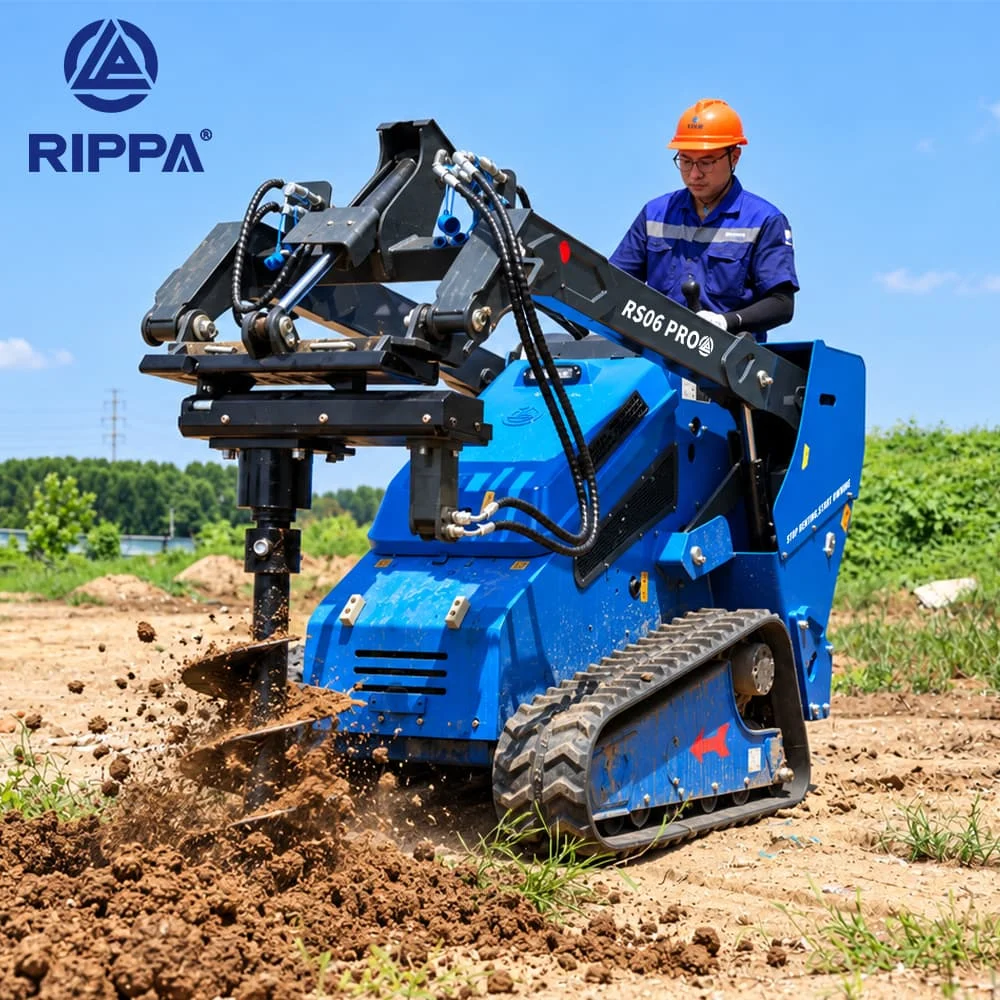
- Soil-working attachments
- Material handling accessories
Not every attachment is suitable for every machine. Buyers should confirm the manufacturer’s compatibility recommendations and any hydraulic or mounting requirements before purchasing specialized equipment.
6. How to Check Skid Steer Loader Attachment Compatibility
Attachment compatibility should be confirmed before an order is placed. A tool that physically connects to a machine may still be unsuitable for its operating requirements.
Use the following checklist when comparing attachments.
Mounting system
Confirm that the attachment connection matches the loader. Do not assume all skid steer loaders use an identical mounting arrangement.
Hydraulic requirements
Some attachments require hydraulic power. Check the required connections and operating requirements against the machine’s configuration.
Operating capacity
Review the attachment’s rated capacity and the loader’s operating limits. Consider the weight of both the attachment and the material being handled.
Working environment
Consider the ground conditions, available space, material type, and frequency of use.
Manufacturer documentation
Request product documentation and compatibility guidance from the supplier before finalizing the purchase.
These checks are particularly important for dealers purchasing equipment and attachments for customers with different working requirements.
7. Should You Buy Attachments Together with a Skid Steer Loader?
For many commercial buyers, purchasing a loader and its required attachments as part of one equipment order can make configuration planning easier.
Potential advantages include:
- Confirming compatibility before delivery
- Planning the machine around actual applications
- Reducing uncertainty during equipment selection
- Discussing product documentation and operating requirements with one supplier
However, not every buyer needs a large attachment package. A business that mainly handles loose materials may only require a suitable bucket, while another business may need additional tools for pallet handling or site cleanup.
The best approach is to identify the most frequent tasks first and select attachments accordingly.
8. Choosing a Skid Steer Loader Supplier
When sourcing skid steer loaders and attachments, international buyers should evaluate more than the initial equipment quotation.
Important questions include:
- Does the supplier provide clear product information?
- Can the supplier confirm attachment compatibility?
- Are operating manuals and relevant product documents available?
- Can the supplier explain the available machine configurations?
- Is there a clear communication process for parts and technical inquiries?
For equipment dealers, these factors also influence how effectively they can support their own customers after purchasing.
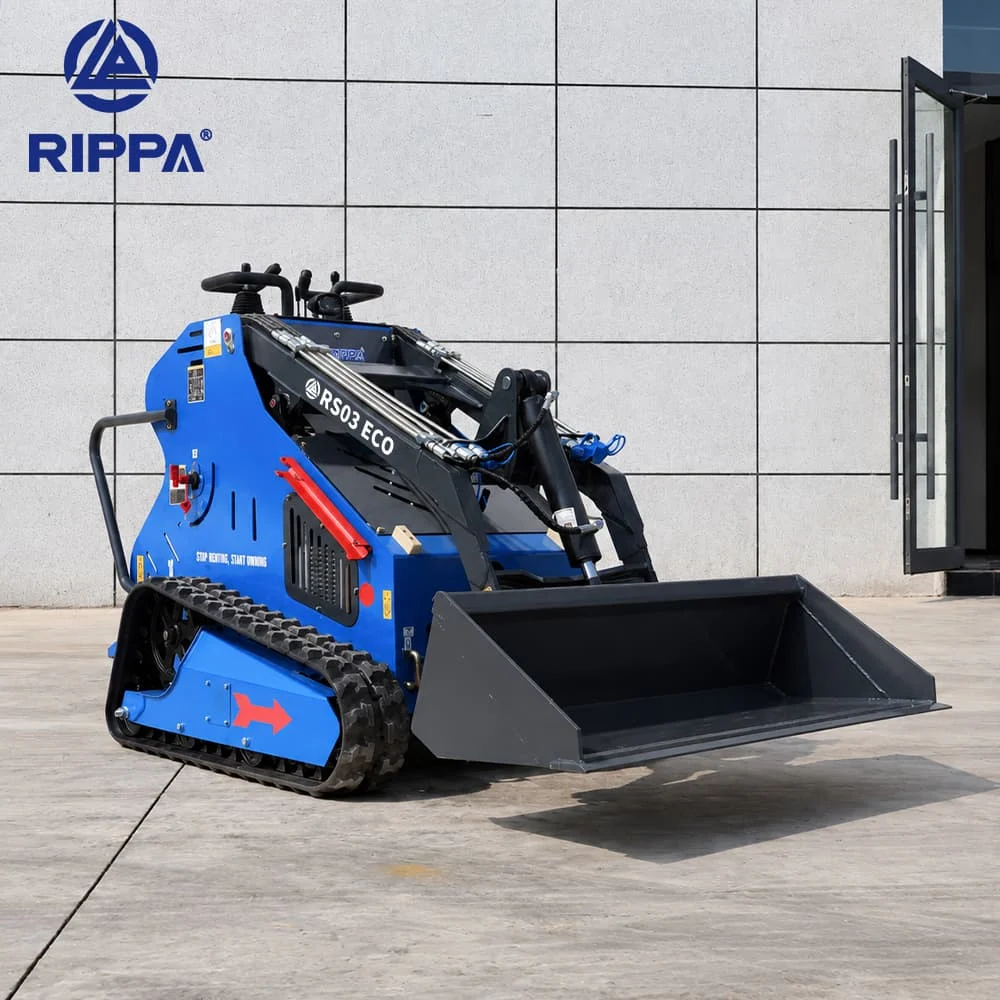
RIPPA is a construction machinery manufacturer based in Jining, Shandong, China. Its skid steer loader range includes RS03, RS04, RS06, RS07, RS10, and RS20 models.
Buyers interested in RIPPA equipment should review the individual product information and confirm the suitable machine configuration and attachment requirements with the team before ordering.
Frequently Asked Questions
What are the most common skid steer loader attachments?
Common attachment categories include general-purpose buckets, pallet forks, grapples, and snow removal tools. Specialized attachments may also be used for landscaping and ground preparation.
Are skid steer loader attachments universal?
No. Buyers should confirm the mounting system, hydraulic requirements, operating capacity, and manufacturer compatibility recommendations before purchasing an attachment.
Can one skid steer loader use multiple attachments?
A skid steer loader may be used with different compatible attachments. The available options depend on its configuration and the requirements of each tool.
What attachment is best for moving pallets?
Pallet forks are commonly used for handling palletized materials. Their capacity and compatibility must match the loader and the intended loads.
Should I purchase attachments from the same supplier as the loader?
Purchasing through the same supplier can make it easier to confirm compatibility and coordinate equipment configuration. Buyers should still request clear documentation for each attachment.
Conclusion
Skid steer loader attachments make it possible to adapt one machine to different working requirements. Buckets, pallet forks, grapples, and other tools can support material handling, construction, landscaping, and property maintenance.
Before purchasing, evaluate the attachment’s mounting system, hydraulic requirements, operating capacity, and suitability for the intended application.
For contractors and equipment dealers sourcing skid steer loaders, careful attachment planning helps create a more practical equipment package. Contact RIPPA to discuss skid steer loader product information and your business requirements.
 Home
 Products
 Email
 WhatsApp

