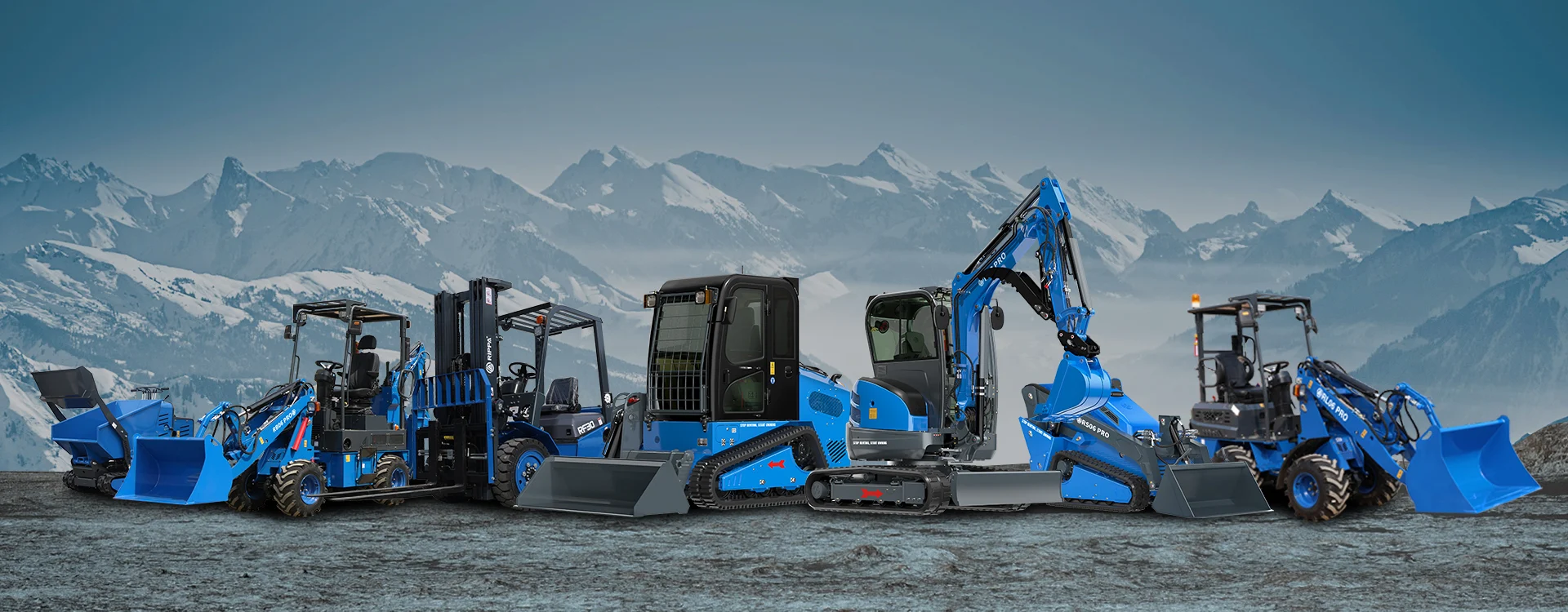
The final quarter of the year can be an important planning period for construction equipment dealers.
Some customers are completing projects before winter. Rental companies may be reviewing fleet performance. Contractors may be preparing equipment budgets for the next season. Farm and rural customers may be handling drainage, property maintenance, fencing, or road repair. Dealers themselves may also be deciding which equipment categories deserve more inventory for the following year.
For dealers focused on compact construction machinery, mini excavators can remain one of the most important products to plan around.
Mini-kotrógépek can serve contractors, rental companies, farms, landscapers, rural service businesses, fence contractors, and machinery resellers. Because the same machine category can support several customer groups, dealers can use the fourth quarter not only to sell remaining inventory but also to prepare a stronger B2B product strategy for the next year.
RIPPA mini excavators can be considered by dealers and other B2B buyers looking to develop a compact equipment business. Before placing orders or making customer commitments, buyers should confirm current machine configurations, specifications, attachment compatibility, spare parts support, warranty policy, technical support, documentation, delivery arrangements, and cooperation terms through official RIPPA channels.
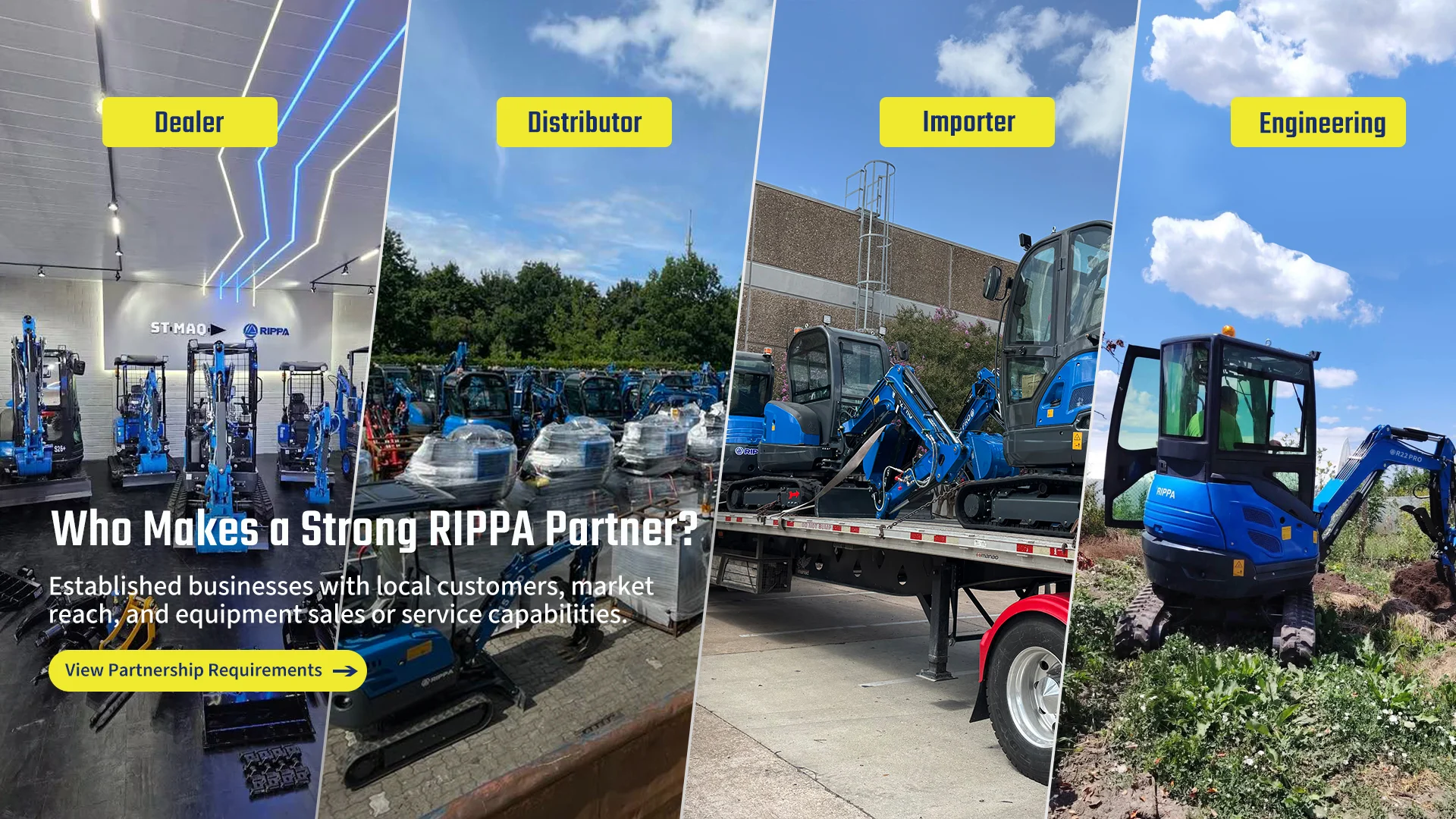
Why Q4 Planning Matters for Mini Excavator Dealers
Equipment dealers should not wait until customer demand appears before thinking about inventory.
A better strategy is to understand:
- Which customers purchased equipment during the year
- Which machine sizes attracted the most inquiries
- Which applications generated the most interest
- Which attachments were requested repeatedly
- Which parts customers needed most often
- Which customers may expand next year
- Which machines sat in inventory too long
Q4 provides an opportunity to review this information and make better purchasing decisions.
The goal is not necessarily to order more machines.
The goal is to order more relevant machines.
Review Which Customers Asked for Mini Excavators
A dealer may serve several customer types, but not every group generates the same demand.
Potential mini excavator customers include:
- Construction contractors
- Landscaping businesses
- Bérbeadó cégek
- Farm equipment customers
- Fence contractors
- Property maintenance companies
- Rural service businesses
- Used equipment buyers
- Machinery resellers
Dealers should review which groups produced actual sales, qualified inquiries, repeat questions, or strong project demand.
For example, if landscaping businesses repeatedly ask about compact machines for drainage and hardscape preparation, the dealer may want to improve inventory and marketing for that segment.
If rental companies ask for several similar machines, fleet-oriented planning may become more important.
Identify the Most Common Excavator Applications
Mini excavators are used for many jobs, but dealers should understand which applications matter most in their local customer base.
Common applications include:
- Árokásás
- Drainage preparation
- Ditch cleaning
- A kerítés előkészítése
- Fák ültetése
- Root removal
- Hardscape preparation
- Property renovation
- Gazdaság karbantartása
- Small construction excavation
A dealer serving rural customers may see strong demand for drainage and fencing.
A dealer serving contractors may see more trenching and site preparation.
A landscape equipment dealer may see more planting, grading preparation, and hardscape work.
Application demand should influence inventory decisions.
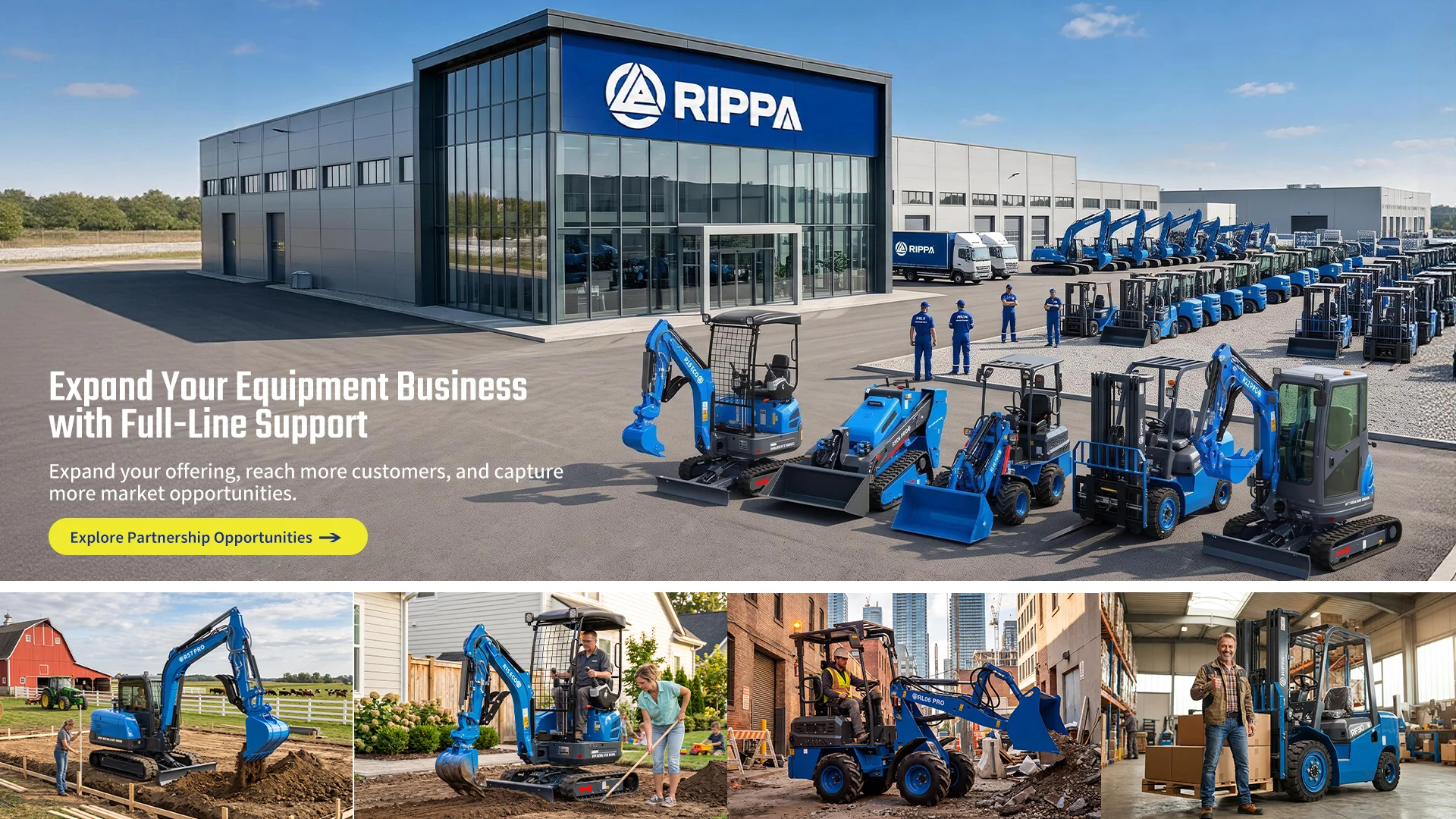
Use Q4 to Review Machine Size Demand
Not every customer needs the same mini kotrógép.
Dealers should review:
- Which machine sizes were requested most often
- Which job sites customers work on
- Whether customers have access limitations
- How customers transport machines
- Which digging requirements appear repeatedly
- Whether customers want entry-level or larger compact machines
This helps prevent overstocking machines that do not match the market.
A product lineup should reflect customer work rather than simply the number of models a supplier offers.
Review Attachment Demand
Attachments can significantly affect the value of a mini excavator dealership.
Possible attachment directions include:
- Digging buckets
- Grading buckets
- Fúrócsigák
- Hydraulic thumbs
- Grapples
- Breakers
- Rakes
- Quick couplers
Dealers should review which attachments customers asked for most frequently.
For example:
| Customer Type | Common Application Direction |
|---|---|
| Vállalkozók | Digging, breaking, trenching |
| Kerttervezők | Grading, planting, root handling |
| Farms | Auger, digging, grapple work |
| Fence contractors | Ground preparation and auger work |
| Bérbeadó cégek | Versatile general-use attachments |
Attachment compatibility should always be confirmed for the exact machine model.
Build Attachment Inventory Around Real Demand
Dealers do not need to stock every available attachment.
A more efficient strategy is to identify:
- Frequently requested attachments
- Attachments that fit multiple machines
- Attachments that support common local applications
- Attachments that can be reordered efficiently
This can reduce unnecessary inventory while improving customer response time.
Review Spare Parts Before Expanding Machine Inventory
A dealer that plans to sell more excavators should also plan for more parts demand.
As the installed machine population grows, customers may increasingly need:
- Filters
- Routine service items
- Wear components
- Hydraulic components
- Electrical components
- Replacement parts
Q4 is a useful time to review which items were requested most frequently during the year.
Dealers can then decide which parts may deserve local stock and which can remain order-on-demand.
Why Parts Planning Matters for B2B Growth
For commercial customers, downtime can affect revenue.
A contractor may delay a project.
A rental company may lose rental days.
A farm may delay property maintenance.
A dealer that can respond quickly to routine parts requests may strengthen customer retention.
This is why equipment inventory and parts inventory should be planned together.
Evaluate Rental Company Opportunities
Rental companies can become important B2B accounts because they may purchase multiple machines over time.
Dealers should review:
- Which rental customers requested mini excavators
- Which machine sizes are most commonly rented
- Which attachments rental customers request
- Whether fleet expansion is likely
- Which maintenance and parts issues occur repeatedly
A rental company may begin with a small fleet and later add more units if local utilization is strong.
Q4 conversations can therefore focus on next-year fleet planning.
Evaluate Contractor Expansion Opportunities
Contractors may also increase equipment needs when their businesses grow.
A contractor that already owns one mini excavator may later need:
- A second excavator
- Another machine size
- Additional attachments
- A skid steer loader
- A compact wheel loader
Dealers should review existing customers before spending all marketing resources on new customer acquisition.
Repeat customers can become some of the most valuable B2B accounts.
Use Q4 to Improve Dealer Content
Dealers should also review which website topics attract the right visitors.
Useful mini excavator content may include:
- Mini excavator for contractors
- Mini excavator for rental companies
- Mini excavator for farm drainage
- Mini excavator for landscaping
- Mini excavator attachments
- Mini excavator buying guide
- New vs used mini excavators
- How to choose a mini excavator supplier
Application-specific content can attract more qualified B2B customers than generic equipment pages alone.
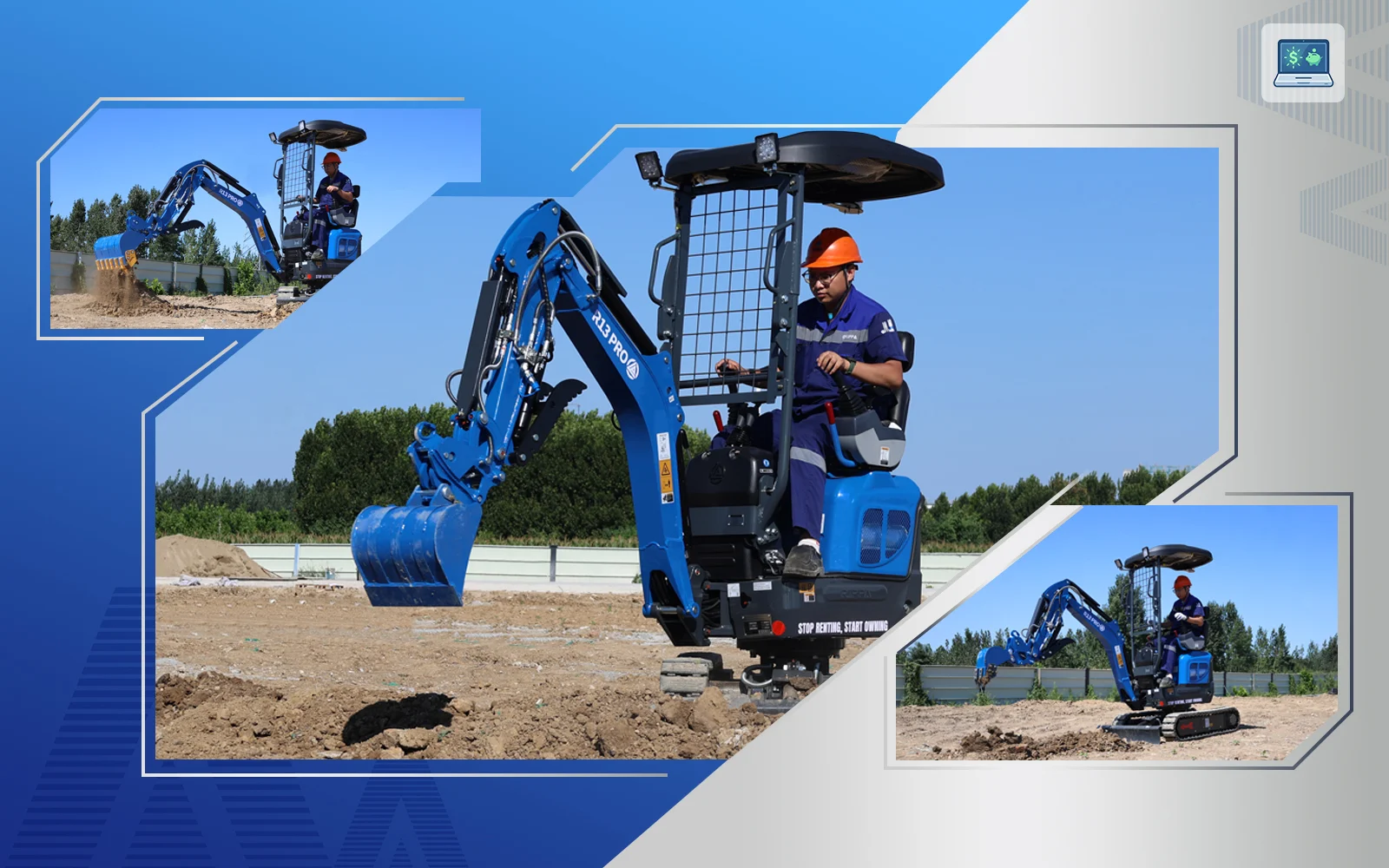
Prepare Customers for Next-Year Purchasing
Some businesses make equipment decisions months before the actual purchase.
A contractor may budget for equipment in Q4 and purchase later.
A rental company may review fleet utilization before expanding.
A dealer may plan next year’s inventory before placing a larger order.
This means Q4 marketing should include both:
- Immediate purchasing customers
- Planning-stage customers
Dealers should provide information that helps both groups make informed decisions.
Do Not Use Discounts as the Only Q4 Strategy
Price promotions may attract attention, but a strong B2B dealer strategy should not depend entirely on discounting.
Commercial customers also care about:
- Product suitability
- Alkatrész-támogatás
- Mellékletek
- Technical assistance
- Karbantartás
- Garancia
- Szállítás
- Documentation
A slightly lower price may not compensate for poor support.
Dealers should therefore communicate complete business value rather than only machine price.
Q4 Mini Excavator Dealer Checklist
| Terület | Q4 Question |
|---|---|
| Customers | Which customer groups produced the best opportunities? |
| Applications | Which jobs created the most demand? |
| Models | Which machine configurations were requested most? |
| Mellékletek | Which tools should be stocked? |
| Alkatrészek | Which service items were requested repeatedly? |
| Rental accounts | Which fleets may expand? |
| Vállalkozók | Which existing customers may buy again? |
| Marketing | Which content attracts qualified B2B traffic? |
| Supplier | What current products and support are available? |
| 2027 planning | What inventory should be prepared next? |
What Should Dealers Confirm with RIPPA Before Q4 Ordering?
Dealers considering RIPPA mini excavators should confirm current:
- Product availability
- Machine configurations
- Technical specifications
- Mellékletek kompatibilitása
- Pótalkatrész-támogatás
- Maintenance information
- Garanciális feltételek
- Technical support process
- Documentation
- Delivery arrangements
- Dealer or reseller terms
Information should be confirmed before advertising specific commercial conditions to customers.
Gyakran feltett kérdések
Why should mini excavator dealers plan inventory in Q4?
Q4 allows dealers to review annual customer demand, equipment performance, attachment requests, parts needs, and next-year purchasing opportunities.
Which customers should dealers focus on?
Potential customers include contractors, rental companies, farms, landscapers, fence contractors, rural businesses, and machinery resellers.
Should dealers increase inventory automatically before the next year?
No. Inventory should follow real demand, customer applications, sales history, and support capability.
Why should attachments be included in Q4 planning?
Attachments can expand machine applications and create repeat sales without requiring another machine purchase.
Why should parts be reviewed before selling more excavators?
A larger machine population creates more maintenance and replacement-part demand.
Következtetés
Q4 mini excavator planning should be based on customer evidence rather than assumptions.
Dealers should review:
- Customer groups
- Machine demand
- Applications
- Mellékletek
- Spare parts
- Rental opportunities
- Repeat buyers
- Website content
- Supplier support
Mini-kotrógépek can remain a strong core category for dealers serving contractors, rental companies, farms, landscapers, and rural businesses.
The best Q4 strategy is not simply to sell more machines before the year ends.
It is to use the final quarter to understand which mini excavator customers, configurations, attachments, and support systems can create stronger B2B growth in the year ahead.
 Home
Home
 Termékek
 E-mail
 WhatsApp

