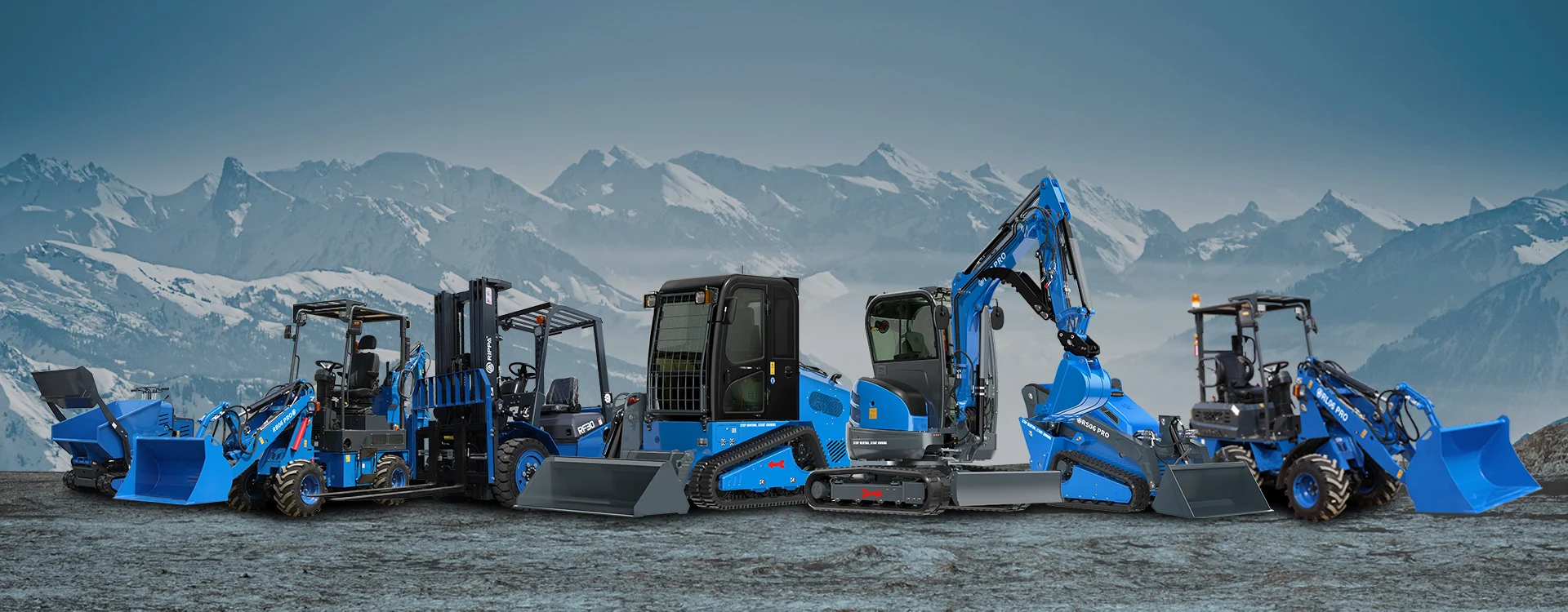
Mini skid steers for sale are worth considering for equipment dealers looking to expand their compact machinery inventory. These machines serve construction contractors, landscaping businesses, agricultural operators, and property maintenance companies that need equipment capable of working in restricted spaces.
For dealers, choosing the right machine is only part of the purchasing decision. Supplier reliability, product variety, spare parts availability, shipping arrangements, and customer support can all influence long-term profitability. A practical buying strategy starts with understanding local demand and finding equipment that fits the needs of the customers a dealer intends to serve.
1. Understand Your Local Market Before Purchasing
Not every market has the same demand for compact loaders. Some customers prioritize landscaping and garden maintenance, while others need machines for construction preparation, material handling, or agricultural work.
Before selecting inventory, dealers should review the applications most common in their service area.
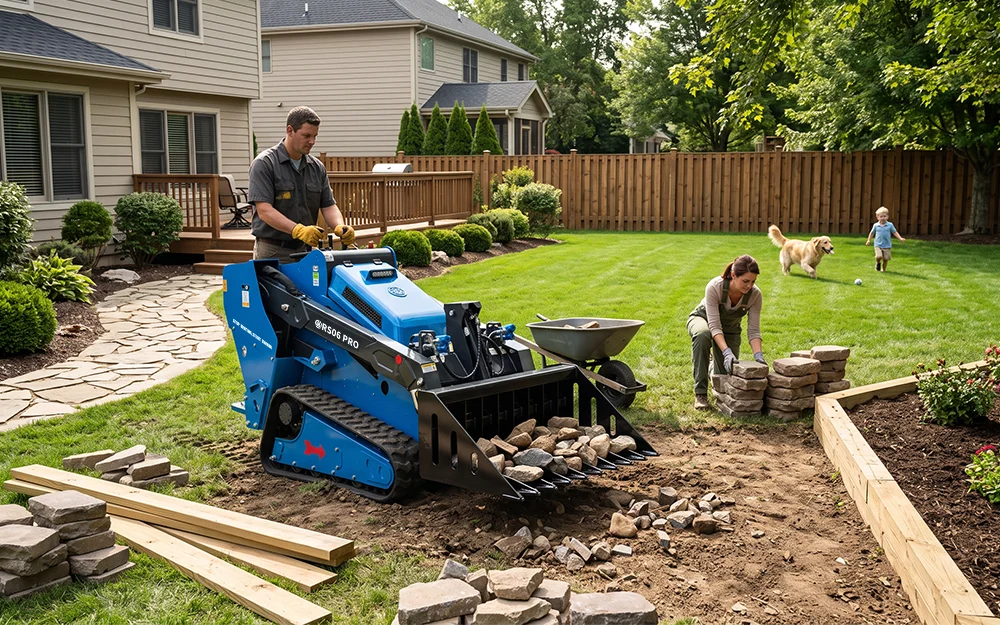
For example, landscaping contractors may prefer compact machines that can move through narrow access points. Agricultural customers may need loaders for moving feed, soil, or other materials. Small construction businesses may look for machines that help reduce manual labor during site preparation.
Customer interviews, competitor product ranges, and inquiries received by your sales team can help identify the most promising market segments.
Dealers should also determine whether buyers prefer tracked or wheeled machines. Tracked models may be suitable for many soft-ground applications, while wheeled configurations can be practical for appropriate firm surfaces. The best choice depends on working conditions rather than a single universal specification.
2. Compare Mini Skid Steer Configurations
When evaluating mini skid steers for sale, consider more than the advertised price.
Important comparison points include:
-
Machine dimensions and access requirements.
-
Operating capacity and intended workload.
-
Tracked or wheeled undercarriage.
-
Hydraulic compatibility with available attachments.
-
Operator controls and visibility.
-
Ease of routine maintenance.
-
Availability of replacement parts.
Dealers should request clear product documentation from suppliers. Consistent specifications make it easier for sales representatives to explain differences between models and recommend appropriate equipment.
It is also important to distinguish between machines designed for light property maintenance and those intended for more demanding commercial applications. A lower purchase price does not automatically make a machine the better choice for every customer.
3. Evaluate the Supplier Behind the Machine
A dependable supplier can make a significant difference to an equipment dealership. Even an attractive product range becomes difficult to sell if deliveries are unpredictable or technical questions remain unanswered.
Before placing an order, ask potential suppliers about their manufacturing capabilities, quality inspection procedures, production lead times, export experience, and parts support.
Dealers should also confirm what happens when a machine arrives with shipping damage or develops a technical issue. Written procedures and clear communication channels help reduce uncertainty.
If you plan to develop a long-term relationship, discuss whether the supplier can support repeat orders and maintain consistent product availability. A supplier that understands distributor requirements may be more suitable than one focused exclusively on individual transactions.
4. Plan Inventory Around Business Potential
Stocking too many configurations can tie up working capital, while offering too few options may limit sales opportunities.
A more practical approach is to begin with a focused product range based on local demand. Dealers can assess which machine configurations generate the most inquiries before expanding their inventory.
When calculating the total investment, consider the purchase price, international freight where applicable, import duties, local transportation, warehousing, marketing, and after-sales expenses.
The final selling price should leave sufficient room for operating costs and a reasonable business margin.
For distributors importing equipment, confirm the delivery terms and responsibilities of both parties before making payment. Clear documentation helps prevent misunderstandings about transportation, insurance, customs clearance, and delivery arrangements.
5. Build a Sales and After-Sales Process
Selling mini skid steers requires more than publishing product listings. Buyers often need help understanding which configuration fits their applications and which attachments are appropriate.
Dealers can improve the buying experience by providing product demonstrations, application photos, operating guidance, maintenance information, and straightforward quotation procedures.
After-sales preparation is equally important. Keep essential service information accessible and establish a process for ordering replacement components. Sales staff should know where to direct customers when technical assistance is required.
A responsive service process can encourage repeat purchases and strengthen referrals from contractors and other commercial buyers.
6. Prepare for Long-Term Dealer Growth
As demand develops, dealers can expand into complementary products and attachments. However, product expansion should follow evidence of customer interest rather than assumptions about market size.
Review inquiry quality, conversion rates, customer feedback, delivery performance, and repeat orders regularly. These indicators help determine which products deserve more inventory investment.
Suppliers should also be willing to discuss product improvements and recurring customer concerns. Feedback from local dealers can help manufacturers understand regional requirements and refine their offerings.
Következtetés
Finding the right mini skid steers for sale involves evaluating the entire supply relationship, not simply choosing the lowest-priced machine. Equipment dealers should consider local demand, product suitability, supplier reliability, inventory planning, and after-sales support before committing to a purchase.
For businesses seeking long-term growth, a focused product range and a dependable manufacturing partner can provide a stronger foundation than price competition alone.
Looking for a mini skid steer supplier for your dealership? Contact manufacturers to request product catalogs, wholesale quotations, order terms, and information about dealer cooperation.
 Home
 Termékek
 E-mail
 WhatsApp

